Introduction
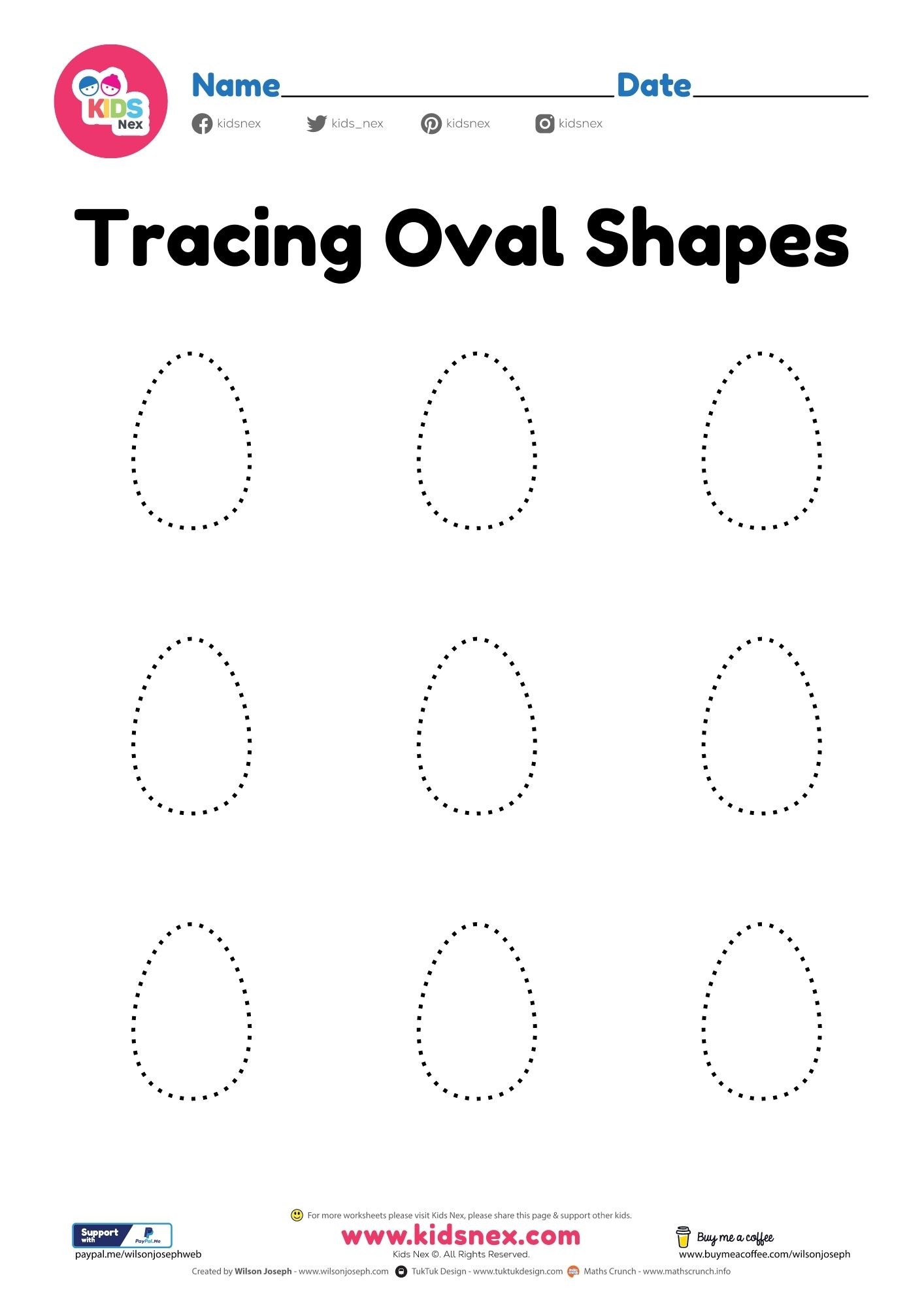
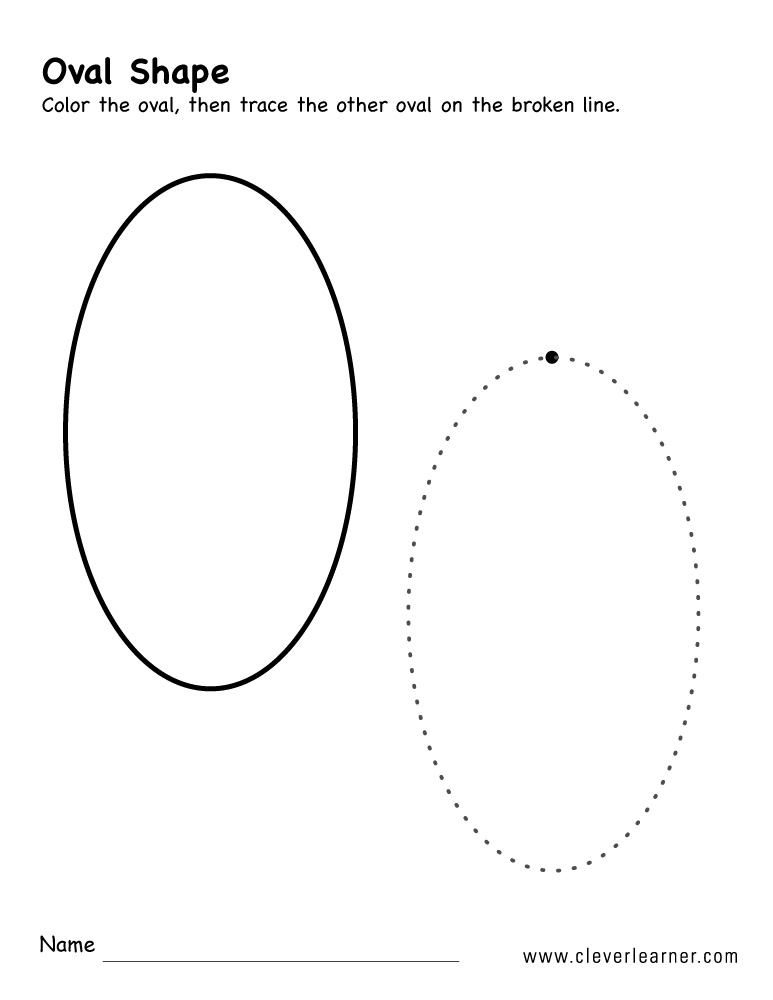
Many children recognize letters, numbers, and geometric forms long before their fine motor control allows them to form those shapes with a pencil. According to the American Occupational Therapy Association, foundational hand strength and visual-motor integration must develop before complex writing tasks can be mastered smoothly. Many adults rush straight to letter drills, overlooking the curved strokes required for true pencil fluency. Mastering continuous curves builds the foundation for countless letters and symbols. The free printable oval tracing activity bridges that gap by offering targeted, low-stress practice that strengthens the hand while teaching spatial control. It sounds simple, and that is precisely the point.
💡 Educational Key Takeaways:
- Core Skill: Structured Oval Tracing Activity focused on developing pencil grip, stroke control, and early literacy/math confidence.
- Target Scope: Suited for homeschoolers, preschool, kindergarten, and elementary learners.
- Best Recommendation: Practice 10–15 minutes daily with ergonomic writing tools to reinforce muscle memory without hand fatigue.
What This Worksheet Covers
The focus centers on continuous curved lines, directional continuity, and bilateral coordination. Tracing ovals requires smooth wrist movement and sustained visual tracking rather than rigid, jerky finger adjustments. Children must coordinate both hands—one stabilizing the paper while the other guides the writing tool along the continuous track. This printable offers progressive layouts designed to refine pencil pressure and spatial awareness. Exploring additional categories like Shape and Line Tracing provides wonderful complementary practice for early learners.
Key Learning Outcomes
Young learners develop enhanced wrist rotation, improved fluidity in continuous strokes, and better visual-motor integration through repeated engagement with curved pathways. Mastering continuous lines helps children transition from clumsy fist grasps to efficient tripod grips because the hand learns to maintain consistent pressure over a changing trajectory. Furthermore, this practice fosters sustained attention span and careful observation as eyes track the pencil tip moving around the curved form. These core competencies directly support broader goals found within Fine Motor and Pre-Writing Skills development.
How to Use This Worksheet
Begin by reviewing proper seating posture, ensuring feet rest flat on the floor and elbows rest comfortably at a ninety-degree angle on the table. Invite children to trace the large ovals first using an index finger to build kinesthetic memory before introducing a crayon, marker, or pencil. According to the National Association for the Education of Young Children, active sensory exploration paired with playful guidance yields the highest retention rates in early childhood development. Encourage slow, deliberate pacing rather than speed, emphasizing the journey of the line instead of a rushed finish. To expand learning across developmental domains, educators often pair these sheets with activities found in Alphabet And Numbers Tracing.
Practical Tips for Parents and Teachers
Scaffolding makes all the difference when frustration creeps into a tracing session. If pencil resistance causes hand fatigue, try placing the sheet on a vertical surface like an easel or a taped wall to naturally engage the shoulder and wrist stabilizers. Model the correct tripod grasp by demonstrating relaxed thumb and finger placement while keeping the palm soft and open. When children struggle to complete a full oval, allow them to use thicker writing tools or vibrant scented markers to increase sensory feedback and engagement. Rotating in resources from Seasonal and Fun Themes keeps motivation high throughout the year.
Age-Appropriate Recommendations
For toddlers and preschoolers ages two through four, focus heavily on gross motor warm-ups, finger plays, and tracing oversized shapes using thick crayons, aligning with NAEYC Developmentally Appropriate Practice guidelines. Children in the five-to-eight age bracket can refine precision, practice smaller concentric ovals, and transition to standard pencils while maintaining consistent stroke direction and pressure control. Recognizing these distinct developmental stages ensures adults never demand precision before the intrinsic musculature of the hand is fully ready.
Foundational visual-motor skills and bilateral coordination directly predict later handwriting legibility and speed in early elementary school. — American Occupational Therapy Association
Frequently Asked Questions
Clear guidance helps families and educators make the most of printable resources without unnecessary complications. The following answers address common questions regarding setup, skill building, and developmental milestones.
Explore More Free Printable Tracing Worksheets
Supporting a young writer involves offering a rich variety of engaging, developmentally sound materials that grow alongside the child. Exploring the full library at KidTraces.com reveals hundreds of thoughtfully designed pages tailored to every stage of early childhood education. Every printable aims to turn essential skill practice into an enjoyable, confidence-building experience for children everywhere.
Developmental Milestone & Activity Table
| Development Stage | Recommended Daily Duration | Primary Learning Objective |
|---|---|---|
| Preschool & Pre-K | 10 – 15 Minutes | Pencil grip development & basic pre-stroke lines |
| Kindergarten | 15 – 20 Minutes | Letter/number formation & spatial line awareness |
| Early Elementary (Grade 1–2) | 20 – 30 Minutes | Fluency, sentence construction & neatness |
Images References