Introduction
Many young children recognize letters and numbers long before their fine motor skills can comfortably form them on paper. According to the National Association for the Education of Young Children (NAEYC), meaningful early childhood writing experiences should connect physical movement with cognitive understanding rather than relying on rote memorization alone. Children often try to write long before the intrinsic hand muscles possess the strength required for traditional pencil control. Bridging this gap requires engaging, thematic practice materials that reduce the frustration of early writing. The free printable water numbers tracing sheet offers a refreshing approach to numeral formation, combining visual engagement with essential tactile readiness.
💡 Educational Key Takeaways:
- Core Skill: Structured Water Numbers Tracing focused on developing pencil grip, stroke control, and early literacy/math confidence.
- Target Scope: Suited for homeschoolers, preschool, kindergarten, and elementary learners.
- Best Recommendation: Practice 10–15 minutes daily with ergonomic writing tools to reinforce muscle memory without hand fatigue.
What This Worksheet Covers
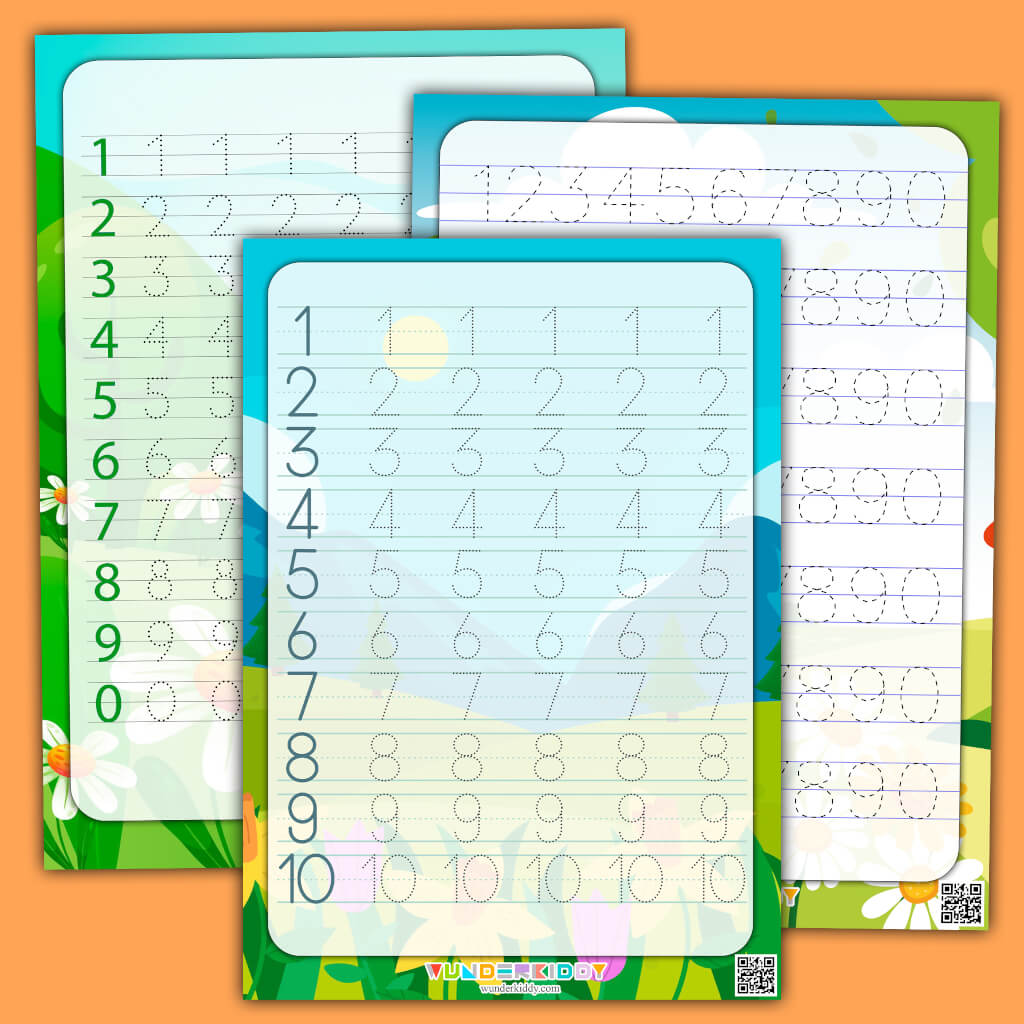
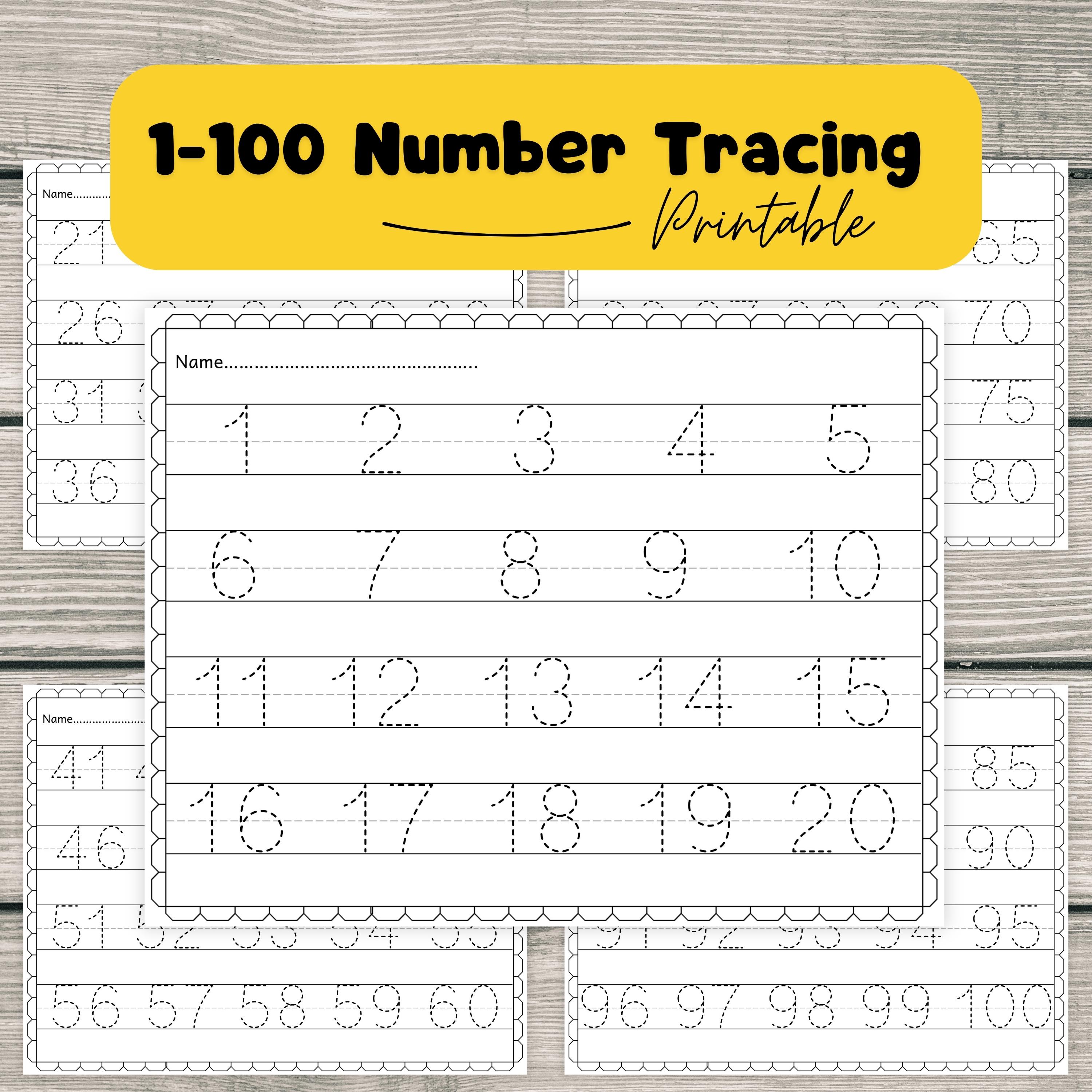
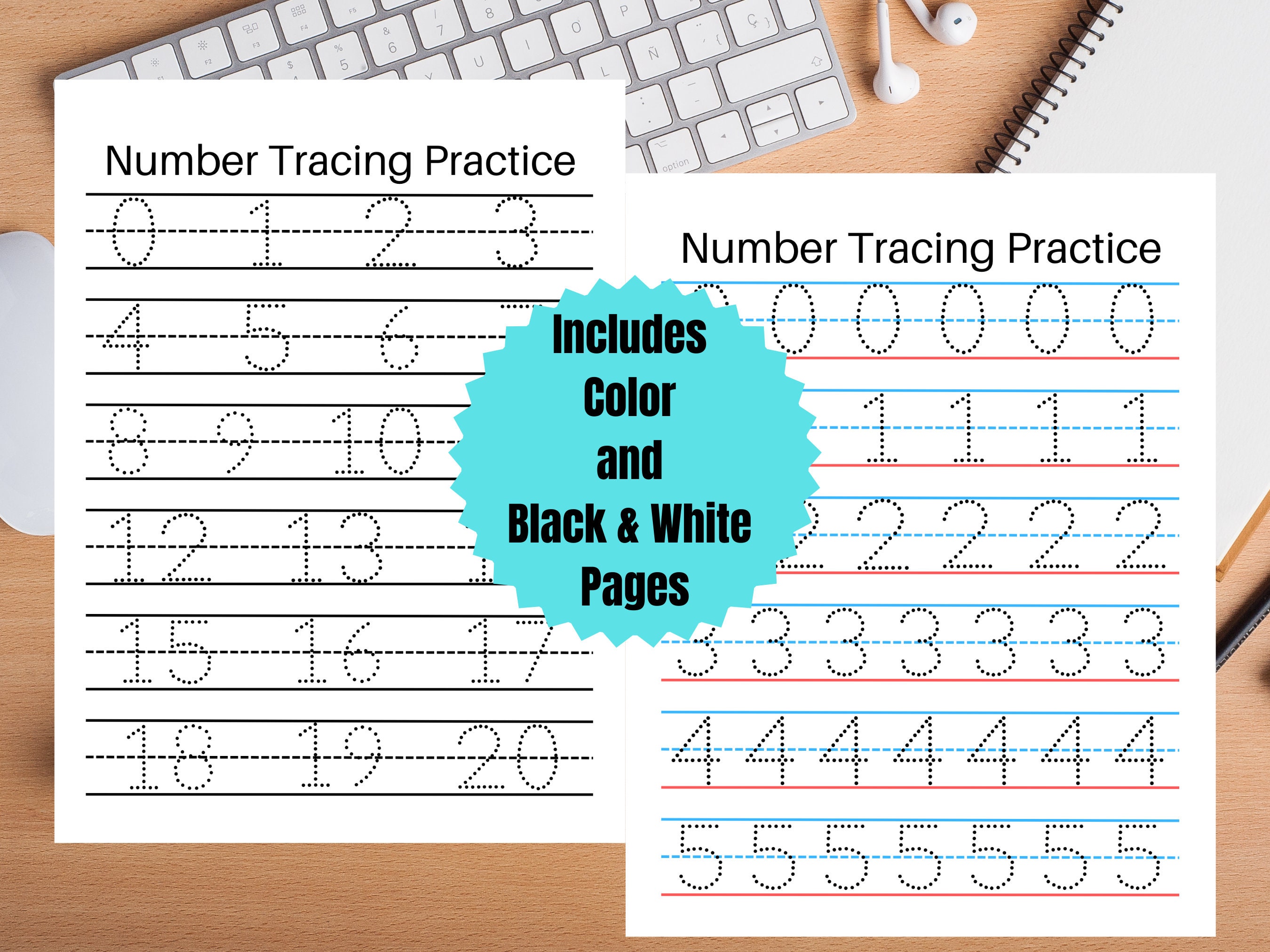
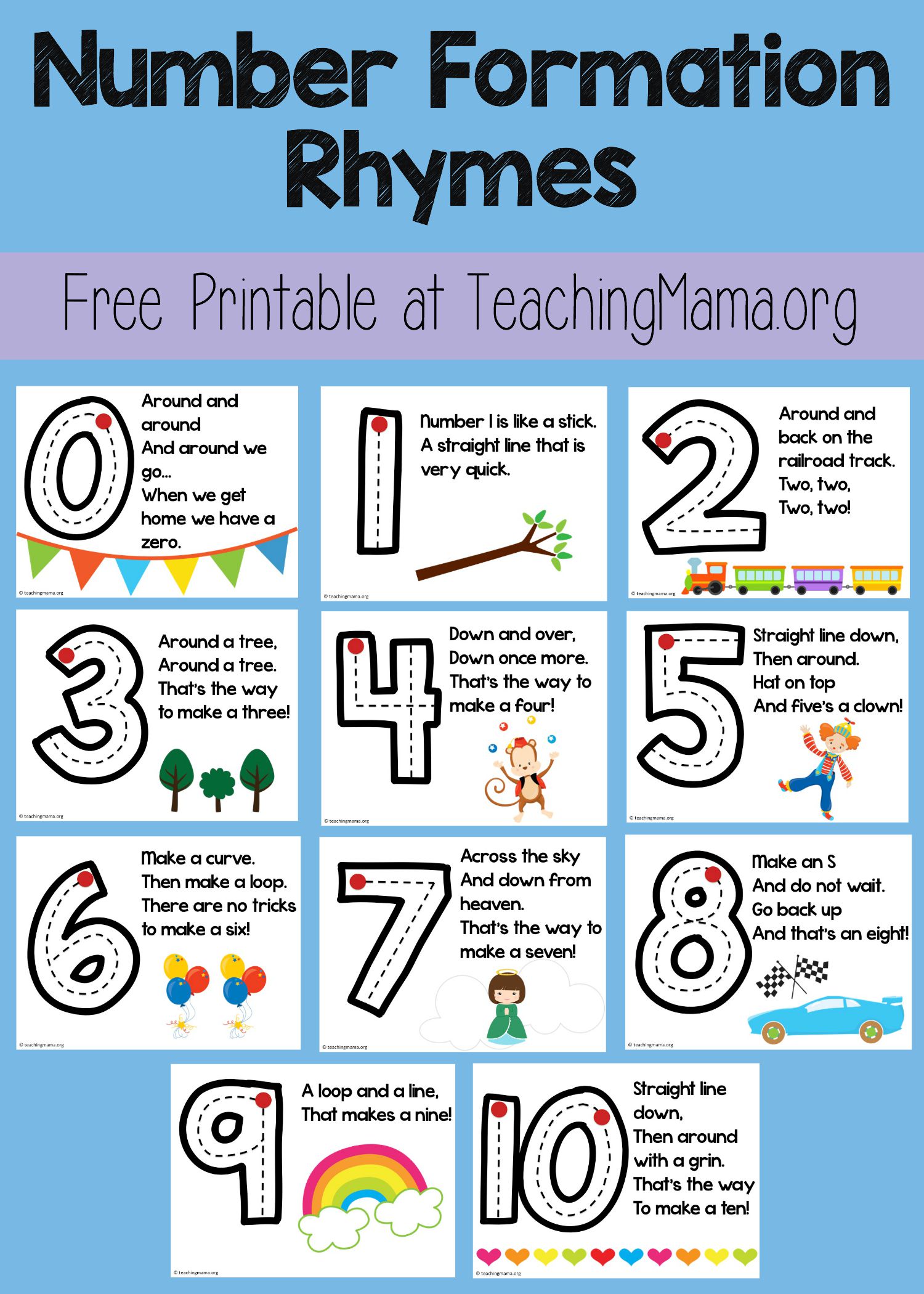
This specialized printable focuses on numeral identification, precise stroke order, and directional control through a captivating aquatic theme. Each number is presented in an oversized, clear format designed to guide the eye and the hand simultaneously. Starting points and directional arrows remove the guesswork that frequently leads to reversed numbers or erratic strokes. The water theme introduces gentle waves and droplet motifs, making abstract mathematical symbols feel approachable and concrete. Exploring foundational numeral work sets the stage for advanced mathematical and writing concepts found throughout Tracing Number resources, ensuring steady progression from simple shapes to complex numerical sequences.
Key Learning Outcomes
Engaging with this printable helps children master correct numerical stroke sequences from top to bottom and left to right. Learners build critical hand-eye coordination as pencils trace fluid lines that mimic gentle ripples and streams. Muscle memory develops naturally through repeated, confident motions that reinforce the proper formation of digits from zero through nine. Visual discrimination improves significantly as children differentiate between similarly shaped numbers like three and eight. Spatial awareness is also enhanced, teaching little ones how to keep their writing neatly aligned within designated boundaries.
How to Use This Worksheet
Successful integration of this activity begins with preparing a comfortable, well-lit workspace where the feet rest flat on the floor or a footrest. Introduce the sheet by having a child trace the oversized numbers first with a pointer finger to map the kinetic pathway before ever picking up a writing tool. It sounds simple, and that is the point; tactile tracing prepares the neurological pathways for pencil use. Practitioners can slide the printable inside a dry-erase pocket sleeve to allow for low-stakes practice and easy error correction. For those looking to expand foundational practice, pairing this exercise with activities from Fine Motor and Pre-Writing Skills helps build the underlying hand strength necessary for sustained writing endurance.
Practical Tips for Parents and Teachers
Adults should actively model correct pencil grips, encouraging a dynamic tripod grasp while gently discouraging tight fist grips that cause hand fatigue. Scaffolding the activity is essential for younger learners; hand-over-hand guidance can help initiate the first few strokes before fading support as confidence grows. Extending the learning comes easily by having children count out physical objects like blue glass beads or water beads that match the traced numeral value. Rotating writing utensils—such as switching from thick crayons to scented markers—maintains high motivation levels without altering the core skill being practiced. For further thematic expansion, educators often incorporate ideas found within Seasonal and Fun Themes to keep daily practice sessions fresh and exciting.
Age-Appropriate Expectations
For children ages two to four, the focus centers on sensory exploration, large muscle movements, and basic pre-writing strokes rather than perfection in numeral formation. According to CDC developmental milestones, children in this younger bracket typically begin drawing vertical and horizontal lines, which serve as the building blocks for numbers like one and four. Moving into the five-to-eight age group, structured expectations align with foundational academic standards where children print numerals legibly and demonstrate correct directional habits. During these early elementary years, consistent practice ensures that number formation becomes an automatic, effortless process, freeing up cognitive energy for complex math problem-solving.
Proper grip development and early stroke mastery significantly predict later handwriting legibility and writing speed. — American Occupational Therapy Association (AOTA)
Frequently Asked Questions
Clear guidance on printing, developmental readiness, and educational standards helps adults maximize the benefits of these foundational tracing materials. The following answers address common questions regarding implementation at home or inside a dynamic classroom environment.
Explore More Free Printable Tracing Worksheets
Supporting a child’s early education journey requires a diverse selection of engaging, high-quality practice materials that grow alongside their developing abilities. Exploring the full collection available at KidTraces.com provides endless opportunities to build confidence in letters, numbers, and early literacy skills. Discover targeted resources designed to make learning joyful by browsing through Alphabet And Numbers Tracing and Tracing Worksheets today.
Developmental Milestone & Activity Table
| Development Stage | Recommended Daily Duration | Primary Learning Objective |
|---|---|---|
| Preschool & Pre-K | 10 – 15 Minutes | Pencil grip development & basic pre-stroke lines |
| Kindergarten | 15 – 20 Minutes | Letter/number formation & spatial line awareness |
| Early Elementary (Grade 1–2) | 20 – 30 Minutes | Fluency, sentence construction & neatness |
Images References