Introduction
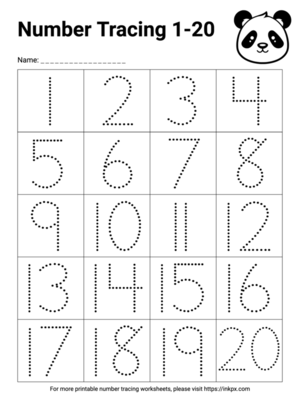
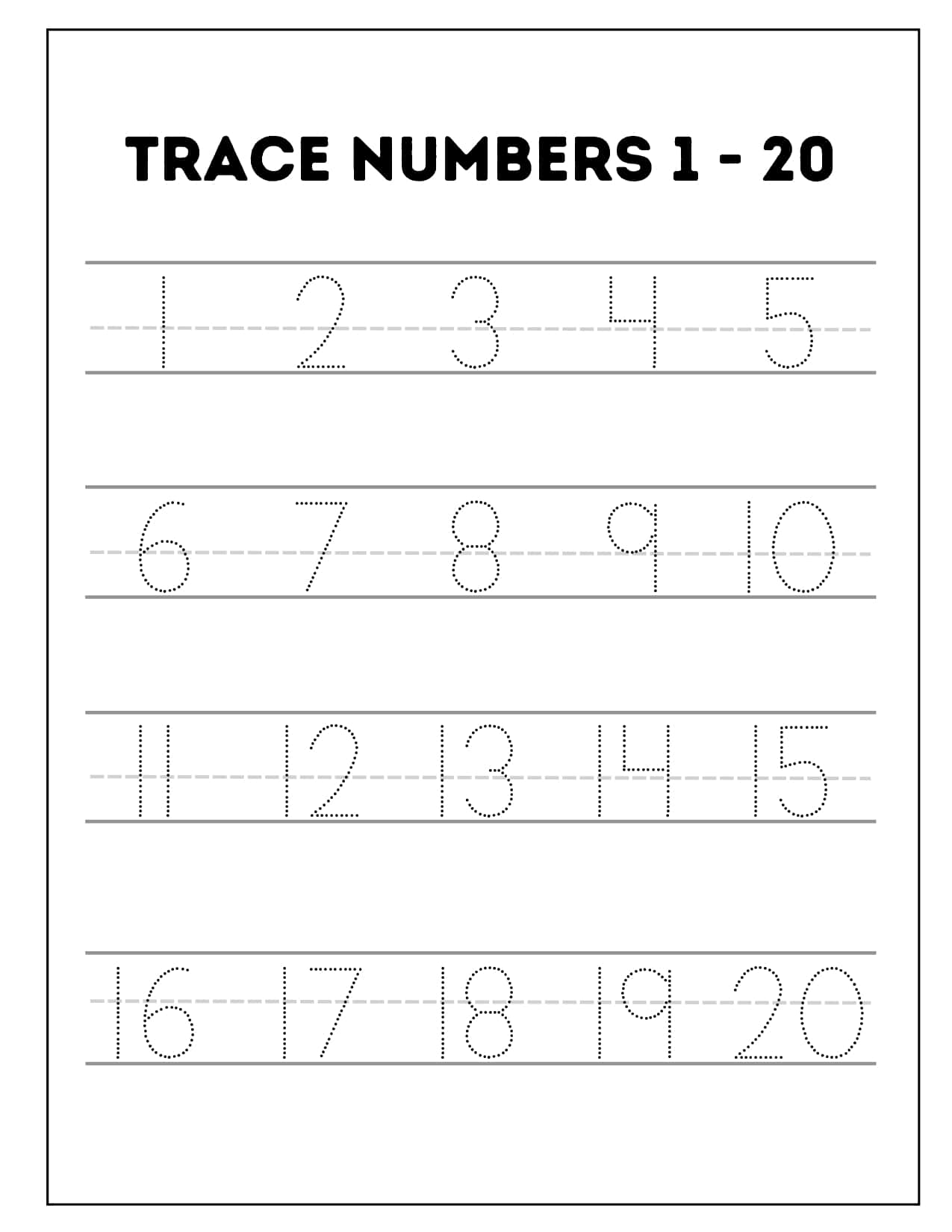
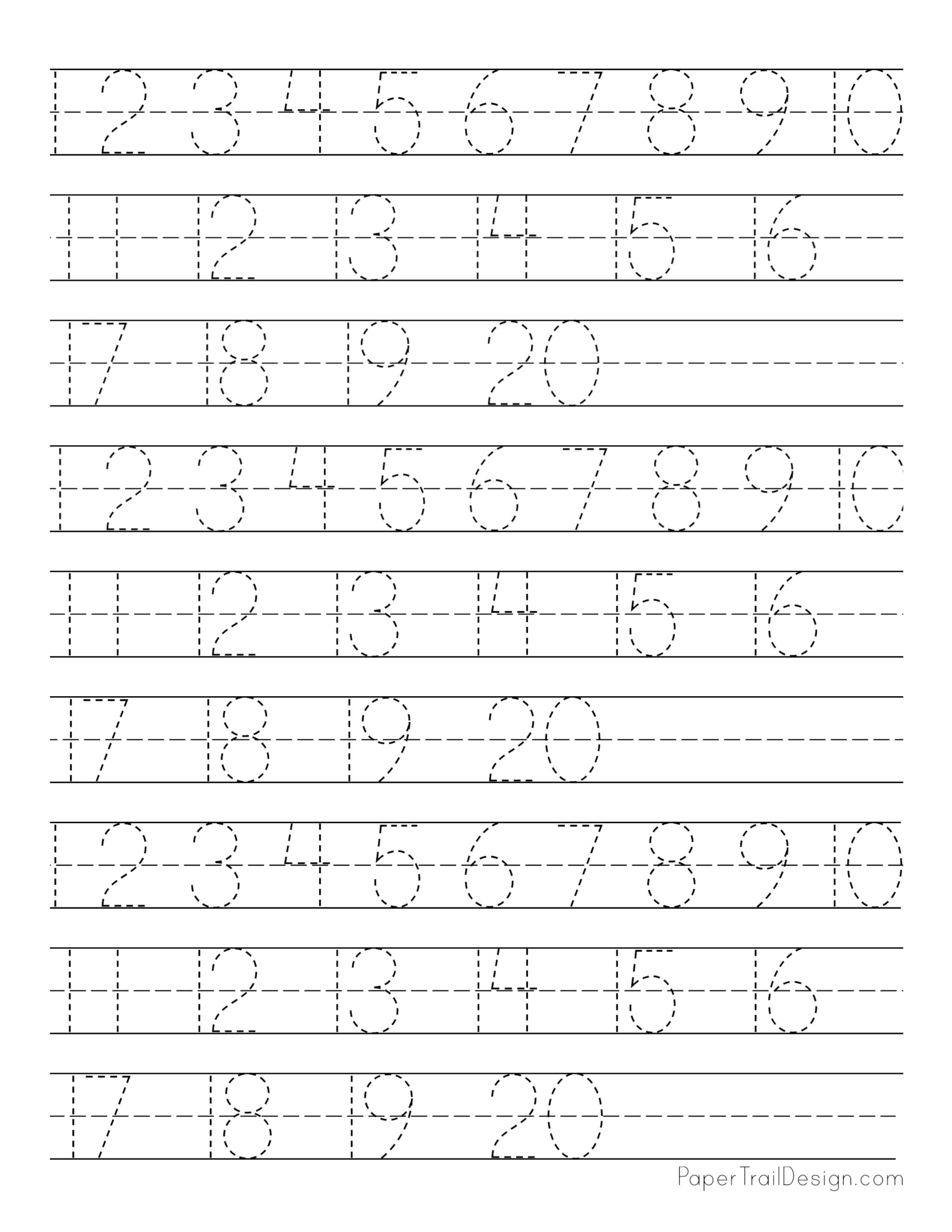
Many children recognize symbols, numbers, and letters long before their fine motor coordination allows them to form those shapes on paper. According to the American Occupational Therapy Association, foundational hand strength and visual-motor integration are critical prerequisites for successful handwriting. Mastering numerals specifically requires a blend of spatial awareness, consistent stroke order, and steady finger control. Introducing the free printable trace numerals 1- 20 helps bridge this gap by offering structured, repeatable practice that transforms abstract mathematical symbols into fluid physical movements. Early childhood settings frequently reveal that children benefit enormously from guided pathways before attempting independent writing. It sounds simple, and that’s the point: structured repetition builds muscle memory naturally.
💡 Technical Key Takeaways:
- Core Focus: Diagnostic schematic and terminal connection layout for Trace Numerals 1- 20.
- Target Scope: Field technicians, automotive DIYers, and residential/commercial electricians.
- Safety Rule: Always disconnect the primary power source/battery terminal and verify zero voltage with a multimeter before touching wires.
What This Worksheet Covers
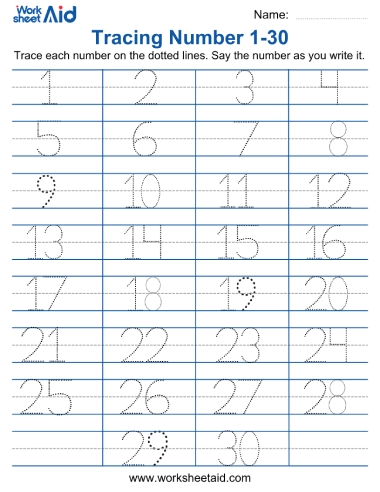
This printable resource focuses heavily on precise numeral formation, starting points, and directional stroke order for numbers ranging from one through twenty. Each digit features clear directional arrows and distinct dot-to-dot pathways designed to guide little hands through curves, loops, and straight lines. Building proficiency in numerical writing requires understanding how to transition from vertical strokes, seen in digits like one and four, to complex continuous curves, required for numbers like three, six, and eight. Beyond basic number recognition, the layout encourages proper spacing and proportional sizing within structured guidelines. Educators often observe that children rush through writing numbers without internalizing the correct starting point, which eventually leads to reversed digits or fatigue. Utilizing targeted resources like Tracing Number collections helps mitigate these habits early by reinforcing consistent formation patterns with every repetition.
Key Learning Outcomes
Engaging systematically with these numeral templates fosters superior pencil control and stabilizes the small muscles of the hand. According to Reading Rockets, explicit instruction in letter and number formation dramatically reduces writing frustration and enhances cognitive fluency during math tasks. Learners develop robust visual-motor integration, translating what the eyes see into precise, controlled hand movements on the page. Furthermore, consistent practice strengthens bilateral coordination, teaching the non-dominant hand to stabilize the paper while the dominant hand executes the tracing strokes. This process also reinforces numerical sequence and cardinality, cementing the visual representation of quantity alongside its physical creation.
How to Use This Worksheet
Successful implementation begins with establishing a comfortable, ergonomically sound workspace where both feet rest flat on the floor and the tabletop sits just below elbow height. Adults can introduce each number by demonstrating the correct stroke in the air or on a textured surface before touching a pencil to the paper. It helps to encourage a functional tripod grasp, though slight adaptations remain entirely normal for younger children whose hand arches are still developing. Working through the sequence in manageable chunks prevents mental exhaustion and protects fragile hand endurance. For additional practice with foundational hand movements, integrating resources found within Fine Motor and Pre-Writing Skills can prepare young muscles for the specific demands of digit formation.
Practical Tips for Parents and Teachers
Scaffolding the learning experience ensures that children stay motivated rather than overwhelmed by twenty distinct numbers. Adults should model correct grip and stroke sequence first, talking aloud through the directionality of each line, such as starting at the top and pulling straight down. Lamination or slipping the sheets inside heavy-duty plastic dry-erase pockets allows learners to trace with markers repeatedly without the pressure of permanent mistakes. When fatigue sets in, indicated by a tight fist or declining focus, pausing the activity immediately preserves a positive association with writing. Expanding skill sets further can be achieved by exploring supplementary formats available under Alphabet And Numbers Tracing to maintain high engagement.
Age-Appropriate Recommendations
Aligning expectations with developmental milestones prevents unnecessary frustration during early academic tasks. According to the National Association for the Education of Young Children Developmentally Appropriate Practice guidelines, children aged two to four typically benefit most from gross motor pre-writing strokes, sensory tracing, and larger visual models rather than cramped pencil work. By ages five through eight, children enter the formal operational window where fine motor precision, line control, and structured writing frameworks like the Common Core standard K.CC.A.3 become appropriate, enabling them to write numbers from zero to twenty accurately. Respecting this developmental timeline ensures that practice sessions remain supportive, effective, and tailored to the unique physical capabilities of every learner.
Foundational hand strength and visual-motor integration are critical prerequisites for successful handwriting. — American Occupational Therapy Association
Frequently Asked Questions
Navigating early writing instruction often brings up common logistical and developmental questions for educators and caregivers alike.
Explicit instruction in letter and number formation dramatically reduces writing frustration and enhances cognitive fluency. — Reading Rockets
Explore More Free Printable Tracing Worksheets
Supporting a well-rounded early childhood curriculum requires access to diverse, engaging practice materials that grow alongside the learner. Discover a vast selection of developmental resources designed to foster confidence, pencil control, and academic readiness by exploring the complete library available at KidTraces.com today.
Quick Wiring Specifications & Terminal Guide
| Component / Circuit | Standard Wire Gauge | Recommended Protection |
|---|---|---|
| Control & Trigger Signals | 18 – 20 AWG | 5A – 7.5A Inline Fuse |
| Standard Auxiliary Load | 14 – 16 AWG | 15A – 20A Circuit Breaker |
| Main Power Feed / Supply | 10 – 12 AWG | 30A – 40A Heavy-Duty Relay |
Images References