Introduction
Many children recognize numerals long before their fine motor control allows them to form those same digits and words on paper. According to the National Association for the Education of Young Children (NAEYC), developmentally appropriate writing experiences help young learners build essential hand-muscle endurance and spatial awareness through purposeful repetition. Bridging the gap between cognitive number recognition and physical pencil control requires targeted practice that moves beyond basic counting. The free printable 90-100 number words tracing resource provides structured support for children mastering both numerical symbols and their corresponding written words. Supporting this transition helps learners gain the confidence needed for early math and literacy success.
💡 Educational Key Takeaways:
- Core Skill: Structured 90-100 Number Words Tracing”,3″,0″,0%”,7″ focused on developing pencil grip, stroke control, and early literacy/math confidence.
- Target Scope: Suited for homeschoolers, preschool, kindergarten, and elementary learners.
- Best Recommendation: Practice 10–15 minutes daily with ergonomic writing tools to reinforce muscle memory without hand fatigue.
What This Worksheet Covers
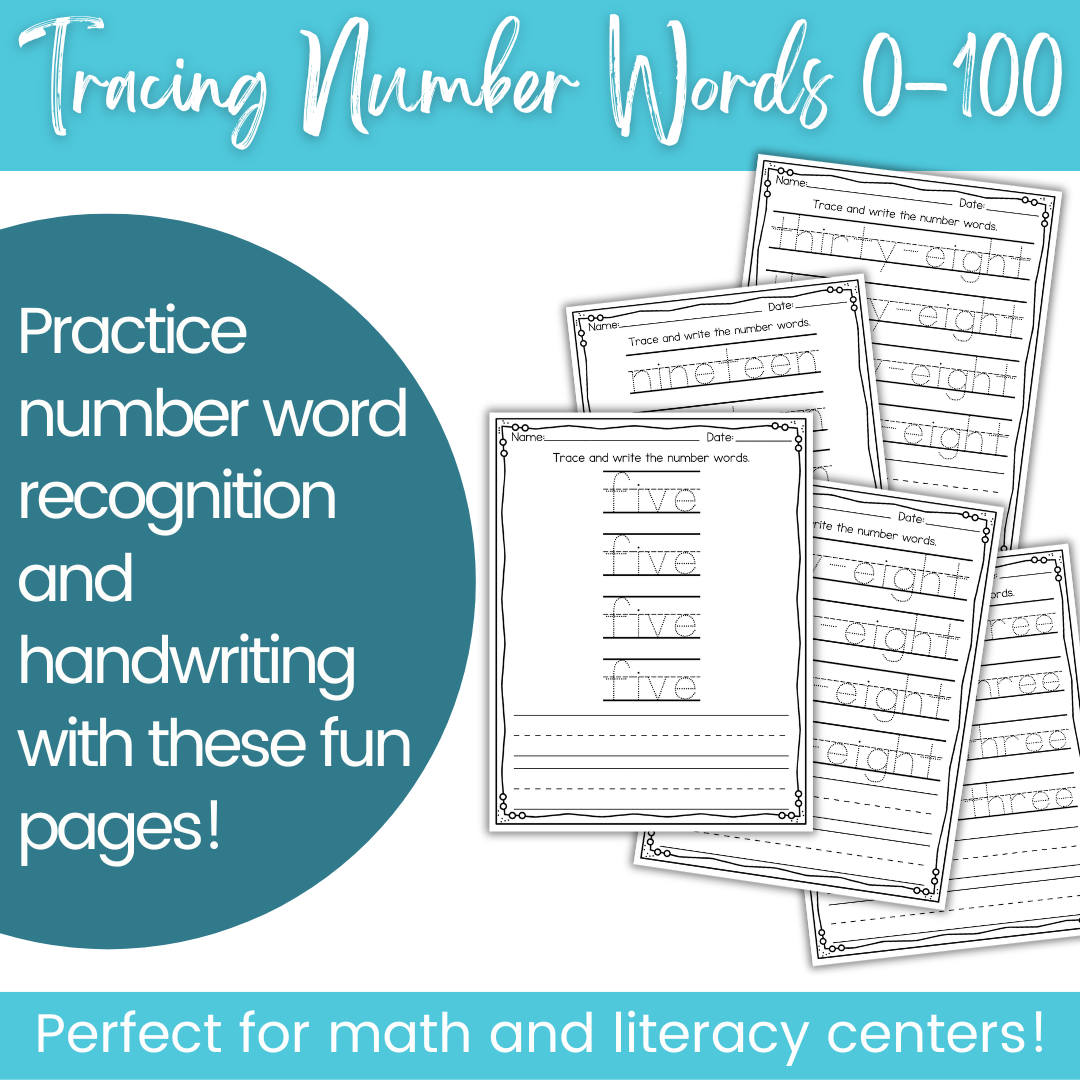
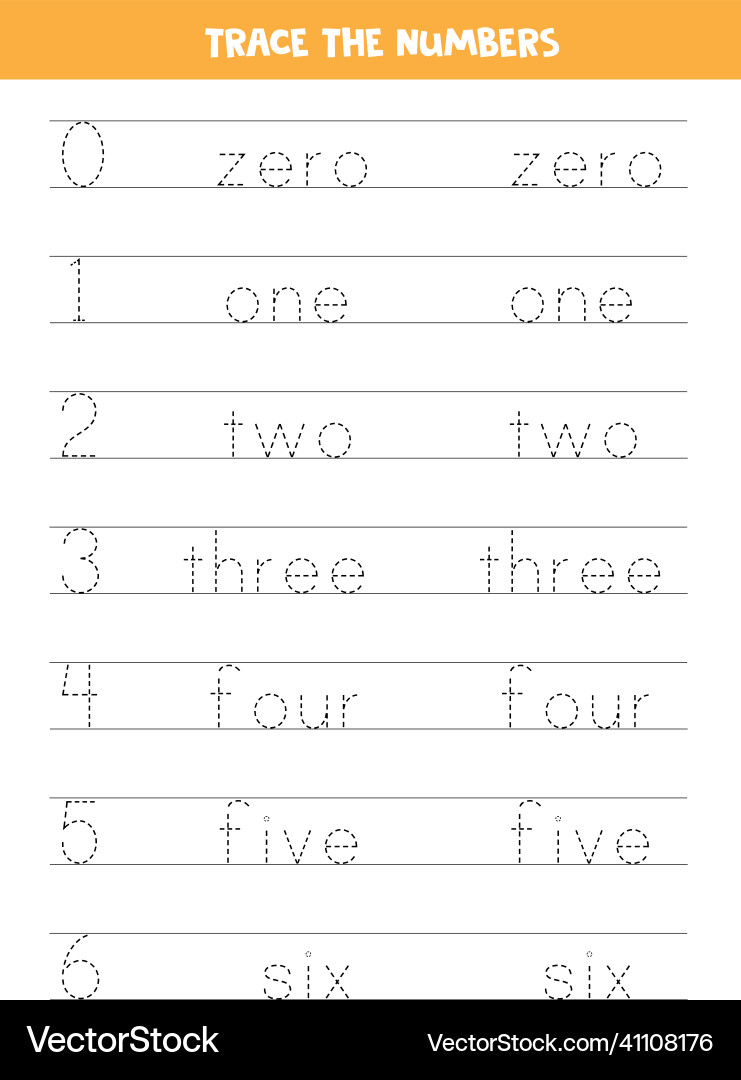
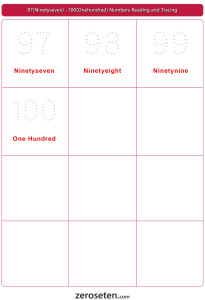
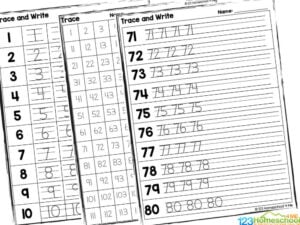
This specific printable targets the upper end of early elementary counting by focusing on numerals ninety through one hundred alongside their spelled-out word forms. Mastering this range demands precise pencil control because words like ninety-nine and one hundred involve extended letter sequences and consistent spacing. Tracing these specific number words reinforces orthographic mapping, connecting the visual appearance of a word to its spoken sound and mathematical value. Guided formation dots and directional arrows assist learners in maintaining correct stroke sequence, reducing the likelihood of letter reversals and awkward hand positioning. Exploring these advanced numerals also complements broader mathematical units, helping children bridge language arts and quantitative reasoning seamlessly. For more related activities, check out our 1-100 Number Tracing Sheet For Kids.
Key Learning Outcomes
Learners engaging with these pages build numeral and word formation mastery through repeated, low-pressure stroke execution. Hand-eye coordination improves significantly as little fingers guide writing instruments along precise dotted pathways. Letter and number spacing becomes more intuitive when children repeatedly trace multi-syllable number words within structured guidelines. Spatial orientation is strengthened as young writers navigate complex letter combinations like “seventy” or “eighty” without drifting off the baseline. Finally, foundational writing stamina grows organically, preparing small hands for longer writing tasks across the primary grade curriculum.
How to Use This Worksheet
Implementation works best when adults introduce the sheet during calm, focused periods of the daily routine. Starting with a brief review of the numbers verbally helps activate prior knowledge before the pencil touches the paper. Adults can demonstrate proper stroke sequence on a separate sheet or directly on the printable before letting the child try independently. Allowing learners to use sensory tools, such as tracing the large words with a finger first, helps build the muscle memory required for successful pencil work. Keeping sessions short and positive ensures that hand fatigue does not interfere with skill acquisition.
Practical Tips for Parents and Teachers
Encouraging an efficient tripod or quadrupod grasp prevents early hand cramping during longer spelling tasks. Adults should gently guide the writing hand to model correct starting points and downward stroke directionality whenever hesitation occurs. Scaffolding the activity by having a child complete just one row per day prevents overwhelm and maintains high engagement levels. Extending the lesson by pairing the written words with physical counting objects connects abstract symbols to concrete quantities. Praising effort and consistent line adherence rather than perfection fosters a growth mindset toward challenging writing tasks.
Age-Appropriate Recommendations
According to the National Association for the Education of Young Children (NAEYC) guidelines, children aged five to eight are developing the fine motor precision required for complex letter and numeral formations. For younger five-year-olds beginning to explore number words, adults may need to provide physical hand-over-hand assistance and thicker writing tools like short crayons. Older six to eight-year-old learners benefit from using standard pencils to refine their baseline control and letter sizing independently. This resource adapts easily to diverse skill levels, making it suitable for both kindergarten classrooms and at-home homeschooling environments. Finding the right balance of challenge keeps young learners motivated as they tackle advanced numerical vocabulary.
Young learners develop spatial awareness and pencil control faster when fine motor activities are paired with purposeful, meaningful contexts rather than isolated drills. — National Association for the Education of Young Children (NAEYC)
Frequently Asked Questions
Finding clear answers regarding implementation helps adults maximize the benefits of tracing materials.
Explore More Free Printable Tracing Worksheets
Expanding a child’s writing toolkit goes beyond advanced numbers and requires continuous practice across varied stroke patterns. Educators and parents seeking additional resources can explore targeted collections including Tracing Number exercises and broader Tracing Worksheets designed for diverse ability levels. Developing essential dexterity is also supported through specialized Fine Motor and Pre-Writing Skills packets. Discover the complete collection of learning materials by visiting KidTraces.com to support every stage of early writing development.
Developmental Milestone & Activity Table
| Development Stage | Recommended Daily Duration | Primary Learning Objective |
|---|---|---|
| Preschool & Pre-K | 10 – 15 Minutes | Pencil grip development & basic pre-stroke lines |
| Kindergarten | 15 – 20 Minutes | Letter/number formation & spatial line awareness |
| Early Elementary (Grade 1–2) | 20 – 30 Minutes | Fluency, sentence construction & neatness |
Images References