Introduction
Many young children recognize letters and numbers long before their fine motor control allows them to form those symbols on paper. According to the American Occupational Therapy Association, foundational hand strength and dexterity are essential precursors to functional handwriting and academic success. It sounds simple, and that’s the point. Bridging the gap between cognitive recognition and physical execution requires intentional, structured practice that honors how the developing hand and brain communicate. The abc and numbers trace printable serves as a reliable bridge in this developmental journey, offering structured paths that gently guide children from early visual recognition to confident pencil control. Educators and therapists constantly search for resources that support proper formation without inducing frustration, and targeted tracing pages remain a cornerstone of early childhood development for good reason. Explore more in our Tracing Number collection.
💡 Technical Key Takeaways:
- Core Focus: Diagnostic schematic and terminal connection layout for Abc And Numbers Trace Printable.
- Target Scope: Field technicians, automotive DIYers, and residential/commercial electricians.
- Safety Rule: Always disconnect the primary power source/battery terminal and verify zero voltage with a multimeter before touching wires.
What This Worksheet Covers
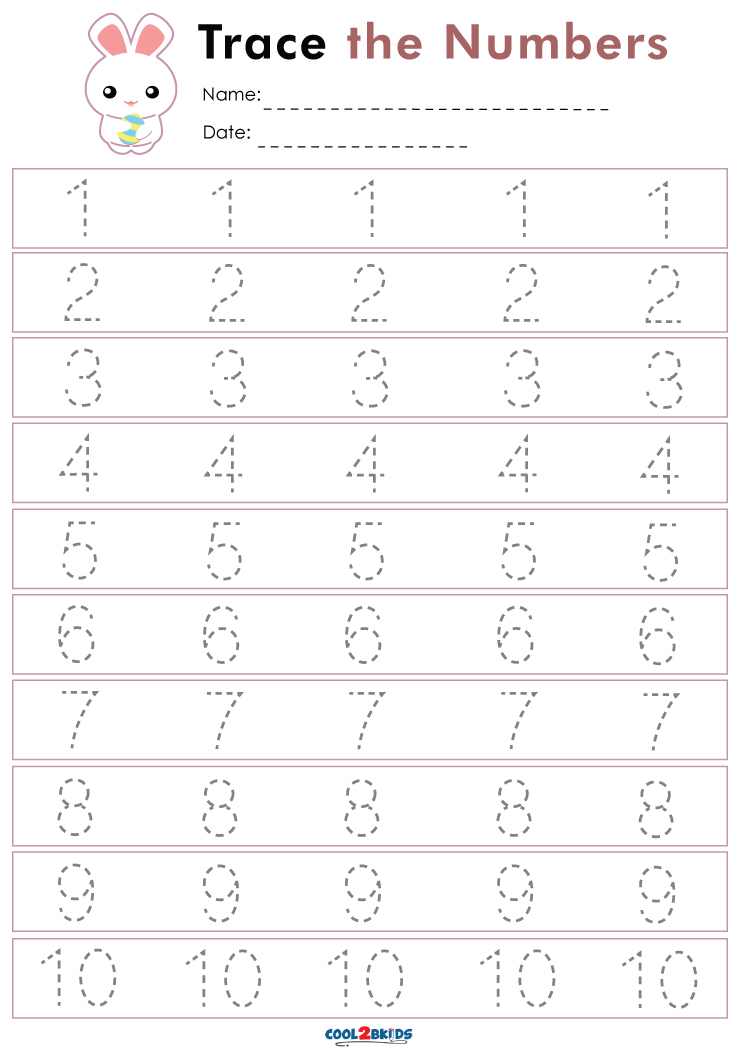
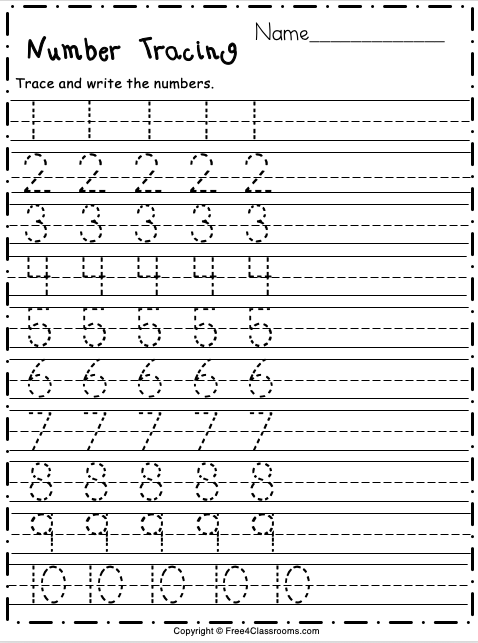
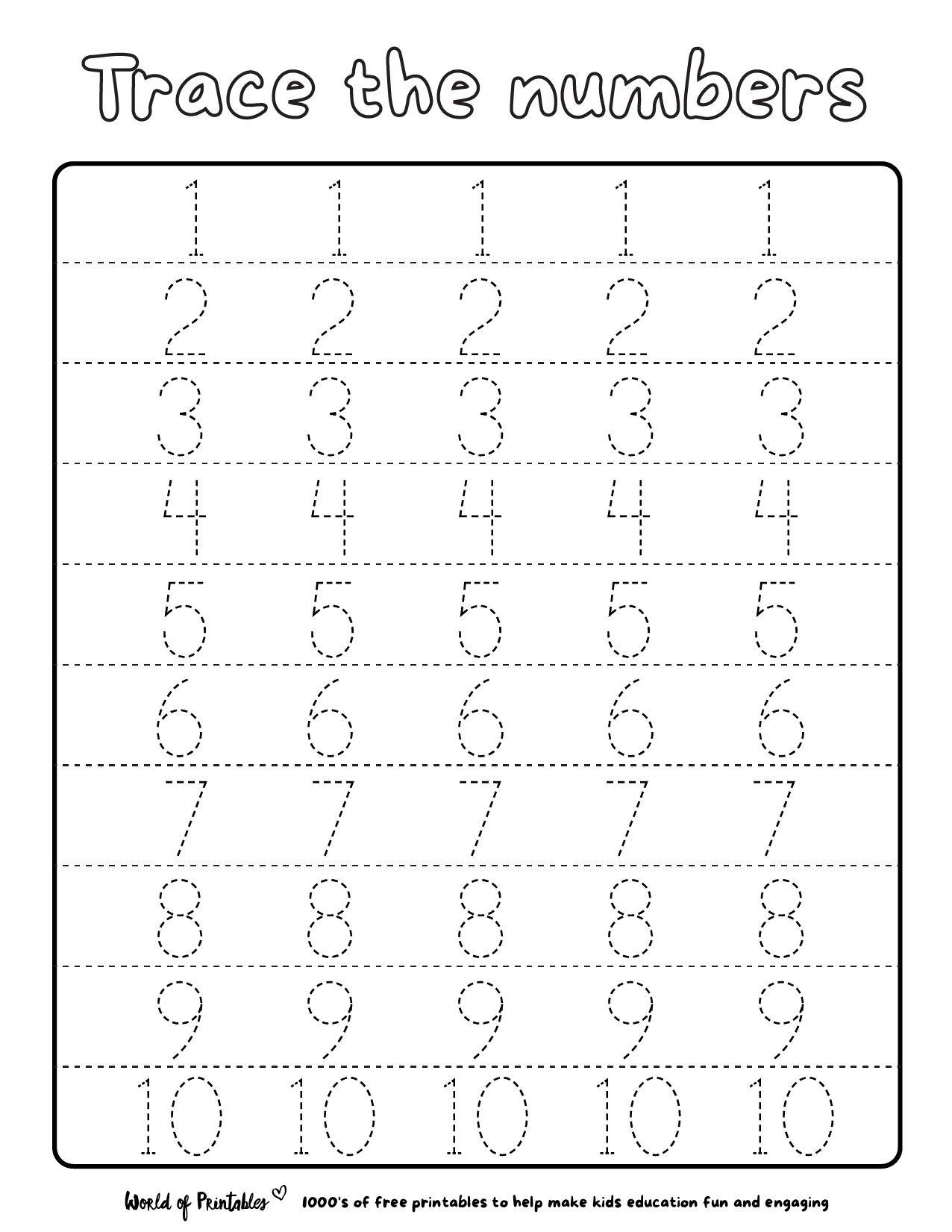
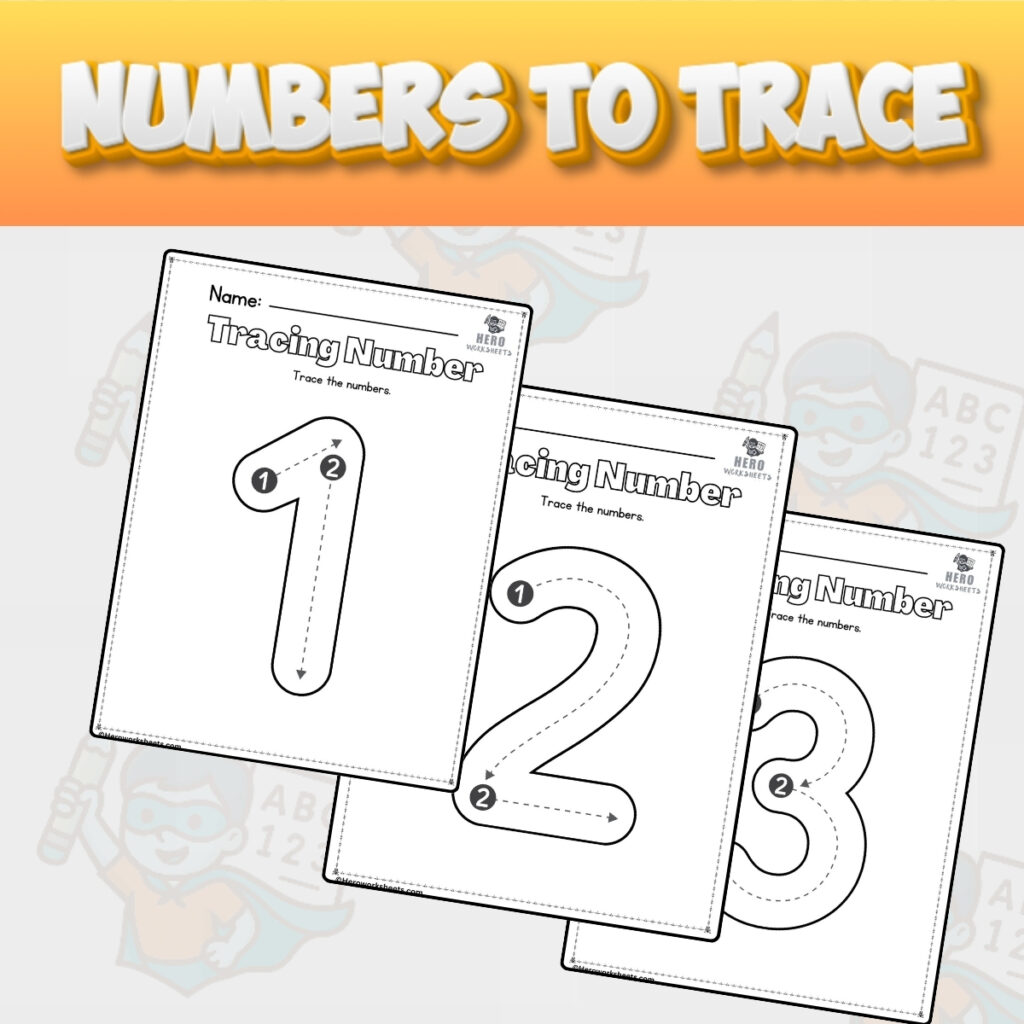
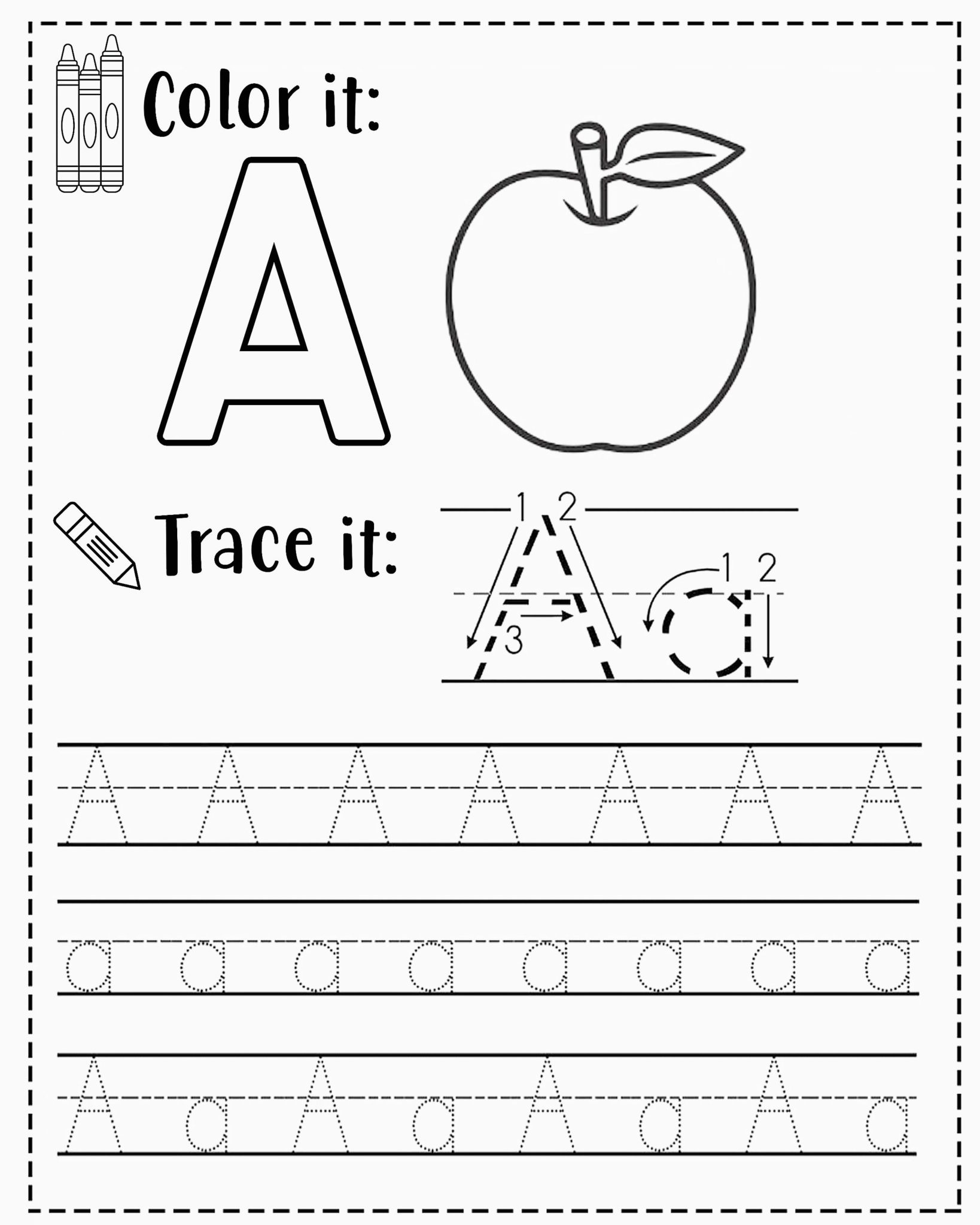
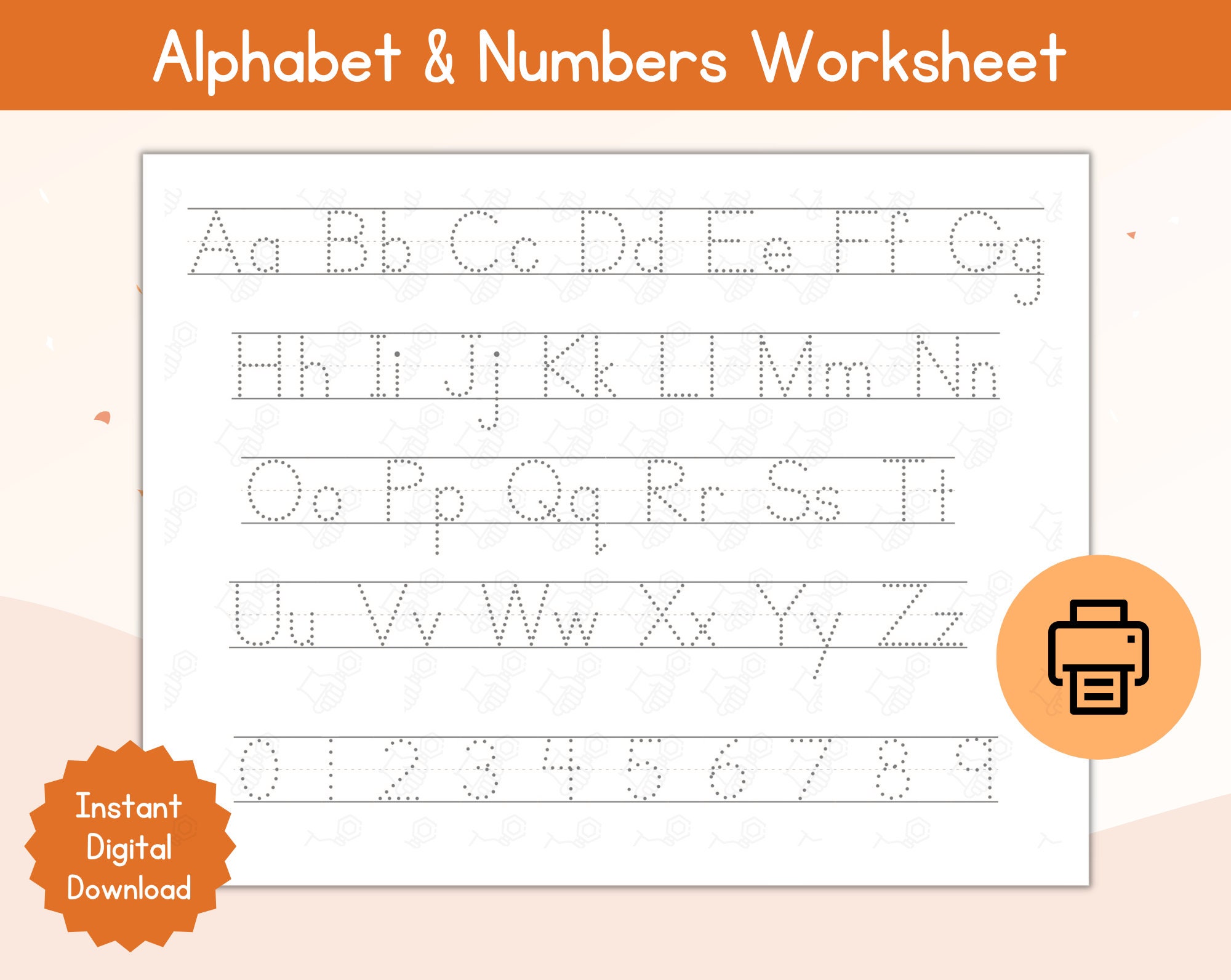
This foundational resource targets the critical mechanics of early literacy and numeracy by focusing heavily on letter and numeral formation, directional stroke order, and spatial awareness on a page. When children engage with guided worksheets, they are not merely coloring inside lines; they are training the intrinsic muscles of the hand to execute precise movements. The layout systematically introduces each letter of the alphabet alongside numbers, utilizing clear starting dots and directional arrows. Here’s what makes this worksheet different: it emphasizes the kinesthetic memory of the hand by encouraging consistent stroke patterns, which eventually transforms jerky, labored motions into fluid, automatic writing. Mastery of these early patterns directly influences a child’s writing speed and legibility later in formal schooling.
Key Learning Outcomes
Engaging consistently with these tracing sheets yields several measurable developmental milestones. Children build crucial visual-motor integration as their eyes track the pencil point along each dotted pathway. Hand strength and endurance naturally improve through sustained, controlled grasping and pressing motions required to complete the strokes. Furthermore, learners internalize correct letter and number formation habits, significantly reducing the likelihood of reversing characters like ‘b’ and ‘d’ or writing numbers from the bottom up. Recognition of letter-sound relationships and numerical sequence also solidifies as the child traces, speaks, and eventually writes each character independently. According to the National Association for the Education of Young Children, providing purposeful, hands-on writing experiences during the early years supports long-term literacy achievement and fosters positive attitudes toward academic tasks.
How to Use This Worksheet
Maximizing the benefits of this resource involves more than simply handing over a pencil and a sheet of paper. Adults should introduce the activity in a relaxed environment where mistakes are treated as normal parts of learning rather than failures. It helps to begin by having the child trace the large starter models with an index finger, air-writing the shape to engage proprioceptive feedback before touching graphite to paper. Limiting sessions to short, five-to-ten-minute bursts prevents hand fatigue and keeps enthusiasm high. When children understand the starting point and follow the designated directional arrows, they build independent habits that reduce the need for constant adult correction.
Practical Tips for Parents and Teachers
Guiding young learners requires a careful balance of modeling, scaffolding, and gentle intervention. Adults should closely monitor pencil grip, encouraging a functional tripod grasp that utilizes the thumb, index, and middle fingers while the ring and pinky fingers rest comfortably against the palm. For children who struggle with standard writing utensils, breaking crayons in half or utilizing short golf pencils naturally promotes a mature grasp by preventing fist-clenching. Scaffolding the activity means initially guiding the child’s hand through the first few strokes before slowly fading assistance as confidence grows. To extend the learning beyond the paper, adults can encourage children to form the letters using playdough, trace them in salt trays, or find the target letters in storybooks.
Age-Appropriate Recommendations
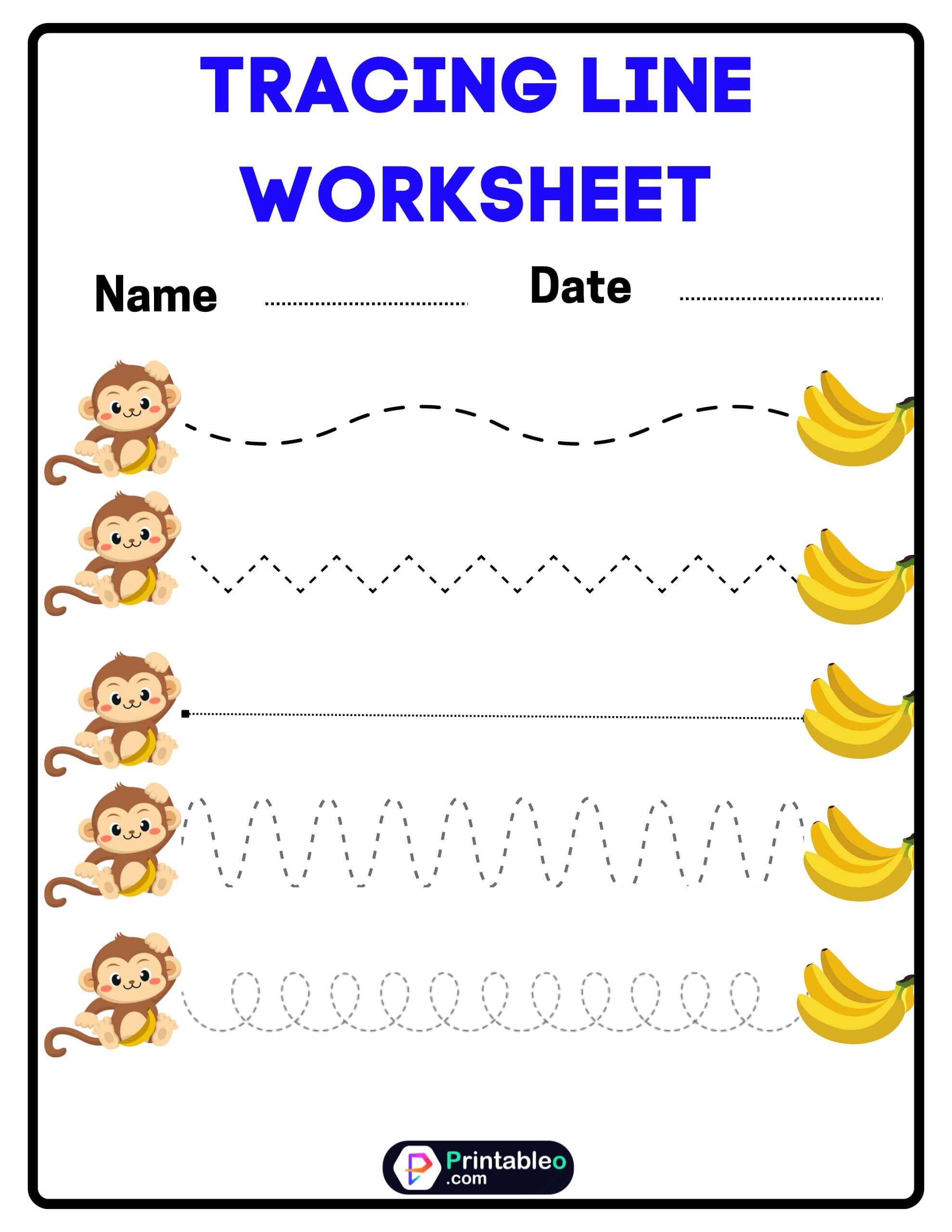
Developmental readiness dictates how children interact with tracing materials across the early childhood span, aligning closely with the framework outlined in the Handwriting Without Tears curriculum. For two-to-four-year-olds, the primary objective is exploring lines, curves, and basic pre-writing strokes found in the Shape and Line Tracing collection rather than mastering formal letter formation. At this stage, gross motor movements of the shoulder and elbow dominate, and large, chunky writing tools work best. Children aged five to eight, operating within the kindergarten and early elementary windows, possess the distal finger control necessary to refine their pencil grip and focus on specific stroke sequences. For this older group, structured practice found within resources like Alphabet And Numbers Tracing helps solidify automatic letter production, making the transition to independent lined paper smooth and frustration-free.
Proficiency in early fine motor tasks and pencil control is directly correlated with improved legibility and sustained writing endurance in primary school grades. — American Occupational Therapy Association
Frequently Asked Questions
Clear guidance on implementing these tracing materials helps adults create effective learning routines at home and in the classroom. The answers below address common questions regarding access, developmental benefits, and professional standards.
Targeted tracing practice strengthens intrinsic hand muscles, improves visual-motor integration, and establishes crucial muscle memory for letter and number formation. — National Association for the Education of Young Children
Explore More Free Printable Tracing Worksheets
Supporting a child’s developmental journey requires a diverse array of engaging, high-quality resources that grow alongside their expanding skill set. Beyond foundational alphabet sheets, learners benefit from exploring specialized collections that target specific fine motor milestones, such as the guided pathways in Dotted Letters For Tracing or the targeted dexterity exercises housed within Fine Motor and Pre-Writing Skills. Educators and parents can also incorporate engaging seasonal designs to maintain high motivation levels throughout the academic year. To discover hundreds of additional activities tailored to every stage of early writing development, browse the complete library at KidTraces.com today.
Quick Wiring Specifications & Terminal Guide
| Component / Circuit | Standard Wire Gauge | Recommended Protection |
|---|---|---|
| Control & Trigger Signals | 18 – 20 AWG | 5A – 7.5A Inline Fuse |
| Standard Auxiliary Load | 14 – 16 AWG | 15A – 20A Circuit Breaker |
| Main Power Feed / Supply | 10 – 12 AWG | 30A – 40A Heavy-Duty Relay |
Images References