Introduction
Many young children recognize letters and numbers long before their fine motor control and hand strength allow them to form those same characters on paper. According to the American Occupational Therapy Association, foundational hand skills, intrinsic muscle strength, and bilateral coordination must develop concurrently to support functional handwriting. Translating visual recognition into physical execution requires explicit instruction on stroke sequence and directionality. This is where targeted tracing resources transform early literacy instruction. The free printable tracing with number cues bridges the gap between visual symbols and muscle memory by showing children exactly where to start and which direction to travel.
💡 Educational Key Takeaways:
- Core Skill: Structured Tracing With Number Cues focused on developing pencil grip, stroke control, and early literacy/math confidence.
- Target Scope: Suited for homeschoolers, preschool, kindergarten, and elementary learners.
- Best Recommendation: Practice 10–15 minutes daily with ergonomic writing tools to reinforce muscle memory without hand fatigue.
What This Worksheet Covers
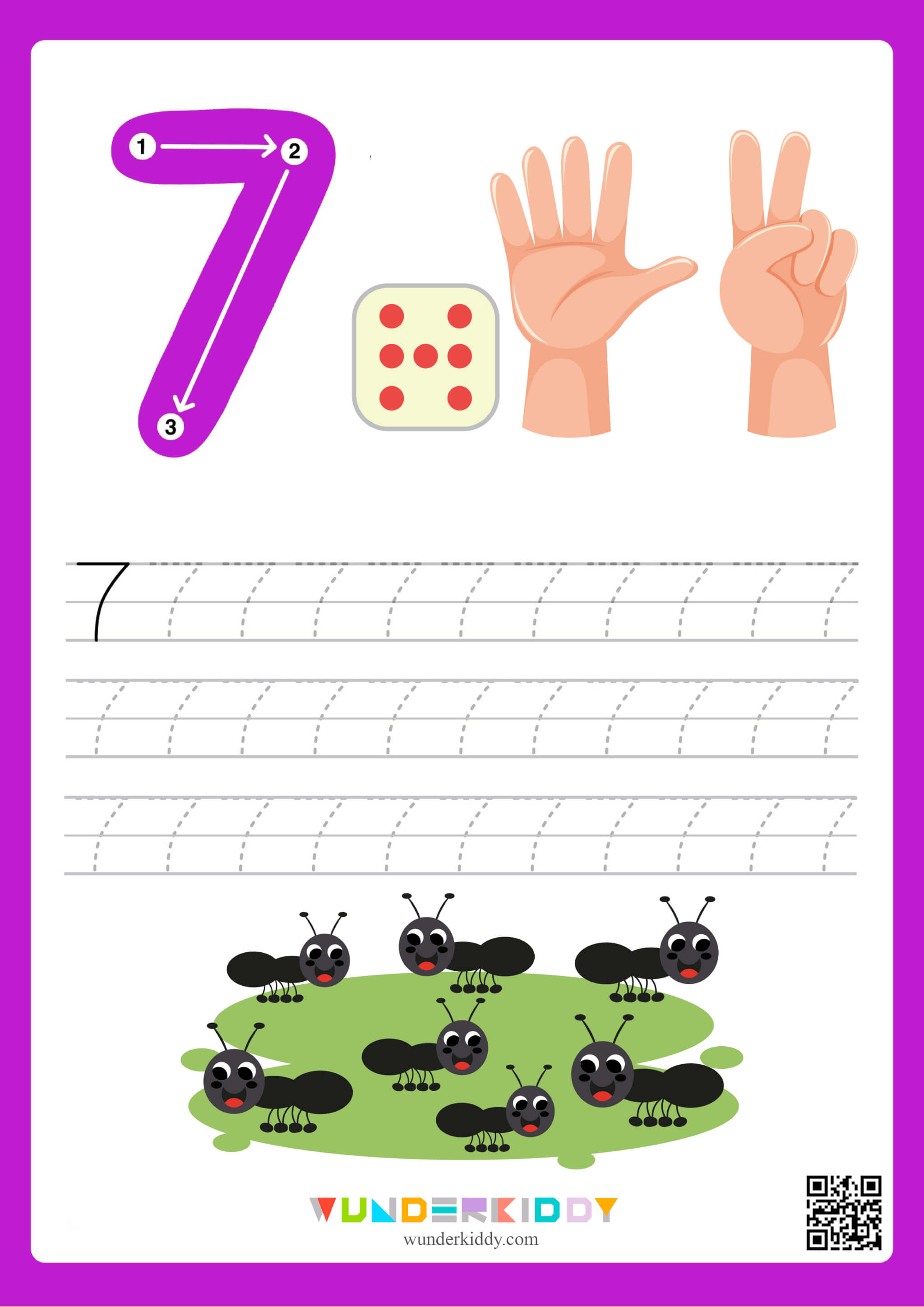
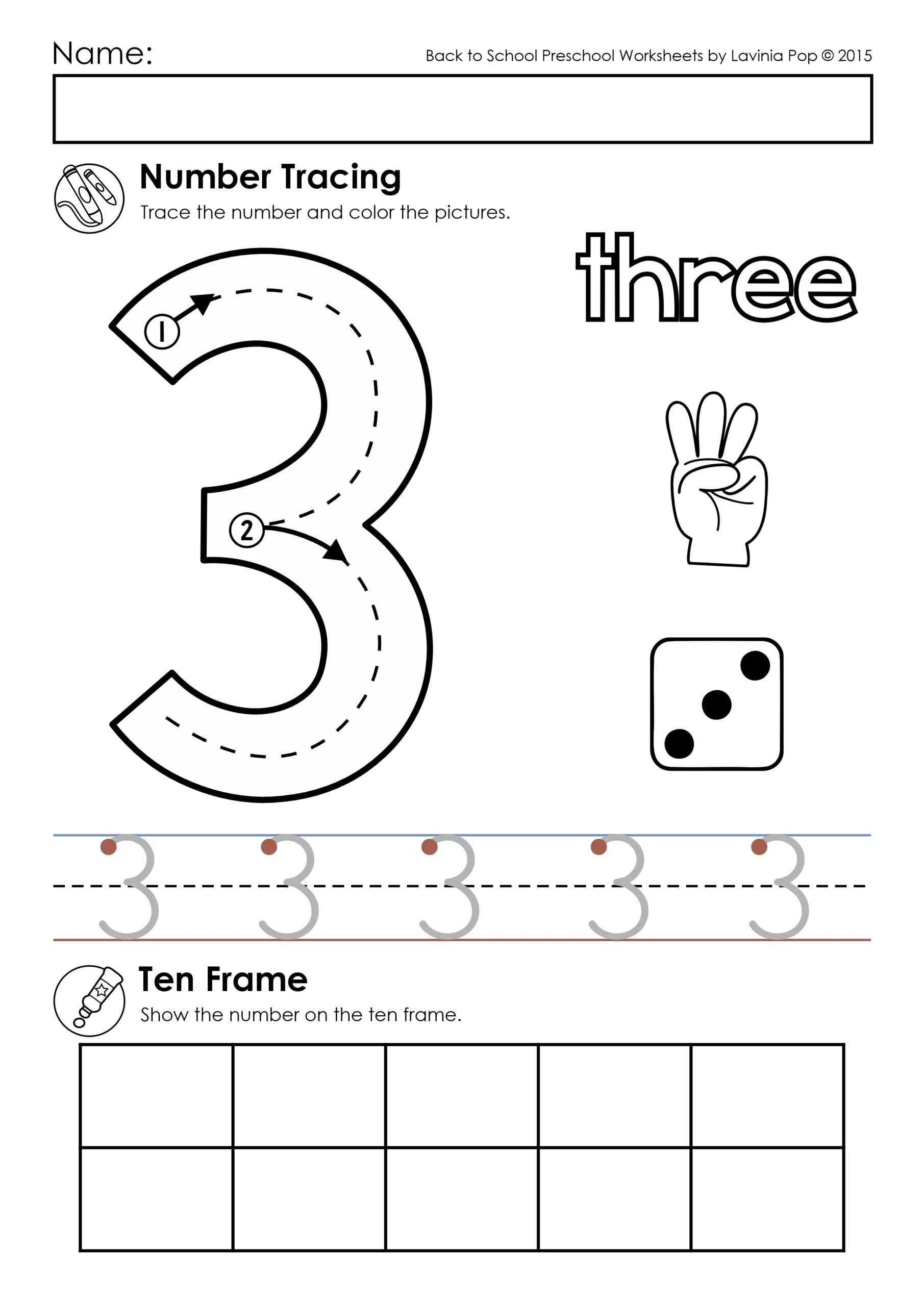
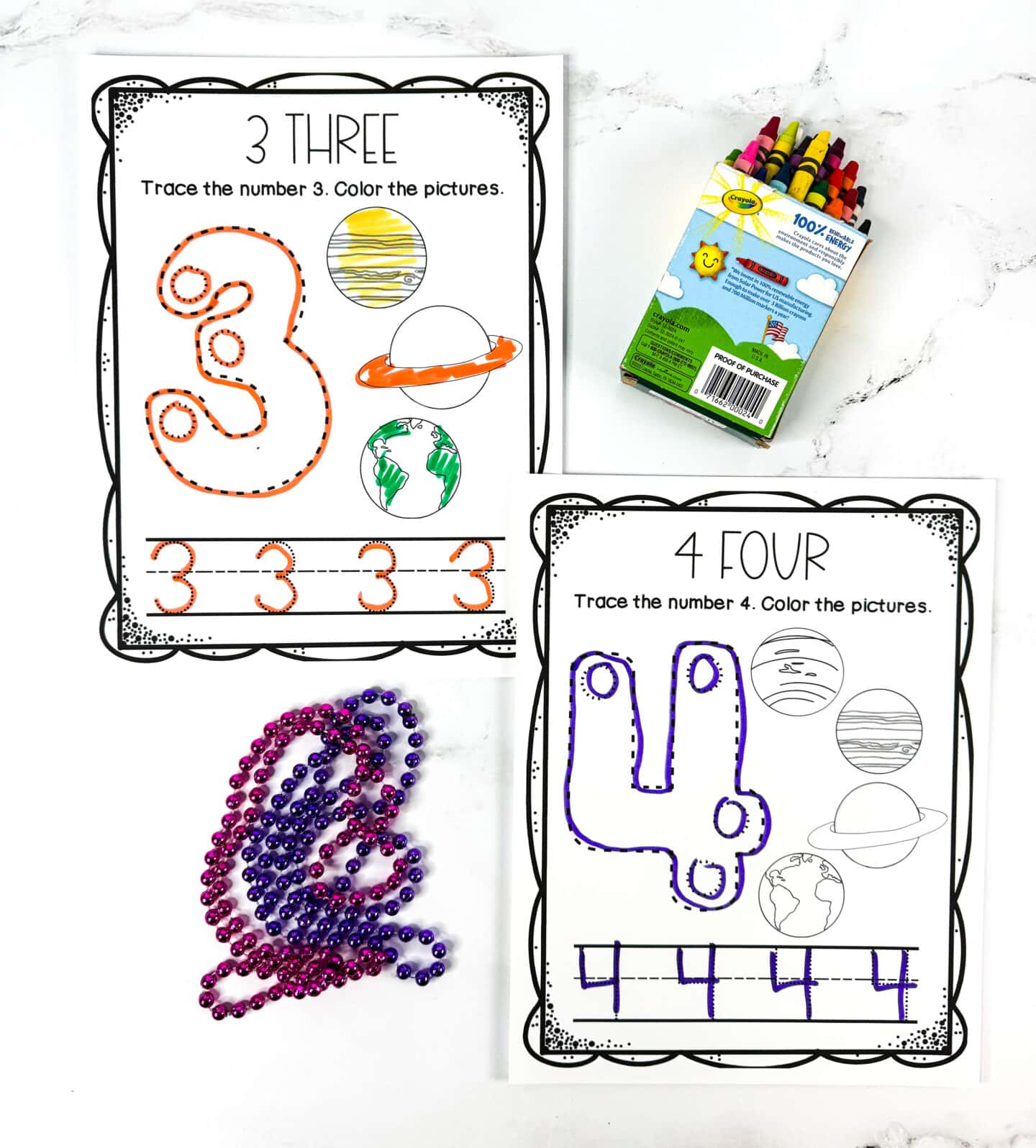
Mastering pencil control is not merely about keeping a crayon inside the lines; it is a complex orchestration of visual-motor integration, spatial awareness, and postural stability. This specific resource focuses on breaking down complex letter and numeral formations into numbered, sequential steps that guide the hand naturally. Instead of encouraging erratic scribbling or bottom-up strokes that impede future writing speed, the numbered cues establish proper motor habits from the very first stroke. Children learn to approach each character systematically, reinforcing cognitive understanding alongside physical execution. For more related activities, check out our Tracing Number 1 Ton100.
Key Learning Outcomes
Working through these guided exercises helps children internalize correct stroke order, which dramatically reduces letter reversals and hand fatigue as writing demands increase in later grades. Learners develop enhanced spatial orientation by navigating starting points and stopping points on the page. Hand-eye coordination improves organically as small hand muscles coordinate visual input with precise pencil movements. Additionally, completing these structured sequences builds crucial sustained attention and task persistence, preparing young learners for longer writing sessions across various subjects.
How to Use This Worksheet
Successful implementation requires setting up an environment that encourages relaxed, functional positioning before the pencil ever touches the page. Feet should rest flat on the floor, hips and knees bent at ninety degrees, and the non-dominant hand should stabilize the paper. Adults can introduce the resource by pointing to the number one and tracing the path in the air together before putting pencil to paper. It sounds simple, and that is the point. Multi-sensory preparation anchors the visual cue in the child’s physical awareness before fine motor output begins.
Practical Tips for Parents and Teachers
Observe how the child holds the writing utensil, aiming for an efficient tripod or quadrupod grasp rather than a tight fist that causes early hand cramping. Scaffolding is essential when introducing new stroke patterns; adults can initially hand-over-hand guide the movement for the first few repetitions before fading assistance. For children who rush through the numbered steps, try slipping the worksheet into a dry-erase sleeve and using colorful markers to make the sequential process feel more like a game. Always prioritize smooth, continuous lines over rigid perfection, celebrating every small improvement in directional flow.
Age-Appropriate Recommendations
For toddlers and preschoolers ages two to four, the focus remains on gross motor warm-ups, finger isolation, and exploring vertical surfaces to build shoulder stability, aligning with the National Association for the Education of Young Children Developmentally Appropriate Practice guidelines. Children in the five-to-eight age range transition to seated desk work, refining pencil pressure, letter sizing, and automaticity using structured resources found within the broader Alphabet And Numbers Tracing collection. Supporting this progression ensures that foundational pre-writing skills expand into legible, efficient handwriting without unnecessary physical strain or frustration.
Foundational fine motor skills, including in-hand manipulation and proximal stability, are primary predictors of early academic success and legible handwriting development. — American Occupational Therapy Association
Frequently Asked Questions
Navigating early writing development often brings up practical questions regarding print setup, physical readiness, and skill sequencing. The answers below provide direct, research-backed guidance for adults supporting young learners.
Systematic instruction in letter formation and phonological awareness significantly accelerates early reading and writing acquisition in kindergarten classrooms. — Reading Rockets
Explore More Free Printable Tracing Worksheets
Expanding a child’s pencil control repertoire requires variety to prevent boredom and target different developmental domains. Exploring related categories such as Fine Motor and Pre-Writing Skills helps strengthen the intrinsic hand muscles needed for sustained writing endurance. For children working on spatial boundaries, the Shape and Line Tracing pages offer foundational control practice. When children are ready to transition from lines to letters, the Dotted Letters For Tracing collection provides scaffolded letter practice. Adults seeking targeted numeric practice can also explore the dedicated Tracing Number resources. Discover the entire collection of learning tools by visiting KidTraces.com to find supportive printables for every stage of development.
Developmental Milestone & Activity Table
| Development Stage | Recommended Daily Duration | Primary Learning Objective |
|---|---|---|
| Preschool & Pre-K | 10 – 15 Minutes | Pencil grip development & basic pre-stroke lines |
| Kindergarten | 15 – 20 Minutes | Letter/number formation & spatial line awareness |
| Early Elementary (Grade 1–2) | 20 – 30 Minutes | Fluency, sentence construction & neatness |
Images References