Introduction
Many children recognize letters and numbers long before their fine motor skills can actually form them on paper. This common disconnect often frustrates early learners when pencil meets page. According to the American Occupational Therapy Association, foundational hand strength and bilateral coordination must develop before children can master formal handwriting tasks. Free printable kids number and alphabet tracing sheets bridge this exact gap by offering guided practice that aligns physical capability with cognitive readiness. Tracing transforms abstract symbols into tangible pathways, helping young hands build the muscle memory required for confident, legible writing.
💡 Educational Key Takeaways:
- Core Skill: Structured Kids Number And Alphabet Tracing focused on developing pencil grip, stroke control, and early literacy/math confidence.
- Target Scope: Suited for homeschoolers, preschool, kindergarten, and elementary learners.
- Best Recommendation: Practice 10–15 minutes daily with ergonomic writing tools to reinforce muscle memory without hand fatigue.
What This Worksheet Covers
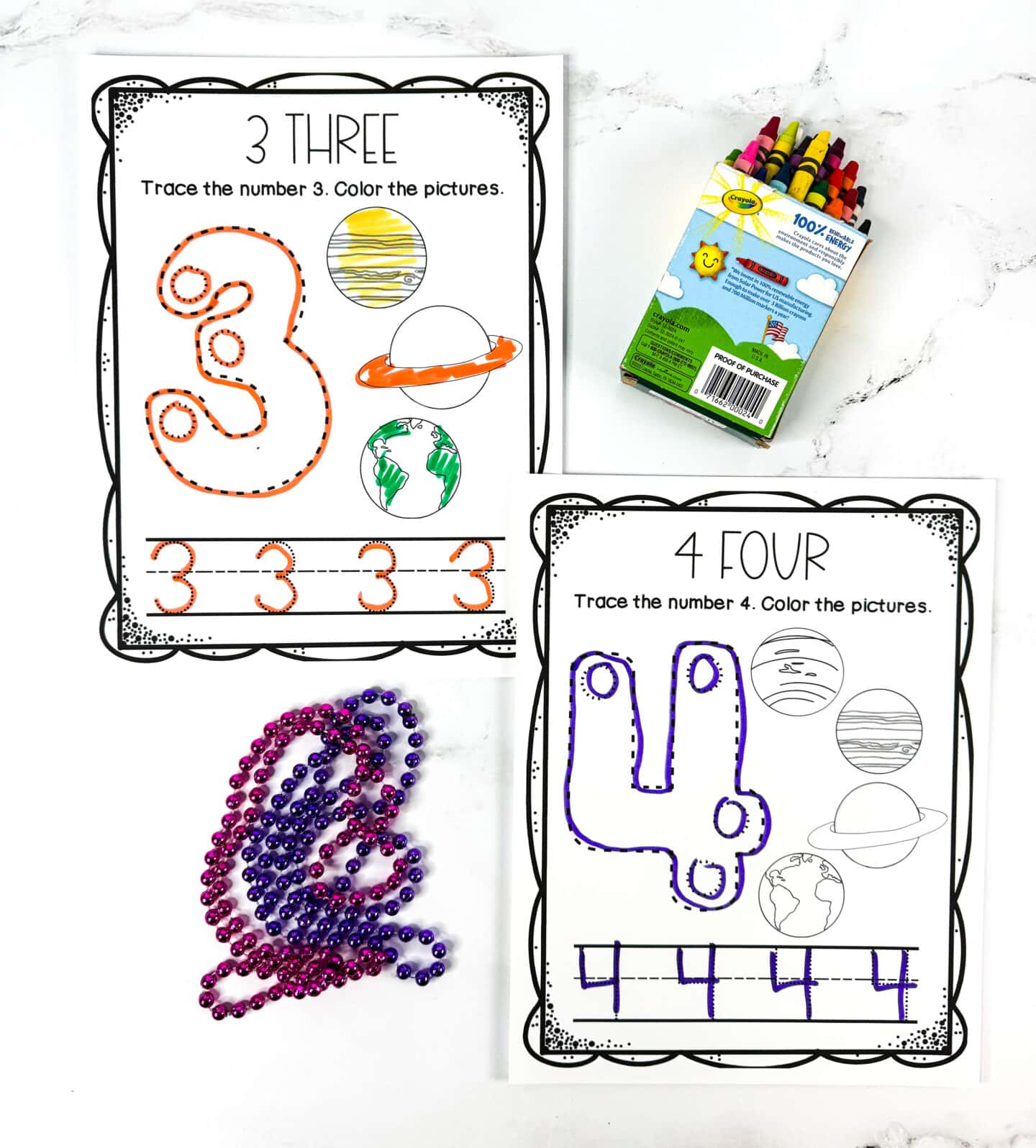
Mastering letter and numeral formation requires more than just random doodling. These printable resources target stroke order, directional awareness, and spatial orientation through structured repetition. Every page guides the learner from a clear starting dot to a natural endpoint, ensuring correct formation habits take root from the very first stroke. The layout systematically moves from basic vertical and horizontal lines into complex curved loops and intersecting angles. It sounds simple, and that is the exact point. By breaking down complex symbols into manageable strokes, young learners experience early success without feeling overwhelmed by the entire alphabet or numerical sequence.
Key Learning Outcomes
Working consistently through these pages fosters several critical developmental milestones. Learners internalize directional consistency, moving naturally from left to right and top to bottom across the page. Hand-eye coordination improves dramatically as pencils stay anchored to dotted paths rather than wandering across blank space. Finger dexterity and intrinsic hand muscle strength increase through sustained, controlled writing tool manipulation. Finally, visual-spatial awareness deepens as children learn to fit letters and numbers neatly within designated baseline boundaries.
How to Use This Worksheet
Implementation requires a balance of structure and gentle encouragement to keep frustration at bay. Setting up a proper ergonomic environment makes a massive difference in how long a child stays engaged. Ensure the workspace features a chair and table height where feet rest flat on the floor and elbows bend at a comfortable ninety-degree angle. Encourage a functional grasp, such as a tripod or quadripod hold, but avoid rigid enforcement that causes hand cramping. Short, frequent sessions lasting just five to ten minutes yield far better results than exhausting marathon writing drills.
Practical Tips for Parents and Teachers
Here’s what makes this worksheet different: it supports multi-sensory learning before the pencil even touches the paper. Adults can model correct stroke order aloud while tracing the lines with a finger, letting the child imitate the physical motion in the air or over a textured surface. Scaffolding the activity is essential for struggling learners, so consider placing transparent plastic sheets over the printables for dry-erase marker practice before transitioning to permanent pencils. When a child masters basic lines, extend the challenge by asking them to identify objects in the room that match the shape or letter currently being traced.
Age-Appropriate Recommendations
Developmental expectations must shift according to the age and physical maturity of the learner. According to the National Association for the Education of Young Children Developmentally Appropriate Practice guidelines, two-to-four-year-olds benefit most from large, gross-motor pre-writing strokes, thick writing tools, and open-ended Shape and Line Tracing to build foundational shoulder and wrist stability. Children aged five to eight are ready for more refined pencil control, focusing on specific letter and number formation found within structured Alphabet And Numbers Tracing packets. During these early elementary years, consistent practice reinforces proper alignment, sizing, and spacing required for academic writing fluency.
Foundational hand strength and bilateral coordination must develop before children can master formal handwriting tasks — American Occupational Therapy Association (AOTA)
Frequently Asked Questions
Navigating early handwriting instruction brings up many practical questions for educators and families alike. The following answers address the most common inquiries regarding printable tracing resources, fine motor development, and age-appropriate learning strategies.
Explore More Free Printable Tracing Worksheets
Expanding a young learner’s toolkit involves exploring a wide variety of engaging practice materials. Additional targeted resources like Dotted Letters For Tracing help refine precision, while playful pages found in Seasonal and Fun Themes maintain high engagement during different times of the year. Discovering the complete collection of free resources across every developmental category is easy by visiting KidTraces.com today.
Developmental Milestone & Activity Table
| Development Stage | Recommended Daily Duration | Primary Learning Objective |
|---|---|---|
| Preschool & Pre-K | 10 – 15 Minutes | Pencil grip development & basic pre-stroke lines |
| Kindergarten | 15 – 20 Minutes | Letter/number formation & spatial line awareness |
| Early Elementary (Grade 1–2) | 20 – 30 Minutes | Fluency, sentence construction & neatness |
Images References