Introduction
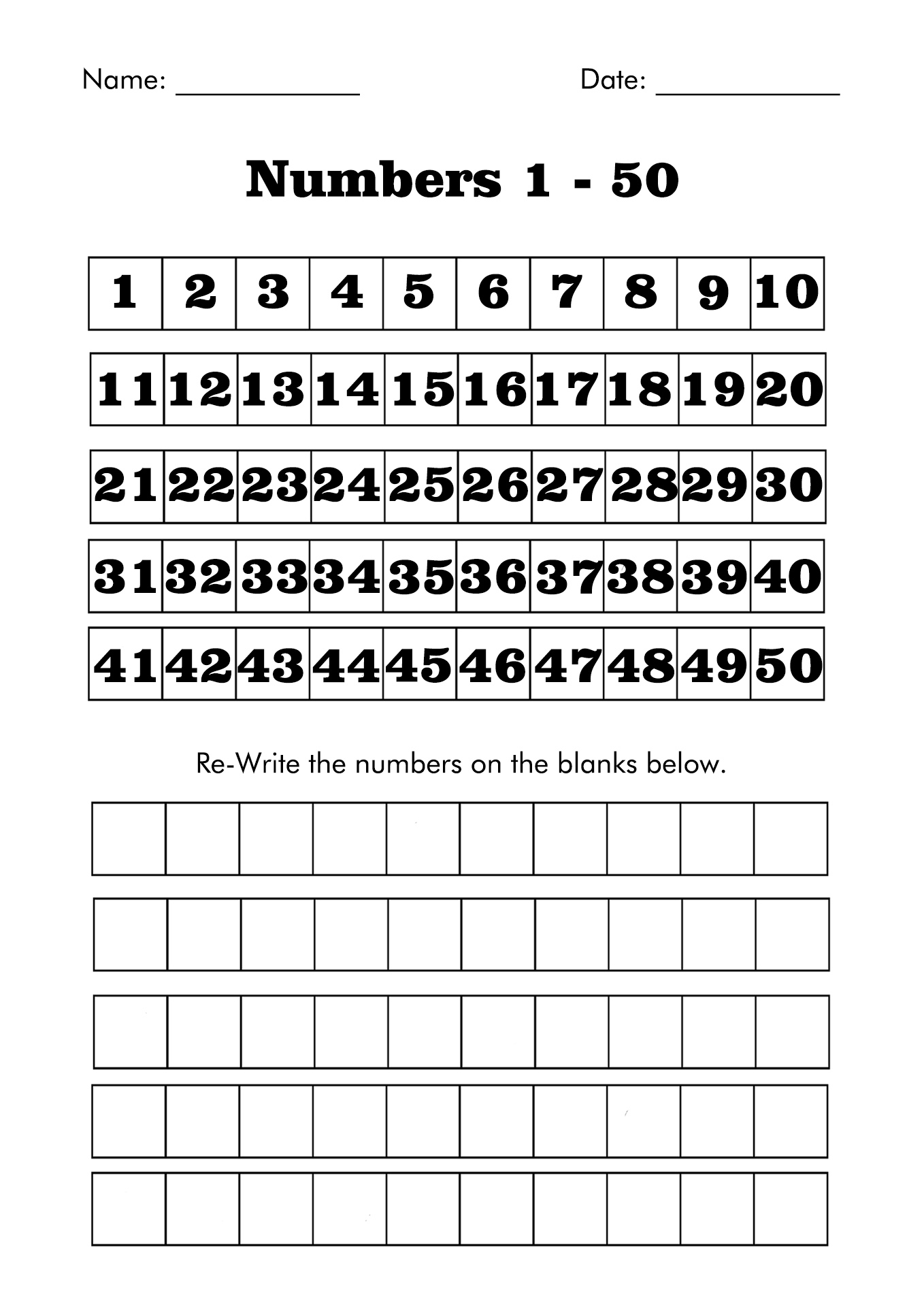
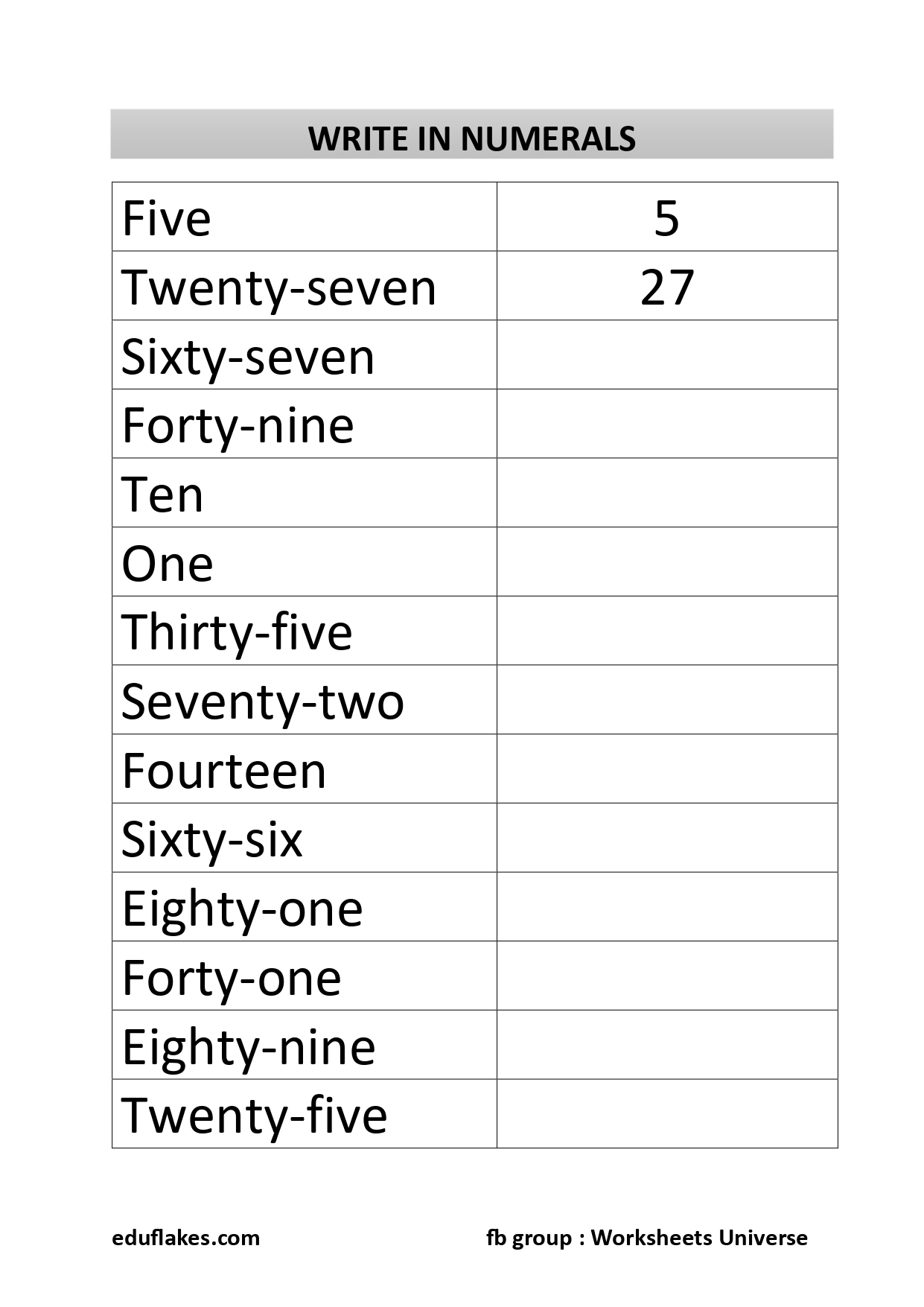
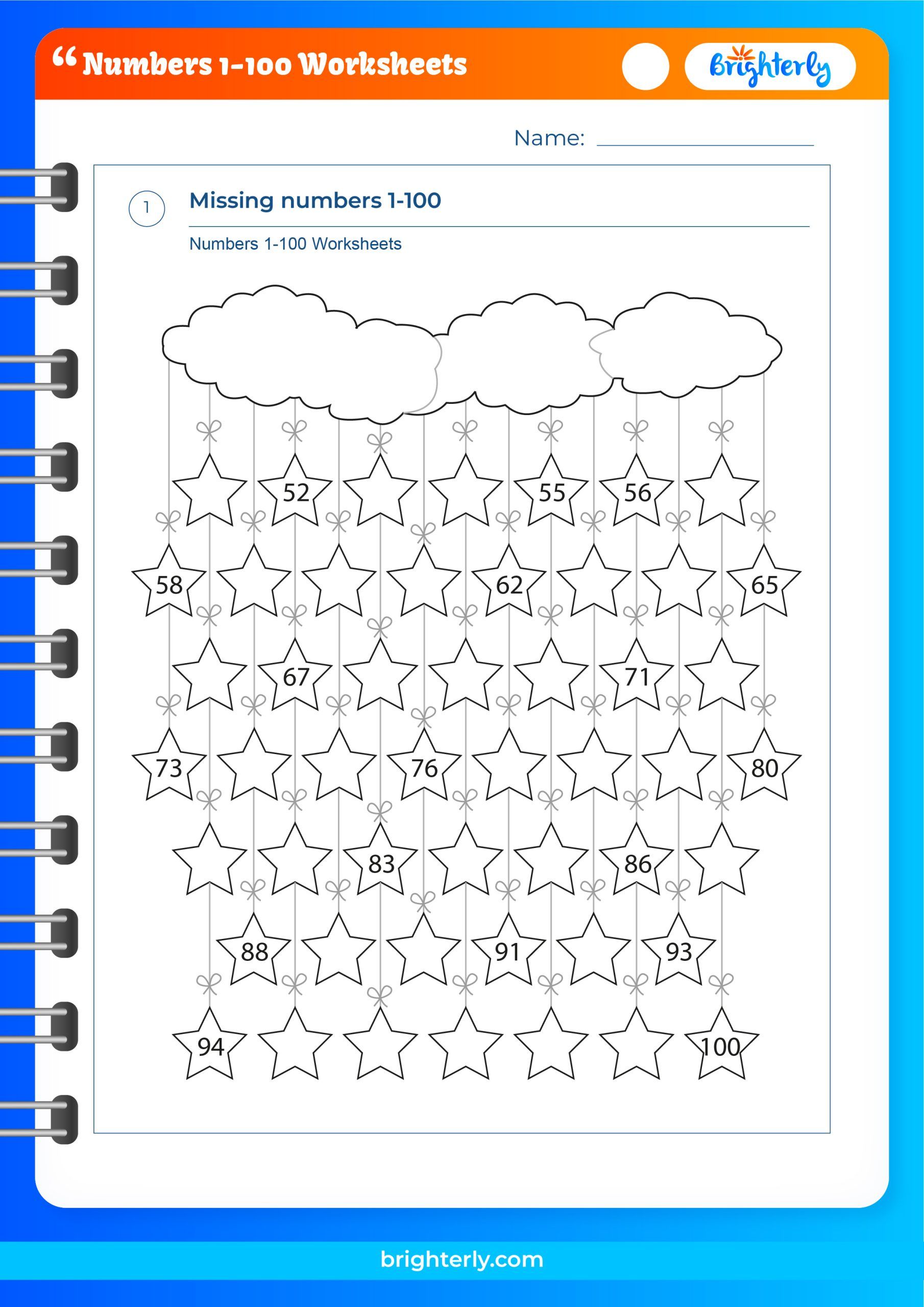
Many young children possess a strong cognitive grasp of counting long before their tiny hands can coordinate the intricate movements required to write digits on paper. According to the National Association for the Education of Young Children, purposeful early writing experiences help bridge this gap by connecting cognitive number recognition with physical hand control. Structured resources like the technical drawings with numbers and numbers worksheet grade 1 1 50 printable turn abstract mathematical concepts into tactile experiences. Children build essential pencil control while counting and tracing their way up to fifty.
💡 Educational Key Takeaways:
- Core Skill: Structured Technical Drawings With Numbers And Numbers Worksheet Grade 1 1 50 Printable focused on developing pencil grip, stroke control, and early literacy/math confidence.
- Target Scope: Suited for homeschoolers, preschool, kindergarten, and elementary learners.
- Best Recommendation: Practice 10–15 minutes daily with ergonomic writing tools to reinforce muscle memory without hand fatigue.
What This Worksheet Covers
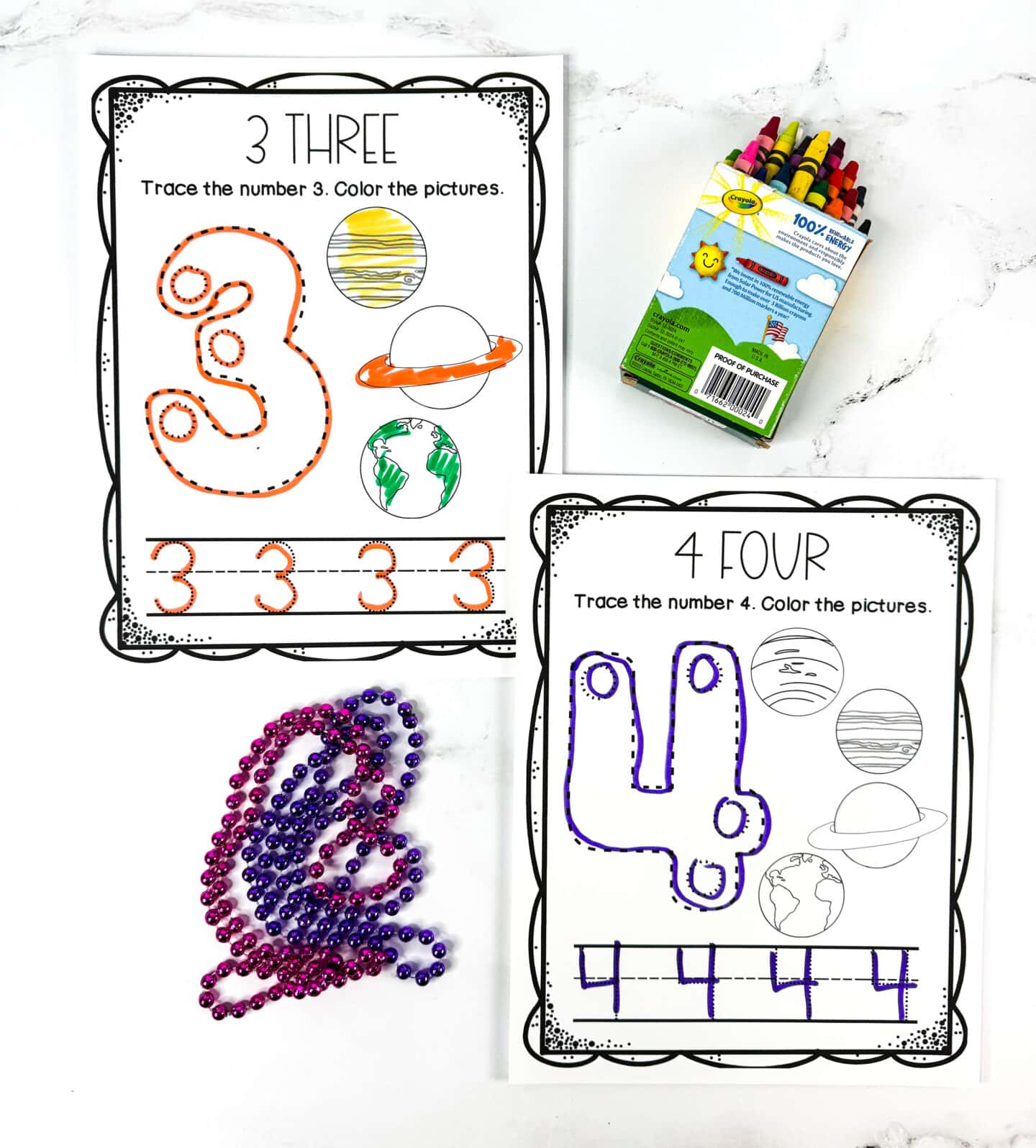
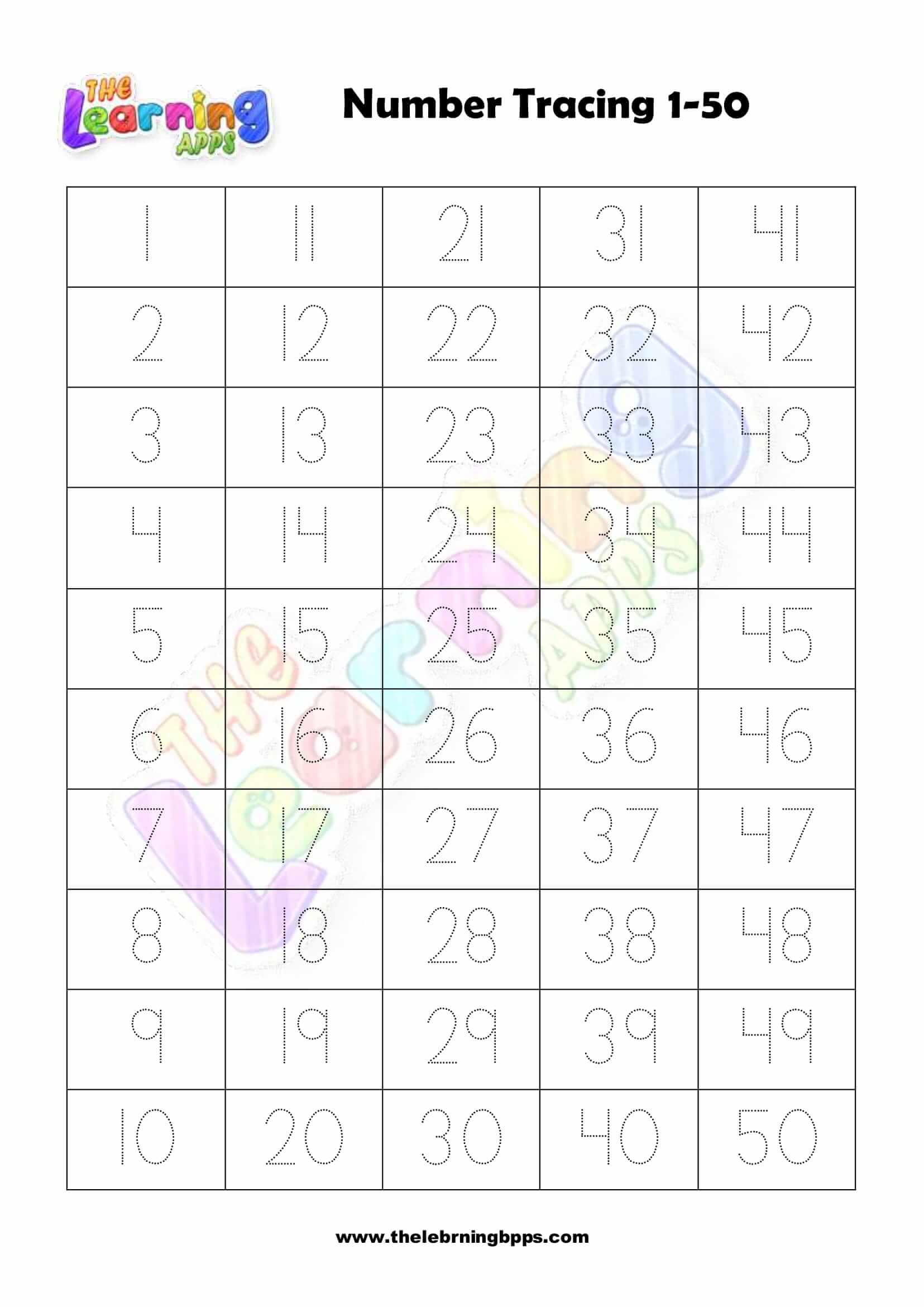
This comprehensive resource merges structured technical line-art drawings with sequential number tracing spanning from one to fifty. Each page is meticulously designed to guide young learners through accurate numeral formation, directional stroke sequencing, and spatial organization. The inclusion of technical drawings provides a motivating visual context, transforming repetitive practice into an engaging journey of discovery. By pairing visual illustrations with continuous number tracking, the material reinforces counting fluency simultaneously with fine motor precision. It sounds simple, and that is precisely the point. Removing visual clutter allows children to focus entirely on the physical mechanics of writing numbers correctly. Exploring a wider variety of these resources becomes easy when visiting the Tracing Number section, which houses targeted exercises for foundational mathematics. Educators frequently observe that steady exposure to structured layout sheets builds the hand stamina needed for longer writing sessions across all subjects.
Key Learning Outcomes
Targeted engagement with these numerical templates fosters several critical developmental milestones in early childhood. Learners master correct stroke order and directional formation for digits one through fifty, which reduces the formation of letter or number reversals over time. Hand-eye coordination improves dramatically as pencils follow precise dotted lines across varied geometric and technical pathways. Spatial awareness develops organically because children must manage sizing, alignment, and spacing within defined grid lines. Furthermore, tactile repetition strengthens intrinsic hand muscles, paving the way for more fluid handwriting abilities detailed further within Fine Motor and Pre-Writing Skills collections.
How to Use This Worksheet
Implementation requires a balance of clear expectations and gentle, supportive guidance to keep frustration at bay during extended writing tasks. Begin by introducing the sheet in a quiet, well-lit workspace with an appropriate child-sized table and chair that promotes stable posture. Invite the child to count the technical drawings aloud before picking up a writing utensil, anchoring the abstract numeral to a concrete quantity. Encourage steady pacing rather than rushing through fifty numbers in a single sitting, as hand fatigue can quickly compromise pencil grip and form. Additional layout variations and specialized formatting options can also be found by browsing through the broader Tracing Worksheets archive.
Practical Tips for Parents and Teachers
Adults play a vital role in scaffolding these early handwriting sessions by monitoring hand posture and modeling proper pencil mechanics closely. If a tight fist or awkward finger wrap appears, gently swap the standard pencil for a shorter golf pencil or crayon to encourage a natural tripod grasp. Guide the child’s hand physically through the first few tricky number formations, gradually fading support as confidence grows. Praise specific improvements in line control rather than just the final product, reinforcing the value of effort and deliberate practice. When learners need a change of pace from traditional grids, shifting to creative layouts found under Seasonal and Fun Themes maintains high engagement.
Age-Appropriate Recommendations
Aligning expectations with developmental readiness ensures that children experience success rather than undue frustration with numbers. According to the Centers for Disease Control and Prevention developmental milestones, children around ages five to six begin refining the pencil control necessary to draw recognizable shapes and write basic numbers. For younger preschoolers closer to age four, an entire sheet from one to fifty may prove overwhelming, so adults should segment the activity into manageable chunks of ten numbers per session. First-grade learners, operating within standard educational frameworks such as Common Core Math standard CCSS.MATH.CONTENT.1.NBT.A.1, can utilize this exact worksheet to count to 120 and read and write numerals. Scaffolding the activity according to individual endurance levels guarantees a positive and empowering learning environment.
Systematic tracing practice directly correlates with improved spatial organization and numeral legibility in early elementary students. — American Occupational Therapy Association
Frequently Asked Questions
Clear answers to common questions help parents and educators implement these foundational mathematics and writing resources effectively at home or inside the classroom.
Explore More Free Printable Tracing Worksheets
Accessing a diverse array of supplementary practice materials supports continuous growth in both literacy and numeracy across the early childhood years. Every child progresses at a unique pace, benefiting from targeted exercises that address specific pencil grip habits, line control challenges, or numerical sequencing needs. Educators, parents, and homeschoolers are warmly invited to browse the complete library of teacher-approved resources available at KidTraces.com to support lifelong learning.
Developmental Milestone & Activity Table
| Development Stage | Recommended Daily Duration | Primary Learning Objective |
|---|---|---|
| Preschool & Pre-K | 10 – 15 Minutes | Pencil grip development & basic pre-stroke lines |
| Kindergarten | 15 – 20 Minutes | Letter/number formation & spatial line awareness |
| Early Elementary (Grade 1–2) | 20 – 30 Minutes | Fluency, sentence construction & neatness |
Images References