Introduction
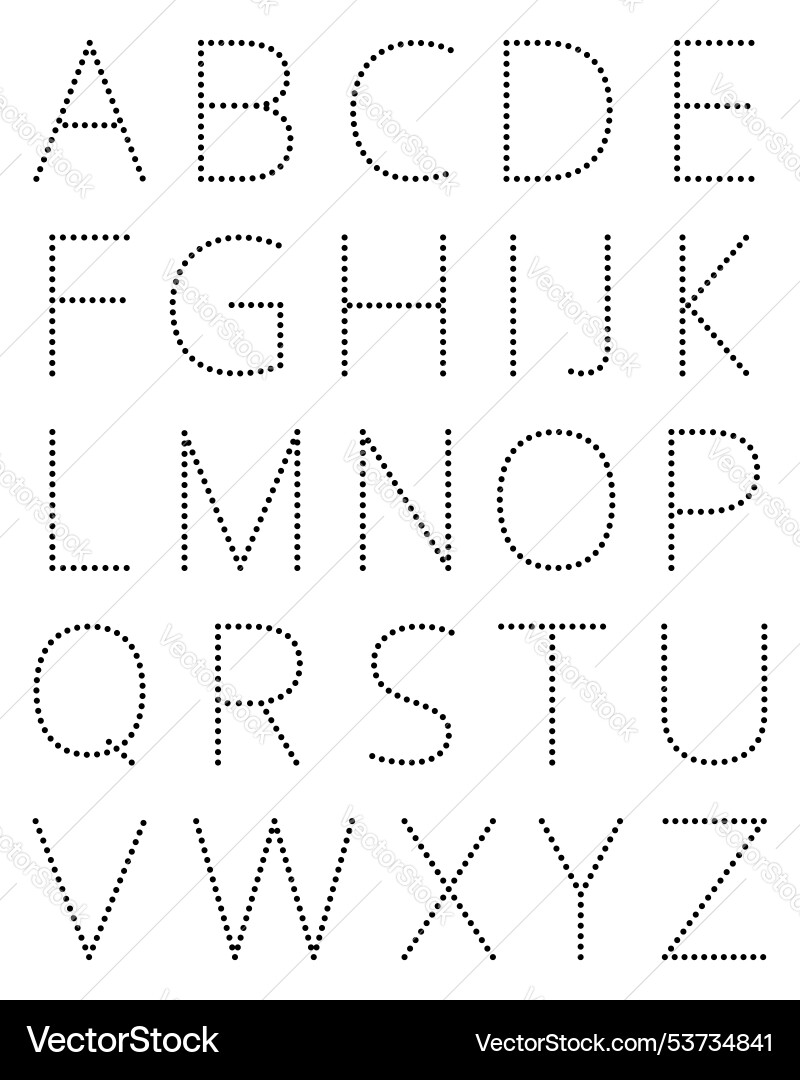
Many young children recognize letters long before their fine motor skills can actually form them on paper. According to the National Association for the Education of Young Children, early writing behaviors begin with intentional marks that gradually transition into recognizable symbols as hand control matures. It sounds simple, and that is the exact point. Bridging this gap between visual recognition and physical execution requires intentional, scaffolded practice tools that respect hand fatigue and cognitive load. The free printable dotted numbers and letters of the alphabet provide a structured pathway for children mastering stroke order, visual-spatial awareness, and pencil control. Grounded in developmental milestones, these pages turn abstract shapes into tangible muscle memory.
💡 Technical Key Takeaways:
- Core Focus: Diagnostic schematic and terminal connection layout for Dotted Numbers And Letters Of The Alphabet.
- Target Scope: Field technicians, automotive DIYers, and residential/commercial electricians.
- Safety Rule: Always disconnect the primary power source/battery terminal and verify zero voltage with a multimeter before touching wires.
What This Worksheet Covers
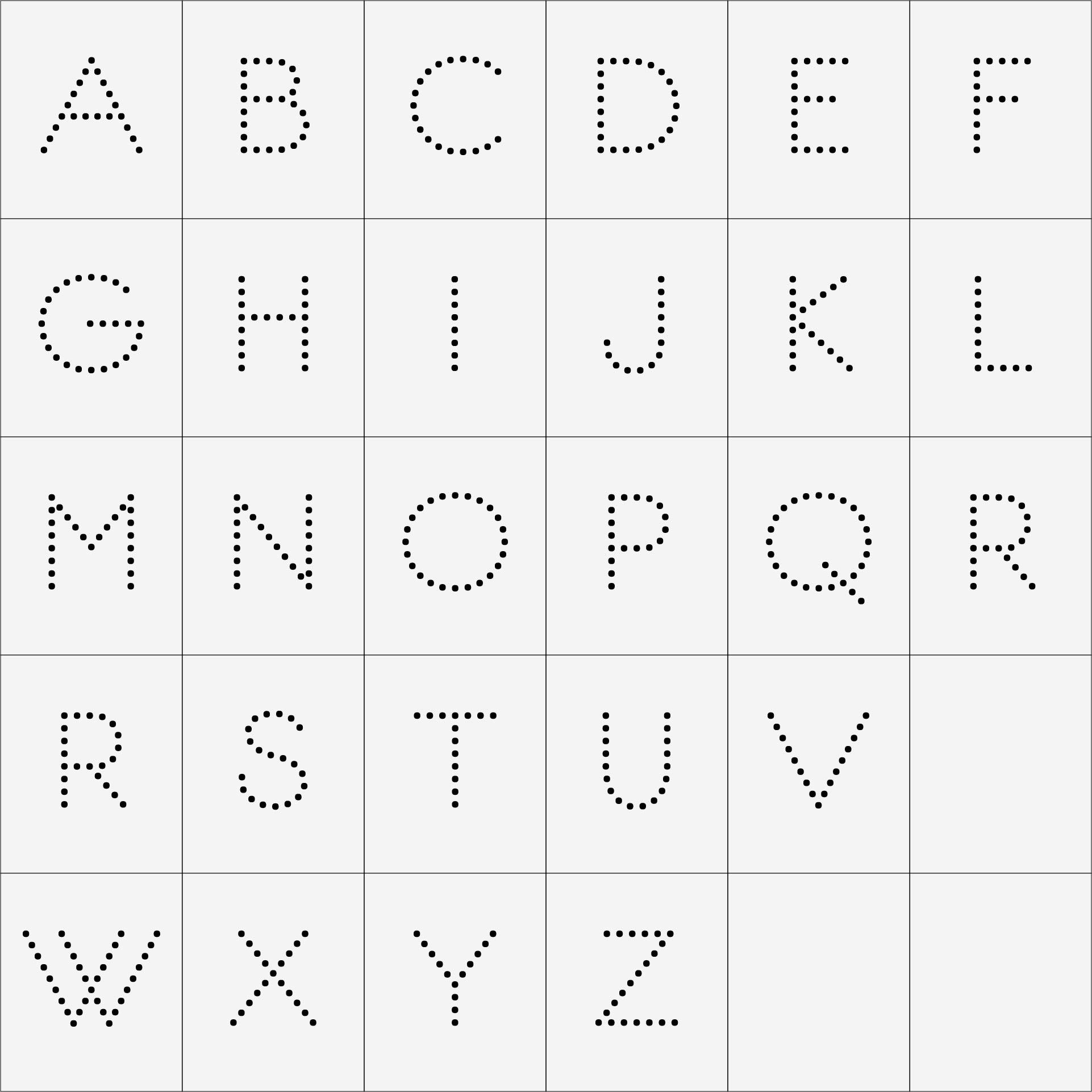
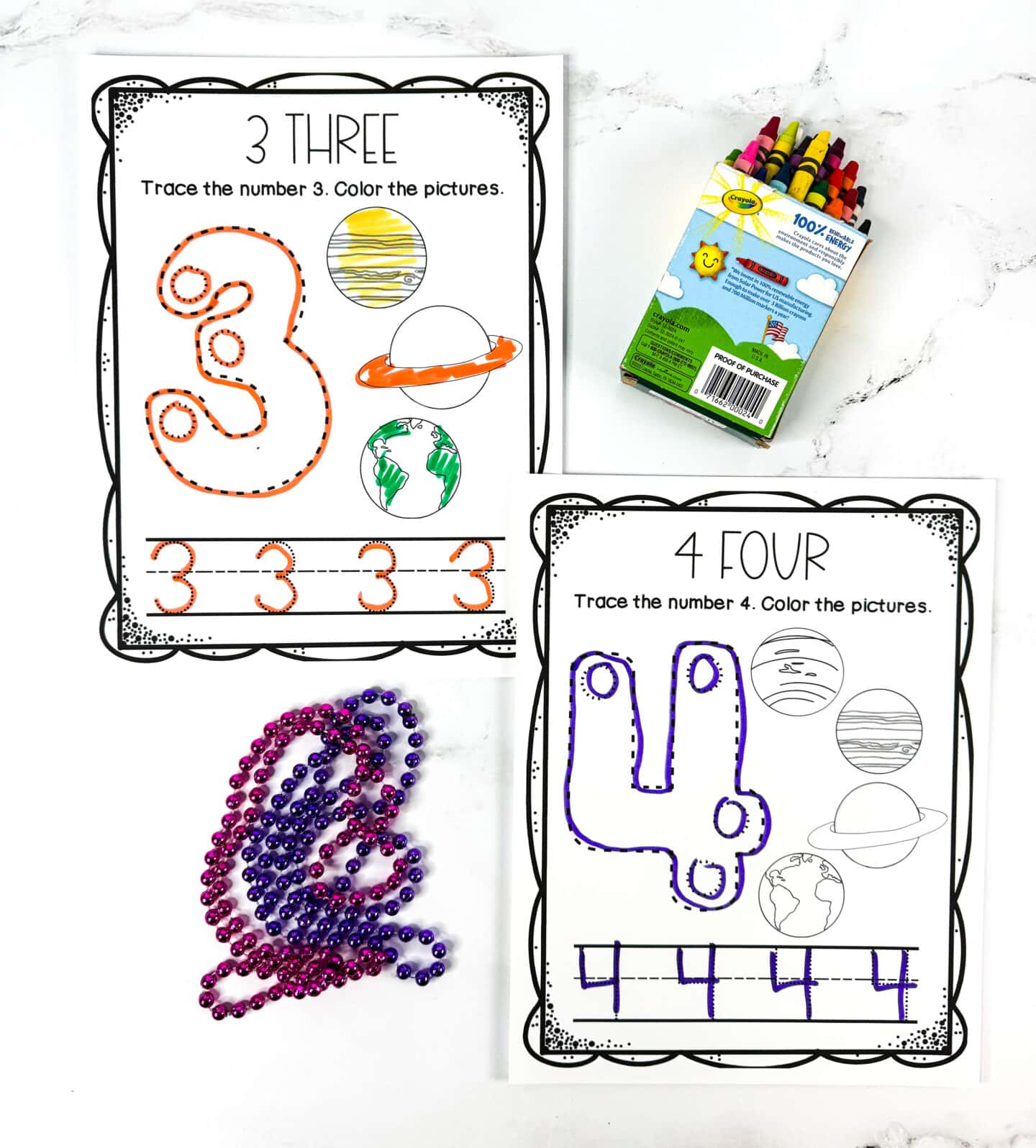
Letter and numeral formation form the core architecture of this resource, guiding young learners through precise stroke orders and directional continuity. Dotted letters supply essential scaffolding, offering clear starting points and directional cues so that learners do not invent inefficient stroke habits. Beyond basic literacy characters, the layout encourages control over vertical, horizontal, and diagonal lines, laying the physical groundwork for fluent handwriting. Each page addresses both capital and lowercase letters alongside foundational numerals, ensuring a comprehensive approach to early school readiness.
Key Learning Outcomes
Working consistently with guided tracing sheets refines fine motor precision and builds the intrinsic hand strength necessary to prevent early cramping. Learners internalize proper directional habits, ensuring letters are consistently started at the top rather than the bottom, which directly impacts future writing speed. Additionally, repeated engagement reinforces letter and number recognition, strengthening the cognitive connection between the visual symbol and the verbal sound. Spatial awareness improves naturally as children navigate writing lines and manage the physical boundaries of each individual character.
How to Use This Worksheet
Successful implementation relies on brief, engaging sessions rather than lengthy, fatiguing drills that frustrate young learners. Adults can introduce the Alphabet And Numbers Tracing collection by demonstrating the correct pencil grip and verbalizing the stroke direction before inviting independent attempts. It helps to anchor expectations around quality rather than sheer speed, celebrating small victories like maintaining contact with the dotted guides. Incorporating multisensory elements, such as finger-tracing the dotted letters before touching a pencil, builds tactile confidence. Exploring resources like Dotted Letters For Tracing further expands this foundational practice.
Practical Tips for Parents and Teachers
Modeling an efficient tripod grasp prevents compensatory finger positioning that limits endurance during longer writing tasks. Scaffolding the activity downward by using thicker writing utensils or offering hand-over-hand support for initial attempts ensures frustration remains low. Extending the challenge for advanced learners involves transitioning from heavily dotted guides to independent boxes or blank lines. Observing hand fatigue remains vital; keeping sessions to five or ten minutes protects developing joints and maintains positive associations with writing practice.
Age-Appropriate Recommendations
According to the CDC developmental milestones, children aged two to four typically focus on imitating vertical and horizontal lines, making early exposure to Shape and Line Tracing an ideal prerequisite before tackling complex letter forms. Transitioning into the five-to-eight age bracket, learners align closely with Kindergarten and First Grade standards established by Common Core ELA, where mastery of legible manuscript writing and proper numeral formation becomes expected. During these older years, introducing specialized practice found within Word and Name Tracing helps children apply formation skills to meaningful personal contexts, while seasonal activities from Seasonal and Fun Themes maintain high engagement levels.
According to the American Occupational Therapy Association, foundational fine motor control and proper pencil grasp developed during early childhood are direct predictors of academic success and legibility in later grade levels. — American Occupational Therapy Association
Frequently Asked Questions
Parents and educators frequently ask targeted questions regarding the implementation and benefits of structured tracing printables. Reviewing these concise answers clarifies how best to support young writers at home or in the classroom.
Explore More Free Printable Tracing Worksheets
Supporting a young child’s journey toward fluent handwriting requires a diverse toolkit of engaging, developmentally appropriate resources. Beyond alphabet pages, exploring foundational exercises in Fine Motor and Pre-Writing Skills or specific numeral sheets like Tracing Number ensures every child receives targeted support. Caregivers and educators can find an extensive, organized collection of Tracing Worksheets tailored to every developmental stage. To browse the complete library and discover fresh ideas for daily practice, visit KidTraces.com today.
Quick Wiring Specifications & Terminal Guide
| Component / Circuit | Standard Wire Gauge | Recommended Protection |
|---|---|---|
| Control & Trigger Signals | 18 – 20 AWG | 5A – 7.5A Inline Fuse |
| Standard Auxiliary Load | 14 – 16 AWG | 15A – 20A Circuit Breaker |
| Main Power Feed / Supply | 10 – 12 AWG | 30A – 40A Heavy-Duty Relay |
Images References