Introduction
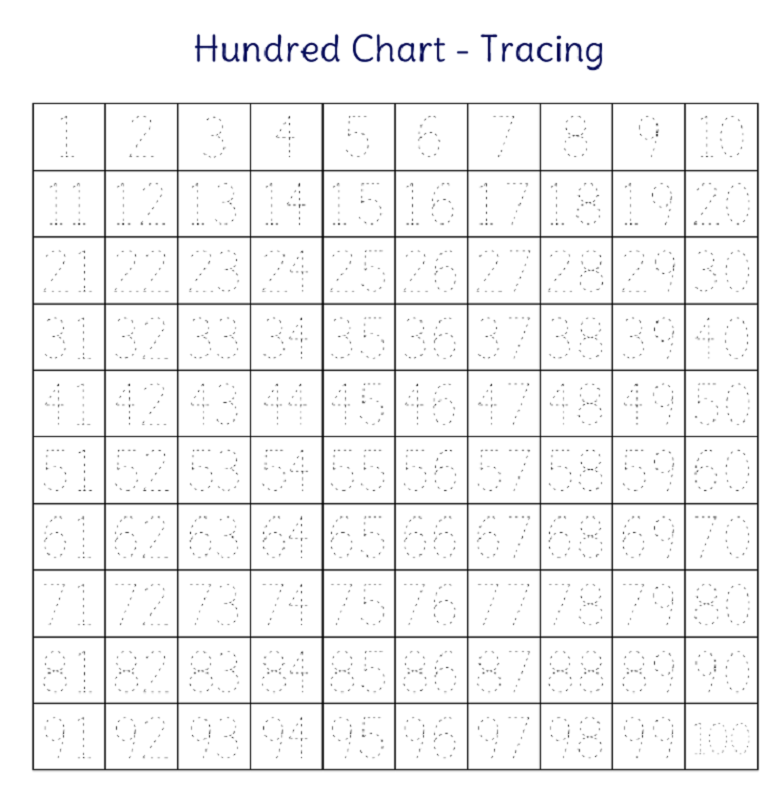
Many young children recognize numerals and point out house numbers or grocery prices long before their hand muscles possess the strength and dexterity to form those digits on paper. According to the American Occupational Therapy Association, foundational fine motor control and bilateral hand coordination must develop sequentially before children can successfully master functional handwriting tasks. Traditional blank paper often overwhelms early learners who lack internal spatial boundaries, frequently leading to frustration, heavy pencil pressure, or abandoned attempts at writing. Using structured printable resources bridges this critical gap by providing clear visual boundaries and tactile paths that gently guide the hand. Here’s what makes this worksheet different: it treats numeral formation not as a rigid memorization exercise, but as a natural extension of pre-writing stroke mastery. Thoughtfully designed dotted numbers for writing practice offer the precise scaffolding young learners need to build muscle memory, understand stroke order, and gain authentic confidence with early numeracy.
💡 Educational Key Takeaways:
- Core Skill: Structured Dotted Numbers For Writing Practice focused on developing pencil grip, stroke control, and early literacy/math confidence.
- Target Scope: Suited for homeschoolers, preschool, kindergarten, and elementary learners.
- Best Recommendation: Practice 10–15 minutes daily with ergonomic writing tools to reinforce muscle memory without hand fatigue.
What This Worksheet Covers
Mastering numerals requires more than just connecting random dots across a blank page; it demands an understanding of continuous fluid movement, curved lines, and sharp directional changes. Each page within this collection focuses heavily on numeral and digit formation, establishing reliable stroke sequences from zero through nine. Many adults overlook the fact that numbers like three, five, and eight require complex directional reversals that challenge developing visual-spatial processing systems. By breaking these complex movements down into manageable tactile components, the sheets support the gradual transition from gross motor scribbling to refined finger movements. Children learn where each stroke begins, which direction the pencil must travel, and where the pencil lifts, transforming abstract arithmetic symbols into concrete physical movements. Exploring resources within Tracing Number helps solidify these foundational math and literacy intersections without overwhelming the child’s developing attention span.
Key Learning Outcomes
Working consistently with these structured tracing layouts yields noticeable improvements across multiple developmental domains. Children naturally internalize proper stroke order and directional habits, which prevents the frustrating habit of writing numbers backward from the bottom up. Hand-eye coordination sharpens as little fingers learn to synchronize visual tracking with precise pencil manipulation on the page. Furthermore, bilateral integration improves significantly as the non-dominant stabilizing hand learns to hold the paper steady while the dominant hand executes the tracing strokes. Confidence blooms organically when children realize they can independently produce clean, recognizable digits that match the visual model provided.
How to Use This Worksheet
Adults play a vital observational role when introducing these tracing pages, watching for signs of hand fatigue or incorrect finger positioning before bad habits become ingrained. It sounds simple, and that’s the point: placing the paper on a slightly slanted surface or attaching it to a vertical upright easel instantly promotes an optimal wrist extension for healthy pencil control. Letting children use thick, broken wax crayons or short stubby markers naturally encourages a functional tripod grasp by discouraging tight fist grips. Adults should remember that pacing matters immensely during early writing sessions, keeping practice bursts short, joyful, and entirely free from rigid perfectionism.
Practical Tips for Parents and Teachers
Scaffolding these practice sessions effectively requires starting with tactile multisensory exploration before ever handing the child a traditional pencil. Tracing the oversized dotted digits with a wet finger in a tray of salt or colorful sand helps build immediate neural pathways without the pressure of permanent marks. When transitioning to paper, adults can gently model the correct starting point using a verbal cue like “start at the top dot and slide down.” Gradually fading that direct physical assistance allows the child to take full ownership of the movement while maintaining a relaxed, flexible grip on the writing tool. Additional skill-building ideas can be found by browsing through the broader collection of Fine Motor and Pre-Writing Skills resources.
Age-Appropriate Expectations
According to National Association for the Education of Young Children Developmentally Appropriate Practice guidelines, children typically progress through distinct stages of graphic representation between the ages of two and eight. Younger toddlers between ages two and three generally explore tracing pages through spontaneous scribbles, vertical strokes, and circular motions, focusing primarily on sensory engagement rather than accurate digit replication. By ages four and five, children enter a transitional phase where they can reliably imitate simple horizontal and vertical lines, making this the ideal window to introduce guided numeral tracing. Early elementary students in kindergarten through second grade refine these skills into automatic, fluid handwriting, applying proper proportions, consistent spacing, and neat alignment across lined paper. Discovering related templates tailored to specific developmental stages is easy when exploring the curated selection at Tracing Worksheets.
Foundational fine motor control and bilateral hand coordination must develop sequentially before children can successfully master functional handwriting tasks. — American Occupational Therapy Association
Frequently Asked Questions
Explore More Free Printable Tracing Worksheets
Supporting a young learner through the exciting journey of early literacy and pre-writing development takes a village of accessible, high-quality materials. Educators, caregivers, and homeschooling families can discover an extensive library designed to foster confidence and fine motor mastery by visiting the complete collection at KidTraces.com today.
Developmental Milestone & Activity Table
| Development Stage | Recommended Daily Duration | Primary Learning Objective |
|---|---|---|
| Preschool & Pre-K | 10 – 15 Minutes | Pencil grip development & basic pre-stroke lines |
| Kindergarten | 15 – 20 Minutes | Letter/number formation & spatial line awareness |
| Early Elementary (Grade 1–2) | 20 – 30 Minutes | Fluency, sentence construction & neatness |
Images References