Introduction
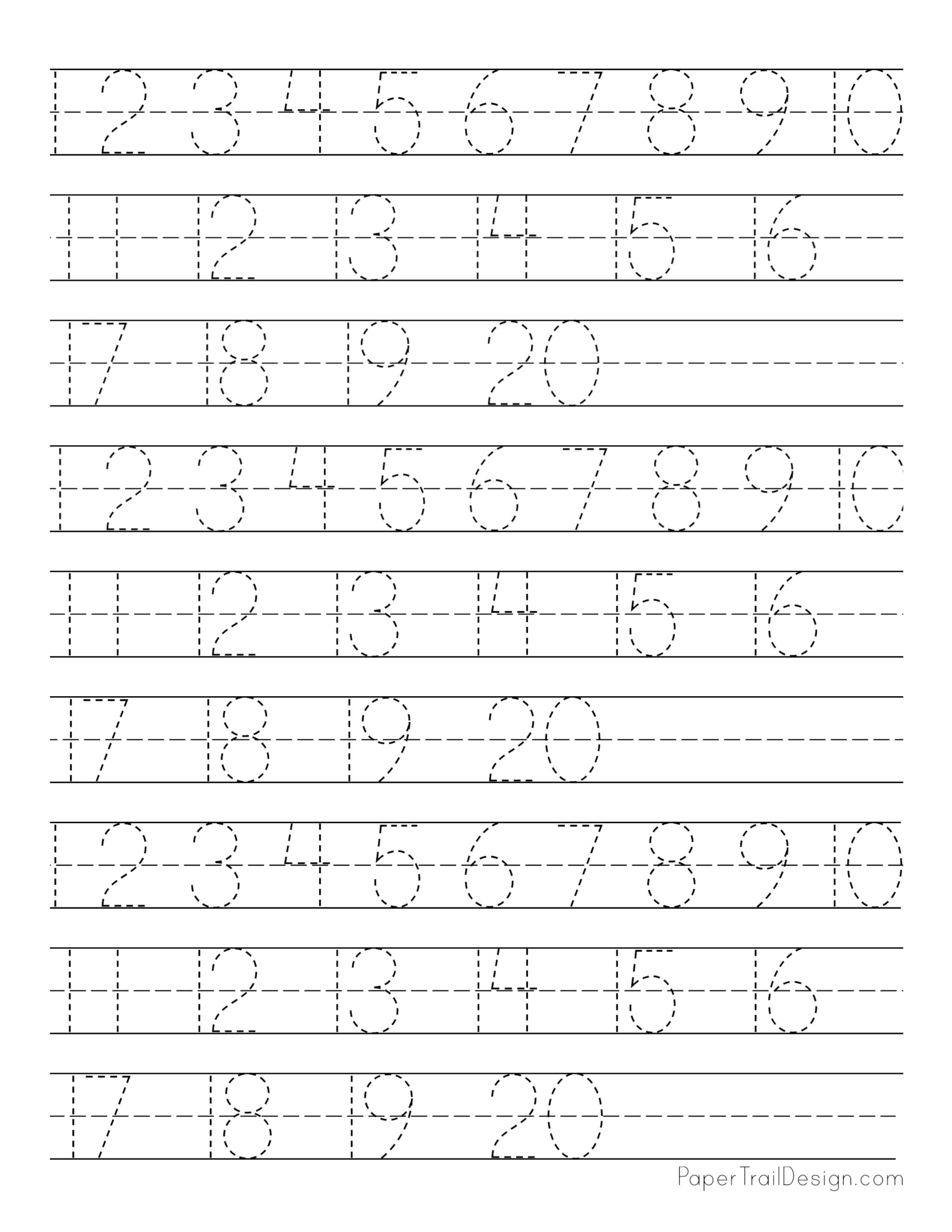
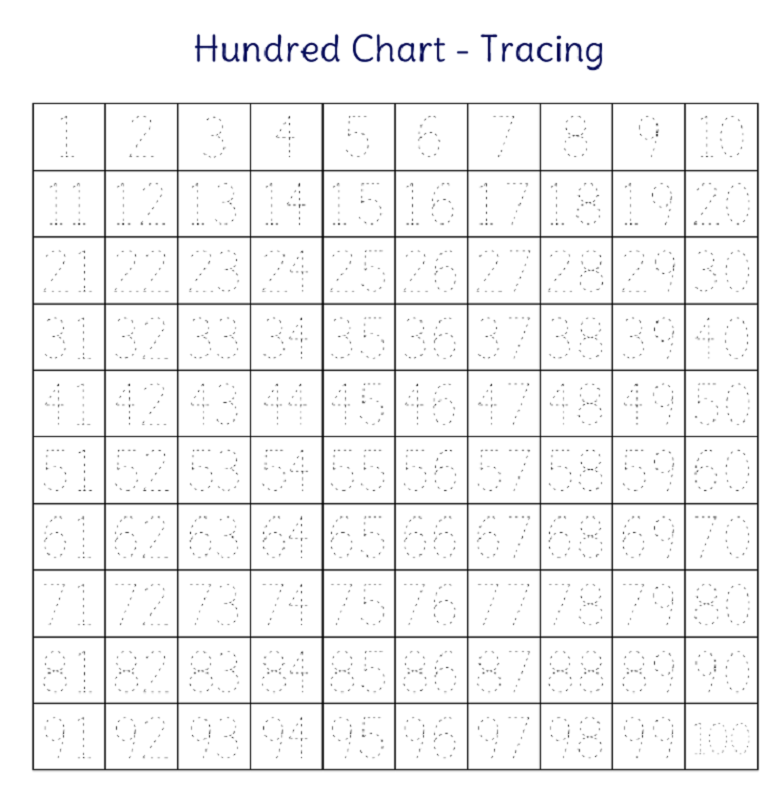
Many children recognize numerals long before their tiny hand muscles possess the endurance or dexterity to properly form those digits on paper. According to the National Association for the Education of Young Children, young learners thrive when early writing experiences integrate meaningful symbols with intentional, hands-on motor skill practice. Bridging that gap between cognitive recognition and physical execution requires patient guidance and structured repetition. It sounds simple, and that is precisely the point. The free printable tracing numbers with words 1 – 20 offers a foundational tool that connects numerical digits with their written word counterparts, supporting both early numeracy and foundational literacy in one streamlined layout.
💡 Educational Key Takeaways:
- Core Skill: Structured Tracing Numbers With Words 1 – 20 focused on developing pencil grip, stroke control, and early literacy/math confidence.
- Target Scope: Suited for homeschoolers, preschool, kindergarten, and elementary learners.
- Best Recommendation: Practice 10–15 minutes daily with ergonomic writing tools to reinforce muscle memory without hand fatigue.
What This Worksheet Covers
This resource addresses the dual challenge of numeral formation and early word recognition by pairing digits side-by-side with spelled-out number words from one to twenty. Guided formation paths, distinct starting dots, and directional arrows take the guesswork out of stroke order, which prevents the habit of drawing numbers from the bottom up. Occupational therapy observations consistently reveal that children who establish correct directional habits early on experience significantly less hand fatigue when transitioning to longer sentences later in elementary school. By breaking down each numeral and corresponding letter sequence, the layout nurtures pencil control, spatial awareness, and cognitive mapping simultaneously. For more related activities, check out our Pre Writing Number Formation Practise Activities.
Key Learning Outcomes
Engaging with these structured tracing pages builds numeral and letter formation accuracy by reinforcing consistent stroke sequences and directional awareness. Children refine fine motor precision as hand-eye coordination guides pencils along precise dotted lines, strengthening the intrinsic muscles required for sustained writing endurance. Literacy skills naturally expand as learners connect numeric symbols with written sight words, reinforcing spelling patterns and word recognition through multi-sensory repetition. Furthermore, visual-spatial processing improves as young writers learn to manage boundary lines, maintain appropriate spacing between letters and numbers, and scale their handwriting to fit designated writing areas effectively.
How to Use This Worksheet
Successful implementation begins by encouraging a relaxed, functional pencil grasp that allows fingers to move fluidly rather than locking into a tight, fatiguing fist. Placing the paper on a flat surface while encouraging the non-dominant hand to stabilize the page sets the stage for healthy postural habits during seated tasks. Here is what makes this worksheet different: it allows adults to observe exact breakdown points in a child’s pencil control, revealing whether the struggle lies in curved line precision, diagonal control, or maintaining downward pressure. Starting with familiar numbers builds immediate confidence before tackling more complex formations like the loops in eight or the multiple strokes required for fifteen.
Practical Tips for Parents and Teachers
Adults can model proper stroke order by tracing a finger over the oversized initial examples before letting the pencil touch the paper. Scaffolding the activity by covering the lower half of the page prevents overwhelm, letting attention focus purely on a few targeted numbers during any single sitting. Extending the learning outdoors or onto sensory trays—such as tracing number shapes in sand, shaving cream, or flour—reinforces muscle memory through tactile feedback before returning to traditional paper tasks. Monitoring hand pressure ensures that pencils leave clear traces without tearing through the page, a common hurdle when early frustration sets in during fine motor skill development.
Age-Appropriate Recommendations
According to the National Association for the Education of Young Children Developmentally Appropriate Practice framework, toddlers and preschoolers ages two through four benefit most from large-scale pre-writing strokes, finger tracing, and exploring numbers one through five through play-based repetition. Children ages five through eight transition into more formal writing environments where mastering correct letter sequencing and numeral formation aligns with academic expectations. During these early elementary years, practicing number words alongside digits supports broader curriculum goals found in Tracing Number exercises and structured Word and Name Tracing practice. Every child develops at an individualized pace, meaning support should always remain responsive to hand strength, attention span, and frustration tolerance rather than rigid chronological age.
Developmentally appropriate early writing experiences bridge cognitive numeral recognition with physical fine motor execution. — National Association for the Education of Young Children (NAEYC)
Frequently Asked Questions
Navigating early writing tools becomes easier when specific questions regarding printing, motor development, and motor planning are addressed with clear, evidence-based guidance.
Regular engagement in guided tracing activities builds the intrinsic hand strength and visual-motor integration essential for lifelong writing fluency. — American Occupational Therapy Association (AOTA)
Explore More Free Printable Tracing Worksheets
Expanding a child’s tracing repertoire keeps practice engaging, fresh, and tailored to changing developmental milestones across different seasons and themes. Exploring additional categories like Fine Motor and Pre-Writing Skills or Shape and Line Tracing provides variety while reinforcing the foundational hand control required for academic success. Discover the full library of developmental resources available at KidTraces.com to support every stage of early writing mastery.
Developmental Milestone & Activity Table
| Development Stage | Recommended Daily Duration | Primary Learning Objective |
|---|---|---|
| Preschool & Pre-K | 10 – 15 Minutes | Pencil grip development & basic pre-stroke lines |
| Kindergarten | 15 – 20 Minutes | Letter/number formation & spatial line awareness |
| Early Elementary (Grade 1–2) | 20 – 30 Minutes | Fluency, sentence construction & neatness |
Images References