Introduction
Most adults notice that toddlers point to numerals long before tiny fingers can successfully hold a writing tool to replicate them. According to the National Association for the Education of Young Children, early childhood curriculum must integrate purposeful play with foundational academic concepts to support holistic neural connections. Matching quantities to written numerals bridges this early cognitive awareness and the physical act of writing. The free printable tracing number matching for 3 year”,3″,0″,0%”,10″” provides a developmentally sound bridge for this exact transition. It targets both cognitive number recognition and the initial mechanics of pencil control.
💡 Educational Key Takeaways:
- Core Skill: Structured Tracing Number Matching For 3 Year”,3″,0″,0%”,10″ focused on developing pencil grip, stroke control, and early literacy/math confidence.
- Target Scope: Suited for homeschoolers, preschool, kindergarten, and elementary learners.
- Best Recommendation: Practice 10–15 minutes daily with ergonomic writing tools to reinforce muscle memory without hand fatigue.
What This Worksheet Covers
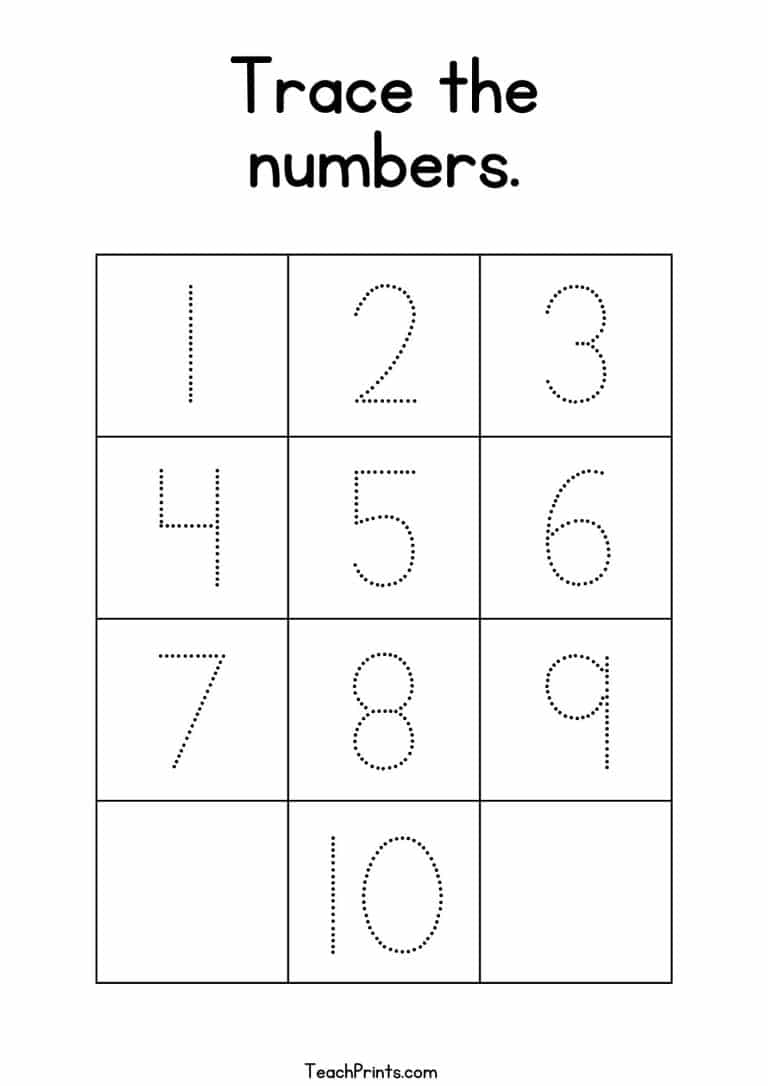
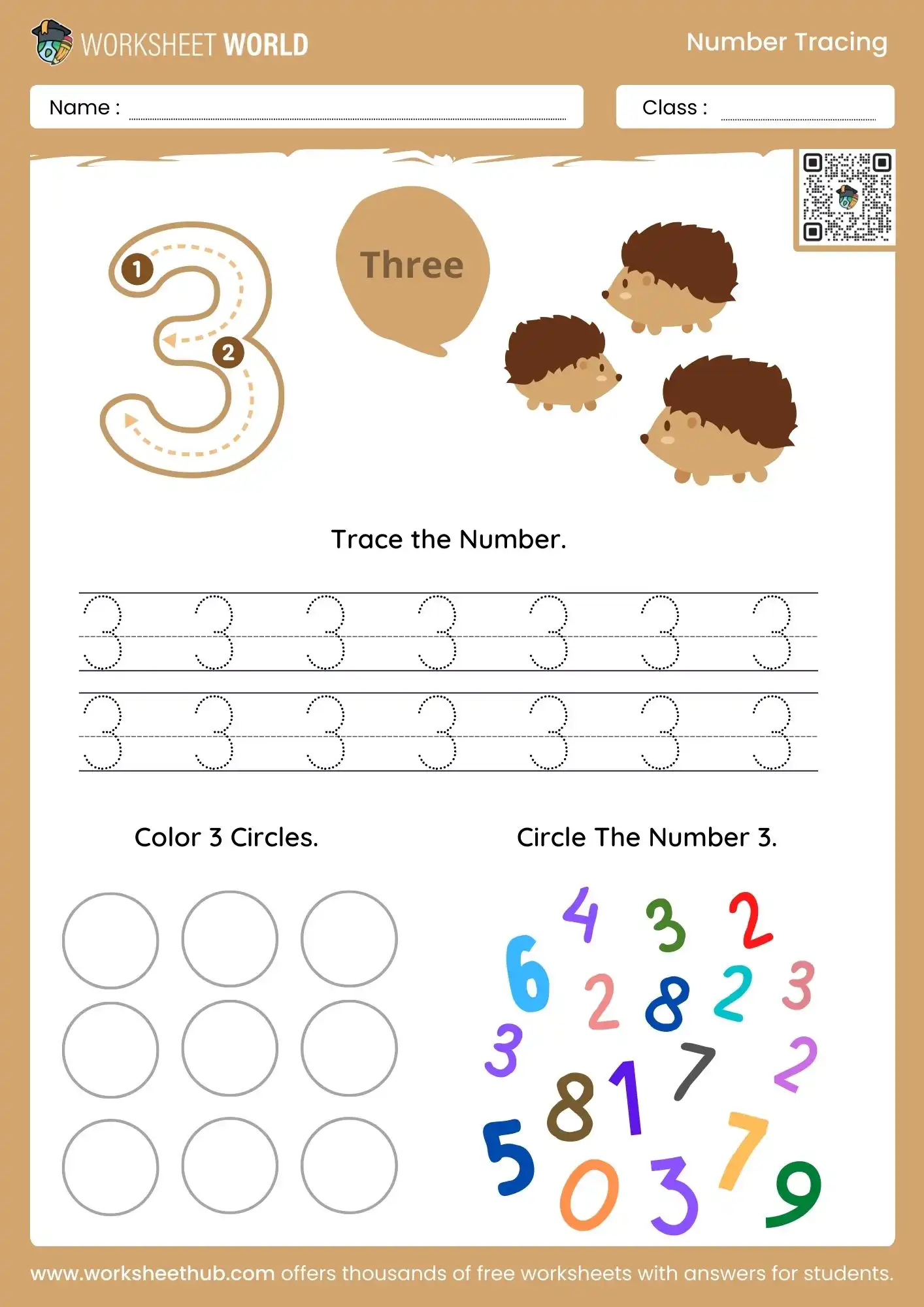
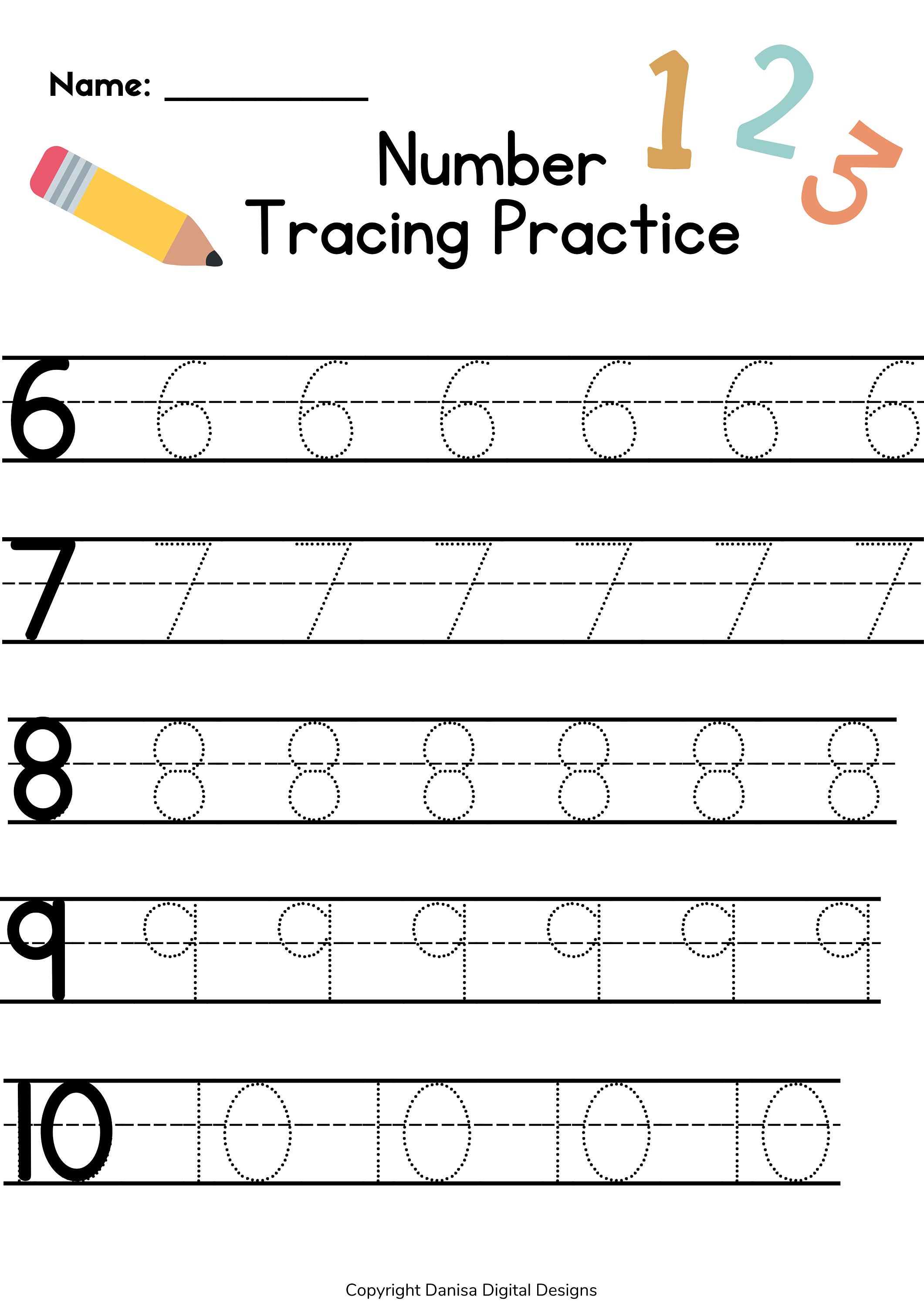
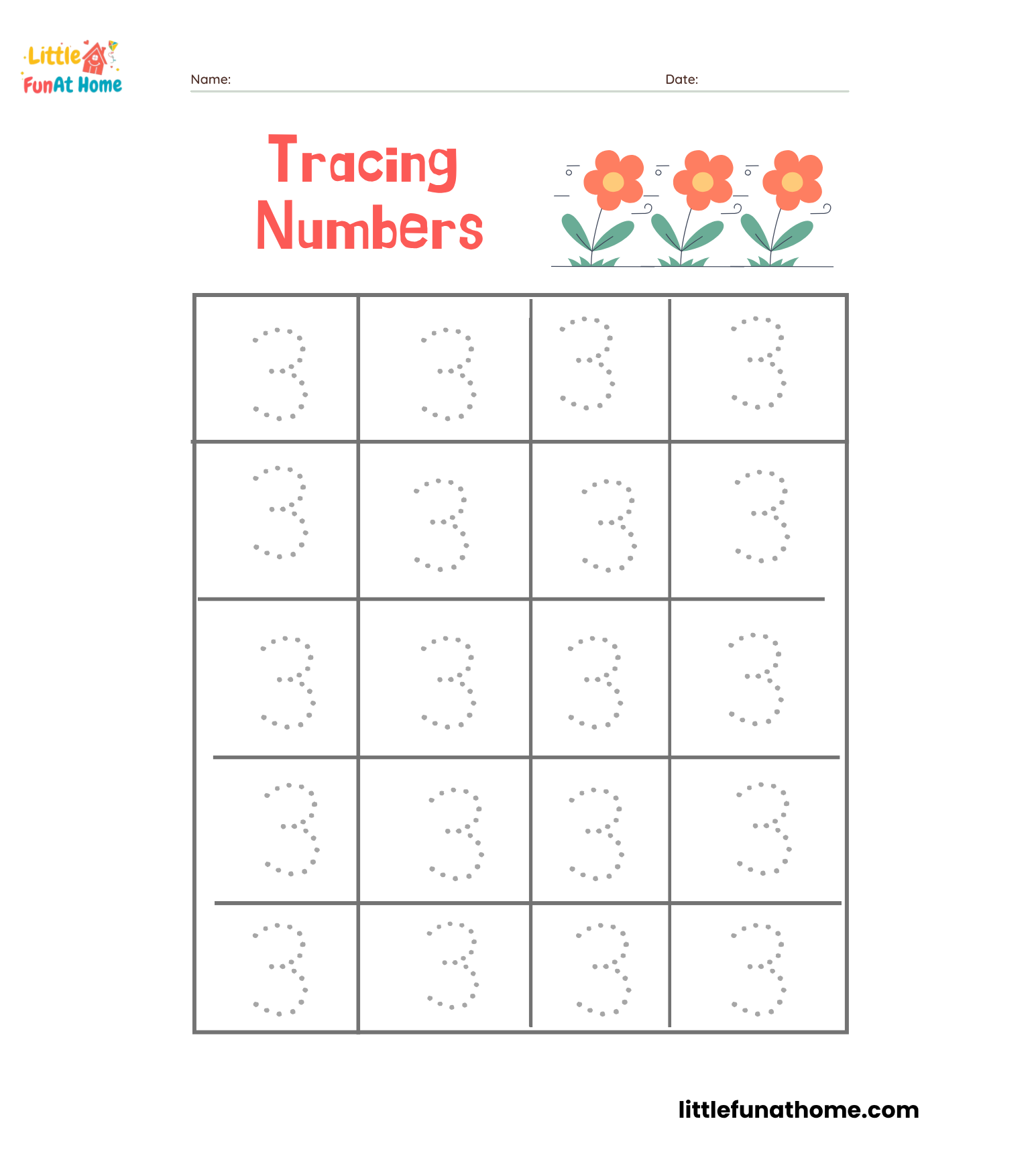
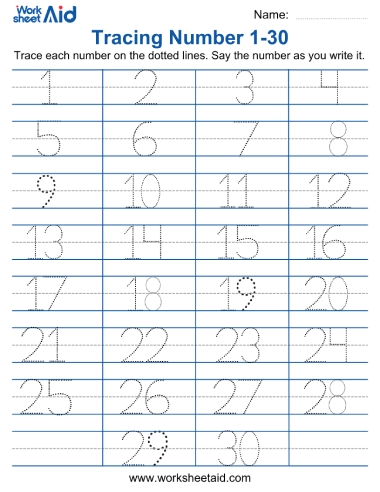
Early number work requires connecting abstract symbols to concrete quantities, which this printable structures seamlessly. Children examine distinct numeral shapes alongside guided tracing paths while linking those figures to countable sets of objects. The layout introduces directional starting points and directional strokes to encourage correct formation habits from the very beginning. Furthermore, the design supports the development of visual-motor integration, ensuring eyes and hands learn to coordinate effectively across the page. Practicing these foundational strokes prepares children for more complex Tracing Number activities later on.
Key Learning Outcomes
Children engaging with this printable build essential early math and literacy capabilities simultaneously. Recognizing visual numeral forms strengthens symbolic memory, while tracing dotted lines builds foundational muscle memory in the hand and wrist. Connecting numbers to corresponding quantities reinforces early counting skills and conceptual mathematical understanding. Additionally, maintaining consistent pencil contact along the dotted paths enhances bilateral coordination and overall hand strength. These combined outcomes lay robust groundwork for broader academic milestones.
How to Use This Worksheet
Successful implementation depends on keeping the experience low-pressure and physically comfortable for the child. Adults should begin by inviting children to point to the numerals and count the matching items aloud before picking up any writing tool. Placing the sheet on a flat, stable surface helps maintain proper posture and wrist alignment during the tracing process. Observers often find that breaking the activity into short, five-minute intervals prevents hand fatigue and keeps frustration levels exceptionally low. Exploring additional resources like Fine Motor and Pre-Writing Skills can further support this foundational stage.
Practical Tips for Parents and Teachers
Guiding pencil grip requires gentle, physical scaffolding rather than rigid correction that might cause tension. Adults can model proper tripod grasps using thick crayons or short pencils, which naturally encourage optimal finger positioning. According to the American Occupational Therapy Association, utilizing vertical surfaces such as easels or taped-up sheets helps activate wrist extension, an essential component of mature pencil control. Scaffold the activity by having children trace with a finger first to learn the physical pathway before introducing a marker. If a child resists traditional writing implements, switching to scented markers or textured paper provides immediate sensory feedback that maintains high engagement.
Age-Appropriate Recommendations
For three-year-olds, the primary objective centers on gross motor control, pointing, and exploring basic strokes rather than achieving perfect manuscript letter formation, aligning with NAEYC Developmentally Appropriate Practice guidelines. At this stage, focus heavily on the matching aspect and large, sweeping pre-writing motions rather than tight pencil accuracy. By ages five through eight, children transition toward precision, proper stroke sequencing, and independent numeral execution without heavy visual scaffolding. Educators can easily adapt this printable for older children by timing the completion or integrating simple addition checks alongside the matching tasks. Discovering more structured options within Alphabet And Numbers Tracing helps maintain appropriate challenge levels as children grow.
Young children develop foundational hand strength and visual-motor integration more effectively through multisensory tracing and guided tactile feedback than through passive observation. — American Occupational Therapy Association
Frequently Asked Questions
Parents and educators frequently ask how to maximize the learning benefits of early math and tracing printables without causing burnout. Clear, concise answers to common implementation questions appear below to support successful learning sessions at home or inside the classroom.
Explore More Free Printable Tracing Worksheets
Supporting a young learner involves offering consistent, varied practice opportunities across many different developmental domains. The complete collection of resources available at KidTraces.com offers hundreds of professionally designed printables tailored to every stage of early childhood growth. Caregivers can easily browse through categories like Shape and Line Tracing to find additional materials that complement daily routines. Consistent, joyful practice builds unshakeable confidence for every young writer.
Developmental Milestone & Activity Table
| Development Stage | Recommended Daily Duration | Primary Learning Objective |
|---|---|---|
| Preschool & Pre-K | 10 – 15 Minutes | Pencil grip development & basic pre-stroke lines |
| Kindergarten | 15 – 20 Minutes | Letter/number formation & spatial line awareness |
| Early Elementary (Grade 1–2) | 20 – 30 Minutes | Fluency, sentence construction & neatness |
Images References