Introduction
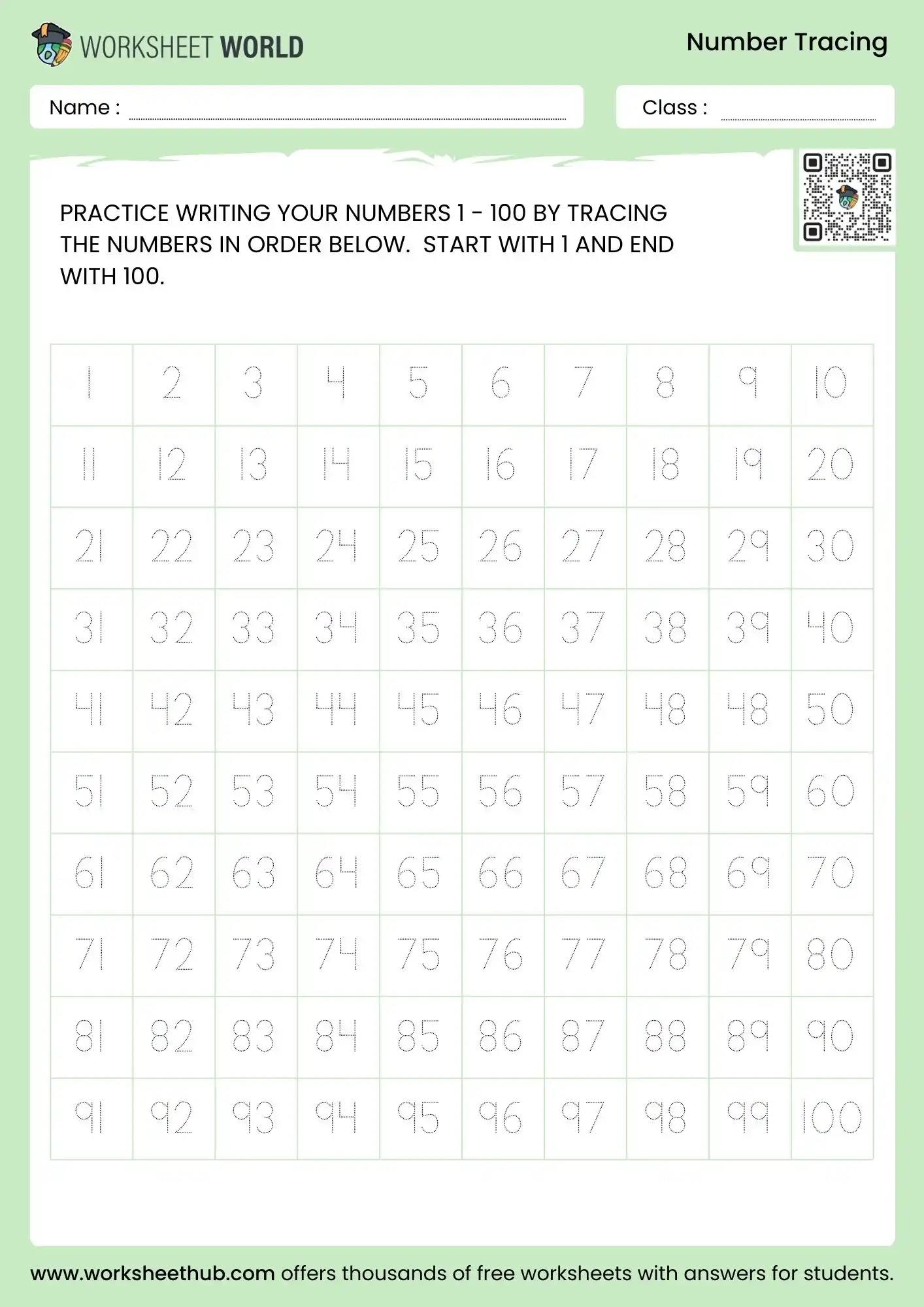
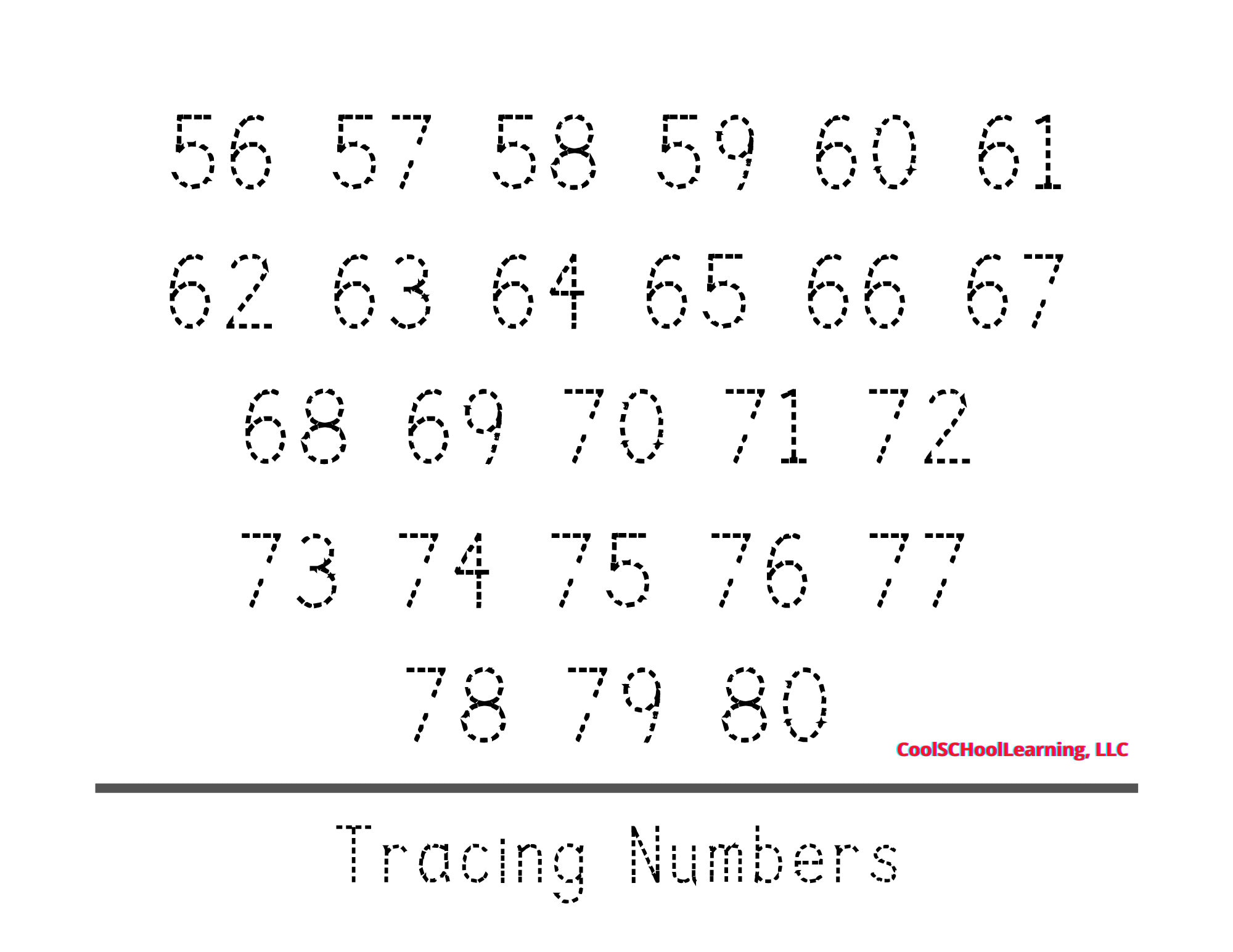
Many children recognize numerals long before their developing hands possess the intrinsic strength required to cleanly form them on paper. According to the National Association for the Education of Young Children, young children learn best through active, hands-on exploration that respects their individual developmental timelines. Bridging this cognitive and physical gap requires targeted practice that honors how small fingers learn. Utilizing structured number tracing printables 1 100″,3″,0″,0%”,26.666666666666668″” gives learners a clear, visual path to bridge number recognition with consistent pencil control. It sounds simple, and that is precisely the point. Scaffolding numeral formation through guided repetition transforms abstract mathematical concepts into physical muscle memory. Explore the broader collection of Tracing Number resources to find additional practice sheets that support this foundational phase of early childhood education.
💡 Educational Key Takeaways:
- Core Skill: Structured Number Tracing Printables 1 100″,3″,0″,0%”,26.666666666666668″ focused on developing pencil grip, stroke control, and early literacy/math confidence.
- Target Scope: Suited for homeschoolers, preschool, kindergarten, and elementary learners.
- Best Recommendation: Practice 10–15 minutes daily with ergonomic writing tools to reinforce muscle memory without hand fatigue.
What This Worksheet Covers
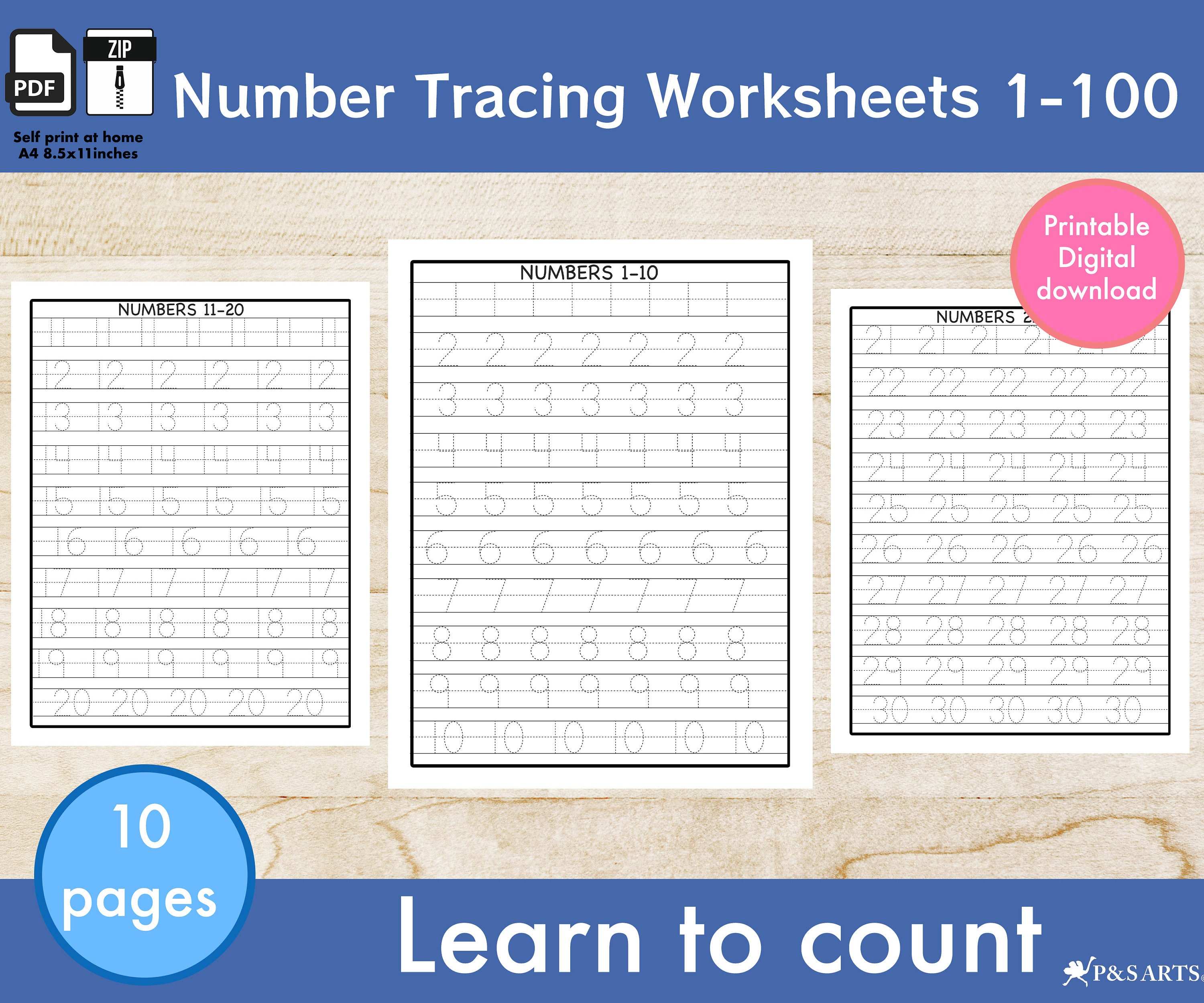
Mastering numerals up to one hundred involves far more than simply memorizing shapes. This comprehensive material guides children through the structural anatomy of every digit, emphasizing consistent stroke order, correct proportional sizing, and spatial awareness on the page. Learners progress systematically from single digits to complex double and triple-digit combinations, ensuring they understand place value alongside physical execution. Each line provides structured spacing designed to encourage neatness without causing visual clutter or overwhelming easily fatigued hands. Furthermore, utilizing these foundational exercises directly supports broader mathematical fluency by making the physical act of writing numerals second nature.
Key Learning Outcomes
Children engaging consistently with these sequential exercises develop superior fine motor control alongside accurate numeral formation. Hand-eye coordination improves dramatically as pencils follow predictable paths from designated starting dots to completion terminals. Students also build essential visual-spatial awareness, learning how numbers fit onto baseline alignments and how spacing functions between digits. According to research highlighted by Reading Rockets, systematic foundational practice in early childhood directly reinforces cognitive literacy and mathematical readiness. Ultimately, children gain lasting confidence in their ability to represent quantities accurately through independent writing.
How to Use This Worksheet
Successful implementation relies on keeping sessions short, engaging, and stress-free. Begin by introducing just a few numerals at a time rather than demanding a marathon completion of the entire packet. Adults should demonstrate the correct starting point and directional stroke in the air or on a small whiteboard before inviting the child to put pencil to paper. Encourage relaxed postures, ensuring feet rest flat on the floor and the non-dominant hand stabilizes the paper. Consistency yields the best results when integrated into a daily morning routine or quiet learning center rotation.
Practical Tips for Parents and Teachers
Observe how the child grasps the writing utensil, offering gentle redirections toward a functional tripod or modified grasp if fatigue sets in early. Scaffolding the activity by fading adult assistance from hand-over-hand guidance to verbal cues fosters authentic independence. For children who struggle with standard pencils, thicker triangular crayons or short golf pencils can significantly improve grip and control. Extend the learning experience by having children count physical objects like buttons or blocks to match the exact numeral they just finished tracing. Discover more ways to build hand strength through Fine Motor and Pre-Writing Skills activities that complement traditional pencil work.
Age-Appropriate Expectations
Navigating the path from early scribbles to refined handwriting requires aligning expectations with established milestones. According to the Centers for Disease Control and Prevention developmental milestones, toddlers typically transition from whole-arm movements to finger-and-wrist control during the preschool years. For children ages two through four, the focus rests heavily on pre-writing strokes, large motor movements, and exploring Shape and Line Tracing to build foundational hand strength. By ages five through eight, children enter the formal schooling window where Handwriting Without Tears frameworks help guide proper letter and numeral formation on lined paper. During this later stage, mastering the full range of numerals up to one hundred solidifies the coordination needed for advanced academic tasks.
Systematic fine motor practice correlates strongly with improved spatial organization and writing fluency in primary school-aged children. — American Occupational Therapy Association
Frequently Asked Questions
Answers to common questions regarding downloading, printing, and supporting young learners with these targeted tracing exercises appear below.
Explore More Free Printable Tracing Worksheets
Supporting a young writer involves utilizing a rich variety of engaging, developmentally appropriate materials across every season and subject. The complete library at KidTraces.com offers endless opportunities to practice letter formation, expand vocabulary, and refine essential motor skills through play-based repetition. Browse specialized categories like Alphabet And Numbers Tracing or themed Seasonal and Fun Themes to keep learning fresh, exciting, and tailored to individual interests. Print today and watch confidence bloom!
Developmental Milestone & Activity Table
| Development Stage | Recommended Daily Duration | Primary Learning Objective |
|---|---|---|
| Preschool & Pre-K | 10 – 15 Minutes | Pencil grip development & basic pre-stroke lines |
| Kindergarten | 15 – 20 Minutes | Letter/number formation & spatial line awareness |
| Early Elementary (Grade 1–2) | 20 – 30 Minutes | Fluency, sentence construction & neatness |
Images References