Introduction
Many children recognize numerals long before their hands possess the intrinsic strength required to form them on paper. According to the National Association for the Education of Young Children, early childhood curriculum must connect meaningful play and visual recognition with purposeful, hands-on motor exploration. Young minds easily grasp mathematical concepts well before fine motor stamina catches up to the visual demand. Bridging that developmental gap requires engaging resources that introduce numeral formation gently and playfully. Using targeted printable activities for 3 year olds numbers offers a developmentally supportive entry point into early mathematical literacy and foundational handwriting mechanics. Every curved line and straight drop helps build the neural pathways necessary for future academic success.
💡 Technical Key Takeaways:
- Core Focus: Diagnostic schematic and terminal connection layout for Printable Activities For 3 Year Olds Numbers.
- Target Scope: Field technicians, automotive DIYers, and residential/commercial electricians.
- Safety Rule: Always disconnect the primary power source/battery terminal and verify zero voltage with a multimeter before touching wires.
What This Worksheet Covers
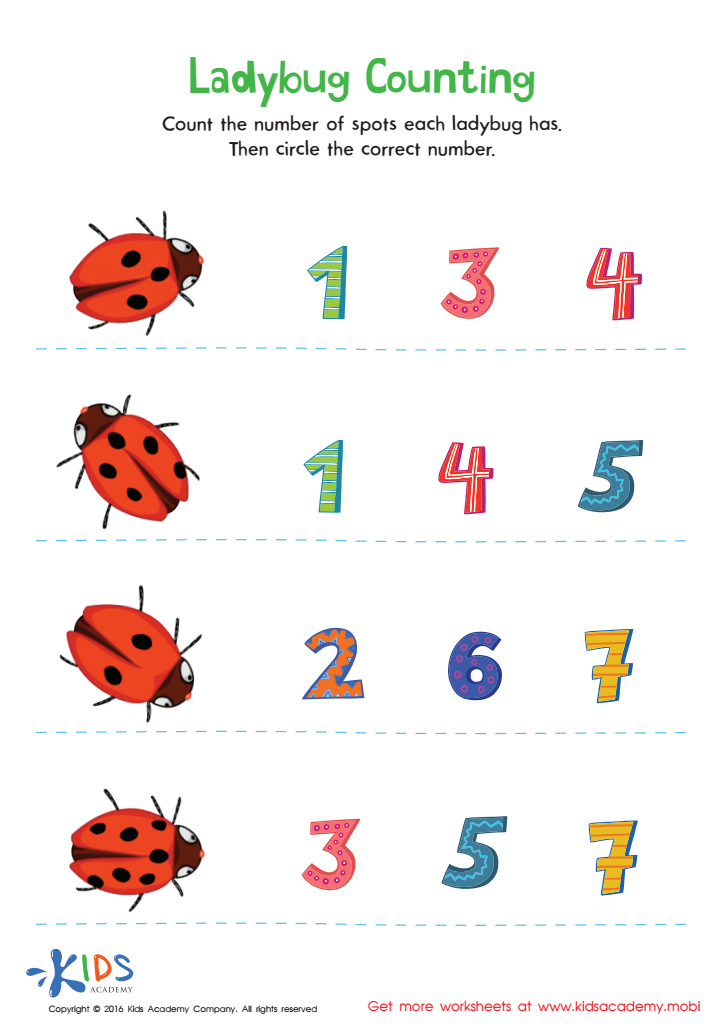
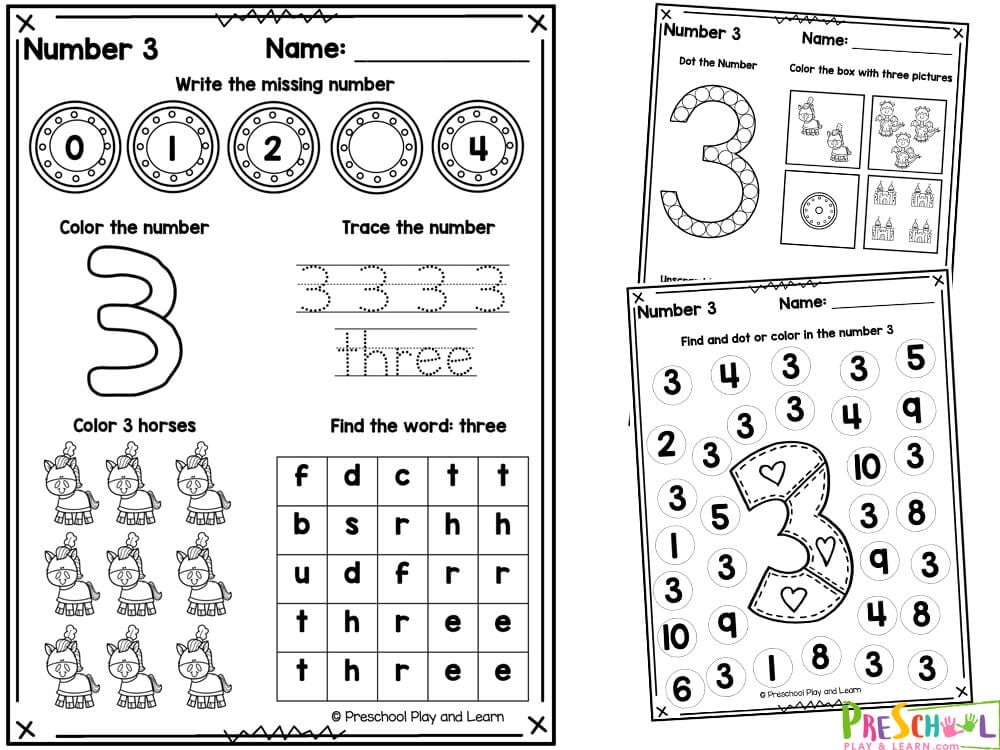
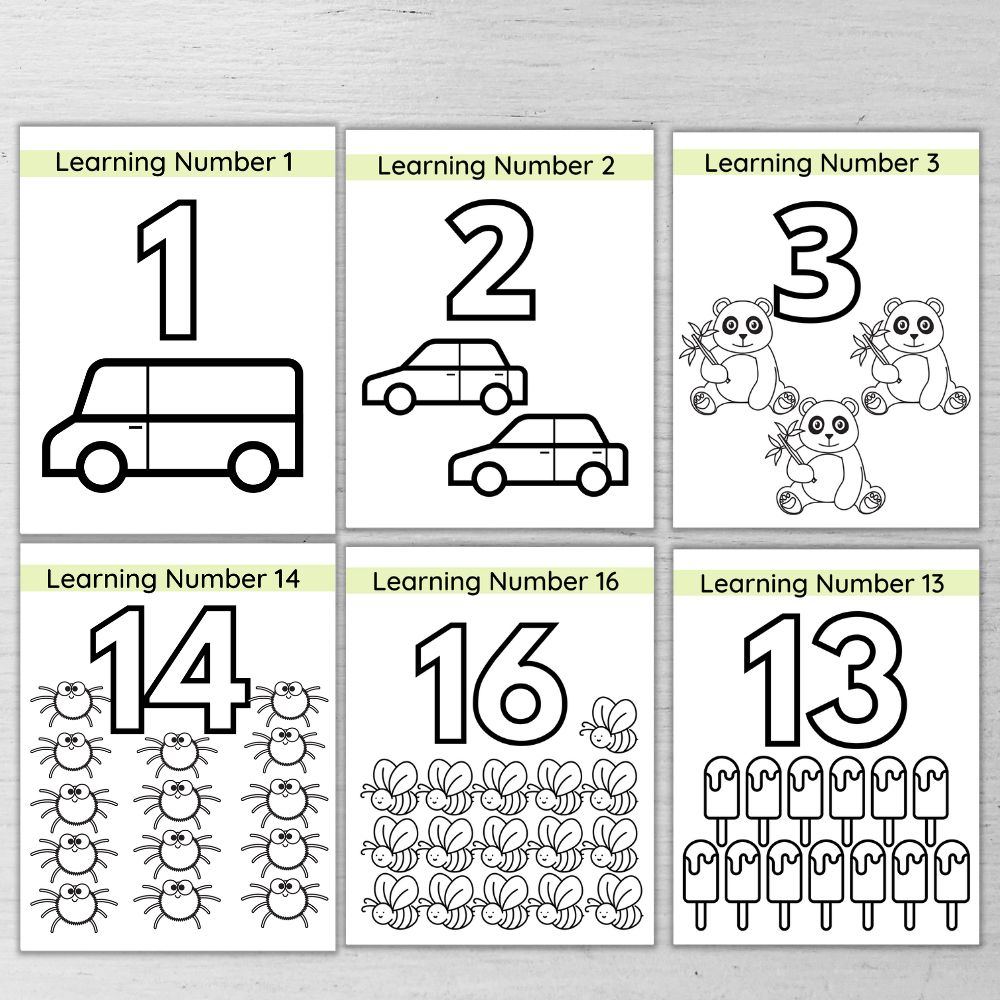
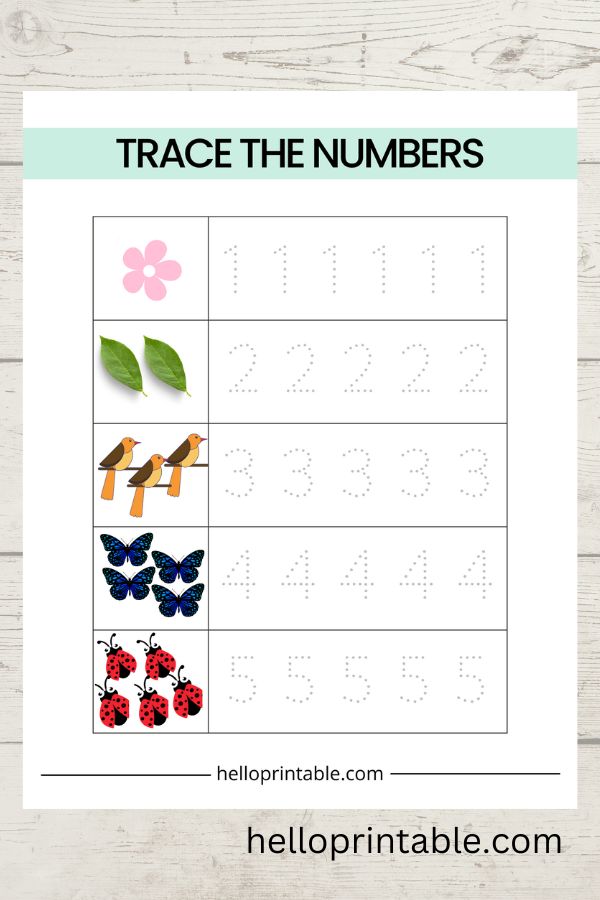
This specific collection focuses on early numeral recognition paired with foundational pre-writing strokes tailored specifically for toddlers. At age three, children are transitioning from whole-arm scribbling to more controlled finger movements, making large-format, visual-rich numeral sheets exceptionally valuable. The layout incorporates bold starting points, directional arrows, and spacious tracing paths designed for small hands still developing a functional grasp. Educators frequently observe that toddlers benefit immensely from tracing large tactile pathways before ever touching a traditional pencil to standard paper. These sheets bridge visual numbering concepts with physical execution, ensuring children understand both what a number represents and how a writing tool moves to create it. For more related activities, check out our Dotted Numbers And Letters Of The Alphabet.
Key Learning Outcomes
Engaging regularly with structured numeral practice yields several distinct developmental milestones for young learners. Children develop foundational directional awareness by consistently practicing top-to-bottom and left-to-right visual tracking. Visual-motor integration improves as little eyes guide little hands along defined numerical pathways, strengthening the vital connection between what the brain perceives and what the fingers execute. Early number sense deepens because tracing a numeral repeatedly reinforces its distinct shape, name, and quantity association. Additionally, repeated exposure to these structured sheets builds essential bilateral coordination, teaching the non-dominant hand how to stabilize the page while the dominant hand executes the tracing stroke.
How to Use This Worksheet
Successful implementation relies heavily on keeping experiences short, playful, and completely pressure-free for the young participant. Setting up a comfortable workspace with appropriately sized child seating ensures optimal postural stability, which directly impacts hand control. Adults should encourage a relaxed tripod or adapted grasp without forcing rigid finger positioning too early, as hand muscles are still undergoing rapid structural development. Turning the tracing practice into a multi-sensory game enhances retention and keeps frustration levels low. Children can drive toy cars along the numeral paths, trace the outlines with thick finger paint, or place small manipulative objects directly over the dotted lines before ever picking up a writing utensil.
Practical Tips for Parents and Teachers
Scaffolding the learning process makes a remarkable difference in how a three-year-old perceives handwriting tasks. Adults can model proper stroke formation in the air or on a sensory tray filled with sand before directing attention to the paper. Placing the printable inside a heavy-duty plastic sleeve and using dry-erase markers allows children to make mistakes and erase effortlessly, reducing performance anxiety significantly. According to the American Occupational Therapy Association, building foundational hand strength through playful activities like squeezing clay or using tongs prepares small muscles for sustained pencil control. Offering enthusiastic, specific praise focused on effort rather than perfection keeps motivation high during these crucial early skill-building sessions.
Age-Appropriate Recommendations
For younger toddlers aged two to four, the emphasis belongs entirely on sensory exploration, large muscle movements, and developing basic visual-motor coordination aligned with CDC developmental milestones for fine motor growth. At this stage, rushing toward perfection counteracts natural developmental readiness. As children progress toward ages five through eight, expectations shift naturally toward formal letter and numeral formation, stroke precision, and pencil pressure control as outlined in Handwriting Without Tears frameworks. Tailoring expectations to biological readiness ensures that early writing remains an enjoyable, empowering experience rather than a frustrating chore.
Hand strength and visual-motor control develop sequentially, requiring playful manipulation and varied sensory experiences before formal handwriting mastery. — American Occupational Therapy Association
Frequently Asked Questions
Clear answers regarding foundational early childhood writing practices help caregivers support development effectively at home and inside the classroom. The following responses address common inquiries about accessing materials, building hand control, and understanding developmental expectations for young children.
Explore More Free Printable Tracing Worksheets
Expanding a child’s early literacy and fine motor toolkit becomes remarkably simple with a diverse collection of structured resources. Caregivers and educators can discover targeted practice sheets spanning Tracing Number exercises, foundational Fine Motor and Pre-Writing Skills, and engaging Seasonal and Fun Themes designed to sustain engagement through every season. Additional skill areas, including Shape and Line Tracing and comprehensive Tracing Worksheets, offer endless opportunities for growth. To browse the complete library of teacher-approved resources, visit KidTraces.com today.
Quick Wiring Specifications & Terminal Guide
| Component / Circuit | Standard Wire Gauge | Recommended Protection |
|---|---|---|
| Control & Trigger Signals | 18 – 20 AWG | 5A – 7.5A Inline Fuse |
| Standard Auxiliary Load | 14 – 16 AWG | 15A – 20A Circuit Breaker |
| Main Power Feed / Supply | 10 – 12 AWG | 30A – 40A Heavy-Duty Relay |
Images References