Introduction
Watch any group of preschoolers and a clear developmental truth emerges: many children recognize numerals and letters long before their small hand muscles possess the endurance or dexterity to form them accurately on a blank page. According to the National Association for the Education of Young Children, young children learn best through active exploration and developmentally appropriate practices that bridge cognitive understanding with physical capability. Bridging this gap requires targeted pencil control practice that respects the developmental timeline of the hand. The tracing numbers pdf free download serves as a foundational tool in this journey, offering structured guidance that transforms abstract mathematical symbols into tactile, manageable motor plans. It sounds simple, and that’s the point. By providing clear visual boundaries and consistent starting points, these pages help learners build the muscle memory required for confident, legible handwriting without causing hand fatigue or frustration.
💡 Educational Key Takeaways:
- Core Skill: Structured Tracing Numbers Pdf Free Download focused on developing pencil grip, stroke control, and early literacy/math confidence.
- Target Scope: Suited for homeschoolers, preschool, kindergarten, and elementary learners.
- Best Recommendation: Practice 10–15 minutes daily with ergonomic writing tools to reinforce muscle memory without hand fatigue.
What This Worksheet Covers
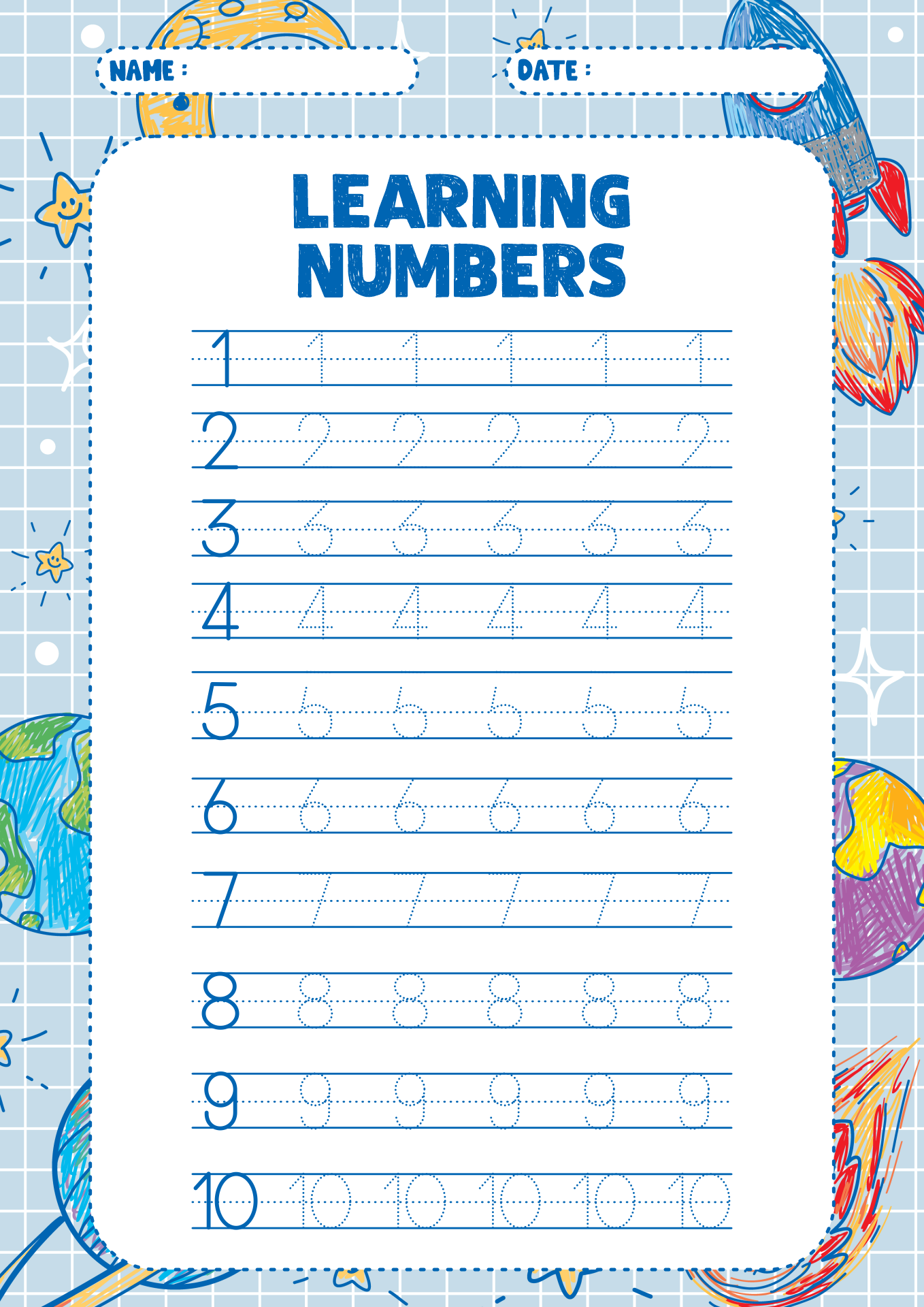
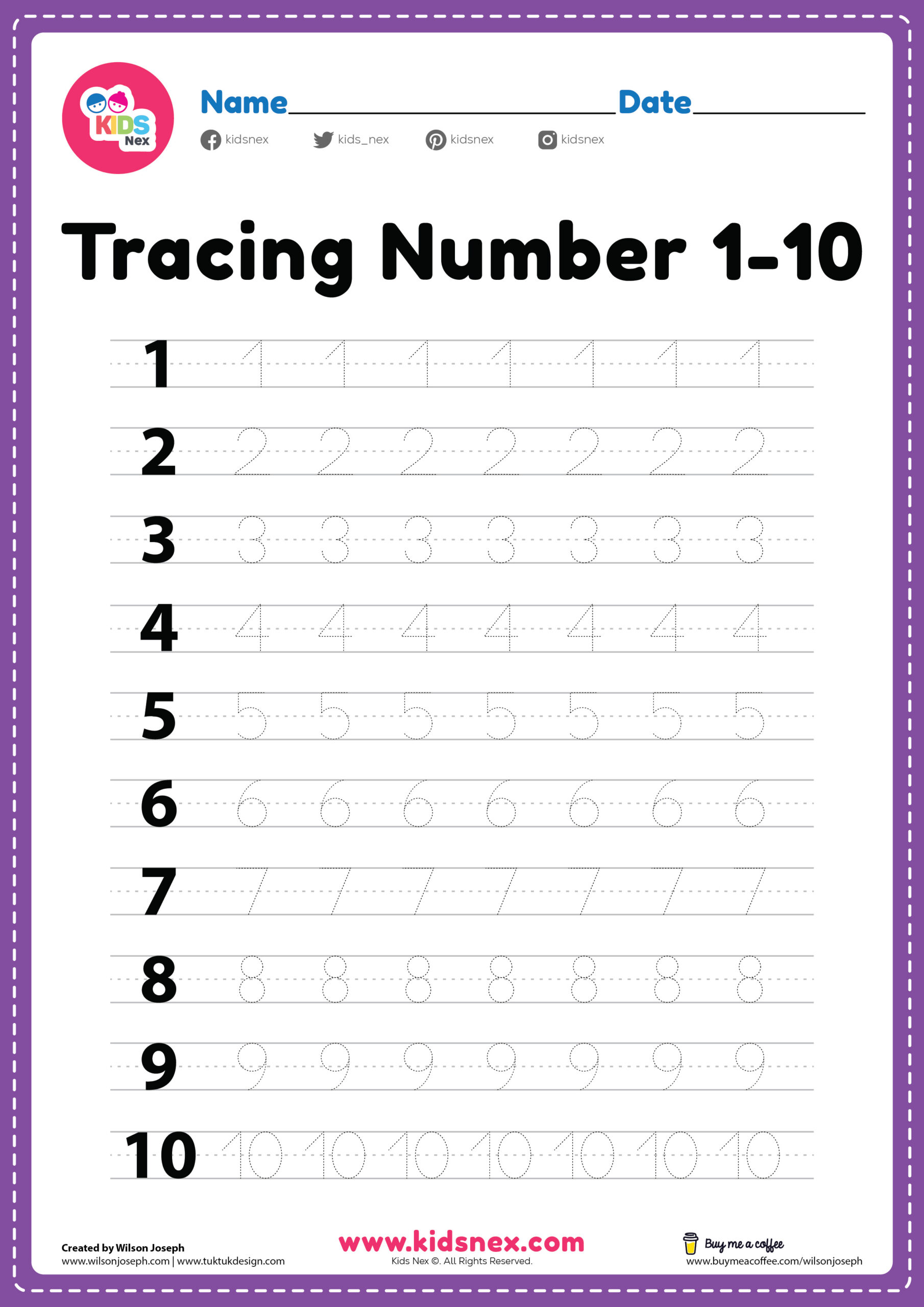
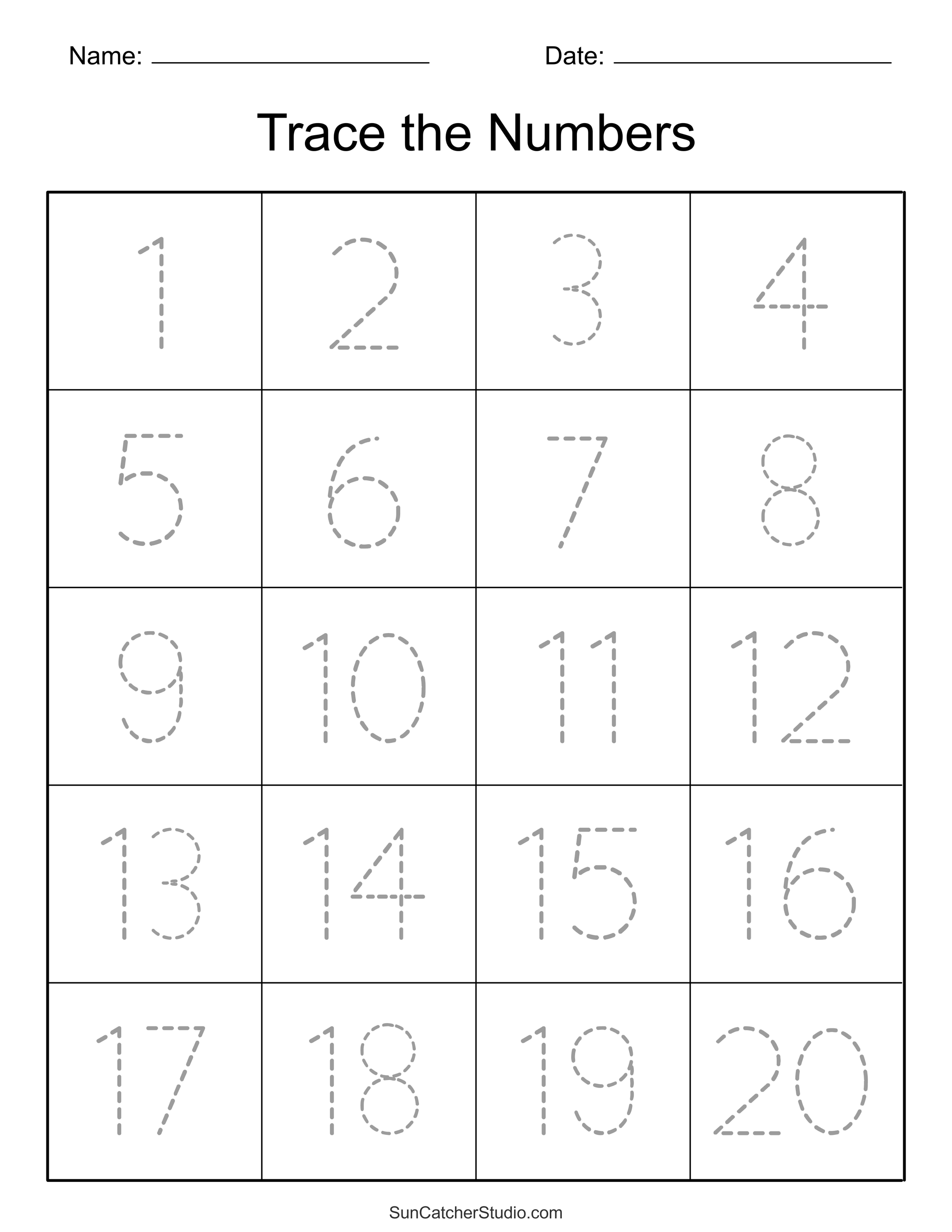
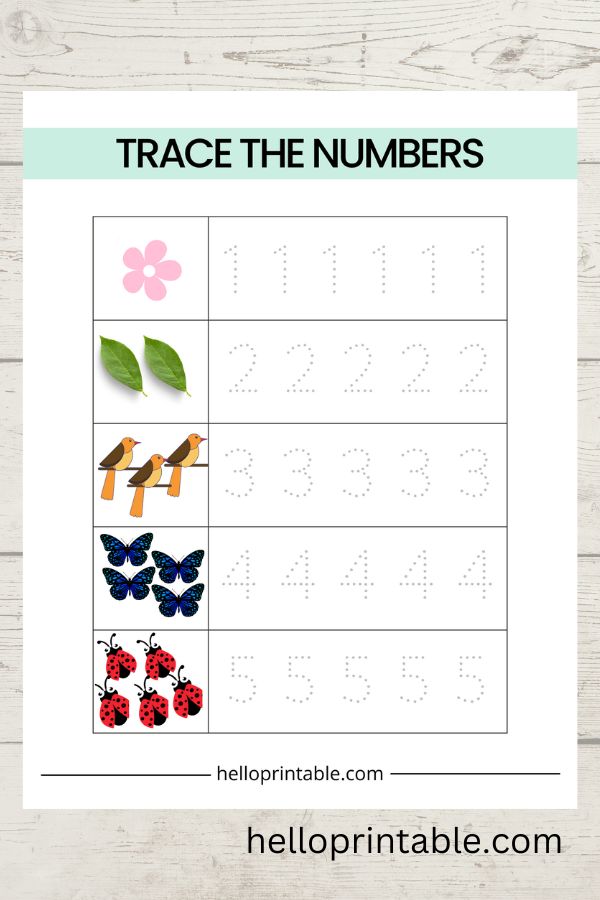
The numerical tracing resource focuses on numeral formation, correct stroke sequencing, and spatial orientation from zero to nine. Each digit is broken down into intuitive directional strokes that teach children where to start their pencil and which direction to travel. Mastery of these early numerals relies heavily on foundational Fine Motor and Pre-Writing Skills, ensuring that hand strength and finger isolation develop alongside cognitive number recognition. As children trace, they encounter consistent sizing guides and directional arrows that encourage visual-motor integration. This structured repetition reinforces the brain-hand connection, turning deliberate, halting strokes into fluid, automatic movements.
Key Learning Outcomes
Children engaging consistently with number tracing develop several critical competencies that extend far beyond simple math worksheet completion. First, learners master correct stroke order, which prevents awkward pencil habits and ensures long-term writing speed and legibility. Second, hand-eye coordination improves dramatically as tiny fingers learn to guide a writing tool within narrow visual tracks. Third, spatial awareness solidifies as children recognize how numbers occupy space on a line, maintaining consistent sizing and alignment. Finally, the repetitive nature of tracing builds intrinsic hand strength and endurance, preparing little fingers for longer writing tasks across all academic subjects.
How to Use This Worksheet
Successful implementation begins with setting up an environment that promotes proper posture and focus. Sit the child at a table where both feet rest flat on the floor and elbows bend at a comfortable ninety-degree angle. Introduce the Tracing Number pages by demonstrating the correct stroke in the air before putting pencil to paper. Encourage the child to verbalize the direction while tracing, using descriptive language like “pull straight down” or “make a magic c.” Educators and caregivers can expand practice using Alphabet And Numbers Tracing materials to ensure a comprehensive foundation across all early symbol systems.
Practical Tips for Parents and Teachers
Observe how the child grasps the writing tool, gently guiding fingers into a functional tripod or quadrupod grasp rather than a tight, closed-fist grip. Scaffold the experience by starting with larger tactile mediums like finger paints or sensory trays before transitioning to standard paper and pencils. Keep sessions short—typically five to ten minutes—to prevent hand cramping and maintain enthusiasm. Celebrate small victories, focusing on proper stroke direction rather than absolute perfection inside the dotted lines. When fatigue sets in, pause the activity immediately to keep positive associations with writing intact.
Age-Appropriate Recommendations
For children ages two to four, align expectations with the CDC milestones for early childhood development, which emphasize basic pre-writing strokes like vertical and horizontal lines before expecting exact numeral closure. At this stage, focus on thick crayons, chunky markers, and oversized tracing templates. For children ages five to eight, instruction aligns with the National Association for the Education of Young Children guidelines for kindergarten and early elementary readiness, targeting precise pencil control, standard manuscript sizing, and independent stroke recall. During these older years, transition to standard pencils and more complex numerical sequences to build academic stamina.
Young children develop fine motor control sequentially, typically mastering vertical and horizontal pre-writing strokes before complex diagonal lines and curved numerals. — National Association for the Education of Young Children
Frequently Asked Questions
Caregivers and educators often have specific questions regarding the best ways to implement tracing materials in daily routines. Reviewing these common inquiries ensures optimal support for every young learner.
Tracing numbers and pre-writing lines helps children build the intrinsic hand muscles, spatial awareness, and motor planning required for lifelong handwriting fluency. — American Occupational Therapy Association
Explore More Free Printable Tracing Worksheets
Supporting a child’s developmental journey requires a diverse library of engaging, skill-building resources that grow alongside them. Beyond foundational numbers, exploring options like Dotted Letters For Tracing or thematic Shape and Line Tracing activities keeps practice fresh and exciting. Every child responds differently to various visual stimuli, making variety the key to sustained motivation. Discover a comprehensive collection designed by educators to support every stage of early literacy and motor development by visiting KidTraces.com today.
Developmental Milestone & Activity Table
| Development Stage | Recommended Daily Duration | Primary Learning Objective |
|---|---|---|
| Preschool & Pre-K | 10 – 15 Minutes | Pencil grip development & basic pre-stroke lines |
| Kindergarten | 15 – 20 Minutes | Letter/number formation & spatial line awareness |
| Early Elementary (Grade 1–2) | 20 – 30 Minutes | Fluency, sentence construction & neatness |
Images References