Introduction
Children frequently recognize letters and numbers long before their fine motor coordination and hand strength allow them to cleanly form those same symbols on paper. According to the American Occupational Therapy Association, foundational hand skills and controlled pencil manipulation are essential prerequisites for academic success and classroom participation. Educators and therapists often observe this gap between cognitive understanding and physical execution during early writing lessons. Bridging this developmental divide requires intentional practice that connects numerical recognition with physical stroke production. The free printable trace the numbers and words 1-20 provides an accessible, structured avenue for children to build that exact connection through guided repetition. Early learners benefit immensely when abstract numerical concepts translate into tangible, physical movements on the page.
💡 Technical Key Takeaways:
- Core Focus: Diagnostic schematic and terminal connection layout for Trace The Numbers And Words 1-20.
- Target Scope: Field technicians, automotive DIYers, and residential/commercial electricians.
- Safety Rule: Always disconnect the primary power source/battery terminal and verify zero voltage with a multimeter before touching wires.
What This Worksheet Covers
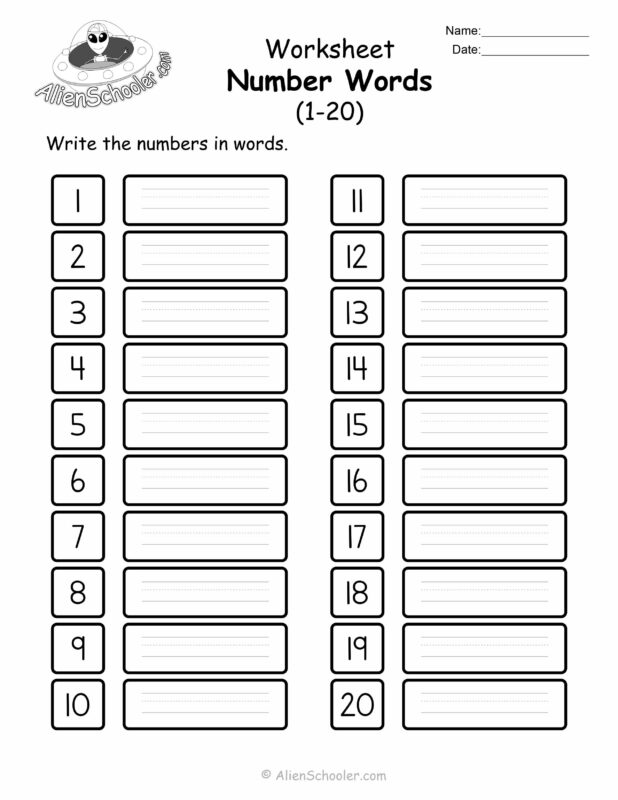
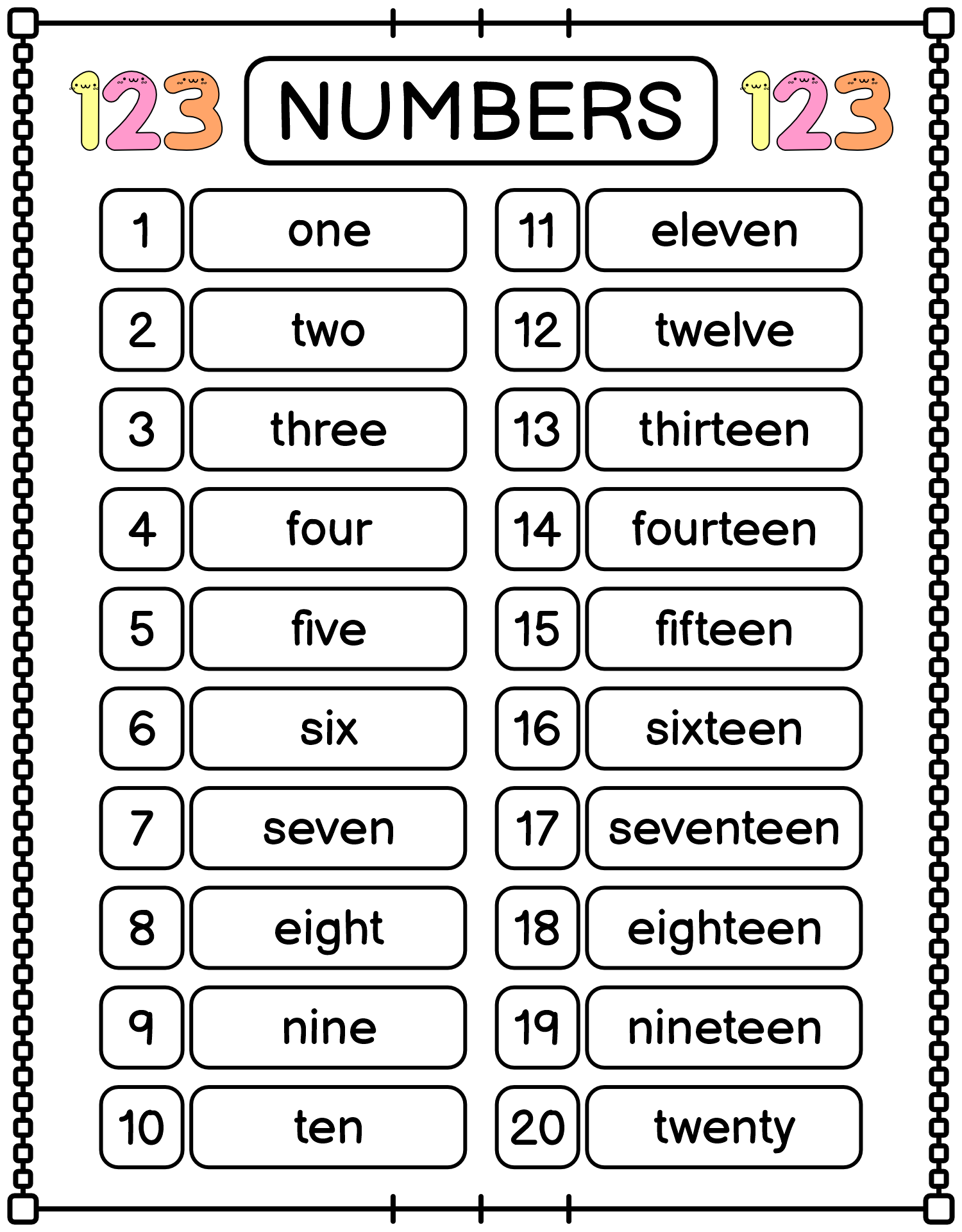
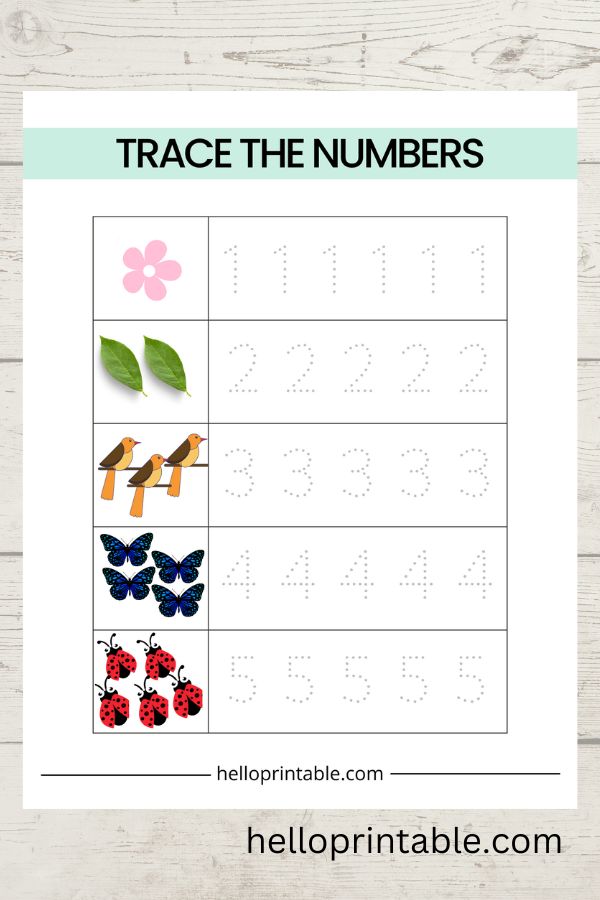
This specific printable addresses the crucial intersection of numeracy, literacy, and motor control by pairing numerals with their written word equivalents from one to twenty. Each section introduces dotted formations that guide the hand through consistent starting points, correct stroke sequences, and proper directional flow. Consistent practice with these sequences helps children internalize the spatial boundaries of the writing line, reducing common reversals and floating numbers. It sounds simple, and that’s the point. Stripping away unnecessary visual clutter allows young learners to focus entirely on pencil control, letter sequencing, and maintaining an appropriate pressure grip. Furthermore, engaging with both digits and number words simultaneously reinforces early reading skills alongside fine motor development, supporting a holistic approach to early childhood education.
Key Learning Outcomes
Working through these pages cultivates precise numeral formation, starting with the tall, straight strokes of early numbers and progressing into the complex curves found in double digits. Learners strengthen intrinsic hand muscles, which directly improves endurance during longer writing tasks. Letter sequencing and spacing improve organically as children trace the corresponding number words, laying the groundwork for spelling and fluent handwriting. According to the National Association for the Education of Young Children, providing intentional opportunities for children to practice fine motor skills within meaningful contexts supports overall cognitive and physical development. Finally, completing the full sequence up to twenty builds confidence, transforming an intimidating writing challenge into an achievable daily routine.
How to Use This Worksheet
Introducing these pages effectively relies on creating a low-stress environment where accuracy takes a backseat to effort and correct hand positioning. Adults should first demonstrate how to anchor the paper with a non-dominant hand while holding the writing utensil using a functional tripod or modified grasp. Children thrive when given tactile alternatives, such as tracing the large models with a finger or a dry-erase marker inside a protective sleeve before touching a pencil to paper. Setting aside brief, consistent sessions prevents hand fatigue and keeps enthusiasm high. It is completely normal for early attempts to stray from the dotted paths, and gentle encouragement focused on starting at the top dot makes a tremendous difference in habit formation.
Practical Tips for Parents and Teachers
Scaffolding the learning process involves breaking down the numbers rather than expecting a child to complete all twenty in a single sitting. Adults can model proper stroke order by verbalizing directions out loud, using friendly cues like starting at the cloud and pulling straight down to the grass. Extending the activity might include counting physical objects like blocks or buttons that match the number currently being traced, merging math with tactile exploration. Checking for a relaxed wrist and an upright posture ensures that fatigue does not set in prematurely. When a child demonstrates frustration, pausing the activity and returning to broader Shape and Line Tracing helps restore confidence and rebuild necessary muscle control.
Age-Appropriate Recommendations
For children ages two to four, the focus rests heavily on foundational pre-writing strokes and large muscle movements, aligning with early developmental milestones outlined by the Centers for Disease Control and Prevention. At this younger stage, expecting mastery of numbers one through twenty is developmentally inappropriate, so educators recommend focusing on vertical and horizontal lines, circles, and early numeral exposure. Children ages five to eight are typically ready for more refined work, meeting specific educational benchmarks such as those found in Handwriting Without Tears methodologies. During these early elementary years, this printable serves as an ideal tool for refining pencil pressure, improving spacing between words, and solidifying the motor plans required for independent numerical literacy. Exploring additional resources like Alphabet And Numbers Tracing expands this practice into letters, while Tracing Worksheets provide endless variety for developing writers.
Foundational hand skills and controlled pencil manipulation are essential prerequisites for academic success and classroom participation. — American Occupational Therapy Association
Frequently Asked Questions
Navigating early writing resources is easier when common questions regarding implementation and printing are answered clearly for busy educators and caregivers.
Intentional opportunities for children to practice fine motor skills within meaningful contexts support overall cognitive and physical development. — National Association for the Education of Young Children
Explore More Free Printable Tracing Worksheets
Supporting a young writer involves offering a diverse array of practice materials that adapt to evolving abilities and changing interests throughout the school year. Beyond numerical sequences, children benefit greatly from exploring specialized practice sheets that target specific developmental areas like letter formation or pencil grip. Caregivers and educators can easily find a comprehensive collection of supplementary materials to keep practice engaging and fresh. Exploring the full library at KidTraces.com reveals wonderful resources, including targeted exercises found within Dotted Letters For Tracing and fun options categorized under Seasonal and Fun Themes. Every printable is designed to nurture confidence, build hand strength, and foster a lifelong love of learning.
Quick Wiring Specifications & Terminal Guide
| Component / Circuit | Standard Wire Gauge | Recommended Protection |
|---|---|---|
| Control & Trigger Signals | 18 – 20 AWG | 5A – 7.5A Inline Fuse |
| Standard Auxiliary Load | 14 – 16 AWG | 15A – 20A Circuit Breaker |
| Main Power Feed / Supply | 10 – 12 AWG | 30A – 40A Heavy-Duty Relay |
Images References