Introduction
Many children recognize letters and numbers long before their small hand muscles possess the endurance or dexterity to form them on paper. This common developmental gap can cause frustration during early writing instruction if adults push too quickly into blank-page writing. According to Reading Rockets, early writing development relies heavily on combining letter recognition, fine motor control, and multisensory experiences before expecting mastery on standard lines. Bridging this gap requires thoughtful tools that scaffold instruction without overwhelming the learner. The number tracing 1-20 in words resource directly addresses this need by combining numerical symbols with their corresponding phonetic spellings. Guided practice helps children build muscle memory, understand stroke sequences, and connect written numbers to language concepts. Exploring these foundational steps transforms handwriting practice from a tedious chore into a meaningful literacy milestone.
💡 Educational Key Takeaways:
- Core Skill: Structured Number Tracing 1-20 In Words focused on developing pencil grip, stroke control, and early literacy/math confidence.
- Target Scope: Suited for homeschoolers, preschool, kindergarten, and elementary learners.
- Best Recommendation: Practice 10–15 minutes daily with ergonomic writing tools to reinforce muscle memory without hand fatigue.
What This Worksheet Covers
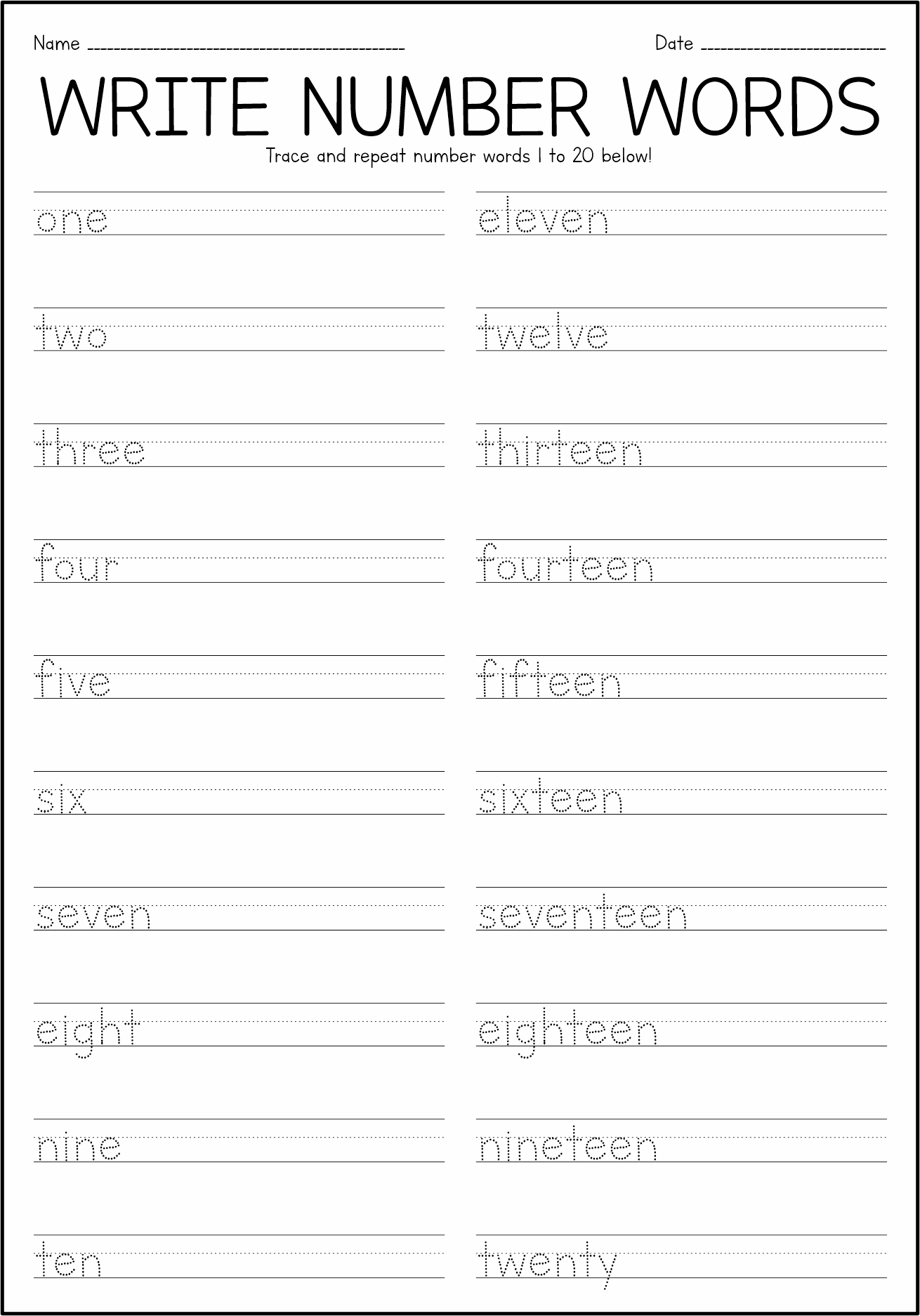
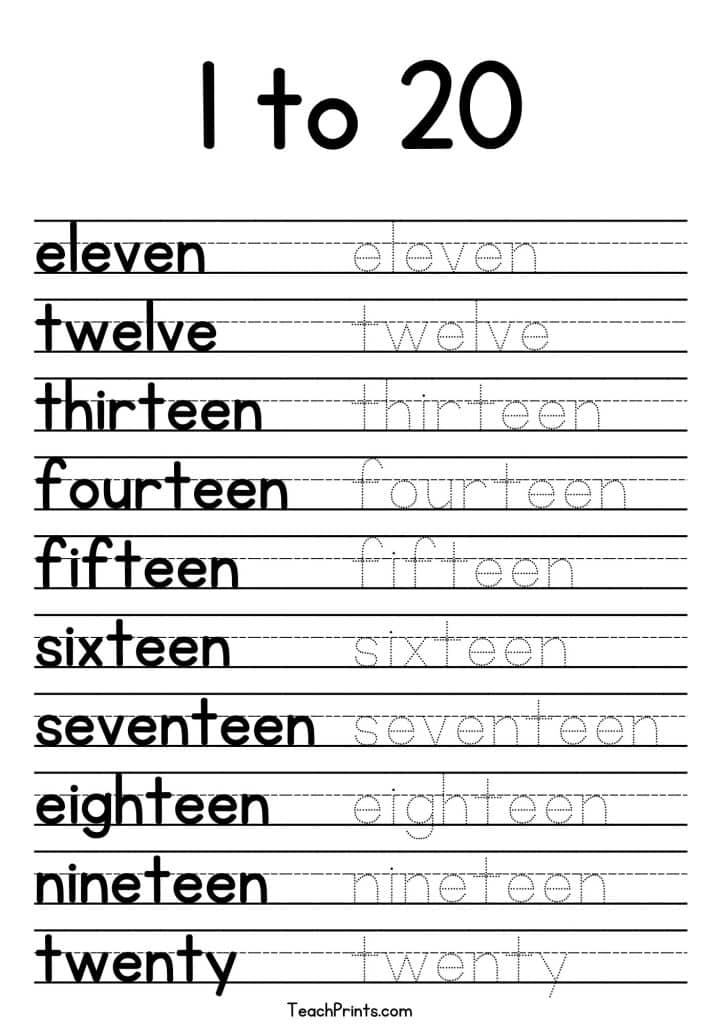
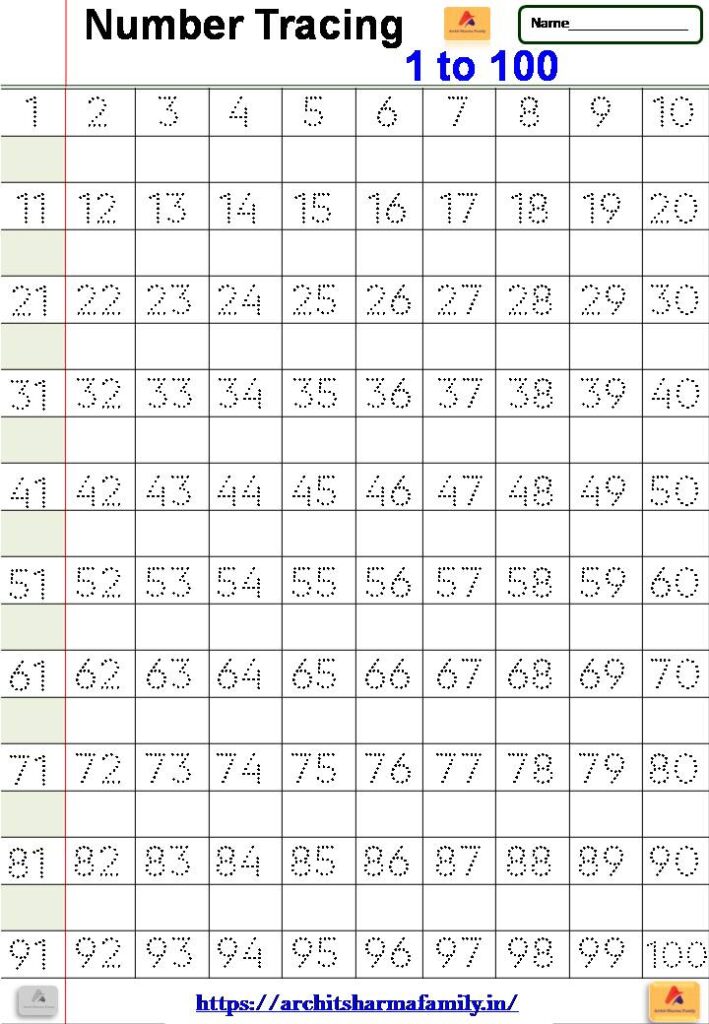
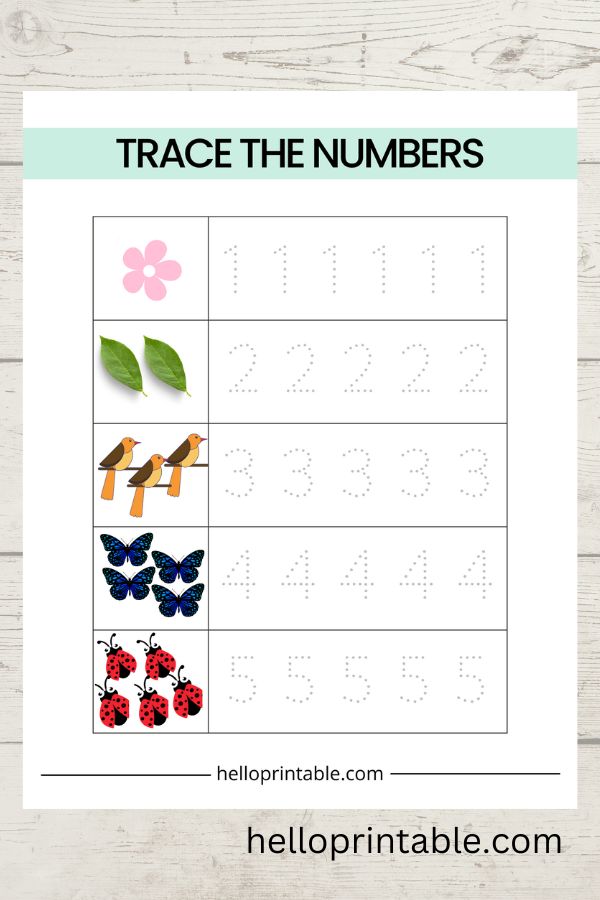
This printable resource provides a structured pathway for children mastering both numerals and number words from one to twenty. Each row introduces a numerical digit paired with its spelled-out word, giving learners double the practice in a single layout. The layout uses carefully engineered dotted lines that guide the pencil tip through precise directional paths, starting points, and continuous curves. By moving sequentially from simple single-digit numbers to more complex teen numbers, the layout respects the natural cognitive and motor progression of early childhood. It sounds simple, and that is precisely the point. Removing visual clutter allows the brain to focus entirely on pencil control, proportional sizing, and letter formation within a defined writing space. Adults supporting young learners will find that this balanced approach reinforces spelling patterns simultaneously with pencil stroke execution. For more related activities, check out our Printable Activities For 3 Year Olds Numbers.
Key Learning Outcomes
Children engaging consistently with these printables achieve several interconnected developmental goals. First, the practice establishes reliable stroke order and directional habits for both numerals and alphabetic characters, which prevents awkward pencil habits from becoming permanent. Second, learners build essential finger dexterity and intrinsic hand strength by maintaining sustained, controlled contact with the writing utensil across multiple lines. Third, the layout strengthens number word recognition by visually linking quantities to their spelled-out equivalents, supporting early literacy integration. Finally, children develop visual-spatial awareness by learning to calibrate letter height, spacing, and baseline alignment within standard handwriting boundaries. These combined outcomes create a sturdy foundation for more advanced writing tasks across the primary grade levels.
How to Use This Worksheet
Successful implementation begins long before the pencil touches the paper. Setting up an ergonomic environment with a stable chair, feet flat on the floor, and a slightly slanted writing surface encourages proper posture and optimal wrist extension. Adults should initially guide the child’s hand to demonstrate the correct starting point for each stroke, gradually fading assistance as confidence builds. It helps to verbalize the movements aloud, such as saying “start at the top, curve around, and slide across” while tracing. Breaking the activity into manageable chunks prevents hand fatigue and keeps frustration at bay. Celebrating small victories, like maintaining a steady line or forming a tricky letter ‘e’ correctly inside a number word, keeps motivation high throughout the session.
Practical Tips for Parents and Teachers
Guiding young writers requires patience and close observation of physical mechanics. Adults should monitor pencil grip closely, watching for excessive thumb wraps or white-knuckle tension that signals fatigue. When a child struggles with a specific word or number, scaffolding the experience by tracing over a highlighter version first can ease the transition to standard dotted lines. Extending the learning beyond the page adds a multisensory dimension that cements memory. Children can trace numbers in trays of salt, mold them out of playdough, or air-write them using large arm movements. According to the National Association for the Education of Young Children, incorporating playful, hands-on learning experiences alongside paper-and-pencil tasks yields the strongest developmental gains for young children. Alternating between structured worksheets and active sensory play ensures that writing remains an engaging and positive part of the daily routine.
Age-Appropriate Recommendations
Aligning expectations with developmental stages ensures that children remain confident learners. For two to four-year-olds, focus centers primarily on pre-writing strokes, gross motor shoulder stability, and experimenting with thick crayons or markers on large-scale lines. Children in this bracket benefit from exploring foundational Shape and Line Tracing to build basic hand-eye coordination. Moving into the five to eight-year-old range, expectations shift toward refined pencil control, letter proportion, and orthographic mapping as outlined in the Common Core ELA standards for kindergarten and first grade (CCSS.ELA-LITERACY.L.K.1.A and L.1.1.A). During these primary years, introducing targeted Tracing Number pages helps solidify exact numeral formation and sequence comprehension. Older children can further expand their literacy skills by integrating Word and Name Tracing exercises to bridge numerical words with everyday vocabulary. Matching the task precisely to the child’s current fine motor capability prevents burnout and fosters genuine academic self-efficacy.
Early writing proficiency is fundamentally linked to the development of fine motor strength, visual-spatial perception, and consistent multisensory practice during the preschool and primary years. — National Association for the Education of Young Children (NAEYC)
Frequently Asked Questions
Q: How do I download and print these number tracing sheets?
A: Click the download link on the resource page to save the file as a PDF, then print it directly from your computer using standard letter-sized paper.
Q: How does number and word tracing support fine motor development?
A: Tracing requires sustained hand-eye coordination, finger isolation, and controlled muscle tension, which directly strengthens the intrinsic hand muscles needed for legible handwriting.
Q: What does the American Occupational Therapy Association say about pencil grasp development?
A: The American Occupational Therapy Association emphasizes that children typically develop a mature tripod or quadrupod grasp between ages four and six through natural hand strengthening and playful manipulation of writing tools.
Explore More Free Printable Tracing Worksheets
Supporting a young writer involves offering a rich variety of practice materials that adapt as new skills emerge. Exploring the complete collection at KidTraces.com reveals hundreds of engaging options designed by educators and therapists. For children refining their foundational strokes, the Fine Motor and Pre-Writing Skills category offers fantastic hand-strengthening exercises. As learners progress into letter recognition, utilizing Dotted Letters For Tracing provides seamless continuity. Additionally, children learning foundational character shapes will thrive with resources found in Alphabet And Numbers Tracing. Every printable is crafted with care to ensure learning remains joyful, accessible, and developmentally sound for every child.
Developmental Milestone & Activity Table
| Development Stage | Recommended Daily Duration | Primary Learning Objective |
|---|---|---|
| Preschool & Pre-K | 10 – 15 Minutes | Pencil grip development & basic pre-stroke lines |
| Kindergarten | 15 – 20 Minutes | Letter/number formation & spatial line awareness |
| Early Elementary (Grade 1–2) | 20 – 30 Minutes | Fluency, sentence construction & neatness |
Images References