Introduction
Many children recognize numerals long before their tiny hands possess the hand strength and coordination required to form them on paper. According to the Centers for Disease Control and Prevention developmental milestones, four-year-olds typically begin drawing shapes with more precision and mimicking vertical or horizontal lines, marking a critical transition into formal symbol formation. Bridging this gap between cognitive awareness and physical capability requires intentional, playful practice that respects the developing hand. The number tracing 4 yrs printable meets this exact developmental window by providing gentle, scaffolded opportunities for young learners to master numeral and stroke order without frustration. It sounds simple, and that’s the point: structured tracing builds the muscle memory necessary for lifelong writing confidence.
💡 Educational Key Takeaways:
- Core Skill: Structured Number Tracing 4 Yrs focused on developing pencil grip, stroke control, and early literacy/math confidence.
- Target Scope: Suited for homeschoolers, preschool, kindergarten, and elementary learners.
- Best Recommendation: Practice 10–15 minutes daily with ergonomic writing tools to reinforce muscle memory without hand fatigue.
What This Worksheet Covers
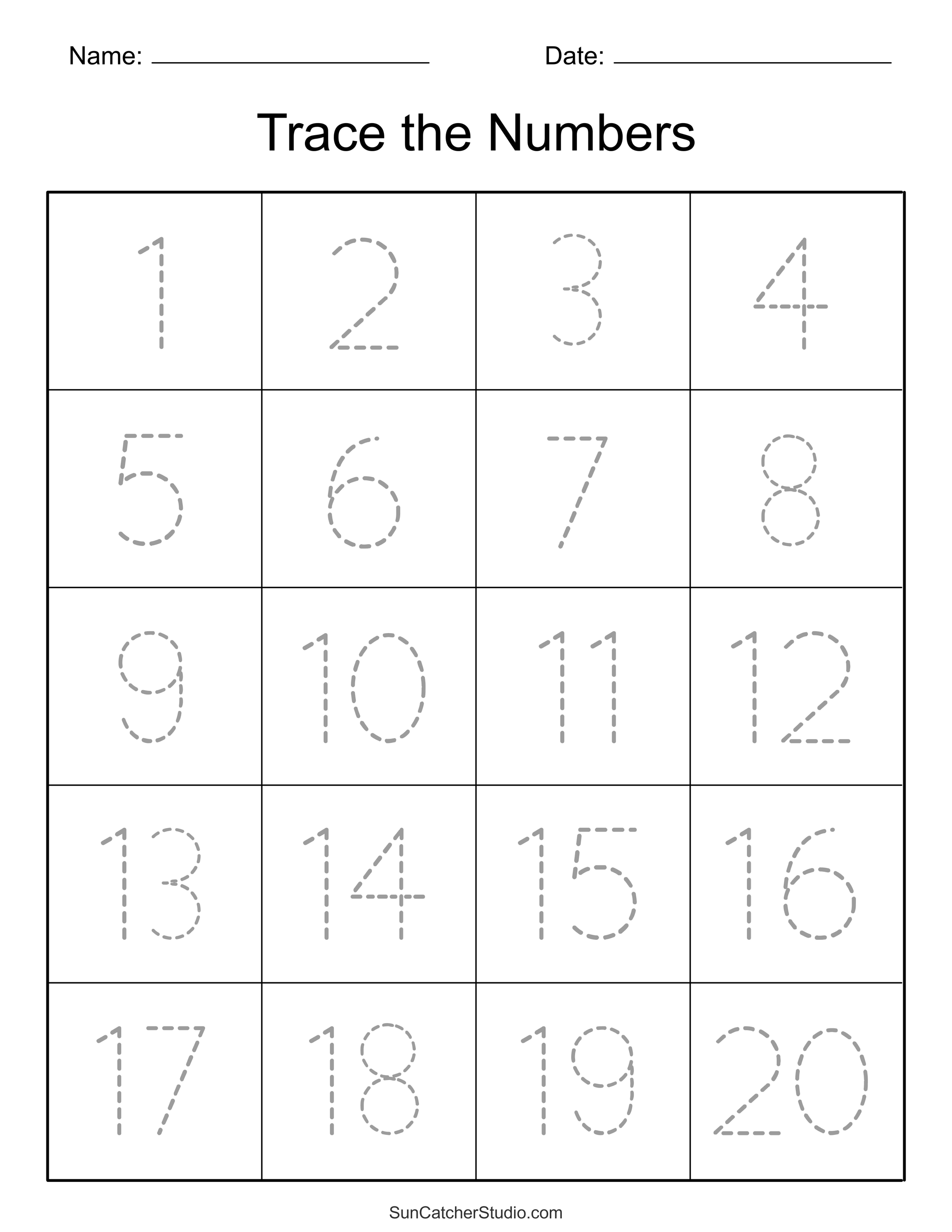
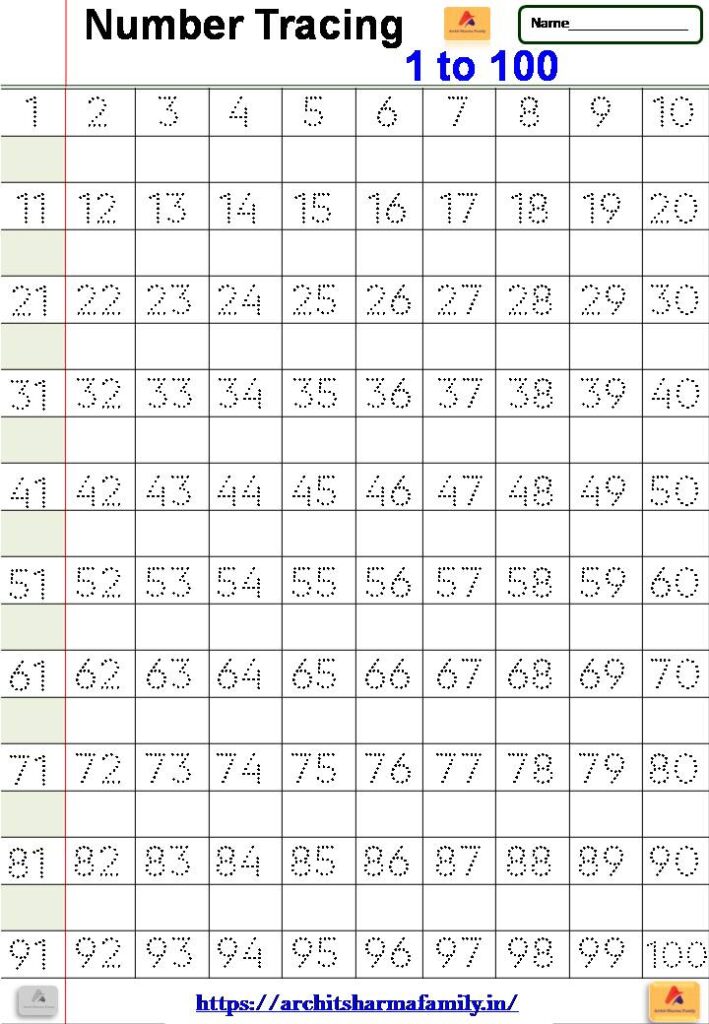
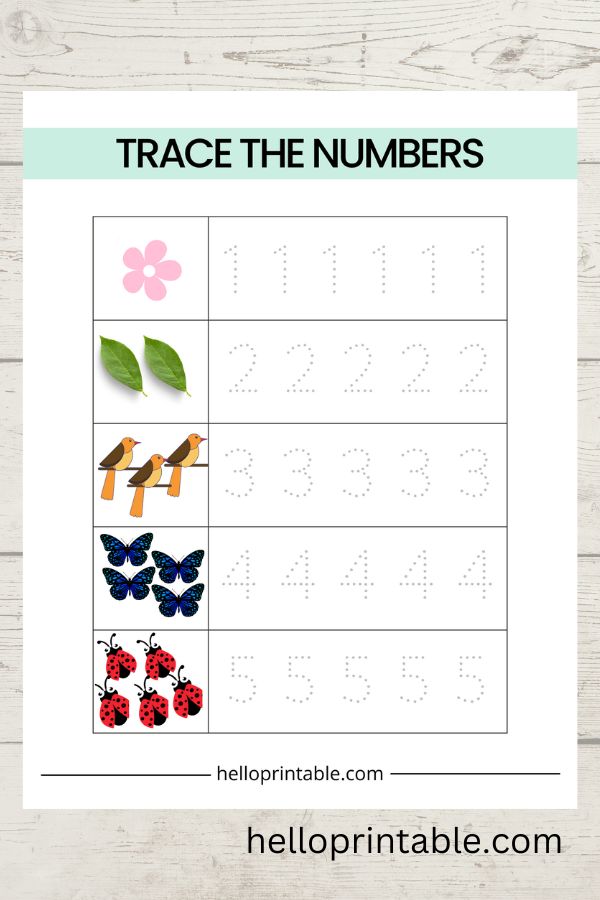
Targeting the foundational mechanics of numeral creation, this resource introduces children to guided formation, distinct starting points, and proper directional flow. Unlike standard coloring pages, these pages specifically isolate numbers zero through nine, offering oversized numerals with clear directional arrows and distinct starting dots. Children learn where a stroke begins and where it should end, transforming a confusing scribble into a recognizable symbol. Teachers often notice that without these visual cues, four-year-olds tend to draw numbers from the bottom up or use erratic loops that hinder future writing speed. By focusing intently on numeral formation and stroke order, the layout supports early mathematical literacy alongside essential pre-writing foundations. Further practice within this domain is readily available across the curated Tracing Number section.
Key Learning Outcomes
Working through these carefully designed pages helps young learners cultivate precise visual-motor integration while establishing correct pencil habits. Children steadily improve their pencil control as they navigate curves, diagonals, and straight lines within constrained boundaries. Consistent interaction with guided strokes promotes proper directional habits, ensuring numerals are built correctly from top to bottom and left to right. Spatial awareness also flourishes as children learn to keep their pencil strokes contained within clearly marked lines, an essential skill for future math worksheets and lined paper. Additionally, this repetition reinforces numeral recognition, securely linking the visual symbol of the number with its quantitative meaning and verbal name.
How to Use This Worksheet
Success with early writing tools relies heavily on multisensory engagement and keeping practice sessions remarkably brief. Adults should introduce the page by demonstrating the correct stroke in the air or on a textured surface before letting the pencil touch the paper. According to the American Occupational Therapy Association, utilizing vertical surfaces like easels or taped-up sheets on a wall naturally promotes an upright wrist posture and activates the necessary shoulder stability for fine motor control. Children benefit greatly from tracing the oversized numbers first with a chubby finger, then a textured crayon, and finally a standard pencil as their confidence grows. For additional support with foundational hand movements and foundational control, educators frequently incorporate strategies from the Fine Motor and Pre-Writing Skills collection.
Practical Tips for Parents and Teachers
Adults must monitor pencil grasp closely, gently encouraging a functional three-finger grip without causing undue hand fatigue or frustration. Scaffolding the activity makes a tremendous difference; if a child struggles with a full page of numbers, adults can cover parts of the sheet with a blank paper to reduce visual overwhelm and focus attention on a single numeral at a time. Extending the activity is just as easy by having children count out physical objects like small blocks or counters to match the traced number, cementing the link between abstract digits and real-world quantities. Keeping writing tools short, such as broken crayons or short golf pencils, naturally encourages an appropriate tripod grasp by making it difficult to wrap an entire fist around the barrel. When children need a change of pace from traditional numerals, exploring the Shape and Line Tracing category provides wonderful variety.
Age-Appropriate Recommendations
Aligning with the National Association for the Education of Young Children Developmentally Appropriate Practice guidelines, four-year-old learning materials must prioritize hands-on exploration, playfulness, and low-stress skill acquisition over rigid academic drilling. At age four, children are refining their grasp patterns and developing the intrinsic hand muscles needed for sustained writing tasks. While older children in kindergarten and early elementary grades utilize tracing sheets to refine cursive or neat manuscript spacing, preschoolers require generous spacing, thick tracing guides, and short, engaging sessions that last no longer than five to ten minutes. Honoring these natural developmental rhythms prevents hand cramping and fosters an enduring, positive attitude toward writing and mathematics.
Young children naturally develop the ability to imitate vertical lines and cross shapes around age four, laying the crucial groundwork for accurate numeral and letter formation. — Centers for Disease Control and Prevention Developmental Milestones
Frequently Asked Questions
Parents and educators often have specific questions regarding how to best implement tracing activities for young children. Clear answers help guide daily instruction and home practice routines effectively.
Explore More Free Printable Tracing Worksheets
Supporting a young learner’s journey through early literacy and pre-writing requires a rich variety of engaging, accessible resources. The full library at KidTraces.com offers countless free printables designed to nurture fine motor control, pencil dexterity, and confidence across every developmental stage. Exploring these carefully organized categories ensures that parents, teachers, and caregivers always have fresh, age-appropriate tools right at their fingertips. Get started today and watch young hands transform tentative marks into confident, beautiful strokes.
Developmental Milestone & Activity Table
| Development Stage | Recommended Daily Duration | Primary Learning Objective |
|---|---|---|
| Preschool & Pre-K | 10 – 15 Minutes | Pencil grip development & basic pre-stroke lines |
| Kindergarten | 15 – 20 Minutes | Letter/number formation & spatial line awareness |
| Early Elementary (Grade 1–2) | 20 – 30 Minutes | Fluency, sentence construction & neatness |
Images References