Introduction
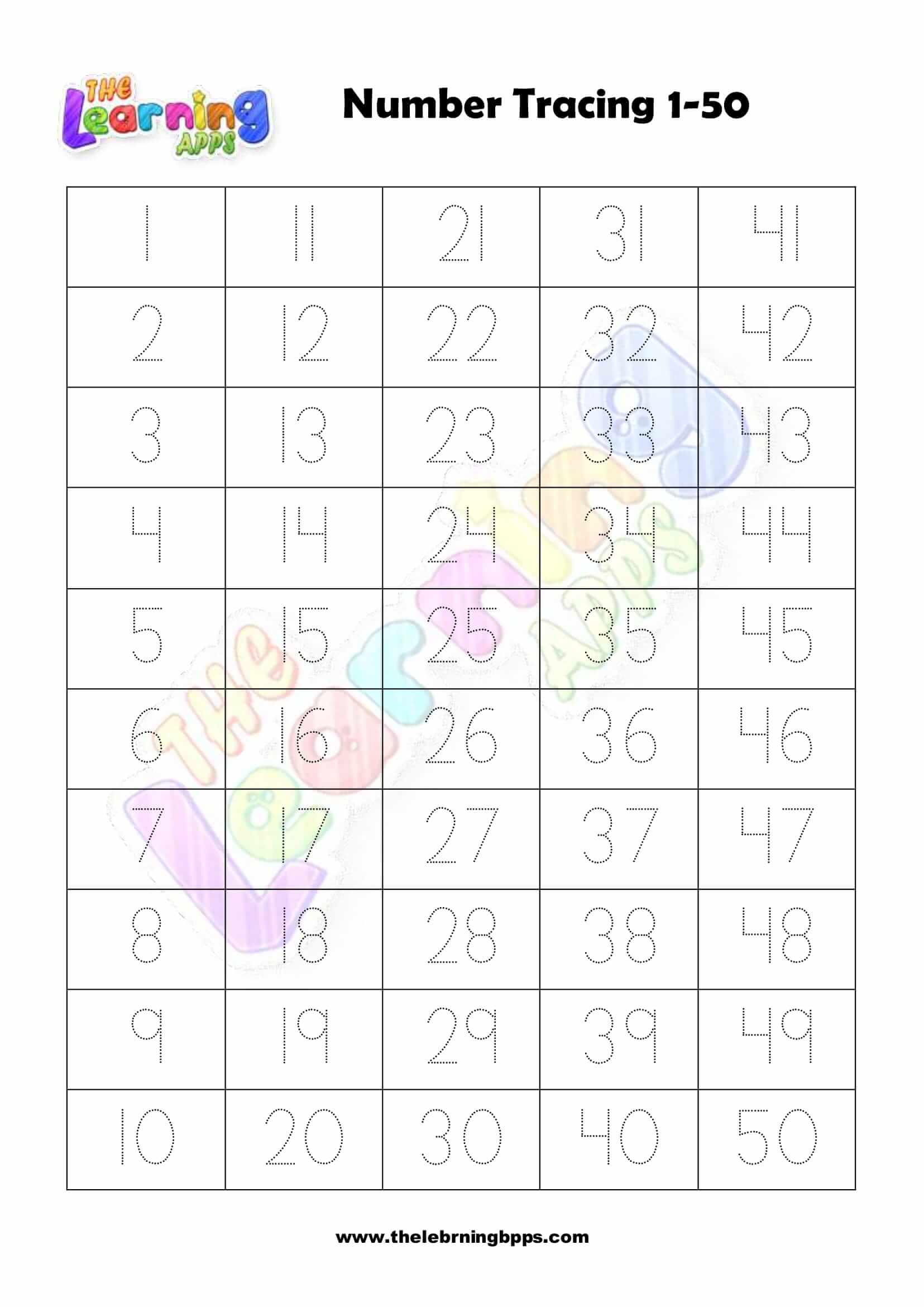
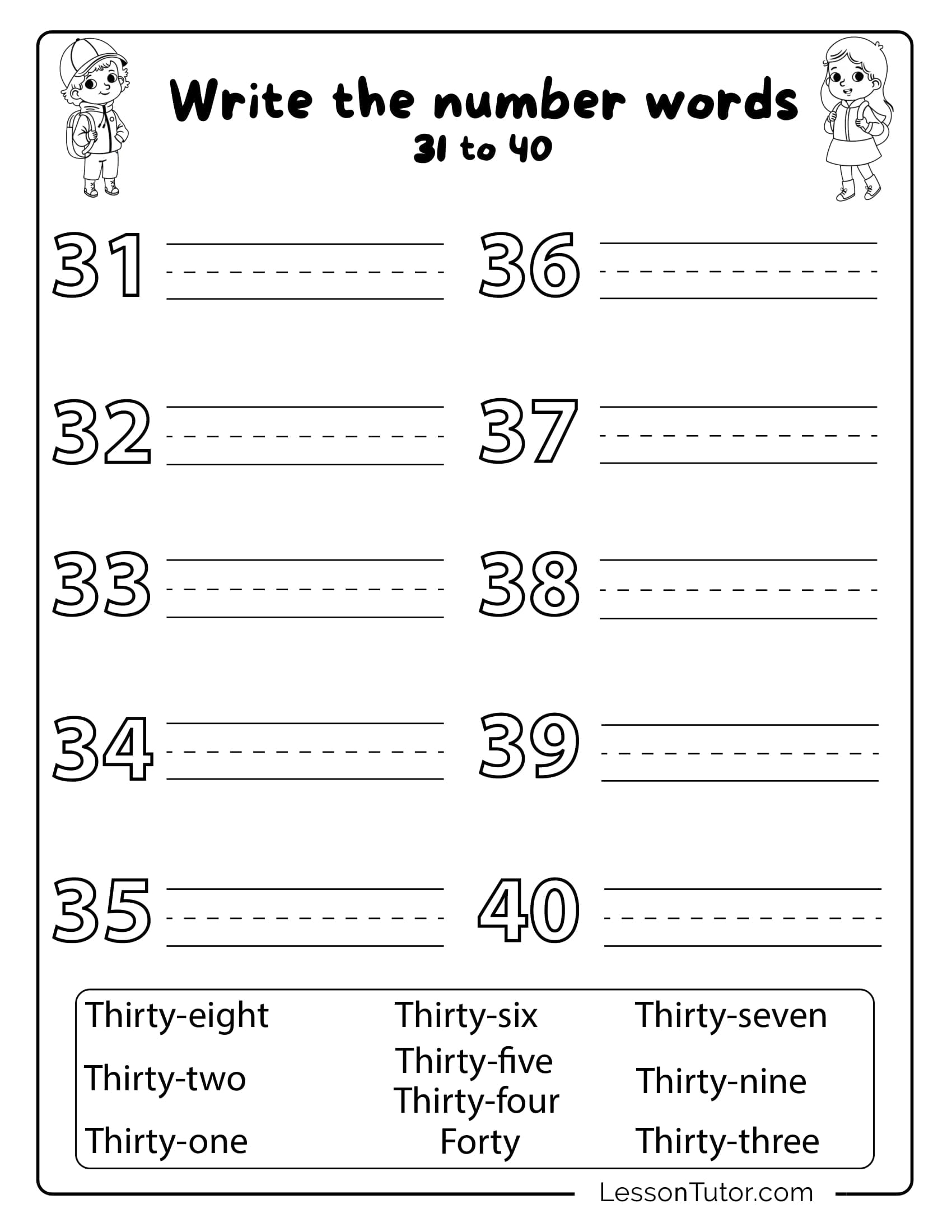
Many children recognize numerals long before their developing hands possess the intrinsic muscle strength required to form them on paper. According to the American Occupational Therapy Association, foundational fine motor control and tactile feedback are essential prerequisites for successful handwriting and symbol mastery in early childhood. Bridging the gap between cognitive numeral recognition and physical output requires targeted, methodical practice that respects hand fatigue and muscle maturity. That bridging process becomes significantly smoother when educators and caregivers utilize structured tracing materials designed specifically for spelling out numbers. The practice sheets foe number in words from 31-40 offer a specialized resource that merges early literacy with numeral spelling, guiding young learners through the complex transition from digits to written words. It sounds simple, and that is the exact point. Keeping the cognitive load manageable allows children to focus entirely on pencil control, letter sequencing, and consistent stroke production.
💡 Technical Key Takeaways:
- Core Focus: Diagnostic schematic and terminal connection layout for Practice Sheets Foe Number In Words From 31-40.
- Target Scope: Field technicians, automotive DIYers, and residential/commercial electricians.
- Safety Rule: Always disconnect the primary power source/battery terminal and verify zero voltage with a multimeter before touching wires.
What This Worksheet Covers
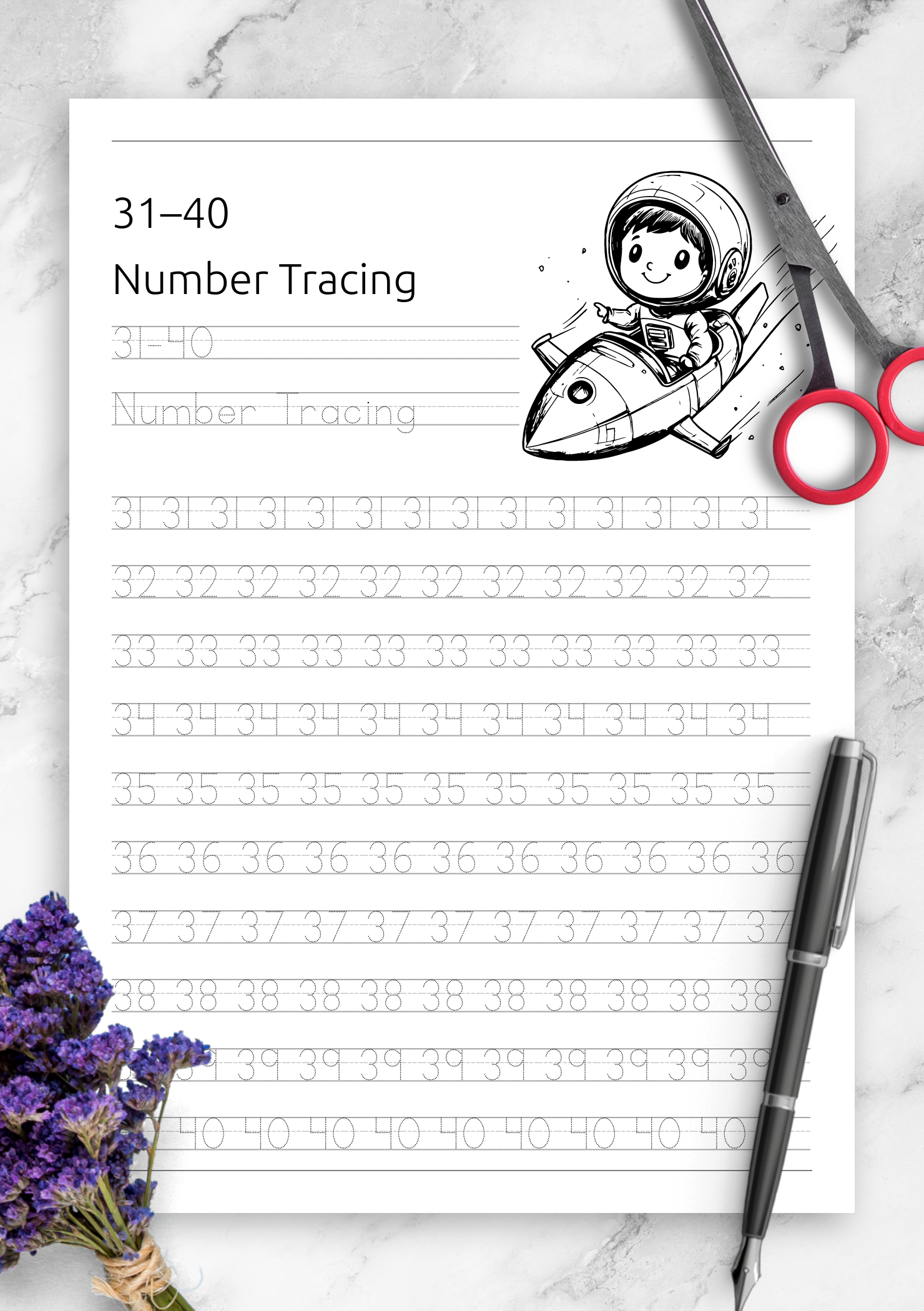
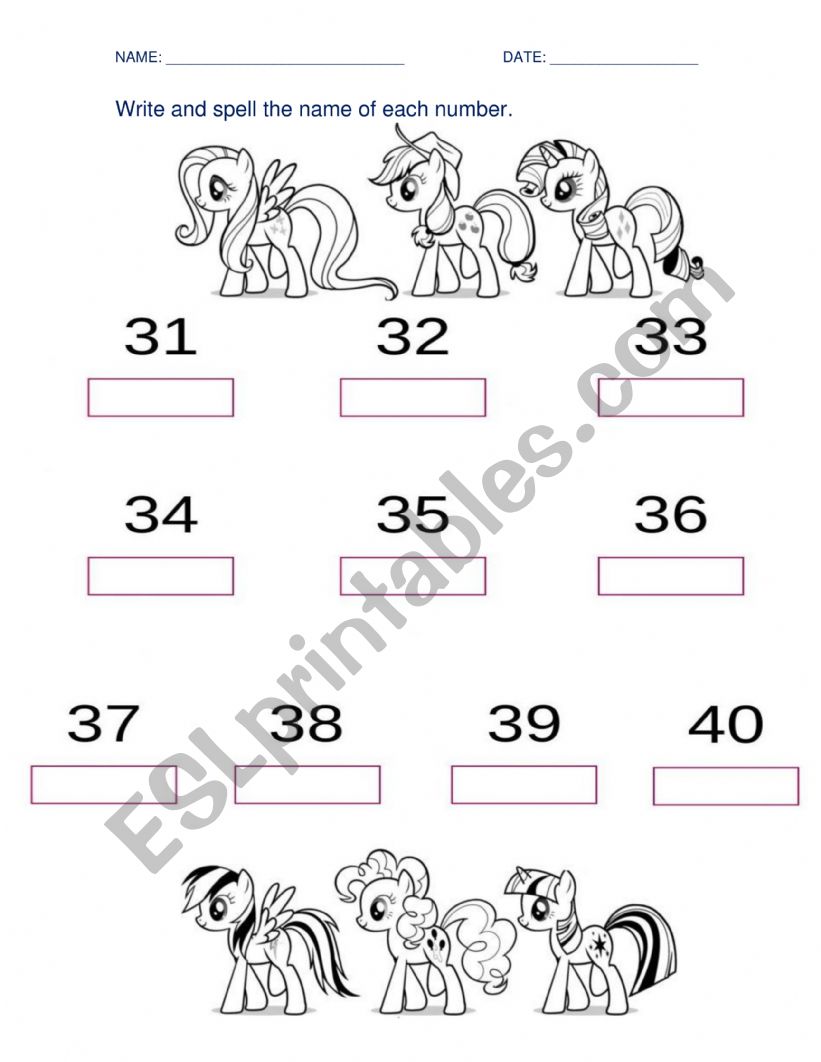
Moving past basic single-digit tracing, these pages focus on the decade spanning thirty-one through forty, requiring children to combine familiar root words with sequential modifiers. Each page features dotted lines that outline both lowercase letters and word structures, providing continuous guidance for directional movement and letter spacing. Hand fatigue often spikes when young learners attempt long letter strings, which is why this specific numerical range acts as an ideal bridge for endurance training. Children practice combining words like “thirty” with “one,” “two,” and beyond, reinforcing both spelling patterns and fine motor stamina simultaneously. Here is what makes this worksheet different: it treats spelling and pencil control as interconnected skills rather than separate academic subjects, helping the brain and hand work in seamless coordination. For more related activities, check out our Tracing Numbers Words 1 10.
Key Learning Outcomes
Working through these sheets yields multiple developmental benefits that extend far beyond simple handwriting compliance. Children enhance their orthographic mapping by repeatedly tracing letter sequences for decade words, which directly supports future spelling fluency. According to Reading Rockets, explicit practice with letter formation patterns builds the automaticity necessary for higher-level written expression. Furthermore, navigating multi-letter words within confined spaces refines visual-motor integration, teaching hands how to regulate stroke length and maintain consistent baseline orientation. Learners also solidify their understanding of base-ten concepts through literacy integration, connecting the spoken word, the written numeral, and the spelled vocabulary term into a unified cognitive concept. These milestones collectively foster academic confidence as children realize they can successfully write complex number words independently.
How to Use This Worksheet
Successful implementation relies heavily on setting up a supportive workspace that encourages correct posture and natural movement. Begin by placing the paper on a flat surface with a slight downward slant that matches the natural arc of a child’s writing hand. It helps to encourage an efficient tripod grip, but remember that developing hand muscles often require gentle reminders rather than rigid correction. Adults should supervise the initial attempts to ensure learners start tracing from the correct directional points, typically at the top left of each letter. Breaking the practice into manageable chunks prevents frustration and protects small hands from overuse injuries associated with cramping and excessive pressure.
Practical Tips for Parents and Teachers
Scaffolding the learning experience transforms a standard tracing exercise into an engaging developmental milestone. Adults can model proper stroke formation on a separate whiteboard, talking aloud about starting points and line directions to engage auditory learners. When a child encounters difficulty with a tricky letter transition inside words like “thirty,” temporary physical guidance or finger tracing over the dotted lines can reactivate muscle memory. Extending the activity might involve asking learners to count out thirty-five manipulatives before writing the corresponding word, grounding abstract handwriting in tangible reality. Positive reinforcement should focus on effort, steady pacing, and line adherence rather than perfection, keeping the emotional climate light and encouraging.
Age-Appropriate Recommendations
Aligning expectations with developmental frameworks ensures that children remain motivated and avoid unnecessary physical strain. According to the National Association for the Education of Young Children guidelines on developmentally appropriate practice, children aged five to six are refining pencil control and transitioning toward standard letter size and spacing. Therefore, these spelling sheets are best suited for older kindergarteners and early first graders who have already mastered basic pre-writing strokes and single-digit numbers. Younger children aged two to four benefit more from foundational Shape and Line Tracing to build fundamental hand strength. Meanwhile, educators working with early elementary students can seamlessly integrate these sheets alongside broader number units found within the Tracing Number collection to reinforce comprehensive math literacy.
Foundational fine motor control and tactile feedback are essential prerequisites for successful handwriting and symbol mastery in early childhood. — American Occupational Therapy Association
Frequently Asked Questions
Clear guidance helps caregivers maximize the utility of printable educational resources at home and in the classroom.
Explore More Free Printable Tracing Worksheets
Expanding a child’s writing toolkit requires access to a diverse array of targeted practice materials that grow alongside their abilities. Whether focusing on foundational pencil strokes, alphabet mastery, or seasonal engagement, structured repetition remains the cornerstone of early childhood success. Educators and families can explore additional resources, including specialized Word and Name Tracing exercises and engaging Seasonal and Fun Themes, to keep learning dynamic. Discover the full collection of developmental tools by visiting the primary resource library at KidTraces.com for everyday printing needs.
Quick Wiring Specifications & Terminal Guide
| Component / Circuit | Standard Wire Gauge | Recommended Protection |
|---|---|---|
| Control & Trigger Signals | 18 – 20 AWG | 5A – 7.5A Inline Fuse |
| Standard Auxiliary Load | 14 – 16 AWG | 15A – 20A Circuit Breaker |
| Main Power Feed / Supply | 10 – 12 AWG | 30A – 40A Heavy-Duty Relay |
Images References