Introduction
Many children recognize numbers and letters long before their fine motor skills are strong enough to actually form them on paper. This developmental gap often creates frustration during early writing instruction. According to the American Occupational Therapy Association, foundational hand strength and stability must be established before children can successfully master precise pencil control. Bridging this gap requires tools that reduce cognitive and physical load. Enter the trace numbers large printable, a specialized resource designed to support early numeral formation without overwhelming tiny hands. Children frequently need oversized visual guides to map out spatial awareness before transitioning to standard notebook lines. It sounds simple, and that’s the point. By expanding the physical scale of the numeral, the brain and muscles can focus entirely on correct stroke direction and fluid movement.
💡 Technical Key Takeaways:
- Core Focus: Diagnostic schematic and terminal connection layout for Trace Numbers Large Printable.
- Target Scope: Field technicians, automotive DIYers, and residential/commercial electricians.
- Safety Rule: Always disconnect the primary power source/battery terminal and verify zero voltage with a multimeter before touching wires.
What This Worksheet Covers
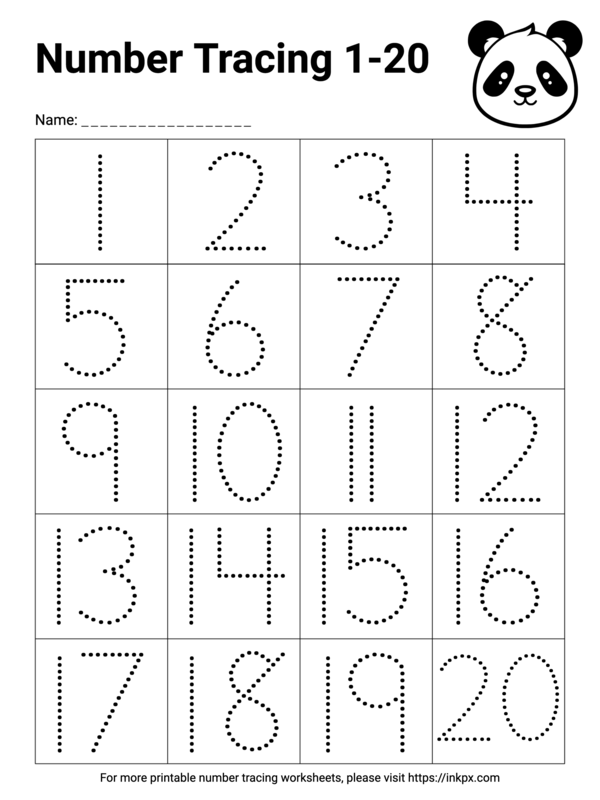
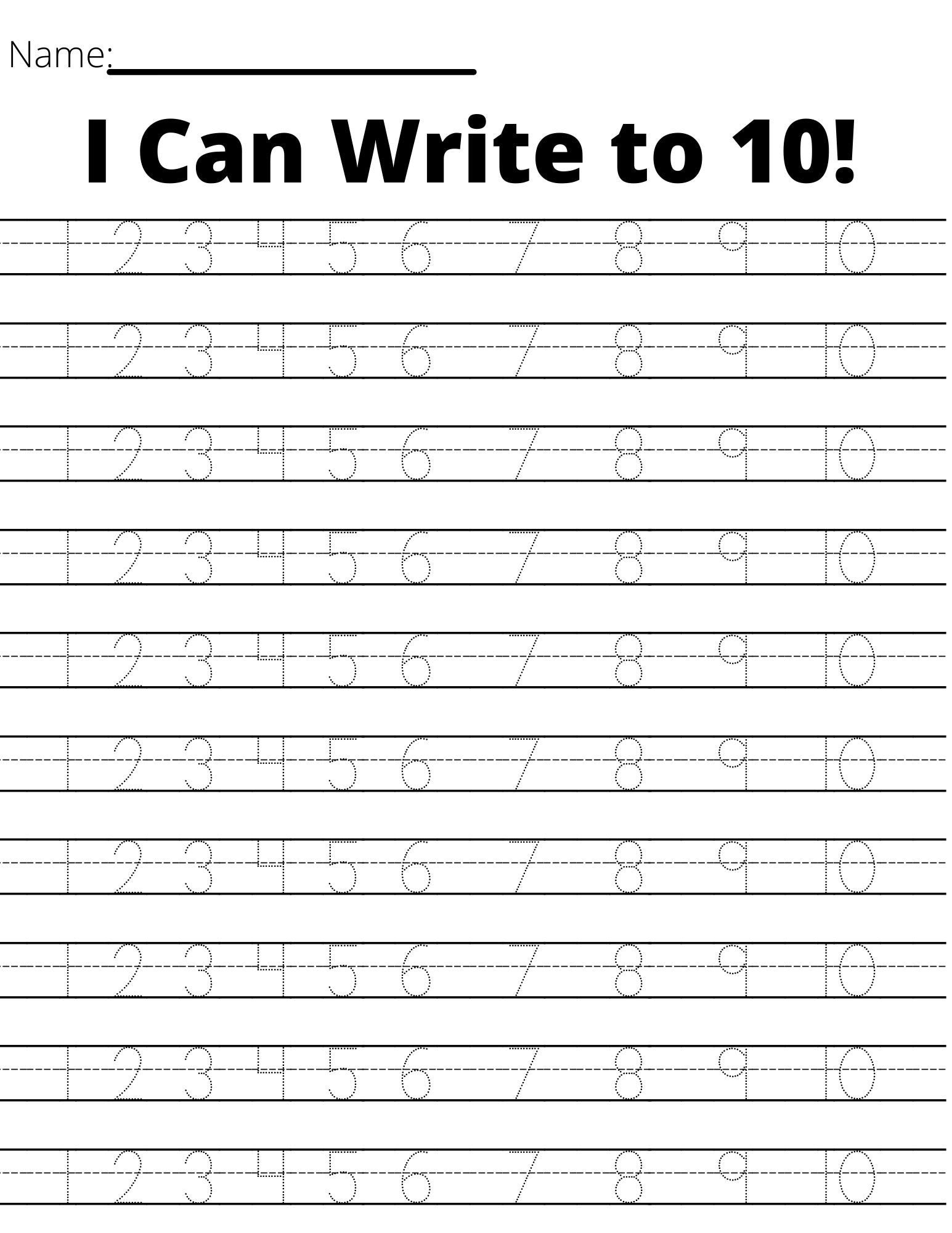
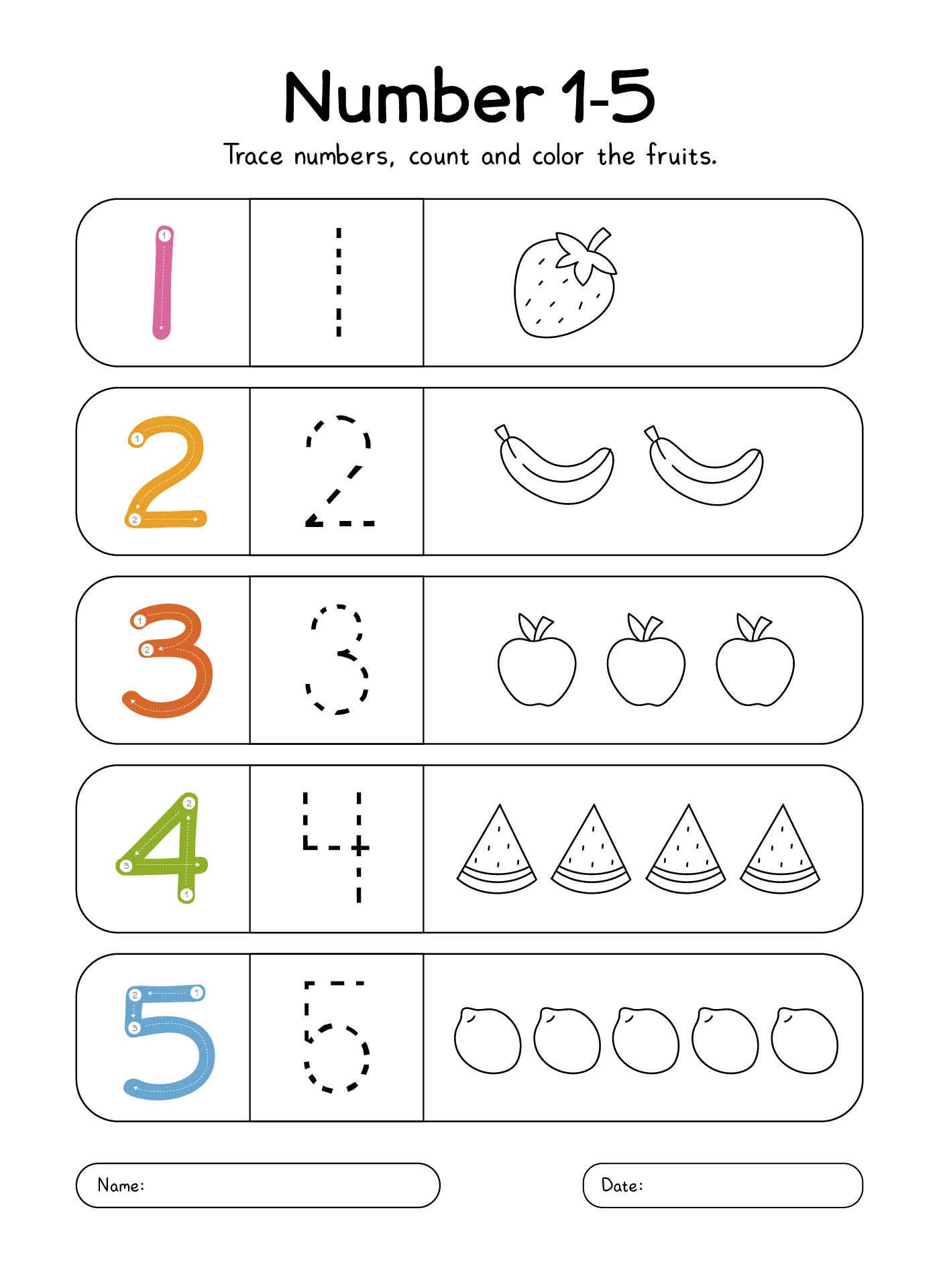
The trace numbers large printable focuses heavily on proper numeral formation, directional stroke order, and spatial orientation. Each digit is presented at an enlarged scale, offering ample workspace for developing hand-eye coordination. Guided starting points and directional arrows remove the guesswork from writing, ensuring that children build positive muscle memory rather than reinforcing awkward habits. Exploring these sheets provides a predictable visual structure that supports children who struggle with miniature grid lines or standard handwriting paper. For more related activities, check out our Abc And Number Tracing Worksheets.
Key Learning Outcomes
Engaging with large-scale numeral tracing builds foundational pre-writing capabilities by reinforcing consistent stroke sequencing from top to bottom. Children learn to coordinate visual cues with physical hand movements, establishing the visual-motor integration necessary for academic success. Consistent practice on Tracing Number resources enhances pencil pressure control and lane management within defined boundaries. Furthermore, repeated exposure to these oversized digits bridges the gap between visual numeral recognition and active physical execution.
How to Use This Worksheet
Successful implementation begins with setting up an ergonomic workspace where feet rest flat on the floor and the writing surface sits at a comfortable elbow height. Adults should introduce the sheet by demonstrating the correct starting point of each numeral in the air before putting a pencil to paper. It helps to use multi-sensory approaches, such as having children trace the large digits with a finger or a textured marker before using standard writing utensils. Here’s what makes this worksheet different: the oversized format accommodates various grasps, allowing children to succeed whether they use a mature tripod grip or an early developmental grasp.
Practical Tips for Parents and Teachers
Scaffolding the learning process prevents fatigue and keeps frustration levels low during practice sessions. Adults should limit tracing sessions to short, five-minute intervals to protect developing hand muscles from cramping. Modeling the exact stroke sequence while verbalizing the motion—such as saying “around and back down” for the number two—helps internalize the physical pattern. According to the National Association for the Education of Young Children, active adult scaffolding during foundational skill tasks significantly boosts children’s confidence and self-regulation. When children begin to tire, transition them to thicker crayons or sensory tracing options rather than forcing standard pencils.
Age-Appropriate Recommendations
For children ages two to four, focus strictly on sensory engagement, large-scale pre-writing strokes, and gross motor warm-ups before introducing fine motor sheets. At this stage, aligning with the Handwriting Without Tears developmental progression ensures that expectations match physical readiness. For children ages five to eight, the trace numbers large printable serves as a remedial or reinforcement tool for refining stroke precision and numbering sequence. Older children benefit from using these sheets to correct persistent reversals, such as backward threes or mirrored fives, by emphasizing directional cues and anchor points.
Proficiency in early handwriting and numeral formation correlates strongly with overall cognitive load management and later academic achievement. — National Association for the Education of Young Children (NAEYC)
Frequently Asked Questions
Finding the right tools for early education often brings up practical questions regarding execution and developmental timing. The answers below address common inquiries from educators and caregivers navigating early writing milestones.
Structured pre-writing and tracing activities improve fine motor control and visual-motor integration in young children. — American Occupational Therapy Association (AOTA)
Explore More Free Printable Tracing Worksheets
Supporting a well-rounded early childhood curriculum requires access to diverse, adaptable resources that grow alongside children’s abilities. Beyond numerical worksheets, exploring options like Shape and Line Tracing helps build fundamental pencil control. For literacy development, educators often integrate Dotted Letters For Tracing into daily centers. Comprehensive collections of Tracing Worksheets are available to support every stage of pre-writing development. Visitors can browse the full library of developmental resources directly at KidTraces.com to find materials tailored to specific learning goals.
Quick Wiring Specifications & Terminal Guide
| Component / Circuit | Standard Wire Gauge | Recommended Protection |
|---|---|---|
| Control & Trigger Signals | 18 – 20 AWG | 5A – 7.5A Inline Fuse |
| Standard Auxiliary Load | 14 – 16 AWG | 15A – 20A Circuit Breaker |
| Main Power Feed / Supply | 10 – 12 AWG | 30A – 40A Heavy-Duty Relay |
Images References