Introduction
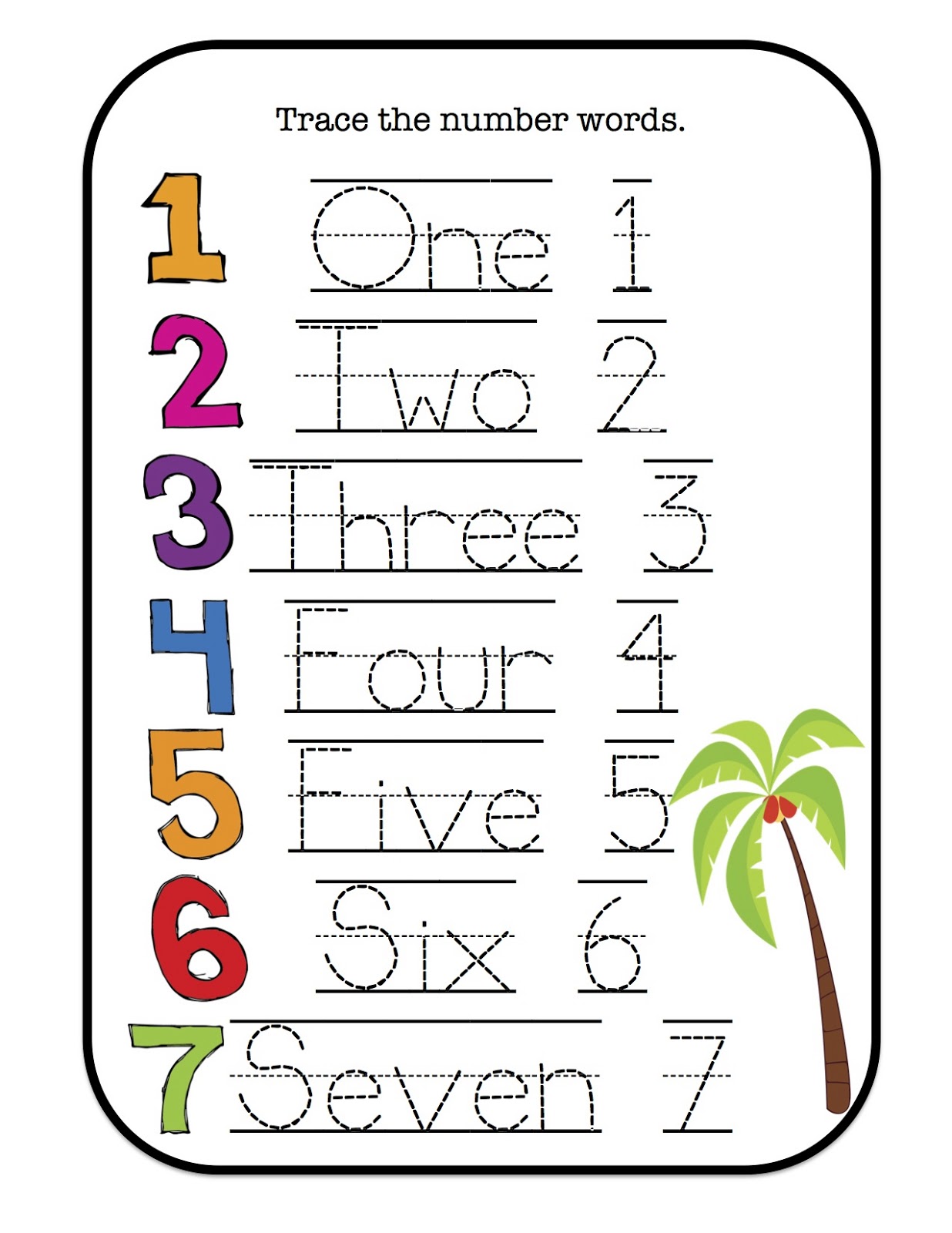
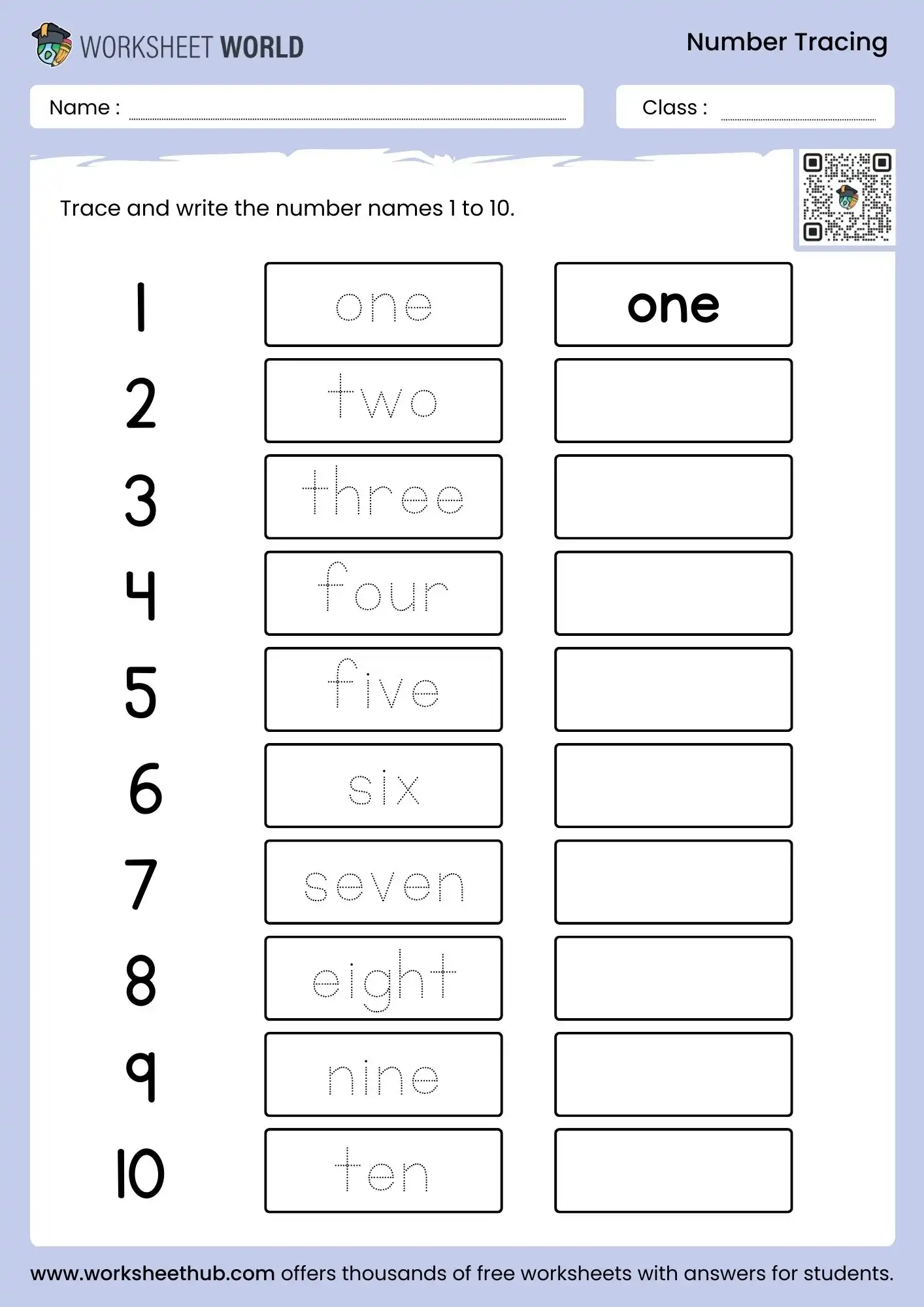
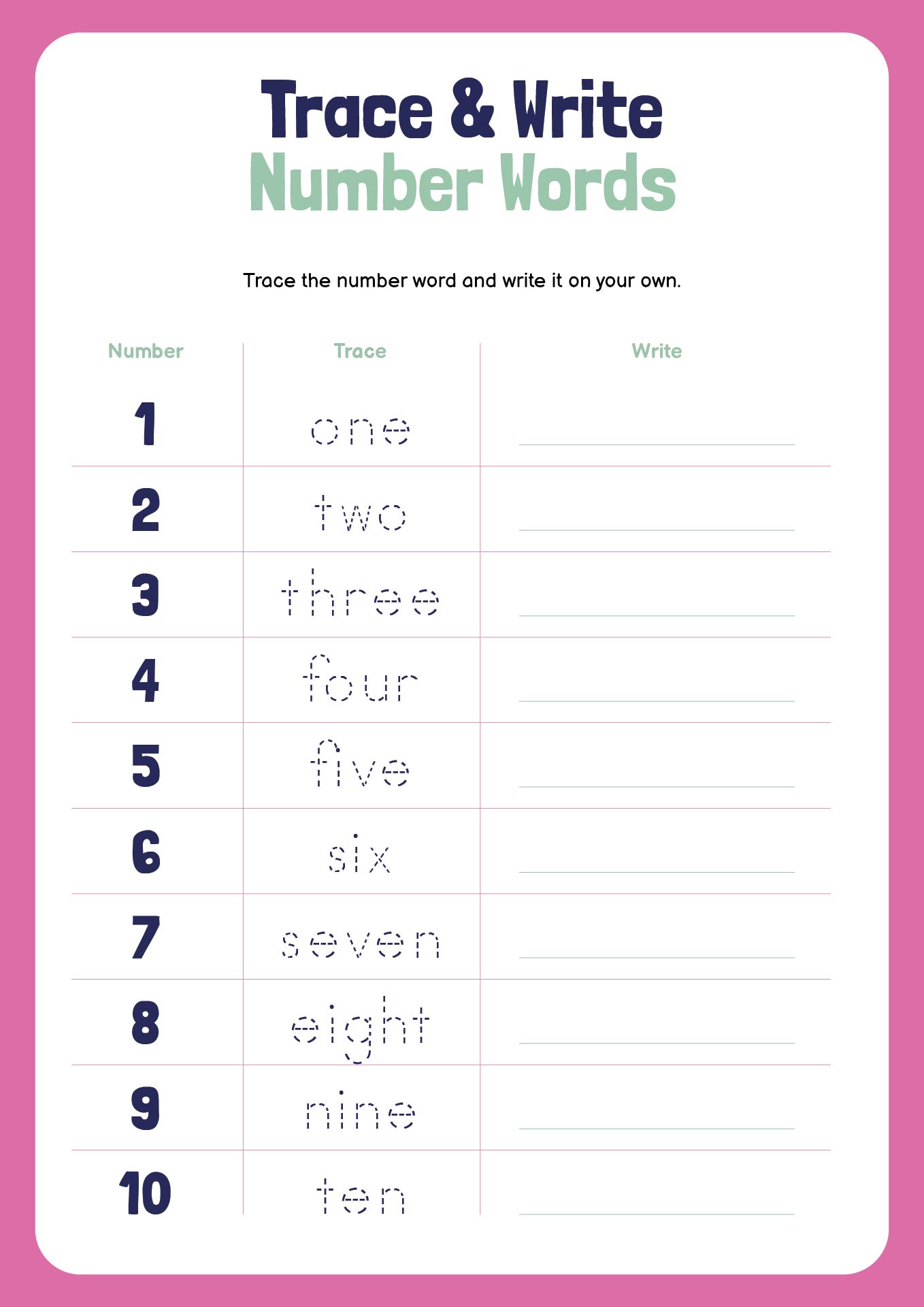
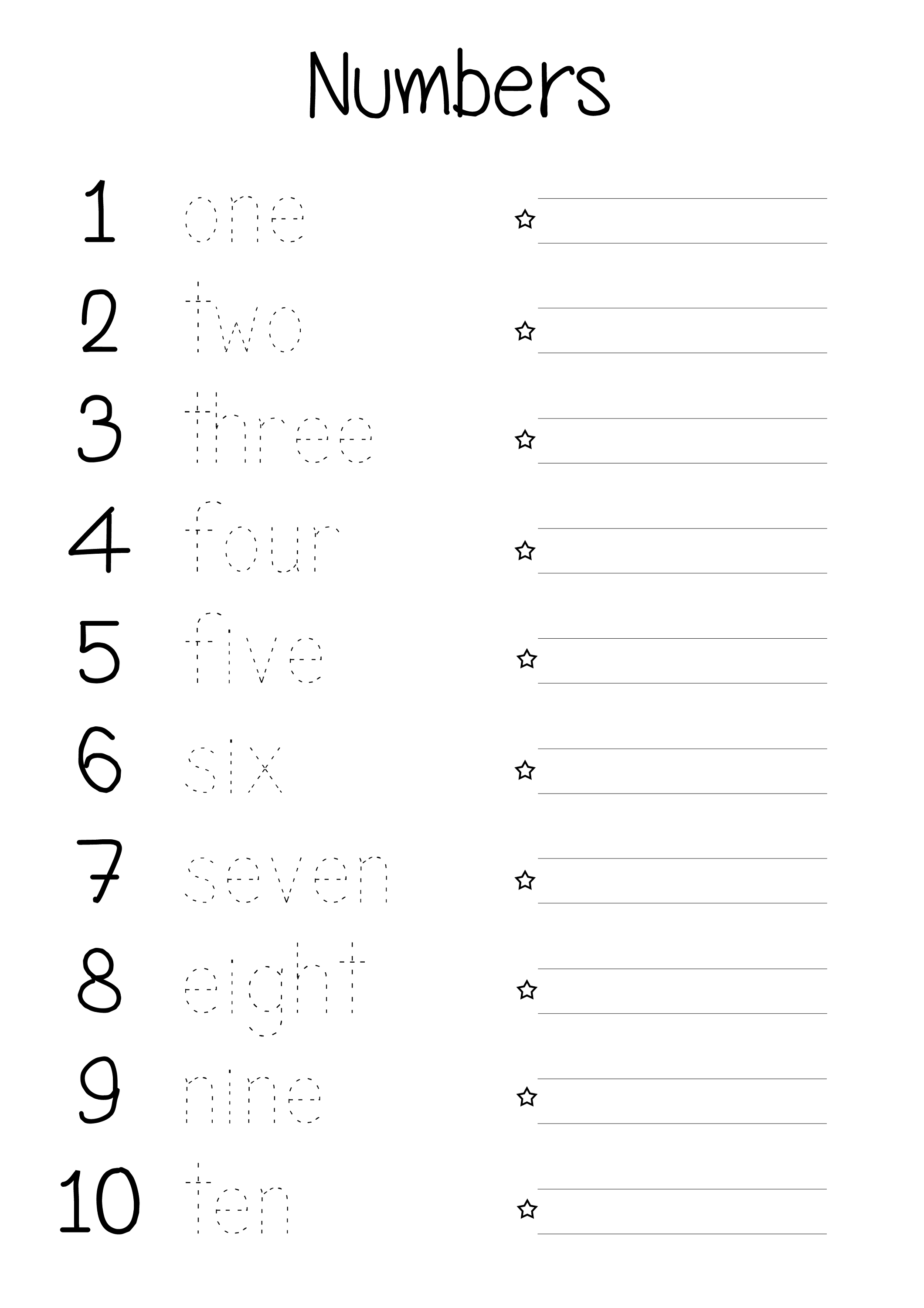
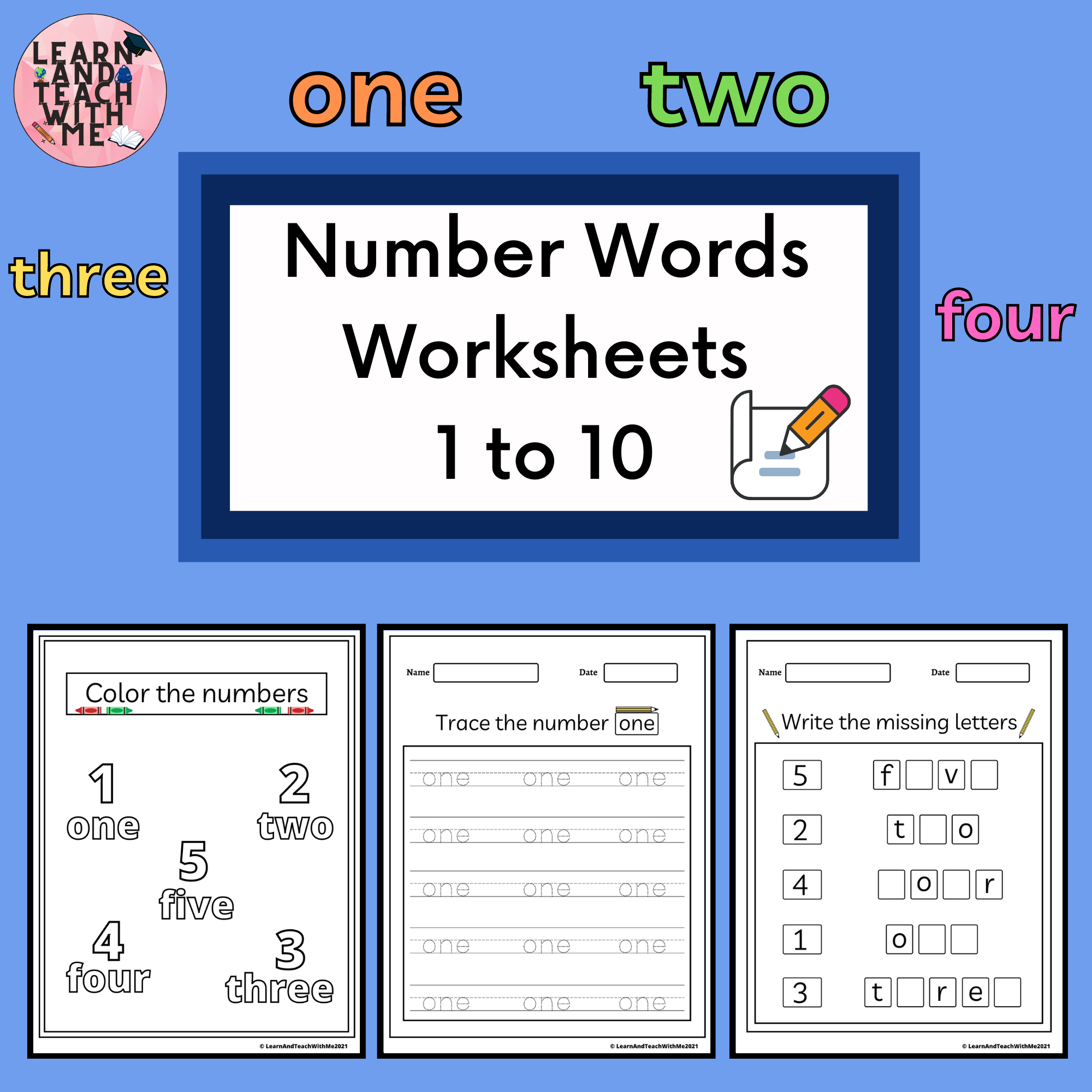
Many children recognize numerals and letters long before their little hands possess the muscle endurance and dexterity required to form them on a blank page. According to the National Association for the Education of Young Children (NAEYC), early writing development relies heavily on meaningful, developmentally appropriate practice that bridges visual recognition with physical execution. Young learners often look at a number like seven and know its value instantly, yet translating that mental image into a controlled pencil stroke remains a steep physical hurdle. Bridging this gap requires targeted tools that guide the hand without creating frustration. The free printable tracing numbers words 1 10 offers a structured approach that connects abstract number symbols with concrete letter formations. By pairing numerals with their written word counterparts, this resource supports early math vocabulary alongside critical pre-writing mechanics. Tracing guides little fingers through the precise starting points, continuous lines, and directional loops essential for legible handwriting down the road. It sounds simple, and that is the exact point. Keeping the cognitive load low allows the hand to focus purely on motor control and spatial awareness.
💡 Educational Key Takeaways:
- Core Skill: Structured Tracing Numbers Words 1 10 focused on developing pencil grip, stroke control, and early literacy/math confidence.
- Target Scope: Suited for homeschoolers, preschool, kindergarten, and elementary learners.
- Best Recommendation: Practice 10–15 minutes daily with ergonomic writing tools to reinforce muscle memory without hand fatigue.
What This Worksheet Covers
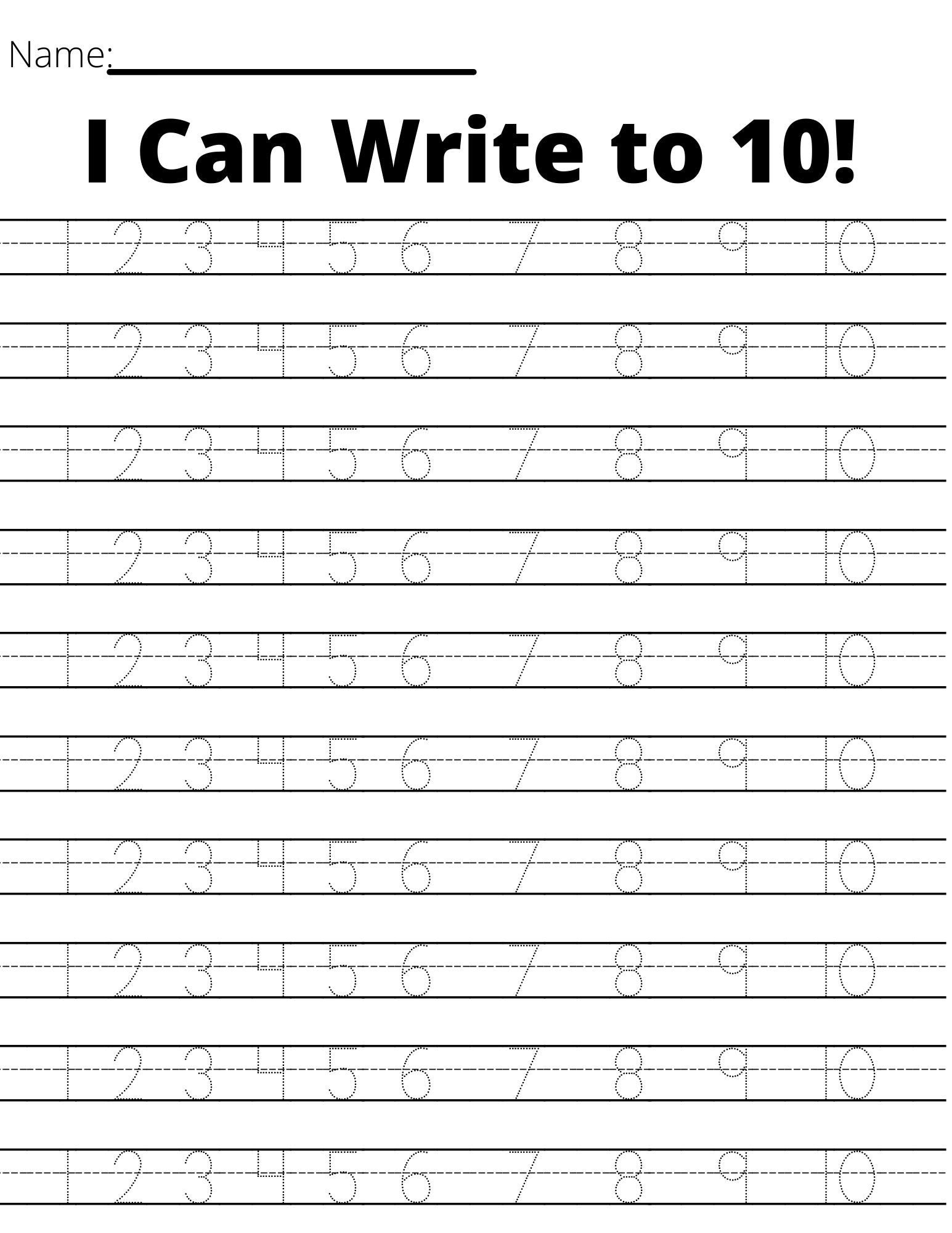
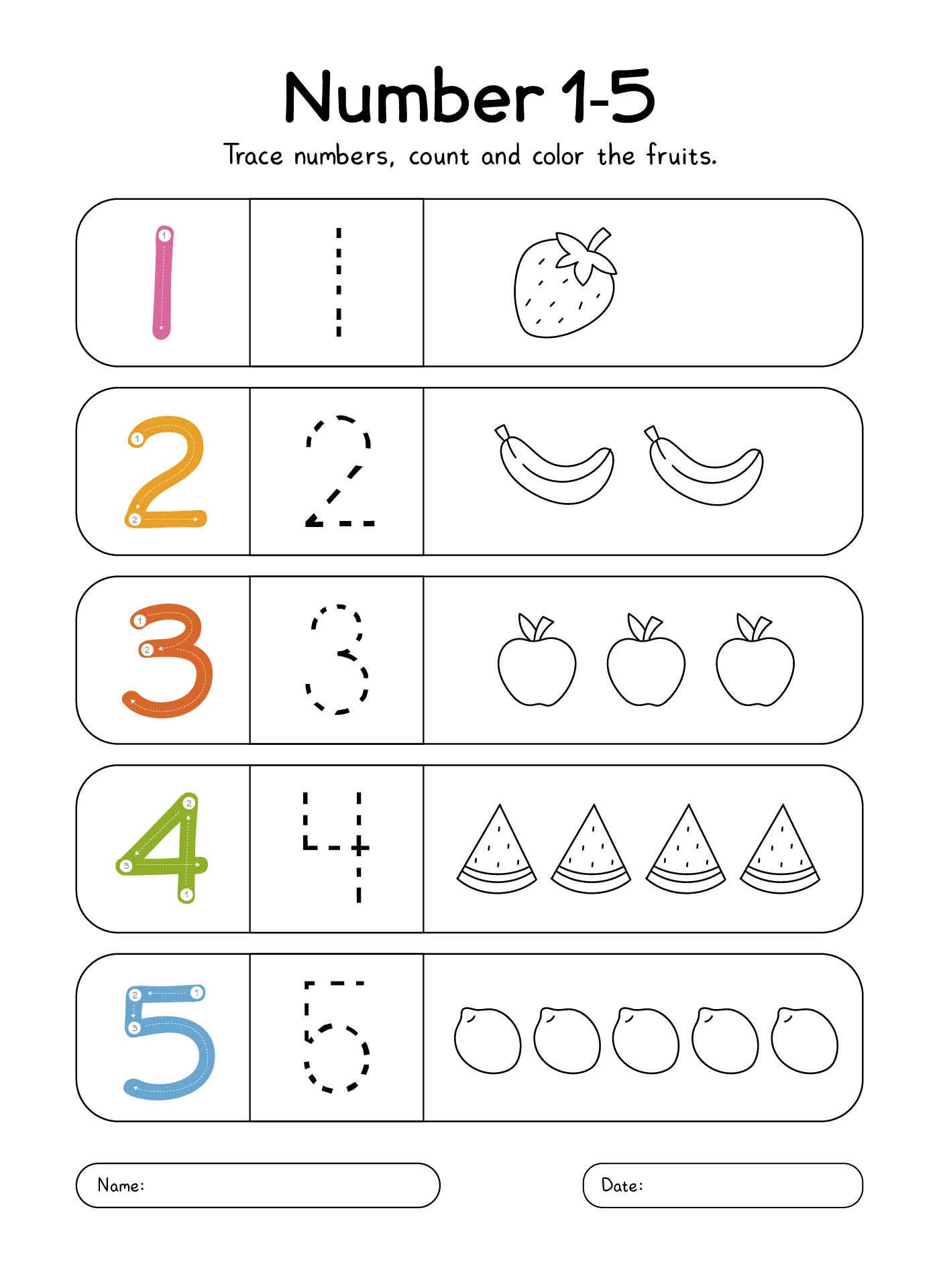
Every page in this collection focuses on dual-representation learning, where the numeric digit and its corresponding English word share space on the tracing line. Children encounter the numeral alongside the spelled-out word, establishing a foundational link between math concepts and early literacy. The design incorporates distinct starting dots and directional arrows that teach proper stroke order from the very first session. According to the American Occupational Therapy Association (AOTA), explicit instruction in stroke sequence reduces hand fatigue and prevents the formation of inefficient motor habits that prove difficult to correct later. The layout provides ample white space to prevent visual clutter, ensuring that young learners stay focused on the task at hand. Dotted guidelines support both uppercase and lowercase letter formation within the number words, cultivating consistency in size, spacing, and alignment. This dual-focus format transforms standard handwriting practice into a comprehensive early childhood exercise.
Key Learning Outcomes
Working through these pages builds precise finger dexterity and spatial orientation by requiring children to navigate both curved and straight lines within constrained boundaries. Learners master proper stroke sequence and directional flow for numerals one through ten, which lays the groundwork for fluid, automatic handwriting. The activity simultaneously reinforces number recognition and early spelling skills by repeatedly exposing the eye and hand to written number words. Fine motor control improves noticeably as little fingers practice grading pressure—pressing softly for delicate curves and firmer for straight descending strokes. Finally, children build crucial confidence and stamina for independent writing tasks as they successfully complete each row from left to right.
How to Use This Worksheet
Successful implementation begins long before putting pencil to paper by ensuring the child sits in an ergonomically supportive chair with feet flat on the floor and hips at a ninety-degree angle. Placing the paper on a slight upward slant often matches the natural resting angle of a child’s forearm, encouraging a relaxed, functional grasp. Adults should introduce each number by having the child trace the large model with an index finger in the air before touching the paper. This gross-to-fine motor progression helps encode the stroke pattern into muscle memory before fine motor tools are introduced. Transitioning to writing tools can involve thicker crayons or short pencils to naturally promote a mature tripod grasp without causing hand cramping. Keeping sessions short, engaging, and positive ensures that children remain motivated rather than overwhelmed by the physical demands of writing.
Practical Tips for Parents and Teachers
Scaffolding the learning process makes a tremendous difference when children encounter tricky numerals like three, five, or eight. Adults can gently cover completed sections to minimize visual distraction, allowing the developing brain to focus on one stroke at a time. Modeling the correct starting point out loud—such as saying “start at the top dot and curve around”—creates an auditory cue that reinforces the visual instruction. Extending the activity might involve asking children to count out physical objects like blocks or buttons that match the target number word they just traced. Positive reinforcement should celebrate effort, steady pacing, and proper pencil grip rather than just neatness. For additional resources that target these specific developmental stages, exploring Tracing Number pages provides wonderful continuity.
Age-Appropriate Recommendations
For children ages two to four, the emphasis should remain on sensory exploration, large muscle control, and pre-writing strokes found within collections like Shape and Line Tracing before introducing strict number words. According to the Head Start Early Learning Outcomes Framework, younger toddlers build readiness through gross motor control, vertical surface drawing, and finger plays that strengthen intrinsic hand muscles. As children progress into the five to eight age bracket, aligned with early elementary expectations, structured practice with the tracing numbers words 1 10 becomes highly appropriate for refining letter formation, spelling, and pencil pressure. Educators and caregivers can easily integrate these printables alongside resources from Alphabet And Numbers Tracing to create a well-rounded daily writing station.
Explicit instruction in pencil grip and stroke sequence significantly improves legibility and reduces hand fatigue in early writers. — American Occupational Therapy Association (AOTA)
Frequently Asked Questions
Explore More Free Printable Tracing Worksheets
Supporting a young writer’s journey involves offering a wide variety of engaging, low-stress practice materials that grow alongside changing skill levels. Every child moves at an individual pace, and having access to diverse tracing exercises ensures learning stays fresh and exciting. Caregivers and educators seeking supplementary materials can browse through Fine Motor and Pre-Writing Skills to build foundational hand strength. A complete library of free, high-quality educational resources is always available to explore anytime by visiting KidTraces.com for endless learning inspiration.
Developmental Milestone & Activity Table
| Development Stage | Recommended Daily Duration | Primary Learning Objective |
|---|---|---|
| Preschool & Pre-K | 10 – 15 Minutes | Pencil grip development & basic pre-stroke lines |
| Kindergarten | 15 – 20 Minutes | Letter/number formation & spatial line awareness |
| Early Elementary (Grade 1–2) | 20 – 30 Minutes | Fluency, sentence construction & neatness |
Images References