Introduction
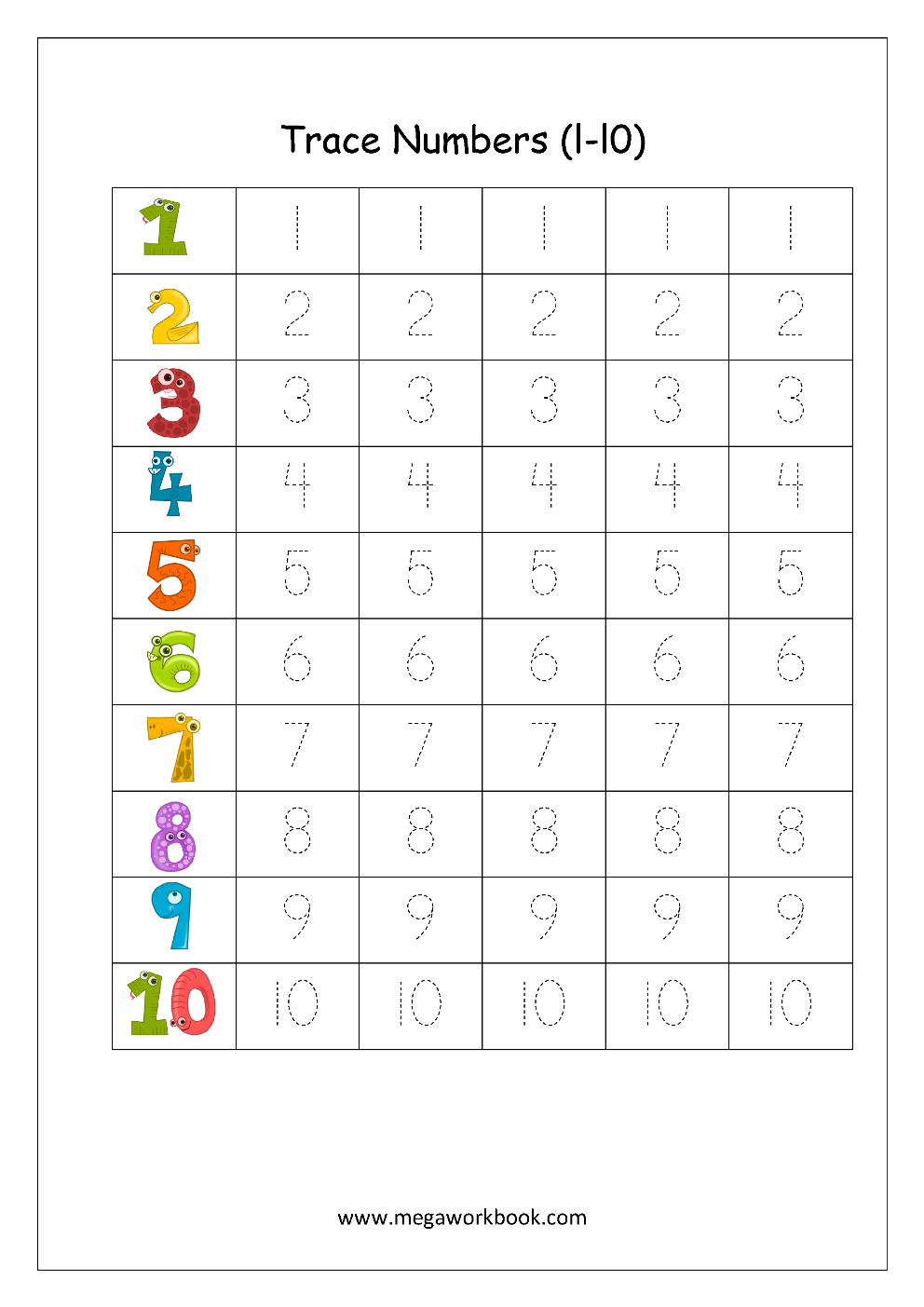
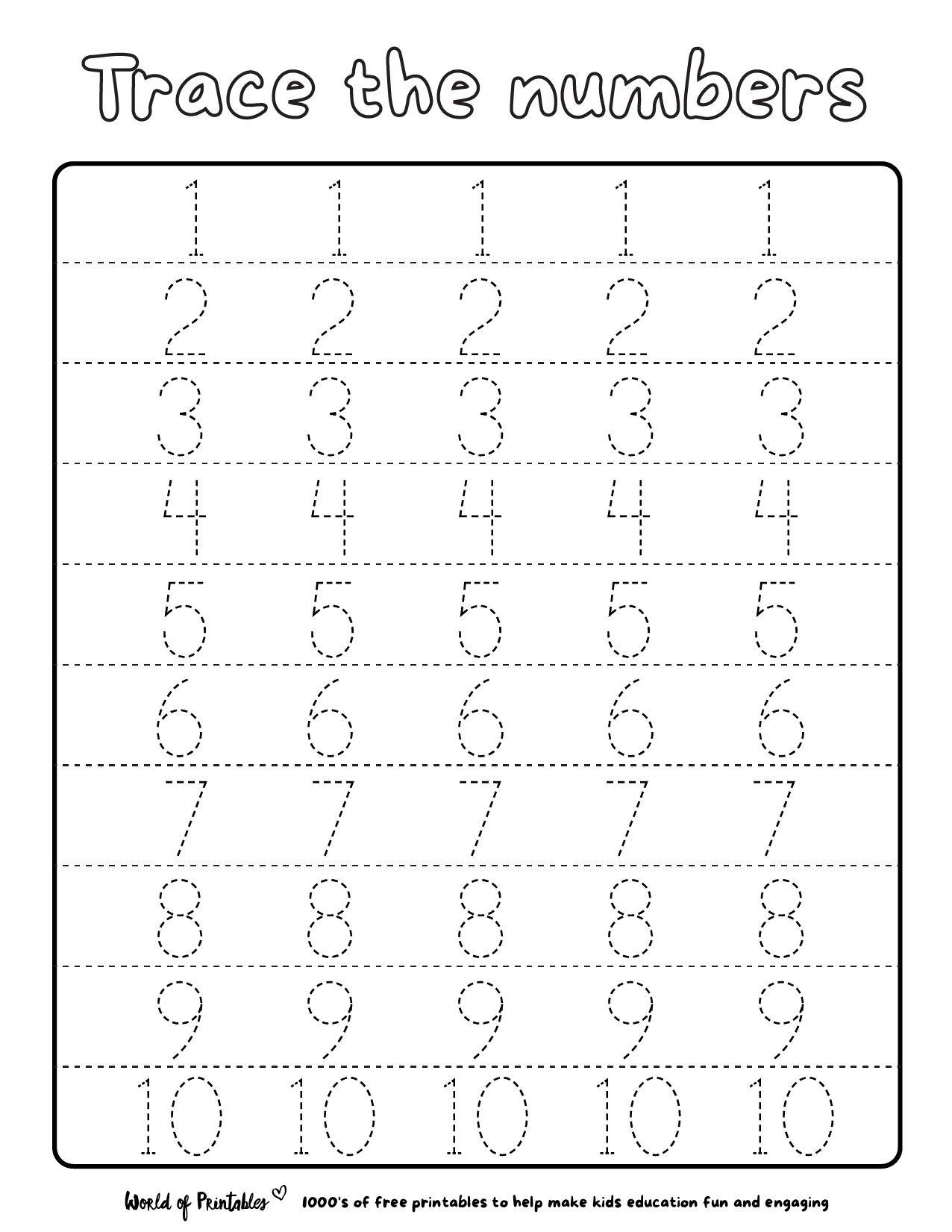
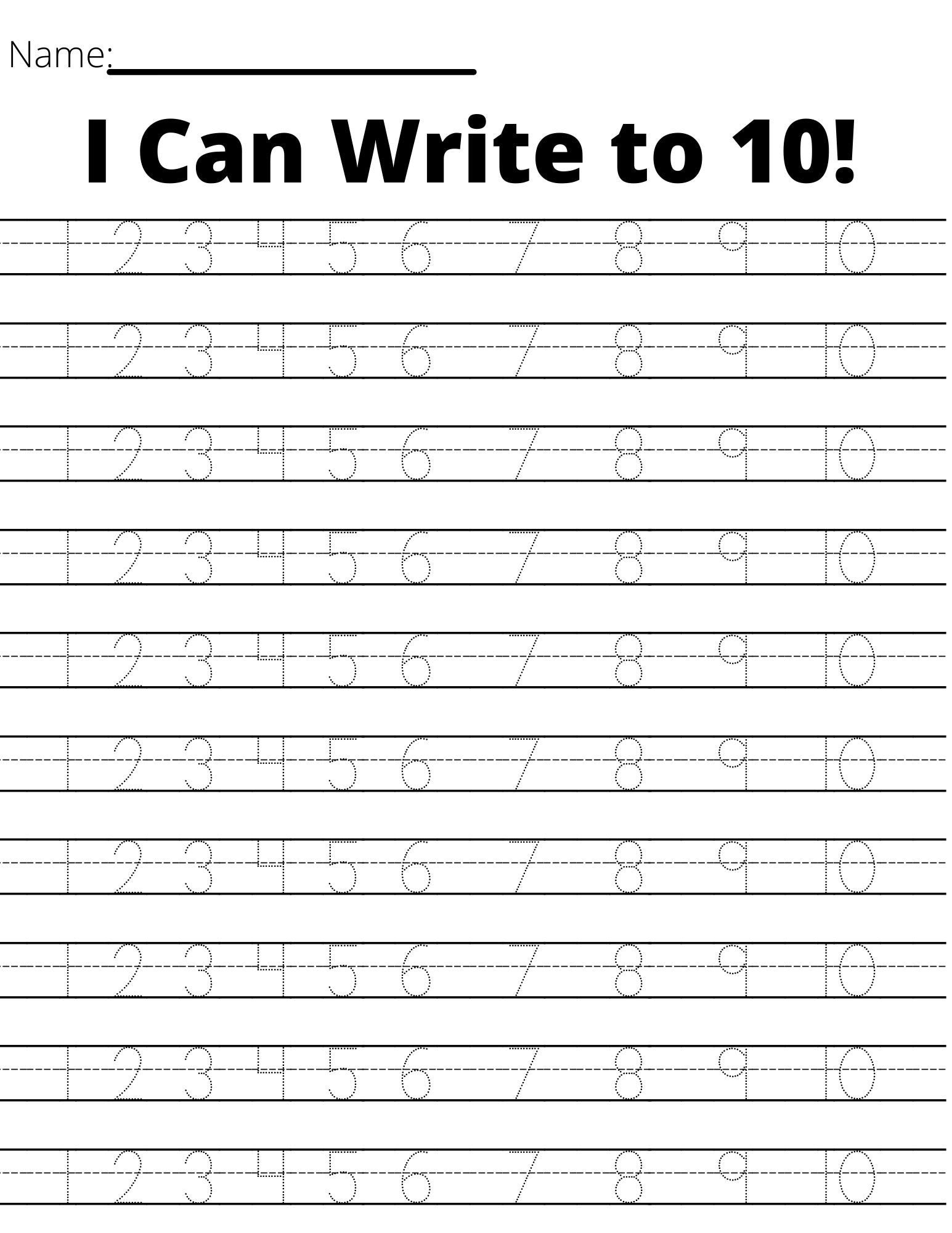
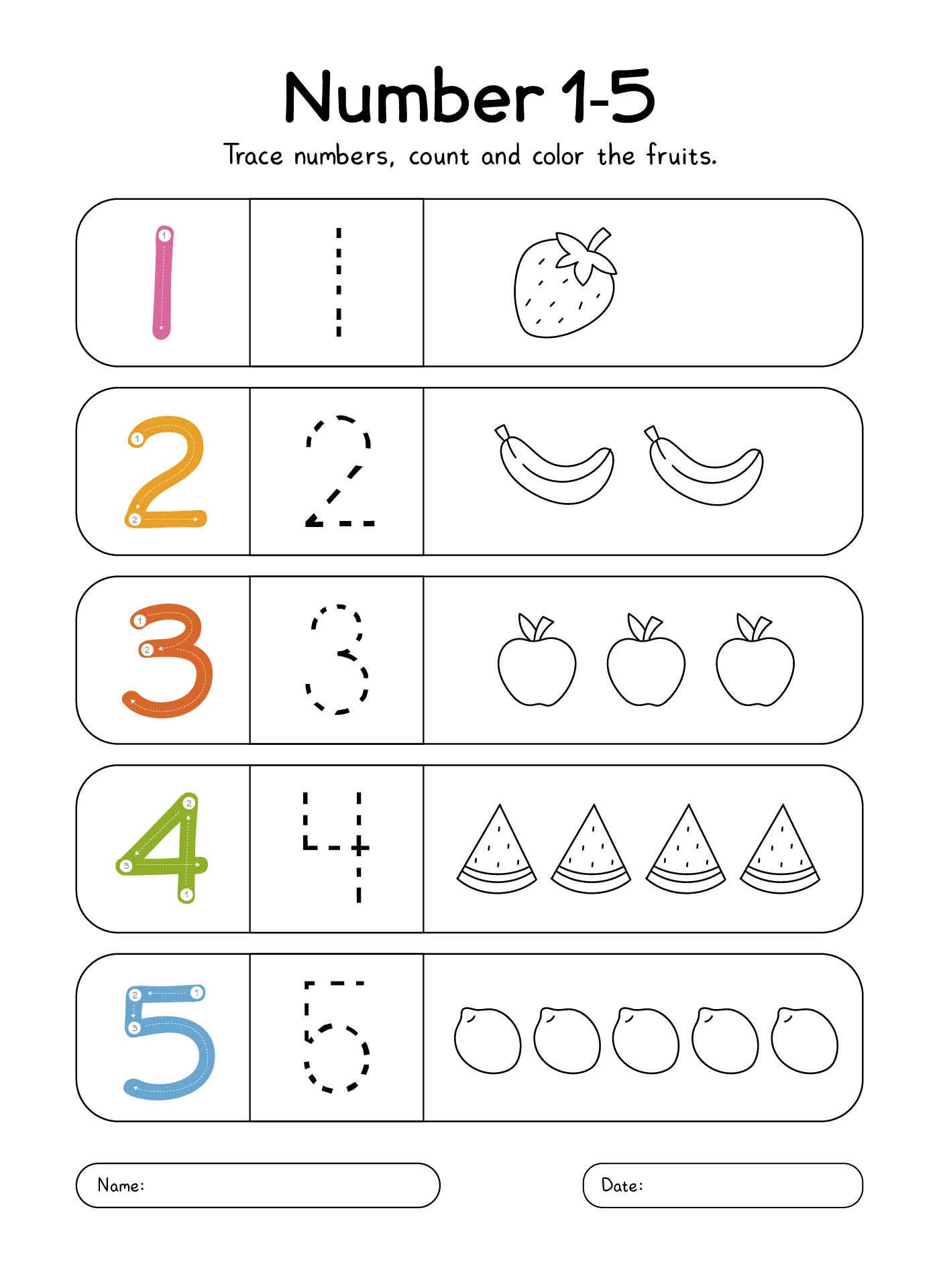
Watch any group of preschoolers and a clear developmental pattern emerges: children recognize numerals and symbols long before their developing hands possess the intrinsic strength required to form them on paper. According to the American Occupational Therapy Association, foundational fine motor control relies heavily on proximal stability, meaning strong shoulders and core muscles must develop before the small muscles in the fingers can master precise pencil control. Bridging this gap between visual recognition and physical execution requires intentional, guided practice. Enter the numbers tracing 1-10 printable, a foundational resource designed to help young learners master numeral formation, stroke order, and spatial awareness. It sounds simple, and that’s the point. By breaking down each digit into manageable, dotted strokes, adults can guide children through the foundational movements necessary for lifelong handwriting fluency.
💡 Educational Key Takeaways:
- Core Skill: Structured Numbers Tracing 1-10 focused on developing pencil grip, stroke control, and early literacy/math confidence.
- Target Scope: Suited for homeschoolers, preschool, kindergarten, and elementary learners.
- Best Recommendation: Practice 10–15 minutes daily with ergonomic writing tools to reinforce muscle memory without hand fatigue.
What This Worksheet Covers
Mastering numerals requires more than just connecting dots from top to bottom. This specific print layout focuses heavily on stroke order, directional arrows, and start dots that teach young hands the correct sequence for digits one through ten. Many educators observe that children frequently start the number eight from the bottom or draw a three from the middle out, habits that ultimately slow down writing speed as academic demands increase. The layout directly addresses these common formation errors by embedding clear visual cues within each digit. Every row transitions from fully guided dotted lines to independent practice spaces, allowing children to build muscle memory gradually. Exploring collections like Tracing Number provides even more targeted practice for these specific mathematical symbols, ensuring children gain confidence through repetition.
Key Learning Outcomes
Engaging consistently with structured numeral tracing yields remarkable growth across several developmental domains simultaneously. Children develop refined visual-motor integration as their eyes track pencil movement across the page while simultaneously signaling the hand to adjust pressure and direction. Numerical literacy deepens because the physical act of tracing reinforces the shape, value, and name of each digit in the memory centers of the brain. Hand-eye coordination improves dramatically as learners navigate curved lines in digits like two, three, and five, alongside the sharp angles found in fours and sevens. Furthermore, children build crucial frustration tolerance and sustained attention spans by completing a structured page from start to finish, laying vital groundwork for broader academic success in both mathematics and literacy.
How to Use This Worksheet
Success with handwriting sheets depends heavily on the initial setup and the physical environment provided for the child. Begin by ensuring the seating arrangement promotes good posture, with feet flat on the floor and elbows resting comfortably at a ninety-degree angle on the table. Slide the printed page inside a heavy-duty clear plastic sleeve and provide a dry-erase marker for low-stakes, repeatable practice that eliminates the fear of making permanent mistakes. According to Reading Rockets, multisensory strategies significantly improve letter and number retention among young learners, so adults can encourage children to trace the large numbers with a finger or build them out of playdough before ever touching a pencil. Pair these activities with resources from Fine Motor and Pre-Writing Skills to build the underlying hand strength necessary for extended writing sessions.
Practical Tips for Parents and Teachers
Adult scaffolding makes the difference between a frustrating chore and an engaging learning experience. Model the correct pencil grip, using a tripod grasp where the pencil rests gently against the middle finger while thumb and index finger control the movement. Watch closely for the dreaded fist grasp or hyper-extended thumb wraps, intervening early with short, stubby crayons or golf pencils that naturally encourage proper finger placement. Scaffold the activity by completing the first row together hand-over-hand if necessary, then gradually fade assistance as the child internalizes the rhythm of the strokes. Extend the learning by asking children to count physical objects around the room that match the numeral they just practiced tracing. Discovering more specialized layouts through Alphabet And Numbers Tracing keeps the daily practice routine fresh and exciting.
Age-Appropriate Recommendations
Developmental expectations must align with the physical maturation stages outlined in the National Association for the Education of Young Children DAP framework. For children ages two through four, tracing activities should remain short, playful, and focused on large-scale pre-writing strokes rather than perfection in numerical formation. At this stage, chunky writing tools and tactile tracing paths work best to protect developing hand joints. By ages five through eight, children enter the formal instruction phase where consistent stroke sequences, proper proportion, and line alignment become primary educational goals. Worksheets should challenge these older learners to reduce their reliance on dotted guides, transitioning smoothly toward independent writing on primary lined paper. Integrating themed variations found in Seasonal and Fun Themes maintains high engagement levels across this diverse age span.
Proximal stability of the shoulder and core musculature must develop before children can achieve the distal finger control required for precise handwriting. — American Occupational Therapy Association
Frequently Asked Questions
Answers to common questions regarding implementation and developmental benefits provide immediate clarity for adults guiding young learners through early writing milestones.
Explore More Free Printable Tracing Worksheets
Supporting a child’s early writing journey requires a diverse array of engaging resources that grow alongside developing capabilities. Exploring the complete library at KidTraces.com reveals thousands of carefully crafted printables designed to build confidence, pencil control, and cognitive fluency. Every collection offers targeted support for specific developmental milestones, ensuring adults always have the right tool available at the right moment. Browse through Tracing Worksheets to find additional materials that transform daily practice into an enjoyable, rewarding experience for every young learner.
Developmental Milestone & Activity Table
| Development Stage | Recommended Daily Duration | Primary Learning Objective |
|---|---|---|
| Preschool & Pre-K | 10 – 15 Minutes | Pencil grip development & basic pre-stroke lines |
| Kindergarten | 15 – 20 Minutes | Letter/number formation & spatial line awareness |
| Early Elementary (Grade 1–2) | 20 – 30 Minutes | Fluency, sentence construction & neatness |
Images References