Introduction
Many children recognize numerals and talk about quantities long before their hand muscles possess the endurance and dexterity required to form those numbers on paper. According to the American Occupational Therapy Association, foundational fine motor control and bilateral hand coordination are essential precursors to functional handwriting and academic success in early childhood. This developmental gap often frustrates eager learners who know what they want to write but struggle to make the pencil cooperate. The numbers 1 to 10 tracing and writing resource bridges this exact gap by providing structured, repeatable practice that transforms abstract mathematical concepts into concrete physical memory. Guided tracing sheets invite young learners to slow down, observe stroke directionality, and build the intrinsic hand strength necessary for lifelong writing confidence. It sounds simple, and that is precisely the point.
💡 Educational Key Takeaways:
- Core Skill: Structured Numbers 1 To 10 Tracing And Writing focused on developing pencil grip, stroke control, and early literacy/math confidence.
- Target Scope: Suited for homeschoolers, preschool, kindergarten, and elementary learners.
- Best Recommendation: Practice 10–15 minutes daily with ergonomic writing tools to reinforce muscle memory without hand fatigue.
What This Worksheet Covers
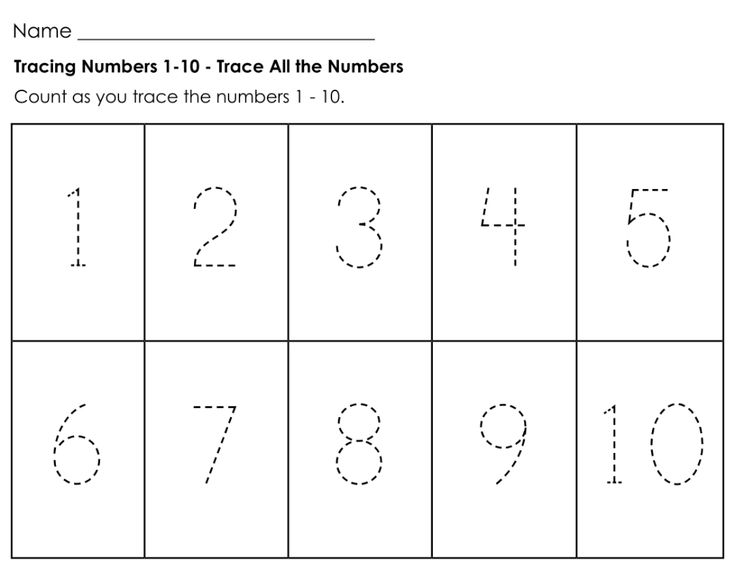
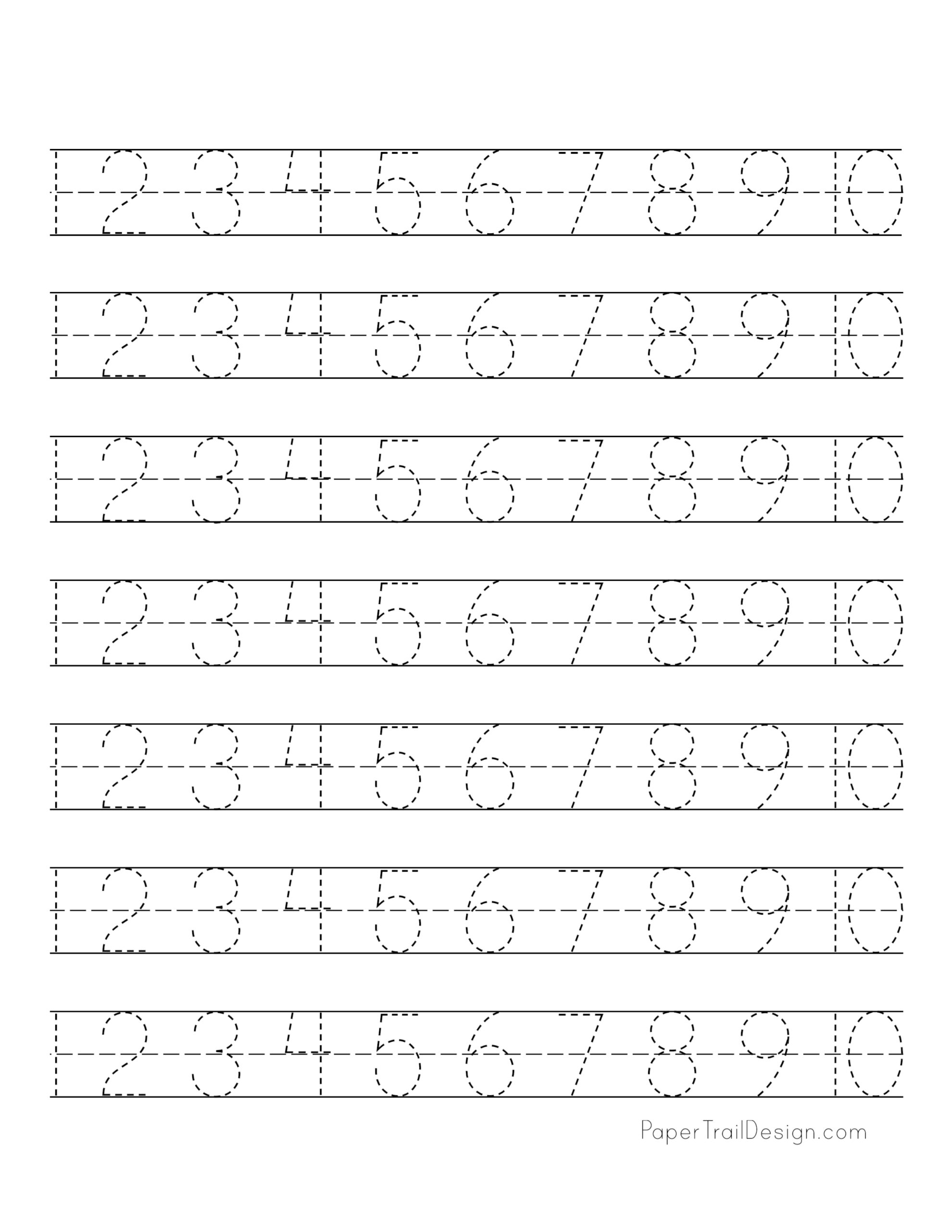
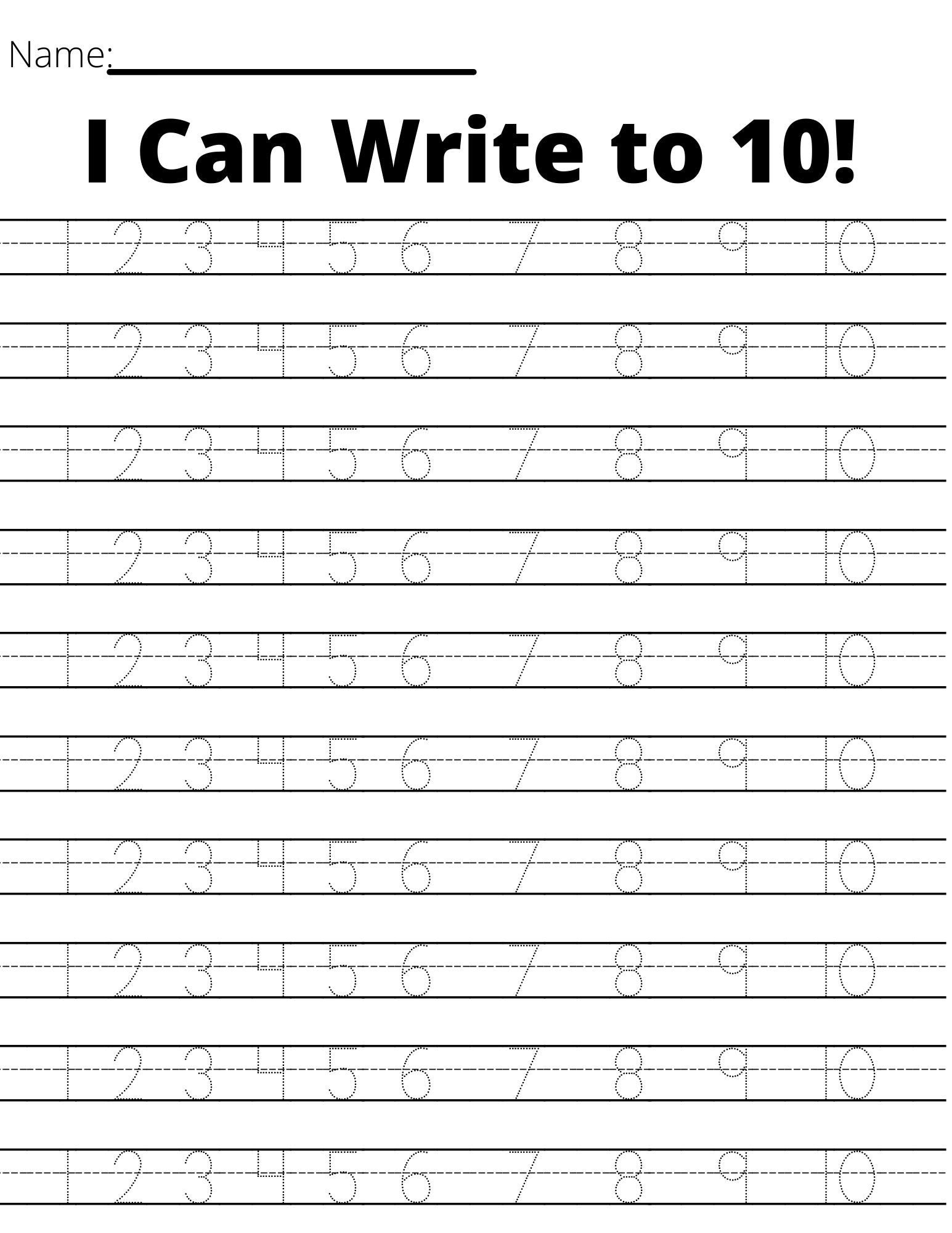
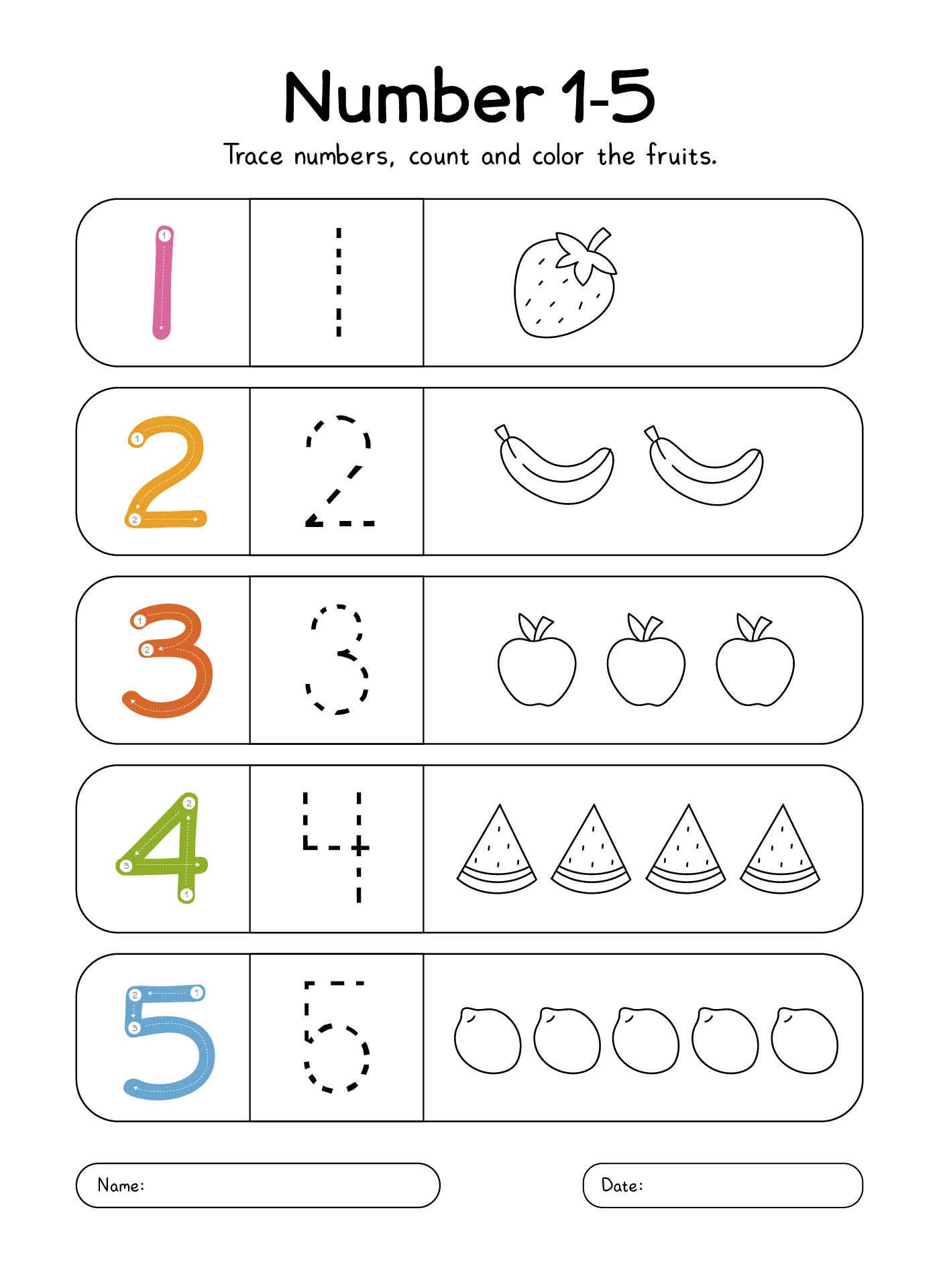
Each page focuses on explicit numeral formation, starting points, and directional stroke order for digits zero through ten. Children encounter large, easy-to-follow dotted paths that clearly indicate where the pencil touches the paper and which direction the line flows. Beyond mere repetition, these exercises challenge visual-motor integration by requiring the hand to replicate curves, loops, and straight lines within a defined spatial boundary. Many kindergarten classrooms observe that young writers frequently reverse digits like three, five, and seven during independent practice. Providing consistent exposure to proper stroke sequencing through dedicated number sheets minimizes these common formation errors before they become ingrained habits. Learners transition gradually from full-size guided tracing to independent box-grid writing, ensuring a scaffolded approach that respects the natural development of visual-spatial awareness. For more related activities, check out our Trace Numbers Large Printable.
Key Learning Outcomes
Working consistently through these foundational sheets yields multiple measurable benefits for early childhood development. Learners master correct numeral formation and stroke sequence, reducing hand fatigue during longer writing tasks. Spatial awareness improves significantly as children learn to orient digits correctly within lined boundaries and maintain appropriate spacing between numbers. Hand-eye coordination and pencil control become second nature as fingers learn to execute precise stops, starts, and direction changes. Furthermore, number recognition solidifies through tactile repetition, reinforcing the crucial link between numerical symbols, verbal counting values, and physical execution.
How to Use This Worksheet
Success with early writing tasks depends heavily on preparation, environment, and keeping sessions short and engaging. Setting up a comfortable workspace where feet rest flat on the floor and the chair supports an upright posture makes a tremendous difference in hand stability. Adults should encourage a functional tripod grasp, though occasional developmental variations in grip are entirely normal for younger children aged three and four. Sliding the activity sheet inside a clear dry-erase pocket allows children to practice the same digit multiple times using a marker, removing the fear of making permanent mistakes. According to the National Association for the Education of Young Children, active, hands-on guided practice paired with positive reinforcement yields the strongest developmental outcomes in preschool and kindergarten settings. Praise effort, focus on correct starting points rather than perfection, and keep sessions brief to maintain enthusiasm.
Practical Tips for Parents and Teachers
Adults play a vital role as facilitators by modeling correct pencil grip and demonstrating stroke directionality in the air before putting pencil to paper. Scaffolding the activity helps prevent frustration; a caregiver can guide a tiny hand through the first two numbers and allow independent completion for the remainder. Extending the learning outdoors or into sensory bins—such as having a child trace the numeral shape in colored salt or damp sand—builds kinesthetic memory that translates back to the printed page. Rotating writing utensils, from standard pencils to thick crayons or colorful markers, maintains high engagement levels while targeting different levels of palmar arch strength. Patience remains the most effective tool in any adult toolkit, as neurological pathways in the hand and brain require thousands of repetitions to automate.
Age-Appropriate Recommendations
For toddlers and preschoolers aged two to four, the focus centers entirely on pre-writing strokes, gross motor shoulder stability, and large-scale tracing where children use their entire arm rather than just fingers. In this stage, alignment with the National Association for the Education of Young Children Developmentally Appropriate Practice emphasizes open-ended exploration and sensory-rich motor experiences over rigid perfection. Kindergarten and early elementary children aged five to eight shift toward refined pencil control, proper line placement, and meeting early mathematical standards such as counting and writing numbers from zero to twenty. Throughout these stages, targeted resources like Tracing Number provide age-appropriate scaffolds that support independent growth. Educators and parents can also incorporate Shape and Line Tracing to strengthen hand muscles before tackling complex numerical loops. For children needing additional foundational support, exploring Fine Motor and Pre-Writing Skills helps build the underlying hand strength required for lifelong writing success.
Occupational therapy assessments consistently demonstrate that targeted fine motor interventions during early childhood significantly improve subsequent handwriting speed and legibility — American Occupational Therapy Association
Frequently Asked Questions
Clear guidance helps families and educators maximize the benefits of print-at-home resources while addressing common hurdles in early writing instruction.
Explore More Free Printable Tracing Worksheets
Expanding a child’s writing toolkit goes beyond numbers alone, involving letters, shapes, and seasonal motifs that keep practice fresh and exciting. Exploring diverse collections helps maintain high motivation levels without causing worksheet fatigue for young learners. Parents and teachers looking to round out their resource collection can browse the full library of materials available at KidTraces.com. Additional practice is always available across specialized categories such as Alphabet And Numbers Tracing, Dotted Letters For Tracing, and fun holiday activities found under Seasonal and Fun Themes. Every structured page brings young learners one step closer to effortless, confident writing.
Developmental Milestone & Activity Table
| Development Stage | Recommended Daily Duration | Primary Learning Objective |
|---|---|---|
| Preschool & Pre-K | 10 – 15 Minutes | Pencil grip development & basic pre-stroke lines |
| Kindergarten | 15 – 20 Minutes | Letter/number formation & spatial line awareness |
| Early Elementary (Grade 1–2) | 20 – 30 Minutes | Fluency, sentence construction & neatness |
Images References