Introduction
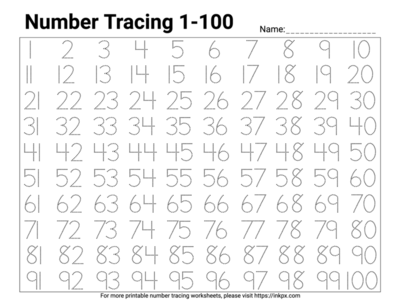
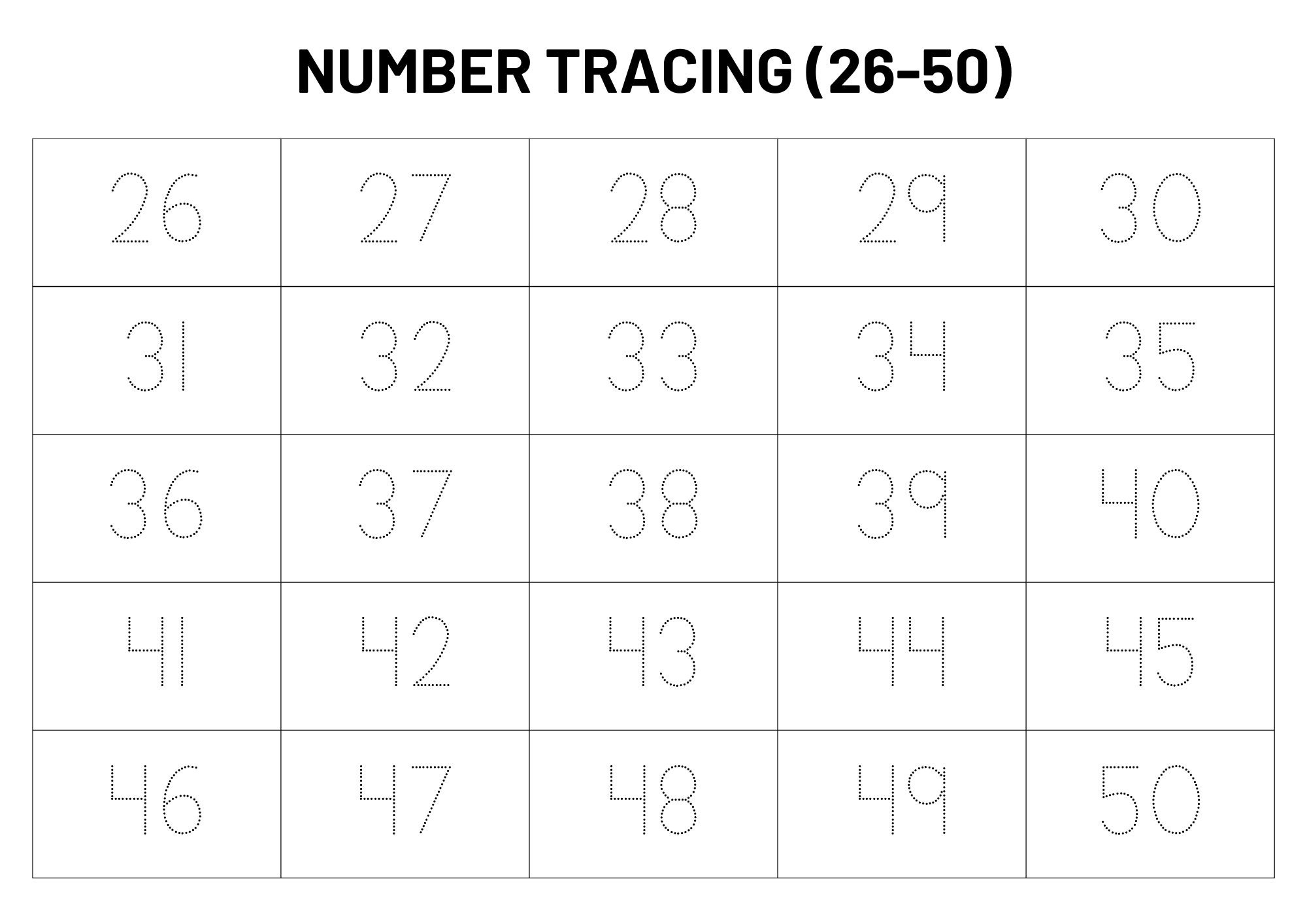
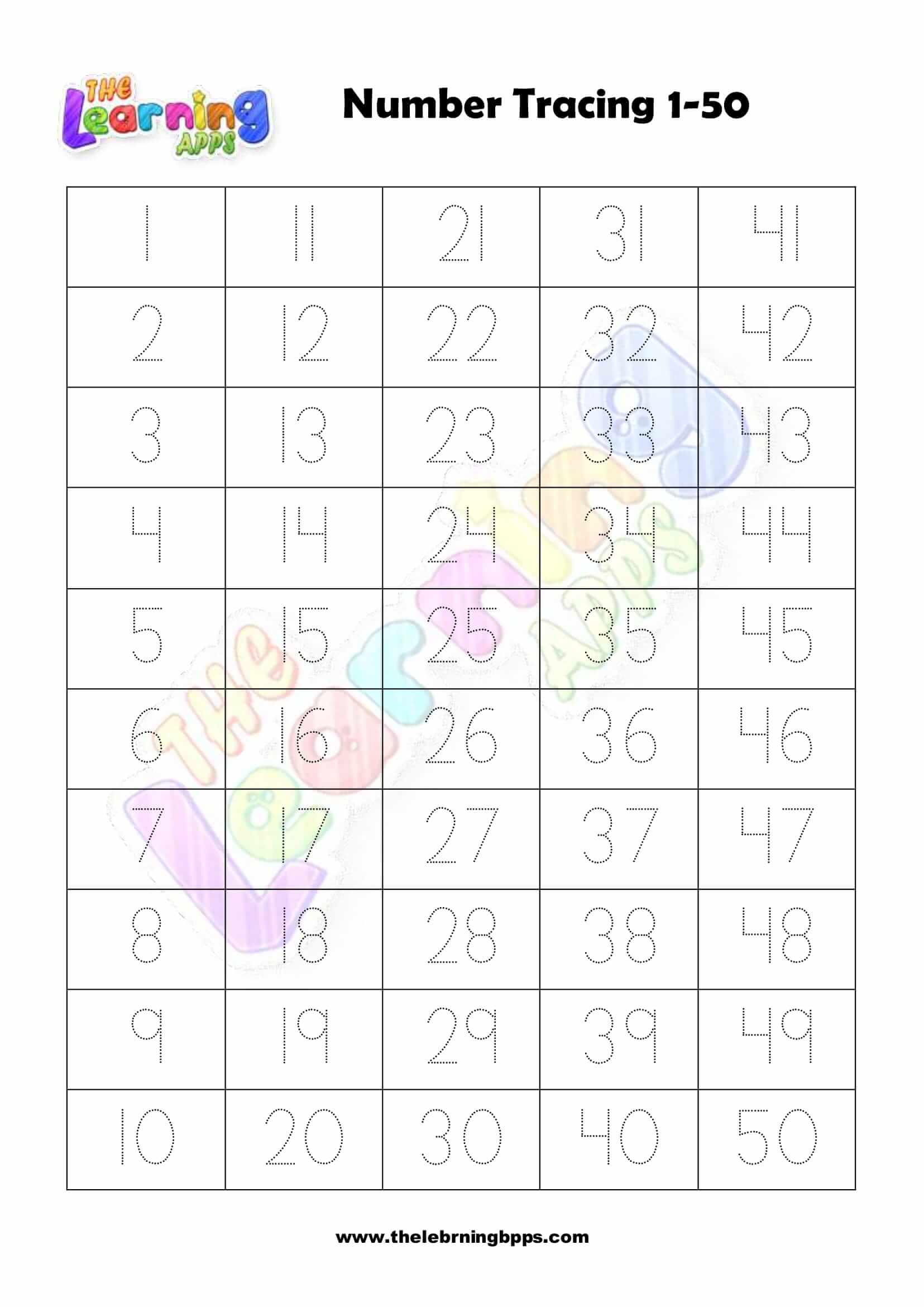
Many children recognize numerals long before their developing hands possess the intrinsic muscle strength required to form them on paper. According to the American Occupational Therapy Association, foundational fine motor control and bilateral coordination are essential prerequisites for functional pencil use and academic success. Bridging this cognitive understanding and physical execution requires intentional, scaffolded practice that respects the developmental timeline of early childhood. Enter the free printable tracing 1 to 50 numbers resource available on Tracing Number collections, designed specifically to help young learners bridge the gap between number recognition and confident handwriting. It sounds simple, and that’s the point. Clean, structured tracing pages remove the anxiety of a blank sheet, allowing children to focus entirely on stroke order, spatial orientation, and fluid hand movements without the cognitive overload of generating numbers from memory.
💡 Educational Key Takeaways:
- Core Skill: Structured Tracing 1 To 50 Numbers focused on developing pencil grip, stroke control, and early literacy/math confidence.
- Target Scope: Suited for homeschoolers, preschool, kindergarten, and elementary learners.
- Best Recommendation: Practice 10–15 minutes daily with ergonomic writing tools to reinforce muscle memory without hand fatigue.
What This Worksheet Covers
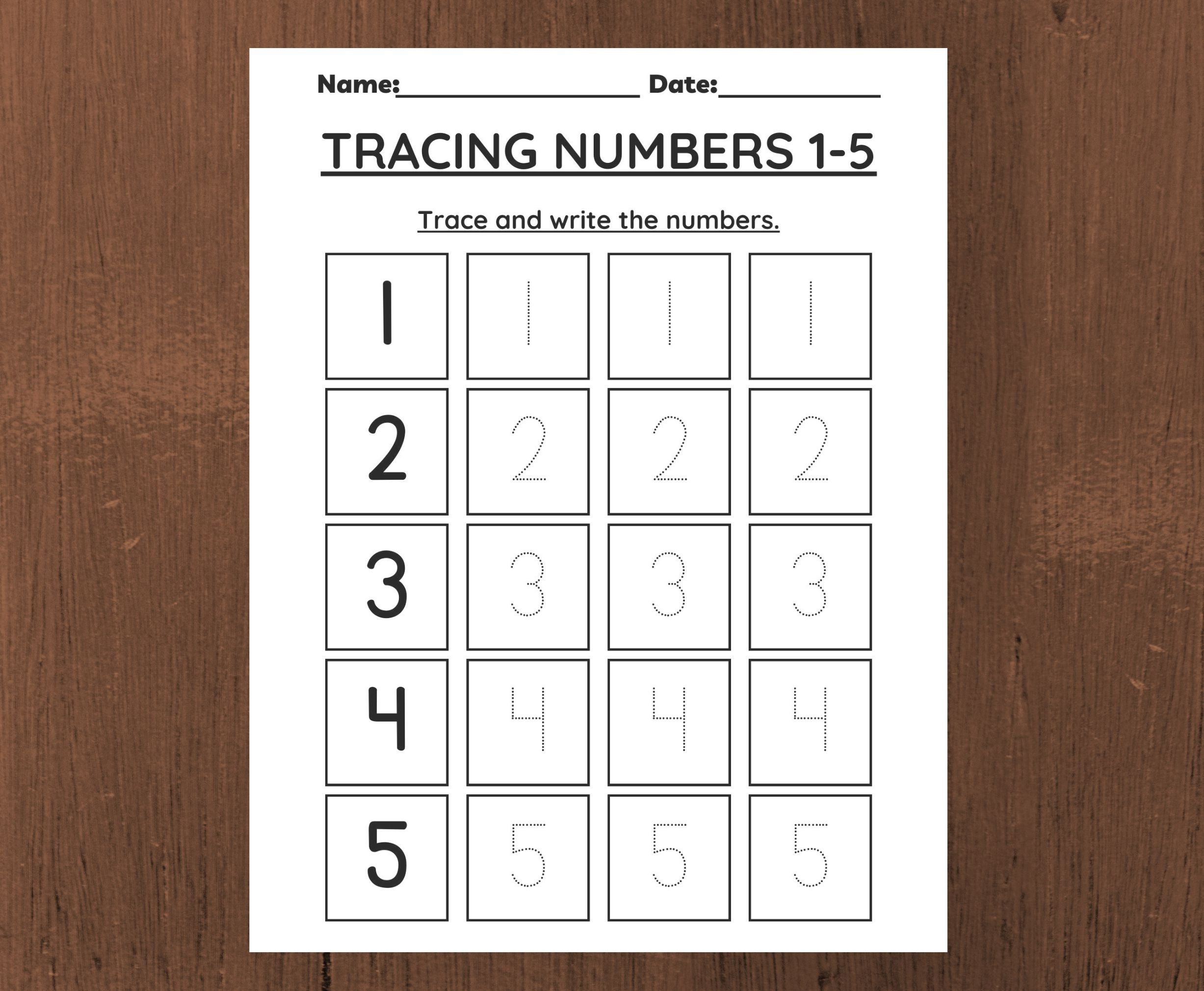
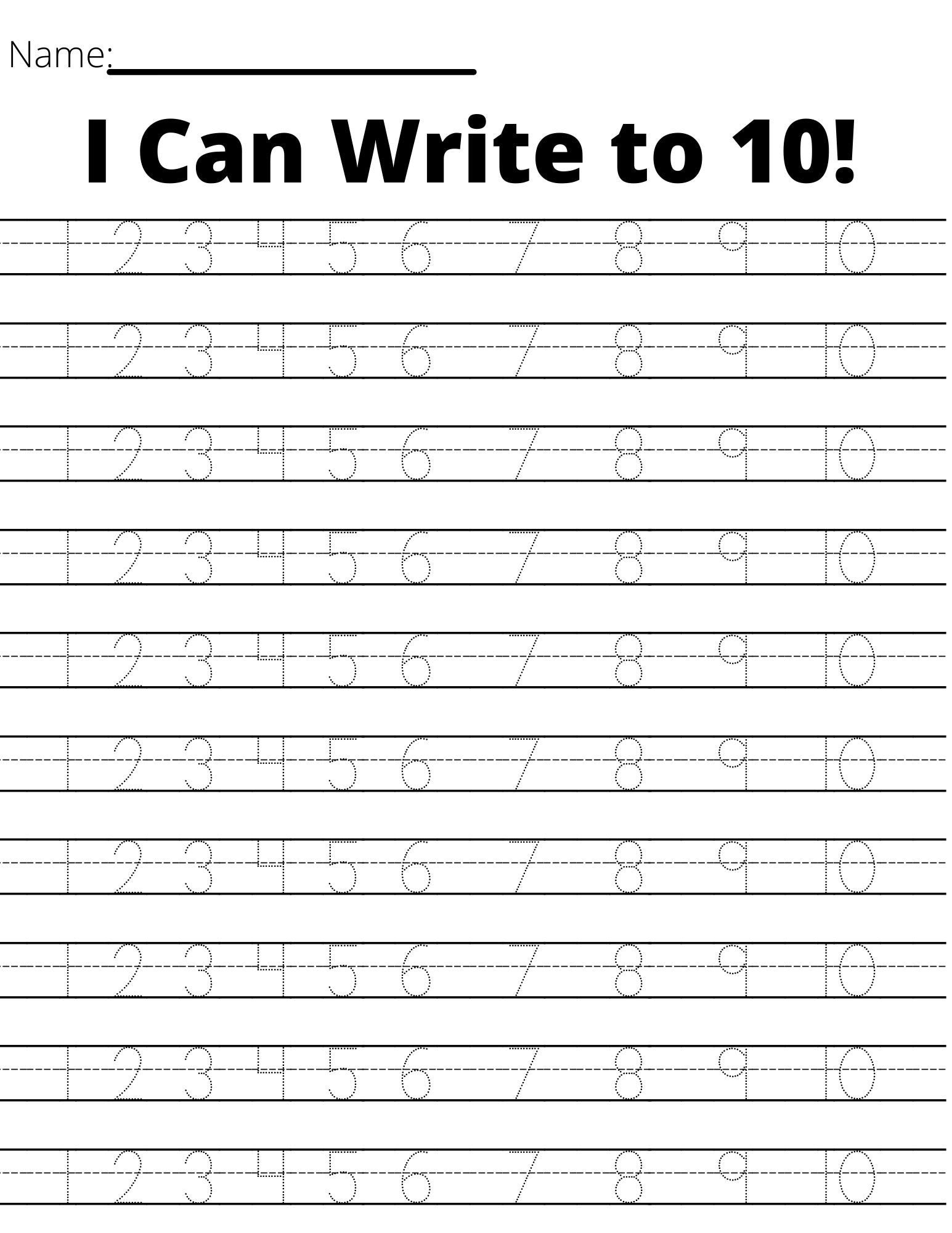
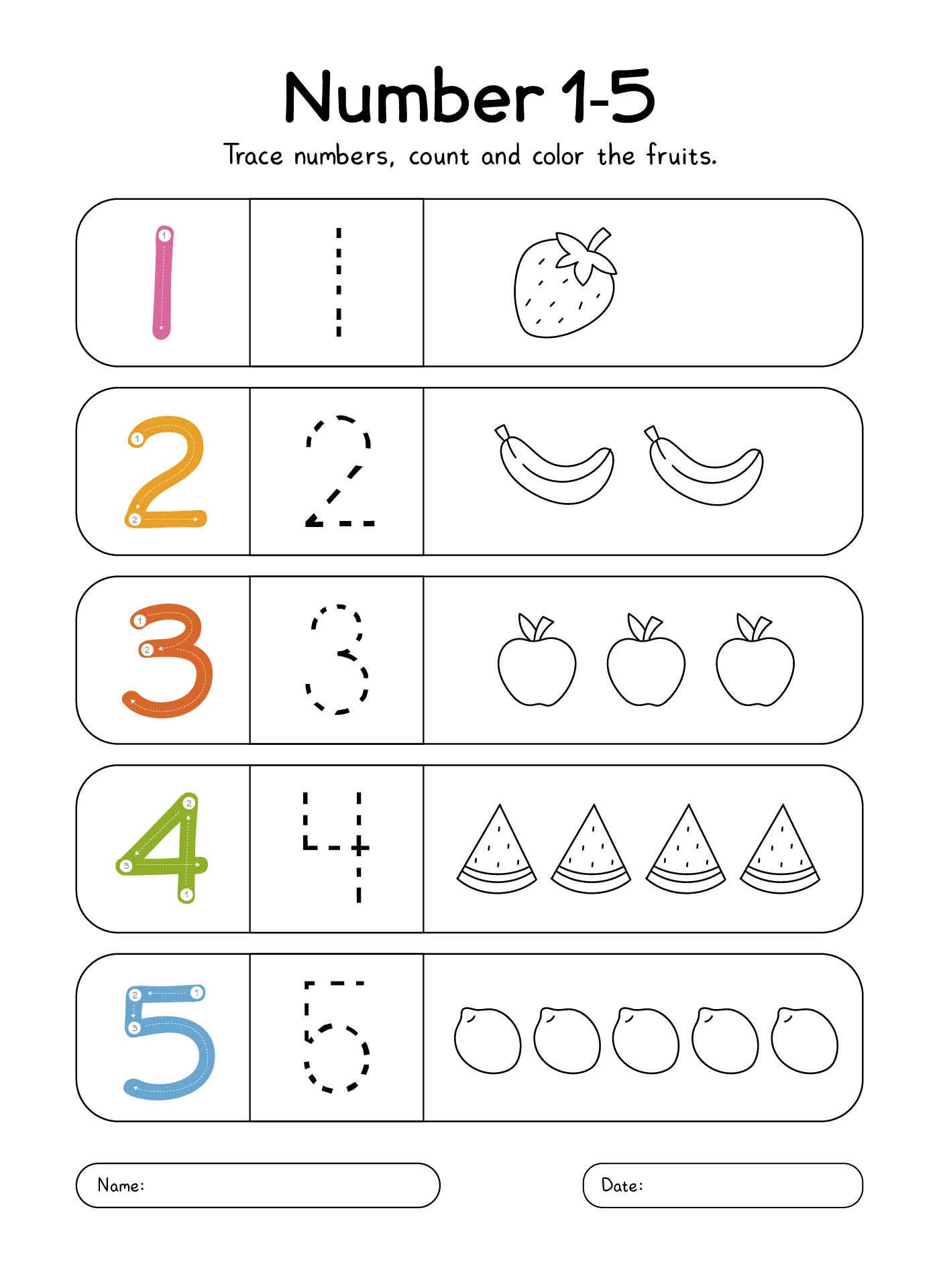
Comprehensive number sheets guide children sequentially from foundational digits up to complex double-digit quantities, ensuring progressive mastery across all early mathematical symbols. Each numeral features explicit starting points and directional arrows to teach correct stroke formation, preventing the development of maladaptive habits like drawing numbers from the bottom up. As learners progress through the sequence, they encounter consistent spacing and sizing designed to refine visual-motor integration and pencil control. The layout intentionally balances white space with clear, bold tracing guides, minimizing visual clutter so the developing eye can track rows smoothly from left to right. This systematic exposure supports broader mathematical concepts while simultaneously conditioning the small muscles of the hand for sustained writing tasks.
Key Learning Outcomes
Working through these numerical sequences reinforces correct stroke order and directional habits that form the bedrock of legible handwriting. According to Reading Rockets, early pencil control exercises directly enhance orthographic mapping by reinforcing the physical pathways between hand movements and visual symbols in the brain. Children cultivate visual-motor integration as their eyes guide their hands along dotted lines, sharpening hand-eye coordination with every completed digit. Familiarity with standard numeral formation builds foundational confidence, easing the transition into independent writing, simple arithmetic representation, and structured classroom assignments.
How to Use This Worksheet
Successful implementation begins long before putting pencil to paper, focusing heavily on optimal posture, seating alignment, and functional grasp patterns. It is recommended to place the paper on a slightly slanted surface or a vertical easel to encourage natural wrist extension and proper postural stability during fine motor work. Adults should model correct pencil grips—such as the dynamic tripod grasp—while encouraging relaxed finger movements rather than tense, white-knuckled gripping. Breaking the large 1-to-50 sequence into manageable daily chunks prevents hand fatigue and maintains high engagement levels, turning a potentially tedious chore into a rewarding routine.
Practical Tips for Parents and Teachers
Scaffolding instruction effectively means meeting the child at the current developmental stage, whether that involves starting with larger tactile tracing or moving straight to fine-tipped markers. For learners struggling with pencil pressure, placing sheets over textured boards provides sensory feedback that awakens proprioceptive receptors in the fingertips. Adults can extend learning by having children count physical manipulatives like counting bears or blocks that match the target numeral currently being traced. Rotating writing utensils, from chubby triangular crayons for younger beginners to standard graphite pencils for older preschoolers, keeps muscle engagement fresh and strengthens different intrinsic hand muscles.
Age-Appropriate Recommendations
According to the National Association for the Education of Young Children guidelines on developmentally appropriate practice, children aged two to four benefit most from exploring pre-writing lines, gross motor numeral formation in sensory trays, and large-format tracing sheets. By ages five to eight, aligned with rigorous Common Core ELA standards such as K.CC.A.3 for writing numbers from zero to twenty and beyond, children transition toward precision, consistent sizing, and independent execution using standard Tracing Worksheets. During these early elementary years, tracing activities shift from basic stroke imitation to refining spatial awareness on primary lined paper, ensuring children can maintain alignment and proper proportion independently across math and literacy tasks.
Foundational fine motor control and bilateral coordination are essential prerequisites for functional pencil use and academic success. — American Occupational Therapy Association
Frequently Asked Questions
Navigating common questions regarding print setups, physical development, and educational milestones helps adults maximize the benefits of these printable tracing materials. The answers below address frequent inquiries from classrooms and home environments alike, offering direct guidance for optimal learning outcomes.
Explore More Free Printable Tracing Worksheets
Expanding beyond numerals opens up a world of literacy and fine motor growth through complementary skill-building categories. Exploring the full library of resources at KidTraces.com provides access to specialized materials such as Alphabet And Numbers Tracing sets for comprehensive literacy support. Additional opportunities for growth are available across collections dedicated to Fine Motor and Pre-Writing Skills, ensuring children receive a well-rounded foundation for lifelong academic success.
Developmental Milestone & Activity Table
| Development Stage | Recommended Daily Duration | Primary Learning Objective |
|---|---|---|
| Preschool & Pre-K | 10 – 15 Minutes | Pencil grip development & basic pre-stroke lines |
| Kindergarten | 15 – 20 Minutes | Letter/number formation & spatial line awareness |
| Early Elementary (Grade 1–2) | 20 – 30 Minutes | Fluency, sentence construction & neatness |
Images References