Introduction
Many children recognize numerals and point out house numbers long before their fine motor coordination allows them to successfully hold a writing utensil. According to NAEYC developmental guidelines, young learners develop physical control and early literacy skills best through purposeful, hands-on experiences that bridge visual recognition with physical execution. The free printable tracing of numbers kids 4 year old provides a scaffolded pathway to connect early mathematical concepts with essential pencil control. Guided practice transforms abstract numerical symbols into concrete motor memories. It sounds simple, and that’s the point.
💡 Educational Key Takeaways:
- Core Skill: Structured Free Printable Tracing Of Numbers Kids 4 Year Old focused on developing pencil grip, stroke control, and early literacy/math confidence.
- Target Scope: Suited for homeschoolers, preschool, kindergarten, and elementary learners.
- Best Recommendation: Practice 10–15 minutes daily with ergonomic writing tools to reinforce muscle memory without hand fatigue.
What This Worksheet Covers
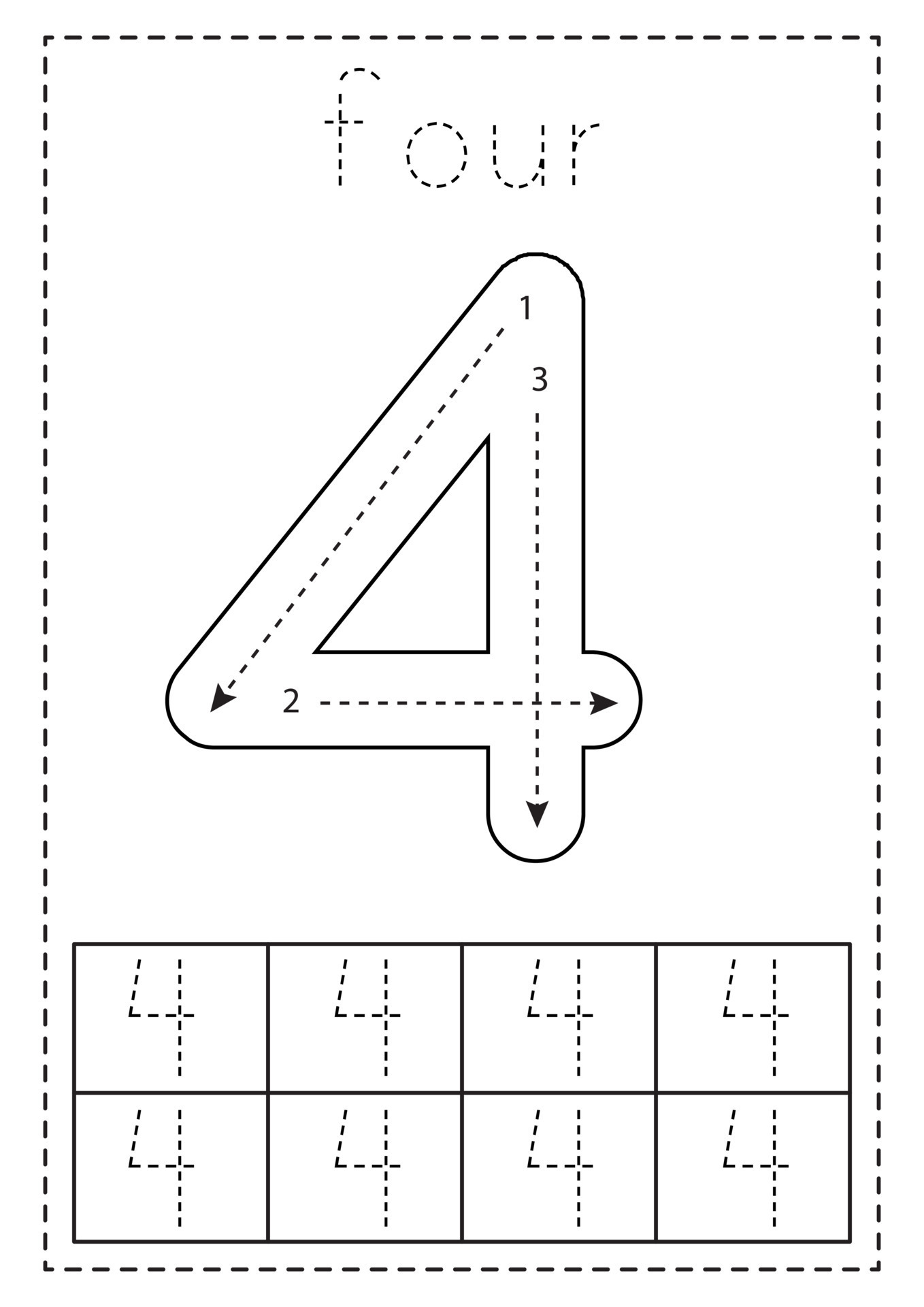
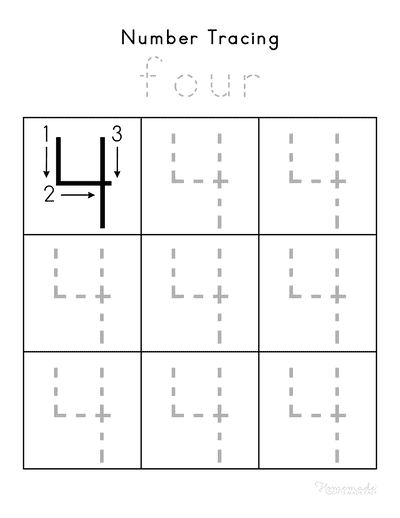
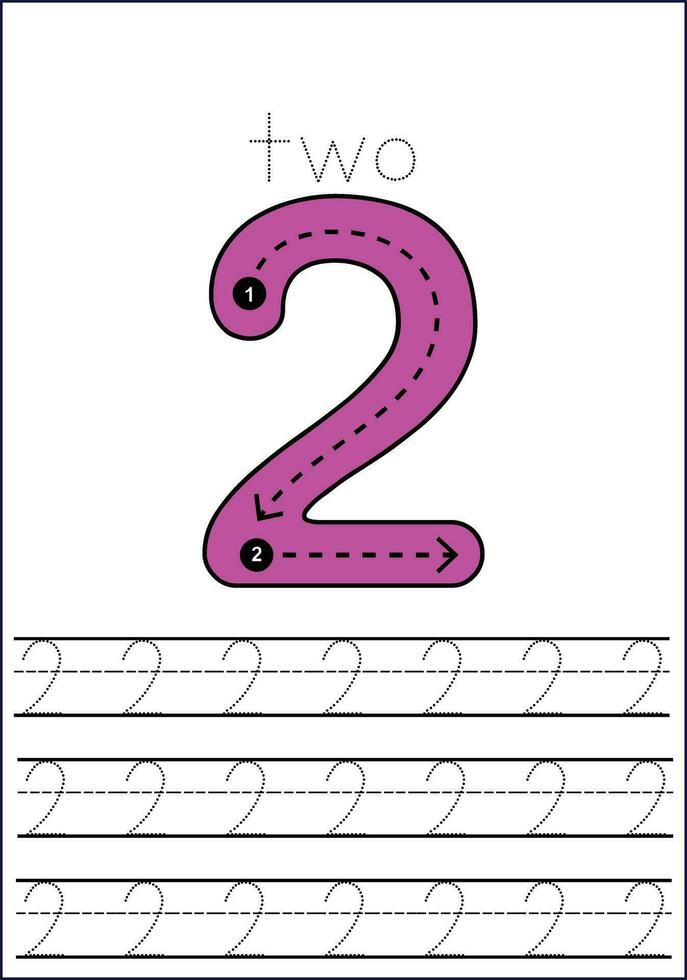
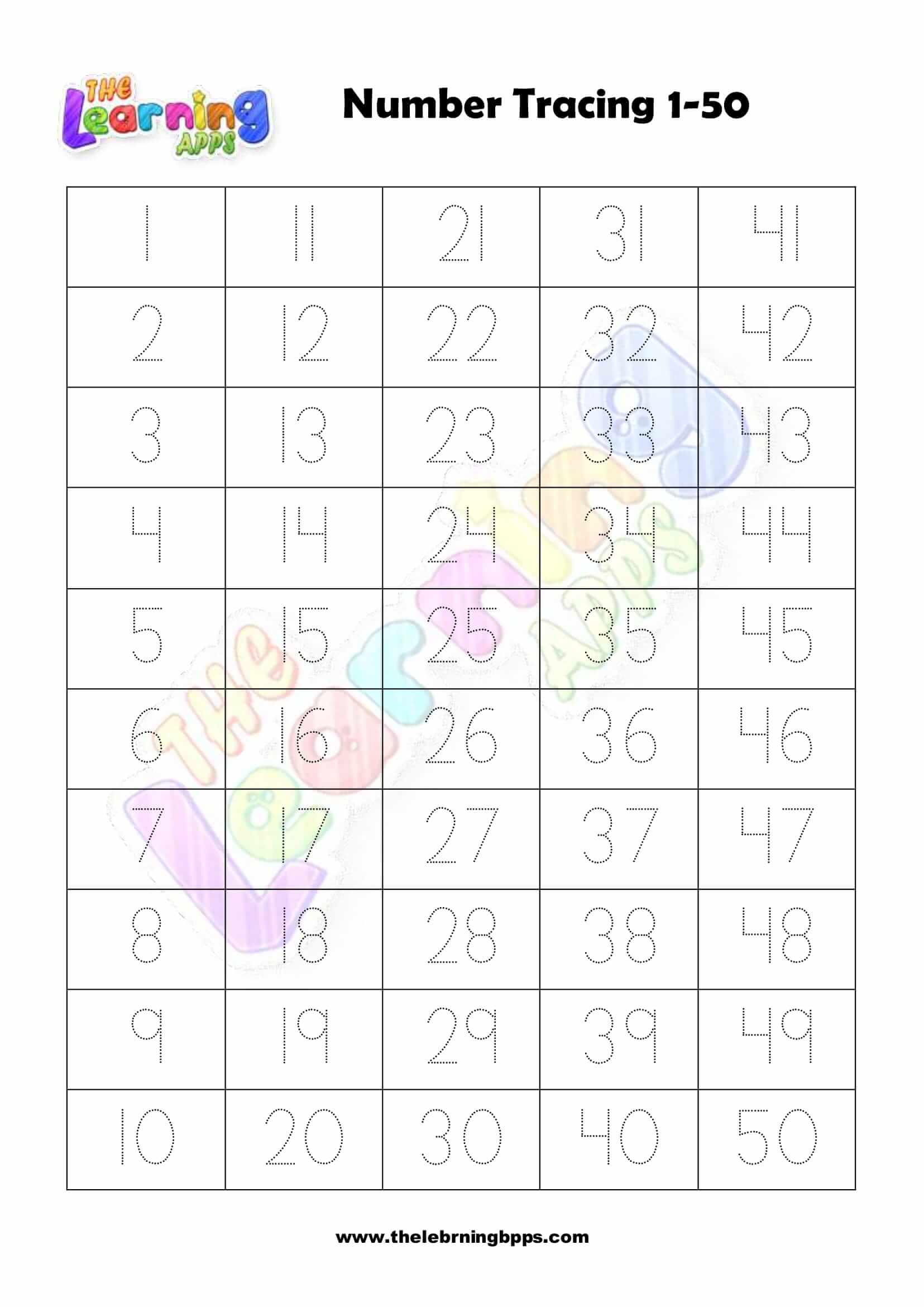
Targeted numeral formation relies heavily on consistent stroke order, directional awareness, and spatial orientation. This resource focuses on foundational mathematical communication by introducing digits zero through nine with clear visual anchors. Starting dots and directional arrows show exactly where pencil contact begins and how the hand moves across the paper. Hand muscles undergo a tremendous amount of strengthening during these early sessions, preparing joints and tendons for the stamina required in kindergarten and beyond. For more related activities, check out our Trace Numbers Large Printable.
Key Learning Outcomes
Children engaging with these pages build fundamental numeral recognition while strengthening the small intrinsic muscles of the hand. Consistent repetition of specific strokes fosters muscle memory, which ultimately leads to automaticity and legible writing habits. Visual-motor integration improves as eyes guide the hand along designated dotted paths, reinforcing bilateral coordination and spatial boundaries. Confidence naturally blossoms when a messy loop transforms into a recognizable number eight or a straight, proud numeral one.
How to Use This Worksheet
Setting the stage for successful practice begins long before the pencil touches the paper. Adults should ensure seating promotes stability, with feet flat on the floor and elbows resting comfortably at a ninety-degree angle on the table. Heavy reliance on vertical surfaces, such as clipping the page to an easel, can also activate shoulder stability and wrist extension for learners struggling with flat-surface control. Here’s what makes this worksheet different: it emphasizes quality over quantity, inviting slow, deliberate strokes rather than rushed page-filling.
Practical Tips for Parents and Teachers
Observe pencil grasps closely, watching for proper thumb opposition and web space openness rather than overly tight fist grips. Adults can demonstrate proper stroke order in the air or directly on the paper before inviting the child to replicate the movement. Scaffolding might involve starting with thick markers on a textured clipboard before moving to standard pencils on regular paper. Extending the learning comes easily by having learners count physical objects like buttons or blocks to match the numeral traced on the page.
Age-Appropriate Recommendations
According to CDC developmental milestones, four-year-olds typically demonstrate the ability to draw simple shapes and begin imitating crosses and squares, making this age ideal for introductory numeral tracing. Educators utilizing Handwriting Without Tears principles recognize that numbers require distinct starting points, distinct from standard letter formation. While two and three-year-olds benefit more from sensory exploration and broad Fine Motor and Pre-Writing Skills, four-year-olds thrive on the structure provided by dedicated Tracing Number sheets. Older children in kindergarten can use similar structured formats for advanced numeracy tasks found across Tracing Worksheets.
Handwriting readiness and visual-motor integration in early childhood heavily predict later academic fluency and pencil management skills — American Occupational Therapy Association
Frequently Asked Questions
Explore More Free Printable Tracing Worksheets
Supporting a young learner’s journey requires a diverse library of engaging resources tailored to every developmental milestone. Discover additional tools for counting, letter formation, and creative exploration by visiting the complete collection at KidTraces.com. Caregivers seeking alphabet practice will love the options in Alphabet And Numbers Tracing, while those focusing on letter scaffolding can explore Dotted Letters For Tracing. Every step forward builds a strong foundation for lifelong learning. Get it free.
Developmental Milestone & Activity Table
| Development Stage | Recommended Daily Duration | Primary Learning Objective |
|---|---|---|
| Preschool & Pre-K | 10 – 15 Minutes | Pencil grip development & basic pre-stroke lines |
| Kindergarten | 15 – 20 Minutes | Letter/number formation & spatial line awareness |
| Early Elementary (Grade 1–2) | 20 – 30 Minutes | Fluency, sentence construction & neatness |
Images References