Introduction
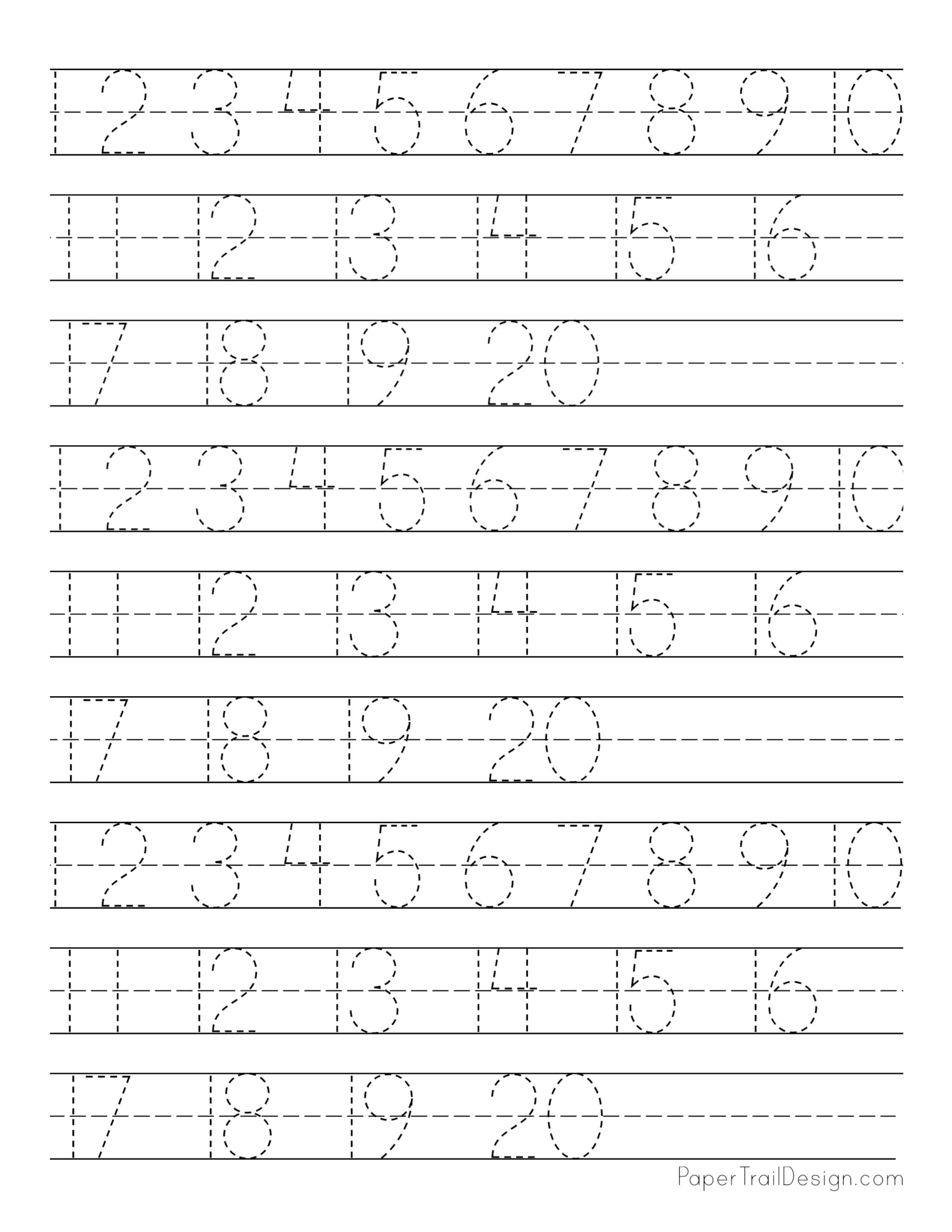
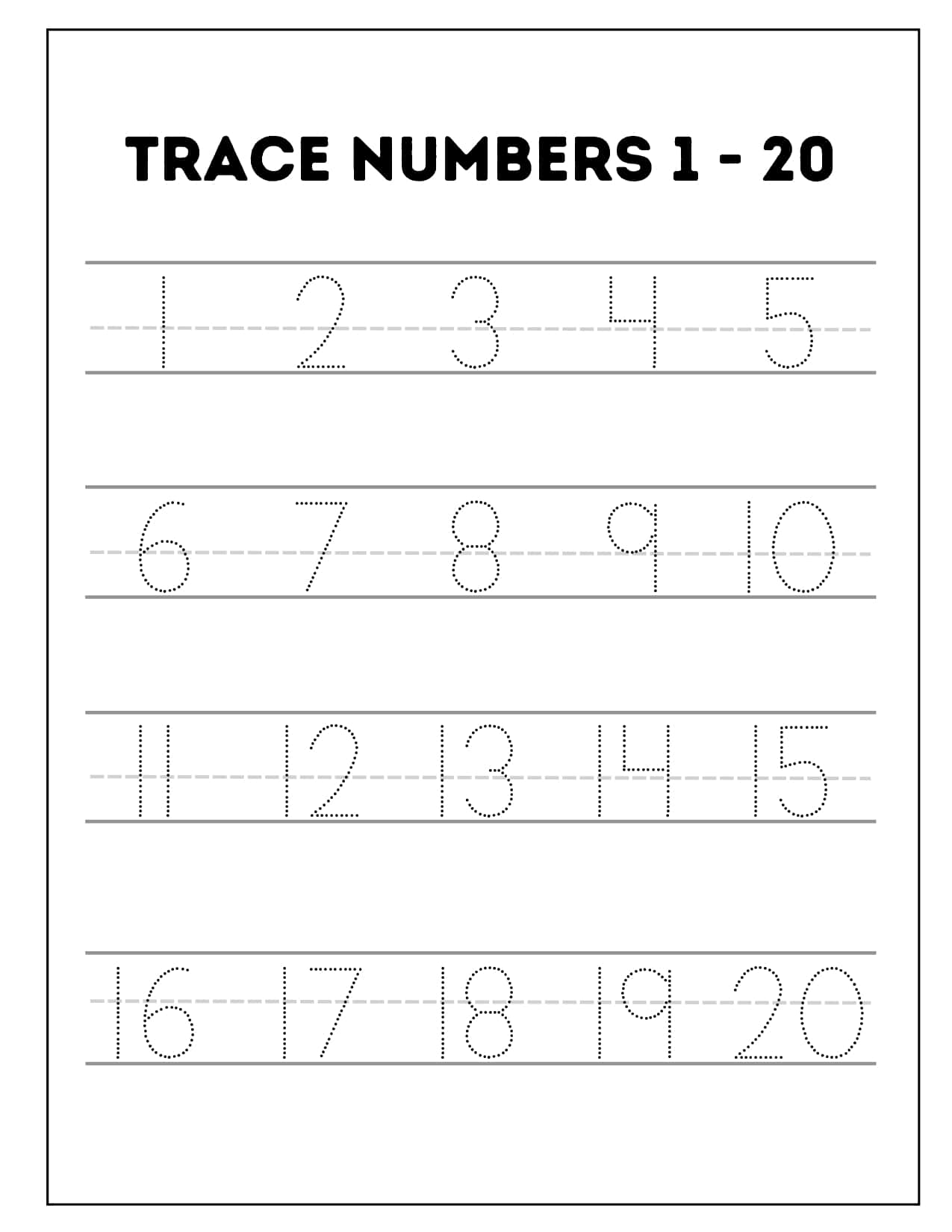
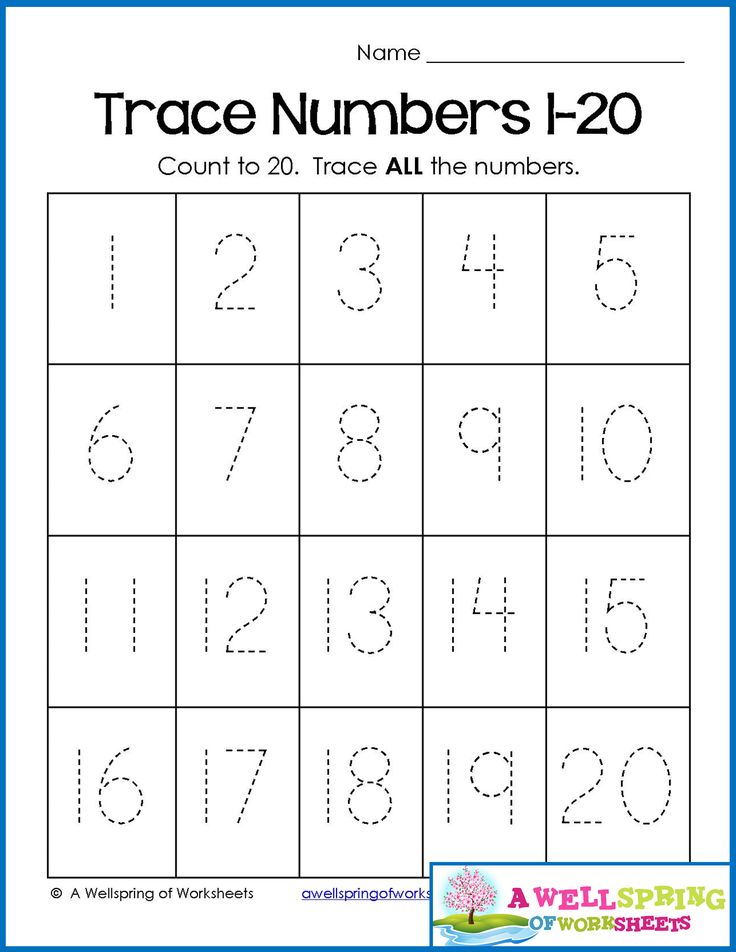
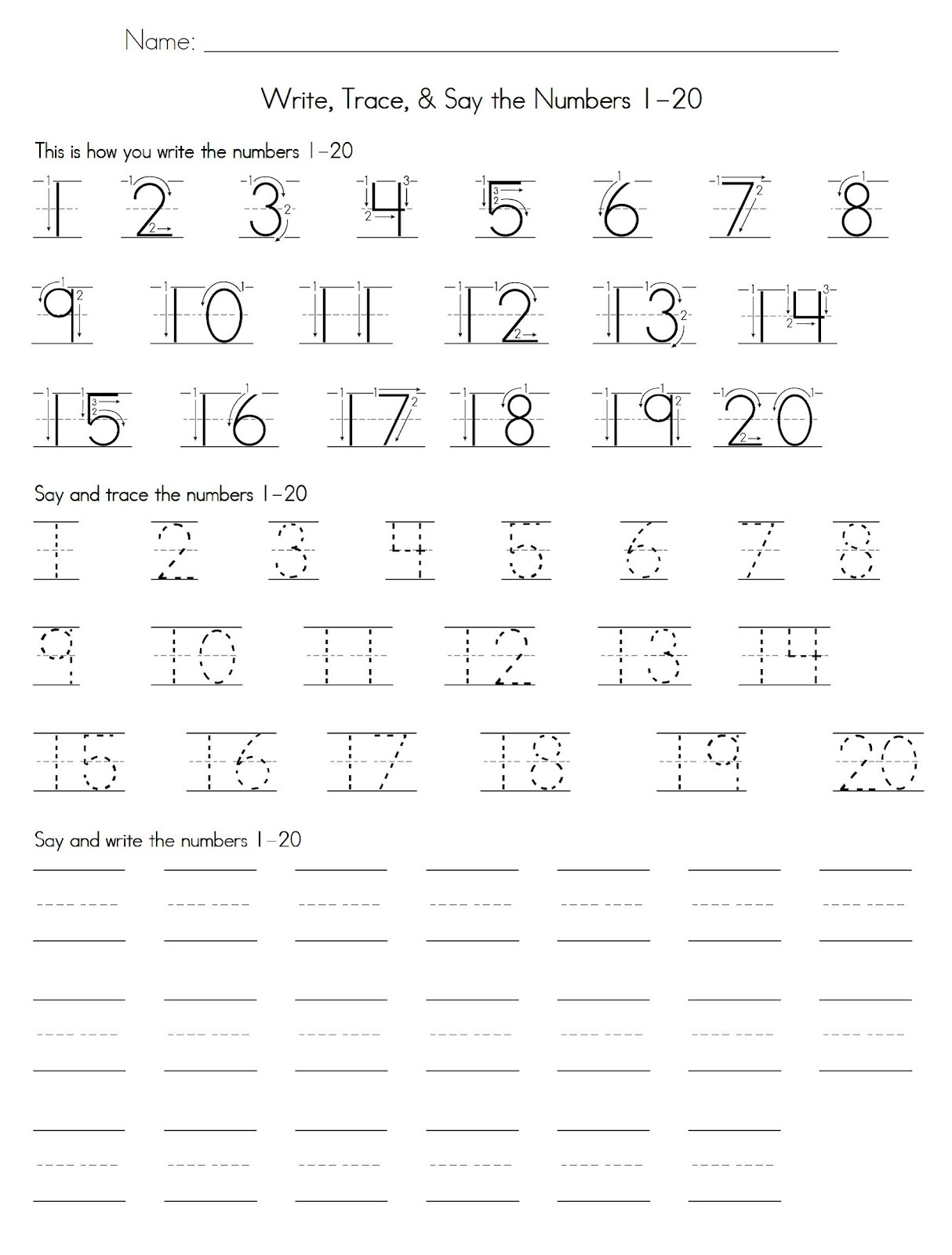
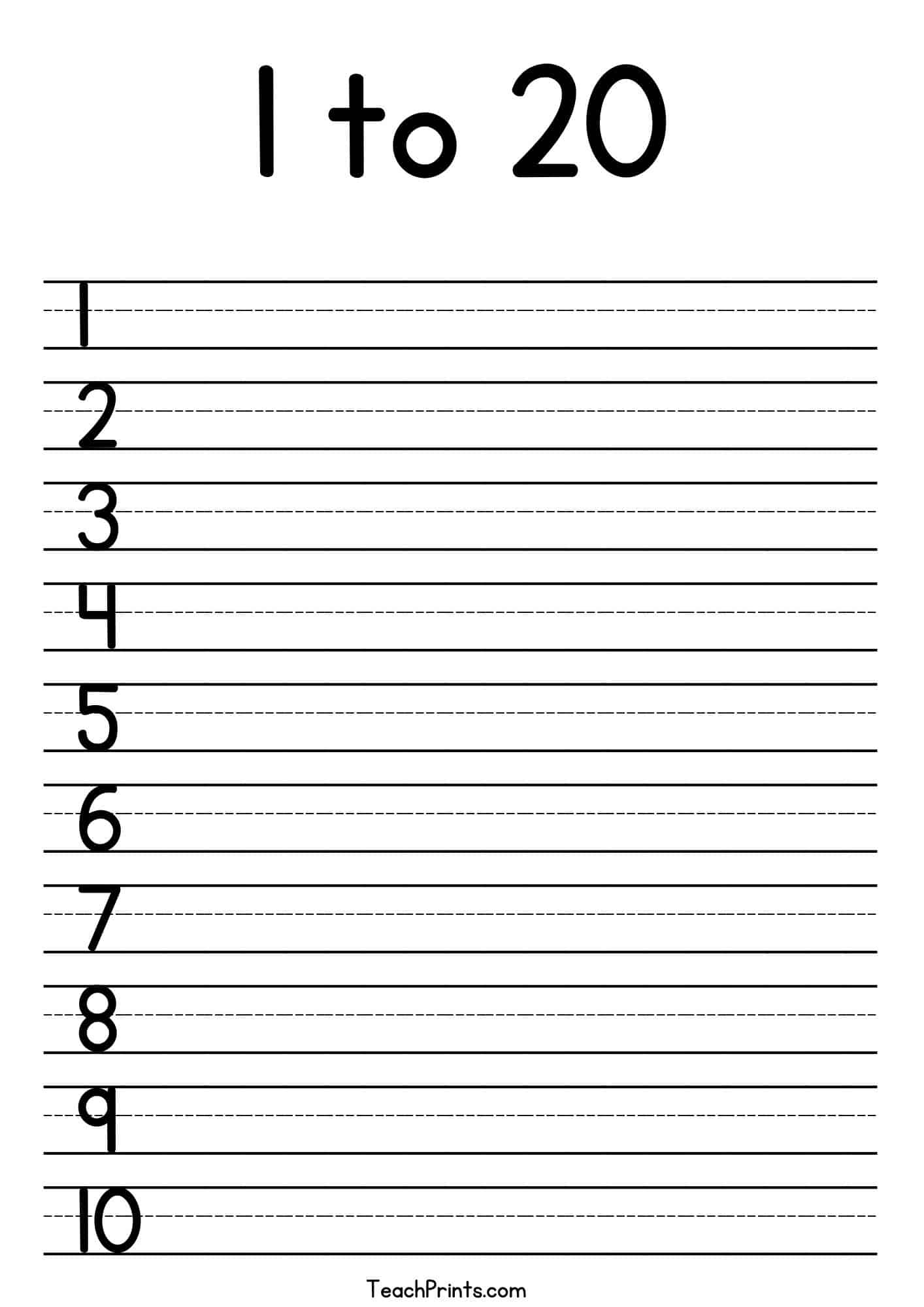
Watch any group of preschoolers gather around a table, and the eagerness to write numbers often outpaces physical capability. Many children recognize and name numbers long before their small hand muscles possess the endurance and dexterity required to form them cleanly on paper. According to the American Occupational Therapy Association, foundational fine motor control and visual-motor integration are essential prerequisites for successful handwriting development. Mastering numeral formation requires precise coordination between the eyes and hands, alongside stability in the shoulder, wrist, and fingers. Integrating structured practice tools like the 1 20 writing numbers printable helps bridge this gap by offering guided stroke pathways. It sounds simple, and that is precisely the point. Removing cognitive guesswork allows developing writers to focus entirely on pencil control, proportional scaling, and directional consistency as they progress from single digits to the number twenty.
💡 Educational Key Takeaways:
- Core Skill: Structured 1 20 Writing Numbers Printable focused on developing pencil grip, stroke control, and early literacy/math confidence.
- Target Scope: Suited for homeschoolers, preschool, kindergarten, and elementary learners.
- Best Recommendation: Practice 10–15 minutes daily with ergonomic writing tools to reinforce muscle memory without hand fatigue.
What This Worksheet Covers
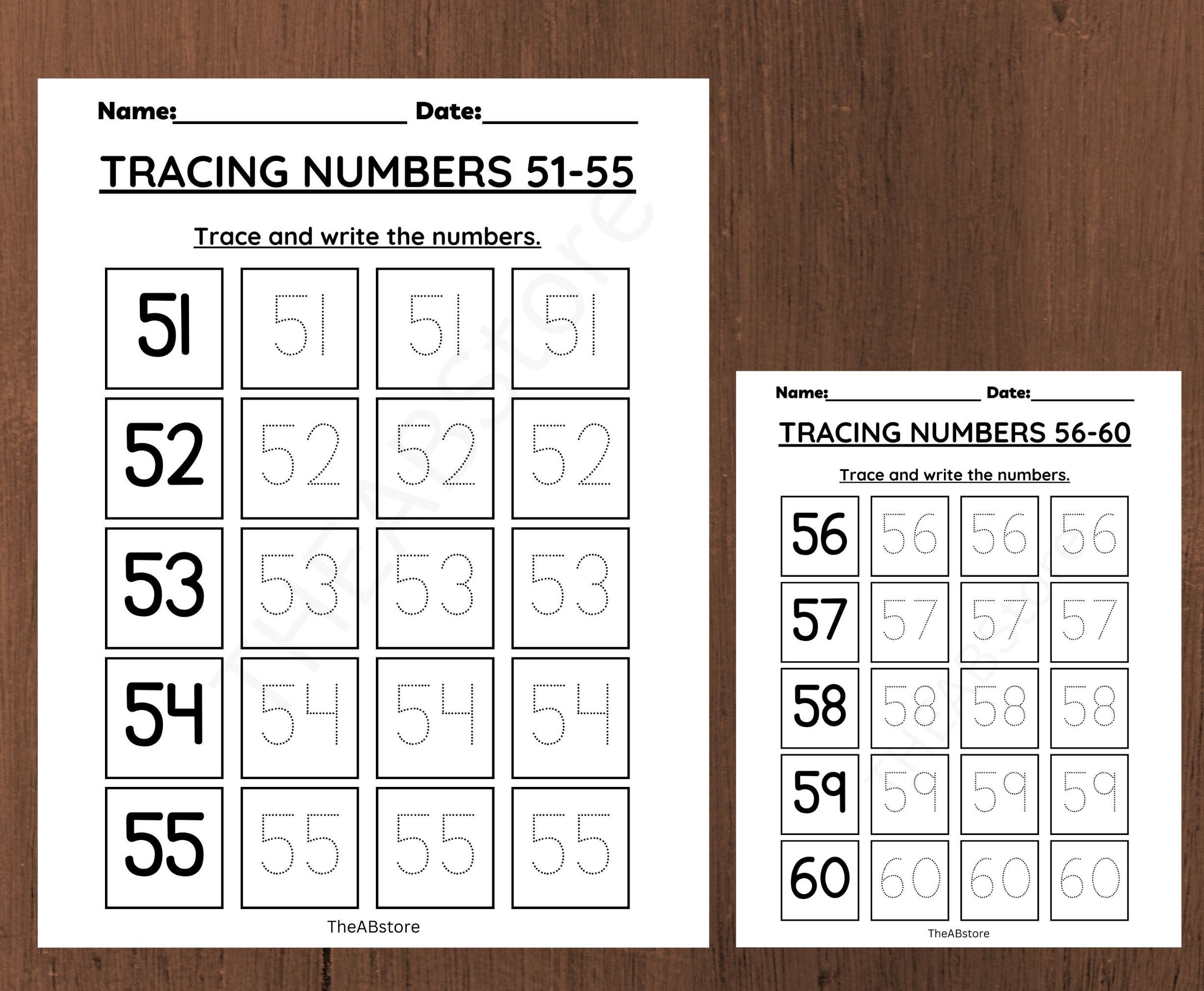
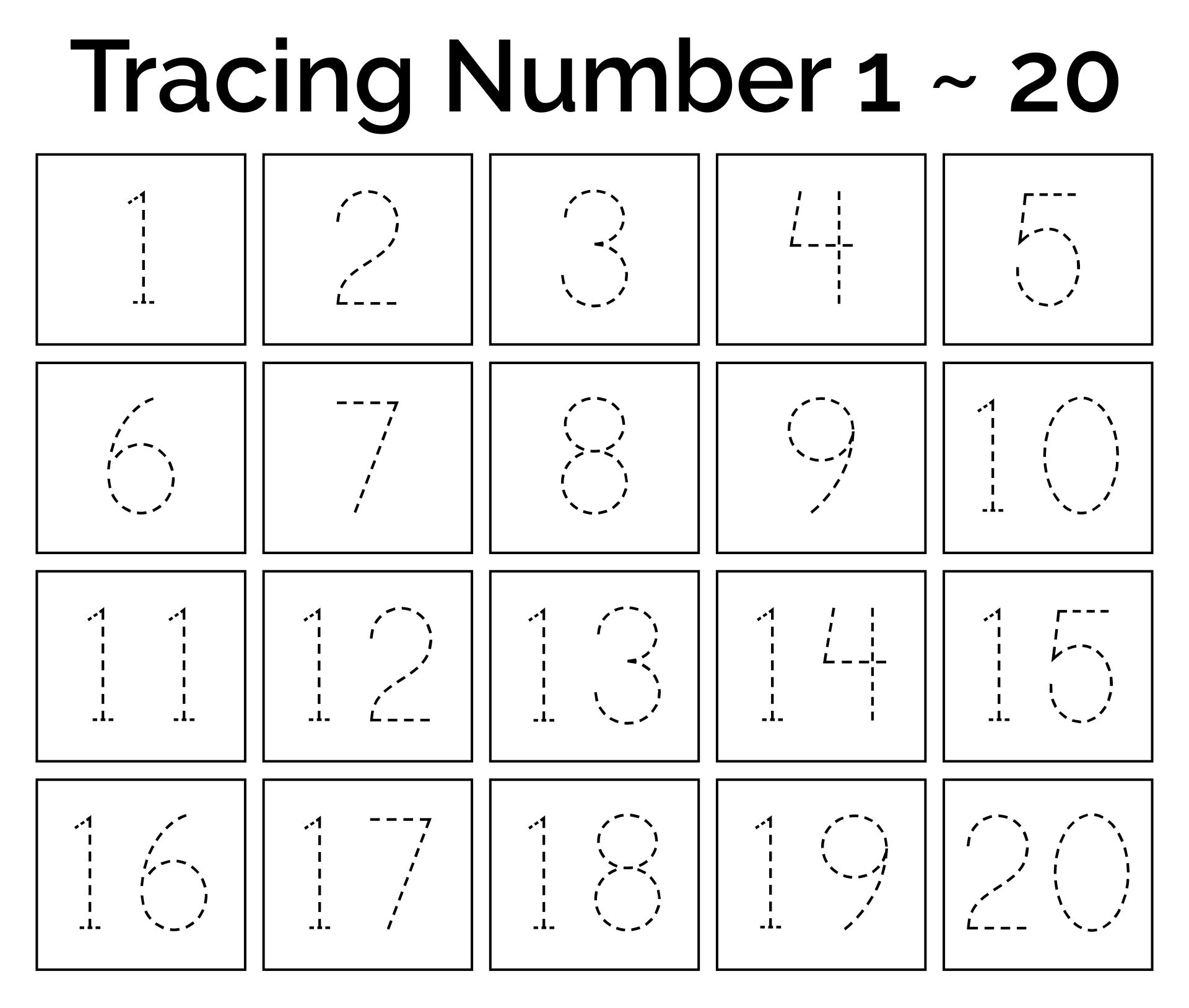
The numbered sequence from one to twenty forms the backbone of early mathematical literacy and spatial organization. This specialized resource provides methodical practice for each numeral, incorporating clear starting points, directional arrows, and dotted guidelines. Establishing proper stroke order early prevents the formation of inefficient habits, such as drawing numbers from the bottom up or using fragmented, disconnected strokes. Through repeated exposure to these structured templates, learners internalize the distinct loops, straight lines, and diagonal curves that define each mathematical character. Exploring additional number-focused tools within the Tracing Number section reinforces these fundamental habits across varied layouts.
Key Learning Outcomes
Consistent interaction with numerical tracing pages yields measurable gains in several developmental domains simultaneously. Children develop refined pencil control, learning to modulate pressure so lines remain steady without tearing the paper or fatiguing the hand prematurely. Spatial awareness improves significantly as learners navigate within boundaries, maintaining uniform sizing and appropriate spacing between consecutive numbers. According to the National Association for the Education of Young Children, active engagement with fine motor manipulative tasks during early childhood supports holistic cognitive and physical growth. Procedural memory for stroke sequences solidifies, allowing the physical act of writing numbers to transition from a conscious, halting puzzle into an automatic, fluid motion.
How to Use This Worksheet
Maximizing the benefits of any tracing sheet requires balancing structured repetition with physical comfort and engagement. Begin by ensuring the seating arrangement promotes proper posture, with feet flat on the floor and hips positioned at a ninety-degree angle to support core stability. Introduce the worksheet during periods of high focus rather than at the end of a long, exhausting day. Encourage slow, deliberate movements rather than hurried completion, emphasizing the quality of each stroke over the speed of finishing the page. Broadening the scope of practice often involves utilizing resources found under Tracing Worksheets to maintain variety and sustained interest.
Practical Tips for Parents and Teachers
Observing hand mechanics closely helps adults identify when a child requires intervention or gentle redirection regarding grip and posture. Model the correct tripod grasp explicitly, demonstrating how the thumb, index, and middle fingers work in concert to pinch and guide the writing utensil. Scaffold the experience by starting with larger, gross-motor tracing motions in the air or on vertical surfaces before transitioning to the fine motor demands of standard paper. Extend learning naturally by asking children to count physical objects aloud as they finish tracing each corresponding digit. When young learners encounter difficulty with curved numerals like three or eight, guide their hand gently through the formation pathway a few times to build muscle memory before letting them try independently.
Age-Appropriate Expectations
Developmental readiness dictates how children approach numerical writing tasks across different early childhood stages. Younger children between ages two and four often experiment with pre-writing strokes and may only be ready to trace large, simplified numerals or engage with the tactile foundations found in Fine Motor and Pre-Writing Skills. By ages five through eight, aligned with the expectations outlined in the Common Core ELA standards for foundational writing and number representation, children are expected to write numbers from zero to twenty with correct formation and orientation. Educators and caregivers should tailor expectations to individual motor development, keeping in mind that physical stamina varies wildly among children of the exact same chronological age.
Foundational fine motor control and visual-motor integration are essential prerequisites for successful handwriting development. — American Occupational Therapy Association
Frequently Asked Questions
Navigating early childhood writing resources can bring up logistical and pedagogical questions for adults supporting young learners. Below are answers to common inquiries regarding formatting, physical development, and educational standards.
Explore More Free Printable Tracing Worksheets
Supporting a young learner through the journey of pre-writing and early literacy requires a diverse toolkit of engaging, accessible materials. Beyond numerical practice, children benefit immensely from exploring foundational shapes, alphabet letters, and thematic exercises that keep enthusiasm high. Every child progresses at a unique pace, and having access to a broad collection ensures the right challenge is always within reach. Explore the full library of resources available at KidTraces.com to discover countless ways to inspire confidence and capability in developing writers.
Developmental Milestone & Activity Table
| Development Stage | Recommended Daily Duration | Primary Learning Objective |
|---|---|---|
| Preschool & Pre-K | 10 – 15 Minutes | Pencil grip development & basic pre-stroke lines |
| Kindergarten | 15 – 20 Minutes | Letter/number formation & spatial line awareness |
| Early Elementary (Grade 1–2) | 20 – 30 Minutes | Fluency, sentence construction & neatness |
Images References