Introduction
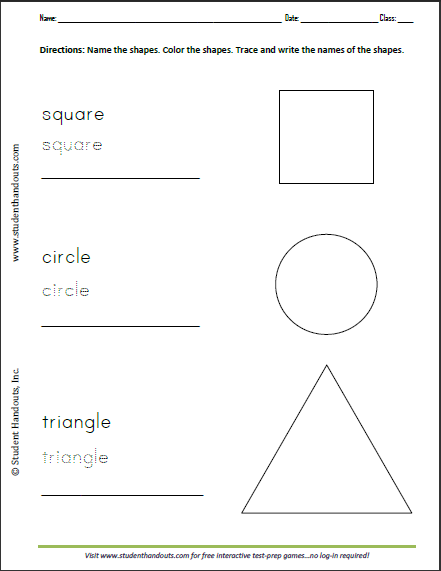
Many children recognize letters, numbers, and basic geometric forms long before their fine motor control allows them to successfully recreate those shapes on paper. According to the American Occupational Therapy Association, foundational pencil control relies heavily on the early mastery of basic geometric strokes, which provide the building blocks for legible handwriting. It sounds simple, and that is the exact point of early pre-writing practice. Children need a structured path from random scribbling to deliberate line control before tackling complex letter formation. The free printable circles triangles and squares worksheet offers a targeted, developmentally appropriate bridge between visual recognition and physical execution. Years of classroom and clinic observations show that when children master circles, triangles, and squares first, their subsequent handwriting fluency improves dramatically. This printable resource supports that exact developmental trajectory by giving young learners purposeful tracing paths that refine hand-eye coordination, wrist stability, and finger dexterity. Adults guiding early learners often search for tools that engage attention while building essential physical strength, making this specific shape-tracing asset a staple in both home and school environments.
💡 Educational Key Takeaways:
- Core Skill: Structured Circles Triangles And Squares Worksheet focused on developing pencil grip, stroke control, and early literacy/math confidence.
- Target Scope: Suited for homeschoolers, preschool, kindergarten, and elementary learners.
- Best Recommendation: Practice 10–15 minutes daily with ergonomic writing tools to reinforce muscle memory without hand fatigue.
What This Worksheet Covers
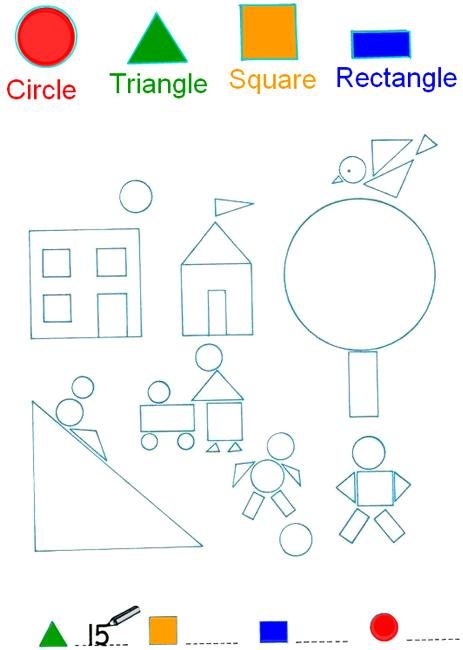
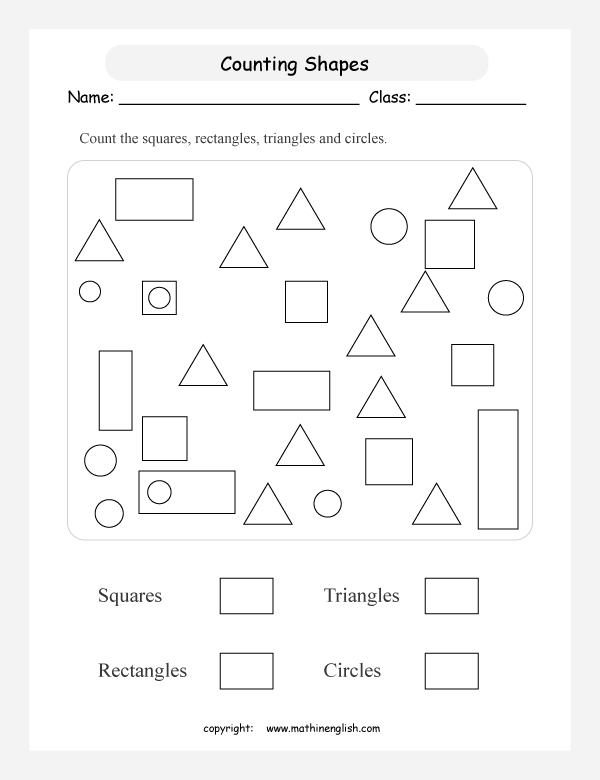
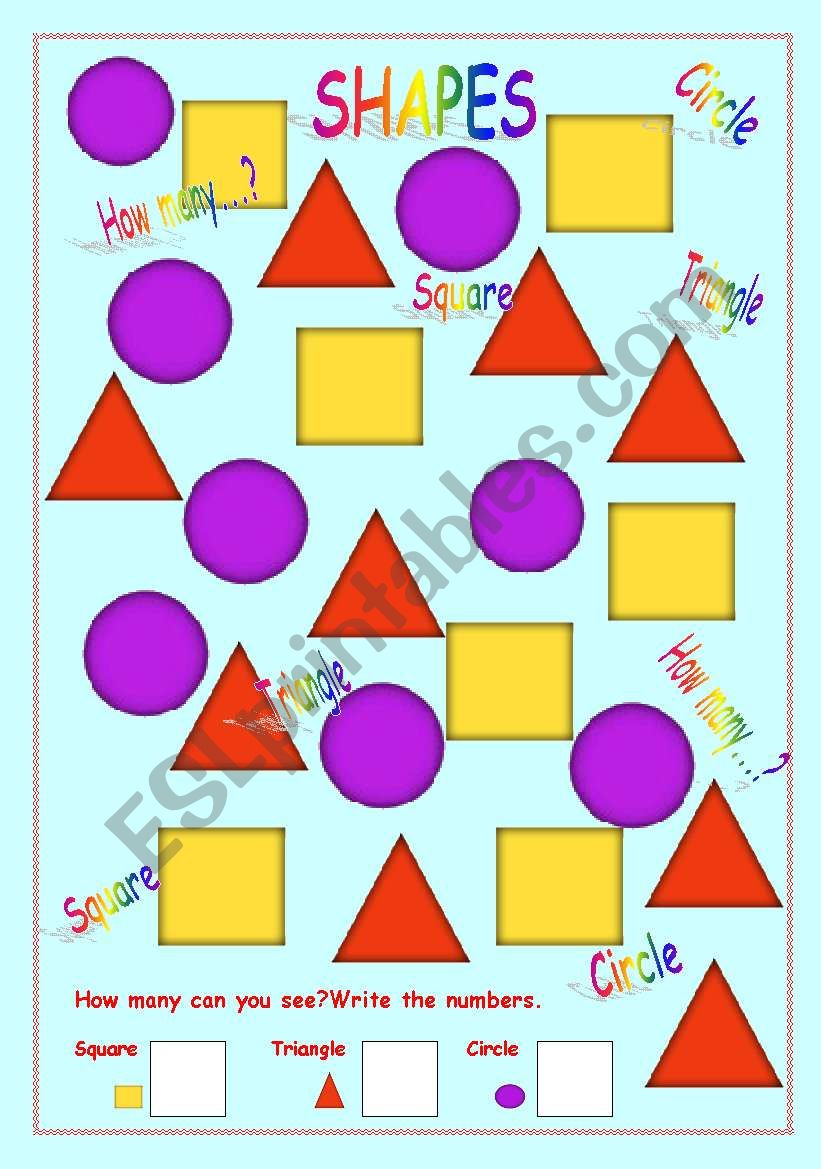
The worksheet focuses entirely on foundational geometric shapes that mimic the fundamental strokes required for handwriting. Circles demand fluid continuous curves, triangles introduce sharp angular turns, and squares require precise ninety-degree corner control. By engaging with these specific shapes, learners practice the exact motor plans needed for uppercase and lowercase letter creation. For instance, the continuous counter-clockwise motion of a circle lays the groundwork for letters like ‘c’, ‘o’, and ‘a’, while the intersecting lines of triangles and squares support letters like ‘v’, ‘w’, ‘l’, and ‘t’. This intentional design shifts the focus away from rote memorization and toward genuine biomechanical mastery. Educators utilizing resources found within Shape and Line Tracing collections routinely note how geometric templates reduce frustration because the visual expectations are clear and geometrically consistent. Children learn to anticipate corners, monitor pressure, and adjust their pencil speed as they navigate each shape from start to finish. Here is what makes this worksheet different: it treats shape drawing not as an art lesson, but as rigorous, foundational pre-writing preparation that targets the small intrinsic muscles of the hand.
Key Learning Outcomes
Engaging with this printable material helps children develop superior pencil control, proper stroke directionality, and sustained visual-motor integration. Learners build essential finger dissociation, allowing them to move the pencil through subtle finger and wrist adjustments rather than awkward whole-arm movements. According to the National Association for the Education of Young Children, early visual-motor experiences directly correlate with later academic confidence and spatial awareness. As children trace the outer borders and internal paths of circles, triangles, and squares, they naturally refine their bilateral coordination, holding the paper steady with one hand while the dominant hand executes the tracing task. This dual-sided processing strengthens the corpus callosum, supporting overall neurological development during the early childhood years. Furthermore, repeated exposure to these distinct geometric borders enhances visual discrimination, teaching young minds to notice subtle differences in line orientation, shape closure, and proportional sizing.
How to Use This Worksheet
Successful implementation begins long before the pencil touches the paper, starting with proper seating posture and ergonomic positioning. Feet should rest flat on the floor, hips and knees should bend at ninety-degree angles, and the workspace should feature an upright or slightly slanted surface to encourage a natural wrist extension. Adults can introduce the worksheet by having children trace the shapes with their index fingers first, feeling the physical trajectory of the curves and sharp corners before picking up a writing utensil. To extend durability and allow for repeated trial and error, caregivers often slide the printable sheet inside a heavy-duty plastic dry-erase sleeve. This modification transforms a single-use paper into an exploratory canvas where mistakes are easily wiped away, lowering performance anxiety and encouraging playful persistence. Exploring further developmental resources across Fine Motor and Pre-Writing Skills can provide additional ideas for strengthening hand arches and improving pencil grasps prior to completing the geometric tasks.
Practical Tips for Parents and Teachers
Adults should actively model an efficient tripod or quadrupod grasp while explicitly verbalizing the physical movements required to complete each shape. Saying phrases like “curve around the top and close the circle” or “stop, turn the corner, and slide down” gives children an auditory roadmap to pair with their visual and kinesthetic processing. Scaffolding the activity means starting with larger, bold-lined shapes and gradually moving toward narrower, dotted pathways as hand strength improves. If a child demonstrates fatigue, hand shaking or heavy-work activities like wall pushes can reactivate tired muscles before returning to the tracing task. When a child struggles with the sharp angles of the triangle, adults can place small tactile stickers at the vertices to serve as physical stopping points. These thoughtful adjustments transform a standard worksheet into an individualized, therapeutic learning experience that meets every child at their precise developmental level.
Age-Appropriate Recommendations
Developmental expectations must align with the child’s age and physical maturity, adhering closely to established frameworks such as the CDC developmental milestones. For younger children aged two to four, the focus centers primarily on vertical and horizontal line imitation, circle completion, and gross motor shape tracing using chunky crayons or finger paints. At this stage, perfection is irrelevant; the true goal is fluid movement, engagement, and foundational grasp exploration. For older children aged five to eight, expectations shift toward refined accuracy, sharp corner control, and independent stroke sequencing in alignment with handwriting readiness standards. During these early elementary years, tracing shapes bridges the gap into formal letter formation, ensuring that children possess the spatial awareness and muscle memory required for successful daily writing tasks. For specialized letter and number practice that builds directly upon these geometric foundations, educators frequently consult the materials available in Tracing Worksheets.
Foundational pencil control relies heavily on early mastery of basic geometric strokes, providing the building blocks for legible handwriting. — American Occupational Therapy Association
Frequently Asked Questions
Explore More Free Printable Tracing Worksheets
Supporting a child’s journey toward confident, legible handwriting requires a diverse and engaging collection of practice materials that grow alongside their developing abilities. Beyond geometric shapes, young learners benefit immensely from exploring varied stroke patterns, seasonal motifs, and guided letter pathways that keep motivation high and boredom low. The complete library at KidTraces.com offers educators, parents, and therapists an extensive selection of free printables designed to target every stage of the fine motor continuum. Whether seeking seasonal motivation or specialized letter formation aids, exploring these thoughtfully organized categories ensures that every child finds the right tool at the right moment in their development.
Developmental Milestone & Activity Table
| Development Stage | Recommended Daily Duration | Primary Learning Objective |
|---|---|---|
| Preschool & Pre-K | 10 – 15 Minutes | Pencil grip development & basic pre-stroke lines |
| Kindergarten | 15 – 20 Minutes | Letter/number formation & spatial line awareness |
| Early Elementary (Grade 1–2) | 20 – 30 Minutes | Fluency, sentence construction & neatness |
Images References