Introduction
Many children recognize letters, shapes, and numbers long before their fine motor skills can actually form them on paper. According to the American Occupational Therapy Association, foundational hand strength and pencil control must develop through playful manipulation of tools before formal handwriting can succeed. This developmental gap often frustrates eager learners who want to write but lack the intrinsic hand stability to do so. Utilizing free printable tracing lines for toddlers bridges this exact gap by offering low-pressure, visually guided practice. It sounds simple, and that’s the point. Young hands need repetitive, engaging strokes to build muscle memory without the cognitive overload of creating letters from scratch.
💡 Educational Key Takeaways:
- Core Skill: Structured Tracing Lines For Toddlers focused on developing pencil grip, stroke control, and early literacy/math confidence.
- Target Scope: Suited for homeschoolers, preschool, kindergarten, and elementary learners.
- Best Recommendation: Practice 10–15 minutes daily with ergonomic writing tools to reinforce muscle memory without hand fatigue.
What This Worksheet Covers
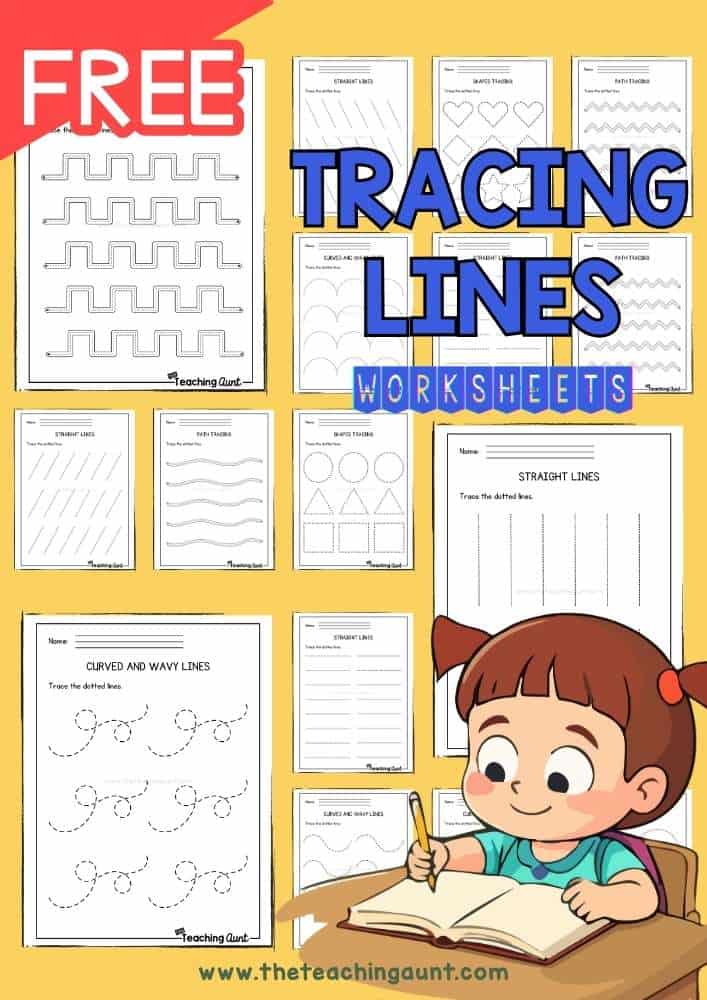
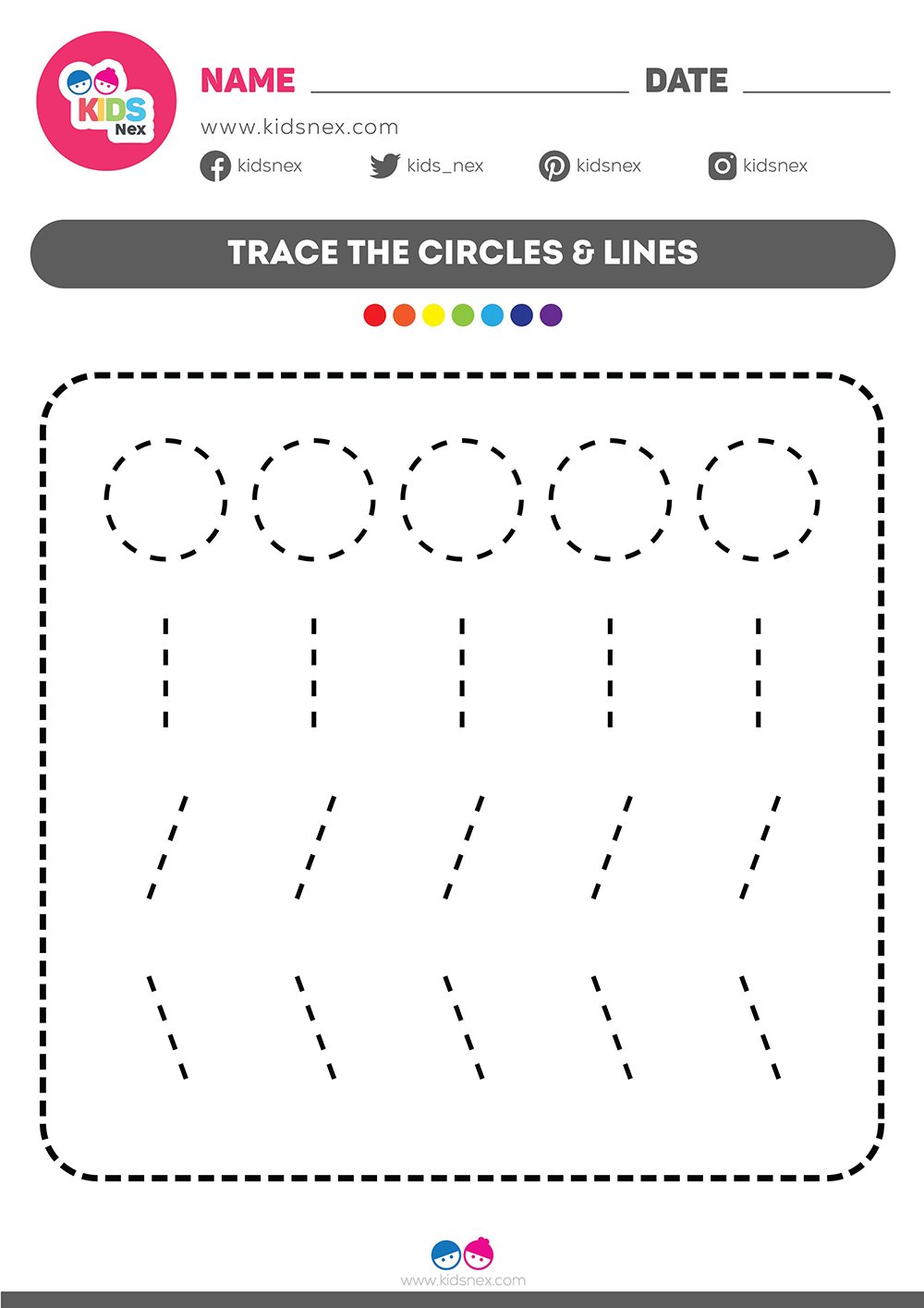
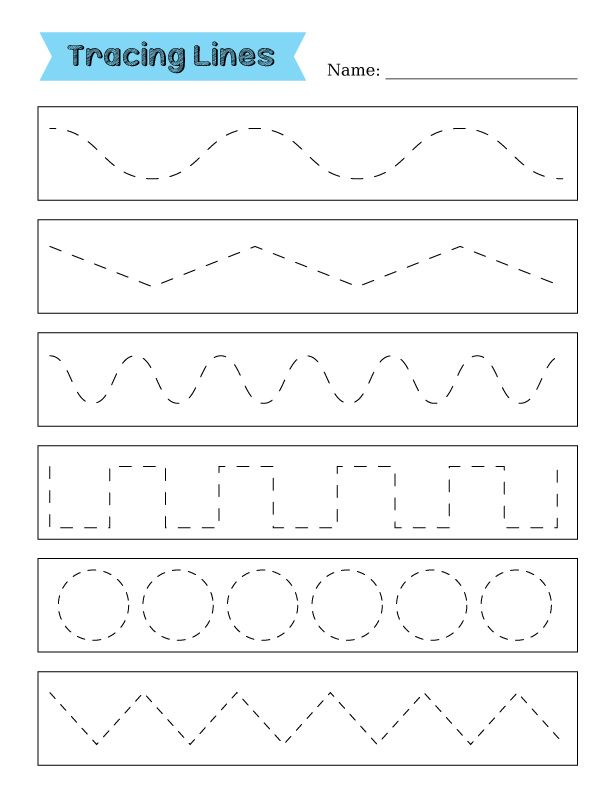
This foundational resource focuses entirely on pre-writing strokes, pencil control, and early motor planning. The pages progress deliberately from basic horizontal and vertical paths to complex diagonal, zig-zag, and curved lines. Children encounter various visual pathways designed to capture interest while targeting specific hand movements. Every stroke mimics the fundamental shapes required later for writing the alphabet and numerals. Exploring these patterns helps toddlers understand directionality, visual tracking, and spatial boundaries on a page. For more related activities, check out our Kindergarten Tracing Lines For Manners.
Key Learning Outcomes
Engaging with these linear paths fosters robust hand-eye coordination as small eyes track a visual cue while the hand follows closely behind. Developing muscle endurance in the intrinsic muscles of the hand happens naturally as children maintain a consistent grip from left to right. Crossing the midline improves significantly when tracking continuous horizontal strokes across the entire page. Furthermore, learners internalize directional concepts such as top-to-bottom and left-to-right processing, which serve as the absolute bedrock for future reading and writing fluency.
How to Use This Worksheet
Success with early writing tools relies heavily on preparation, pacing, and positive reinforcement. Setting up a comfortable workspace with an appropriately sized chair and table ensures the child’s feet flatly touch the floor, promoting core stability. Beginning with thicker writing utensils like broken crayons, short pencils, or dot markers encourages a natural tripod or modified grasp. Adults should demonstrate the tracing motion first in the air, using sweeping hand gestures to help the learner visualize the upcoming movement before touching pencil to paper.
Practical Tips for Parents and Teachers
Scaffolding the experience transforms a potentially frustrating task into a rewarding game. Adults can guide a hesitant hand gently through the first few lines to establish the rhythm of the motion, then gradually fade that physical support. Laminating the activity sheets or placing them inside heavy-duty plastic sleeves allows for repeated practice using dry-erase markers. Incorporating sensory elements, such as tracing the printed paths with a finger filled with finger paint or shaving cream before using a writing tool, reinforces neural pathways. Keeping sessions short, joyful, and entirely free of forced perfection protects intrinsic motivation during these crucial early developmental stages.
Age-Appropriate Recommendations
Toddlers between ages two and four benefit most from vertical, horizontal, and simple curved tracing lines that accommodate gross motor dominance and emerging visual-motor integration, aligning with the Centers for Disease Control and Prevention developmental milestones for early childhood. Older preschoolers and early elementary children ages five through eight transition smoothly into complex diagonal intersecting lines and structured letter formation found within comprehensive frameworks like Handwriting Without Tears. Matching the complexity of the line sheet to the child’s exact developmental stage prevents hand fatigue and builds genuine confidence. For targeted skill expansion, exploring collections dedicated to Fine Motor and Pre-Writing Skills provides additional foundational support.
Foundational pre-writing strokes and linear control are essential precursors to legible handwriting — American Occupational Therapy Association
Frequently Asked Questions
Navigating early childhood writing tools raises common questions regarding printing formats, motor skill progression, and developmental expectations for young learners.
Tracing lines builds the essential hand strength, visual tracking, and muscle memory required for future letter formation — Reading Rockets
Explore More Free Printable Tracing Worksheets
Expanding a young learner’s toolkit involves introducing diverse formats that target specific developmental milestones without overwhelming the child. Practicing continuous paths serves as an ideal warm-up before diving into structured letter formation found in Dotted Letters For Tracing or foundational numerical accuracy through Alphabet And Numbers Tracing. When children crave seasonal engagement or unique visual motifs, incorporating options from Shape and Line Tracing keeps enthusiasm high. Families and educators looking for a comprehensive selection of resources can explore the full library at KidTraces.com to support every stage of early literacy development.
Developmental Milestone & Activity Table
| Development Stage | Recommended Daily Duration | Primary Learning Objective |
|---|---|---|
| Preschool & Pre-K | 10 – 15 Minutes | Pencil grip development & basic pre-stroke lines |
| Kindergarten | 15 – 20 Minutes | Letter/number formation & spatial line awareness |
| Early Elementary (Grade 1–2) | 20 – 30 Minutes | Fluency, sentence construction & neatness |
Images References