Introduction
According to the Centers for Disease Control and Prevention developmental milestones, toddlers typically begin imitating vertical and horizontal lines around age two, forming the crucial foundation for all future writing skills. Many children recognize letters, shapes, and symbols long before their hand muscles and visual-motor integration are mature enough to form them on paper. This disconnect often frustrates adults who mistake cognitive understanding for physical readiness. Young children learn best through large, exaggerated movements that eventually scale down to standard paper sizes. The free printable shapes tracing for 2 year olds bridges this gap by offering simple, closed-geometry strokes that match early toddler biomechanics. Rather than demanding rigid mastery of the alphabet, these resources invite tiny hands to explore circles, squares, and lines at an organic pace. Every curved line and intersecting stroke builds spatial awareness, hand-eye coordination, and finger dexterity without inducing performance anxiety. Thoughtful design meets early childhood needs when adults provide purposeful tools suited to the developmental realities of toddlerhood.
💡 Educational Key Takeaways:
- Core Skill: Structured Shapes Tracing For 2 Year Olds focused on developing pencil grip, stroke control, and early literacy/math confidence.
- Target Scope: Suited for homeschoolers, preschool, kindergarten, and elementary learners.
- Best Recommendation: Practice 10–15 minutes daily with ergonomic writing tools to reinforce muscle memory without hand fatigue.
What This Worksheet Covers
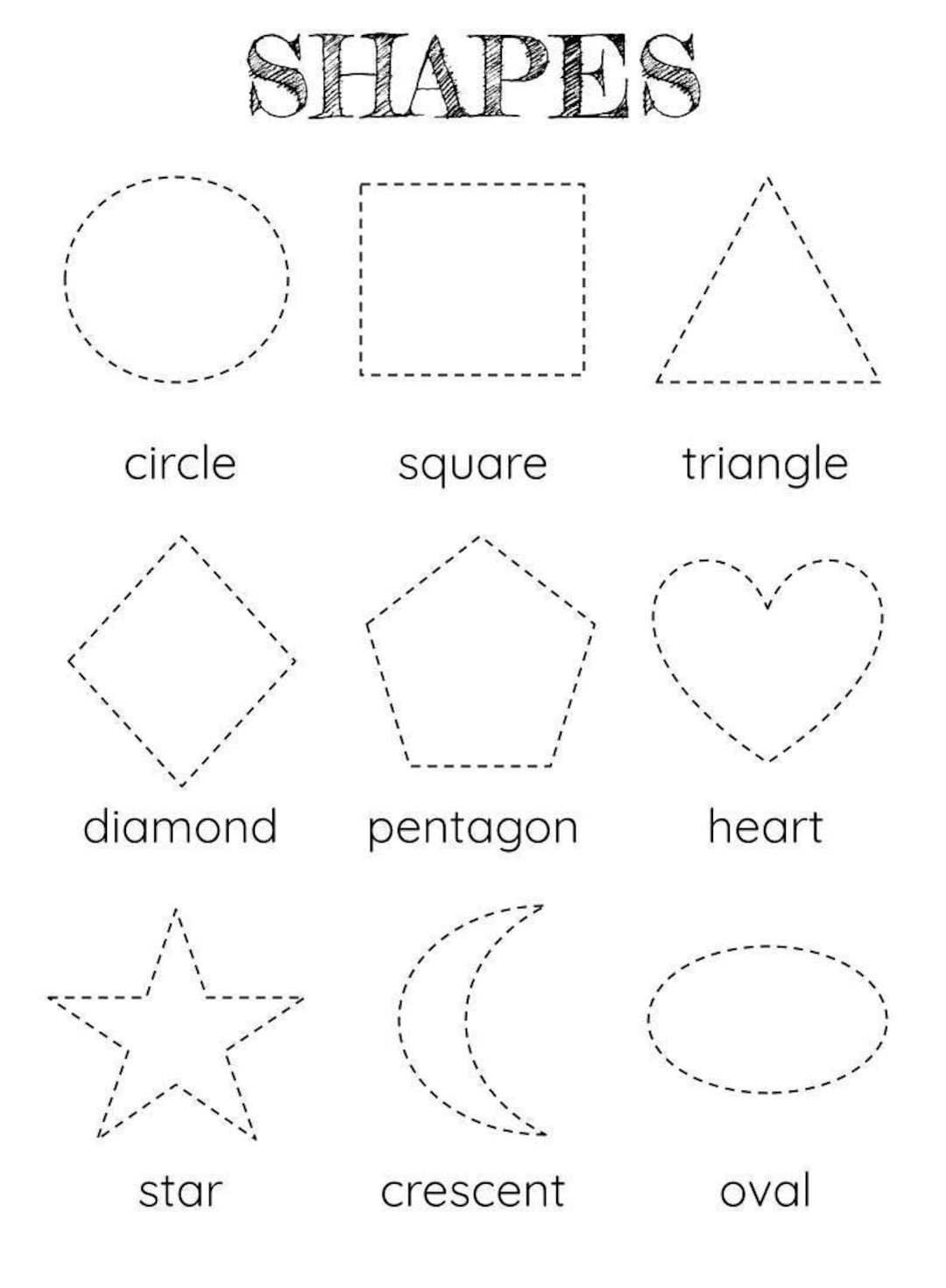
Shape and line tracing sheets focus entirely on pre-writing strokes, pencil control, and bilateral coordination, preparing the hand for complex tasks found in Fine Motor and Pre-Writing Skills. Toddlers explore basic geometrical outlines like circles, squares, and triangles, which serve as foundational building blocks for later letter and number formation. It sounds simple, and that’s the point. These early shapes require continuous visual tracking and steady hand movements that teach fingers how to stop, turn, and change direction smoothly. When children trace a circle, the wrist and forearm learn to fluidly rotate, while triangles teach directional changes and sharp corner control. Here’s what makes this worksheet different: oversized graphics accommodate immature grasps, giving toddlers ample margin for error while still experiencing tactile and visual success.
Key Learning Outcomes
Children engaging with these targeted tracing activities develop enhanced visual-motor integration as their eyes guide their hands along defined paths. Finger isolation improves significantly as toddlers learn to stabilize the paper with one hand while manipulating a thick writing utensil with the other, establishing essential bilateral coordination. Muscle tone in the small intrinsic muscles of the hand strengthens steadily through repeated, low-stakes friction against the page. Spatial awareness expands as little learners navigate top-to-bottom and left-to-right directional flows naturally embedded within the visual layout. Finally, attentiveness and task persistence grow naturally as children complete simple geometric paths from start to finish.
How to Use This Worksheet
Successful implementation relies heavily on matching the physical environment and writing tools to the toddler’s current developmental stage. Heavy-weight cardstock prevents tearing from enthusiastic, heavy-handed tracing, while securing the paper to a tabletop with painter’s tape stops frustrating sliding movements. Thick crayons, short chunky pencils, or dry-erase markers used inside clear plastic sleeves offer excellent sensory feedback and resistance. Adults should observe how the child approaches the page without immediately forcing a textbook tripod grasp, as early palmar and digital pronate grasps are completely normal and necessary for muscle development. Encouraging playful stories, such as helping a little car drive around a circular racetrack, transforms a mechanical exercise into an engaging, imaginative journey.
Practical Tips for Parents and Teachers
Modelling correct stroke direction in the air before touching the paper helps engage muscle memory and spatial visualization. Scaffolding the experience works wonders when children grow weary; guiding a tiny hand gently through the first loop builds immediate confidence for independent attempts. Extending the activity beyond the flat page keeps motivation high by letting children trace shapes in shaving cream, sandbox sand, or textured trays with their index fingers. Rotating writing utensils frequently prevents hand fatigue and encourages experimentation with different grip pressures. Celebrating every completed attempt reinforces positive associations with writing tasks long before formal penmanship instruction begins.
Age-According-To-Framework Recommendations
According to the National Association for the Education of Young Children Developmentally Appropriate Practice guidelines, two-year-old learners thrive on sensorimotor exploration and sensory-rich, hands-on materials rather than rigid seatwork. At age two, expectations should center on sensory engagement, large arm movements, and exploring how tools mark surfaces. By ages three and four, children transition toward more deliberate control, smoothly moving into resources found within Shape and Line Tracing collections. For older preschoolers approaching kindergarten readiness, educators can introduce structured sheets that resemble the letter-forming strokes located in Dotted Letters For Tracing. Recognizing these age-specific thresholds ensures that every child receives the exact level of challenge needed for healthy physical and cognitive growth.
Young children develop foundational pre-writing strokes through continuous sensory-motor exploration — National Association for the Education of Young Children (NAEYC)
Frequently Asked Questions
Addressing common caregiver questions clarifies expectations and maximizes the benefits of early childhood tracing tools.
Explore More Free Printable Tracing Worksheets
Expanding a child’s early learning journey involves exploring diverse themes, formats, and developmental milestones tailored to growing hands. Educators and families can find a comprehensive array of resources supporting every stage of early writing development by visiting the full library at KidTraces.com. Whether transitioning toward letter formation or enjoying seasonal motifs found in Seasonal and Fun Themes, consistent and joyful practice builds lifelong confidence. Get started today to inspire a love for writing in every child.
Developmental Milestone & Activity Table
| Development Stage | Recommended Daily Duration | Primary Learning Objective |
|---|---|---|
| Preschool & Pre-K | 10 – 15 Minutes | Pencil grip development & basic pre-stroke lines |
| Kindergarten | 15 – 20 Minutes | Letter/number formation & spatial line awareness |
| Early Elementary (Grade 1–2) | 20 – 30 Minutes | Fluency, sentence construction & neatness |
Images References