Introduction
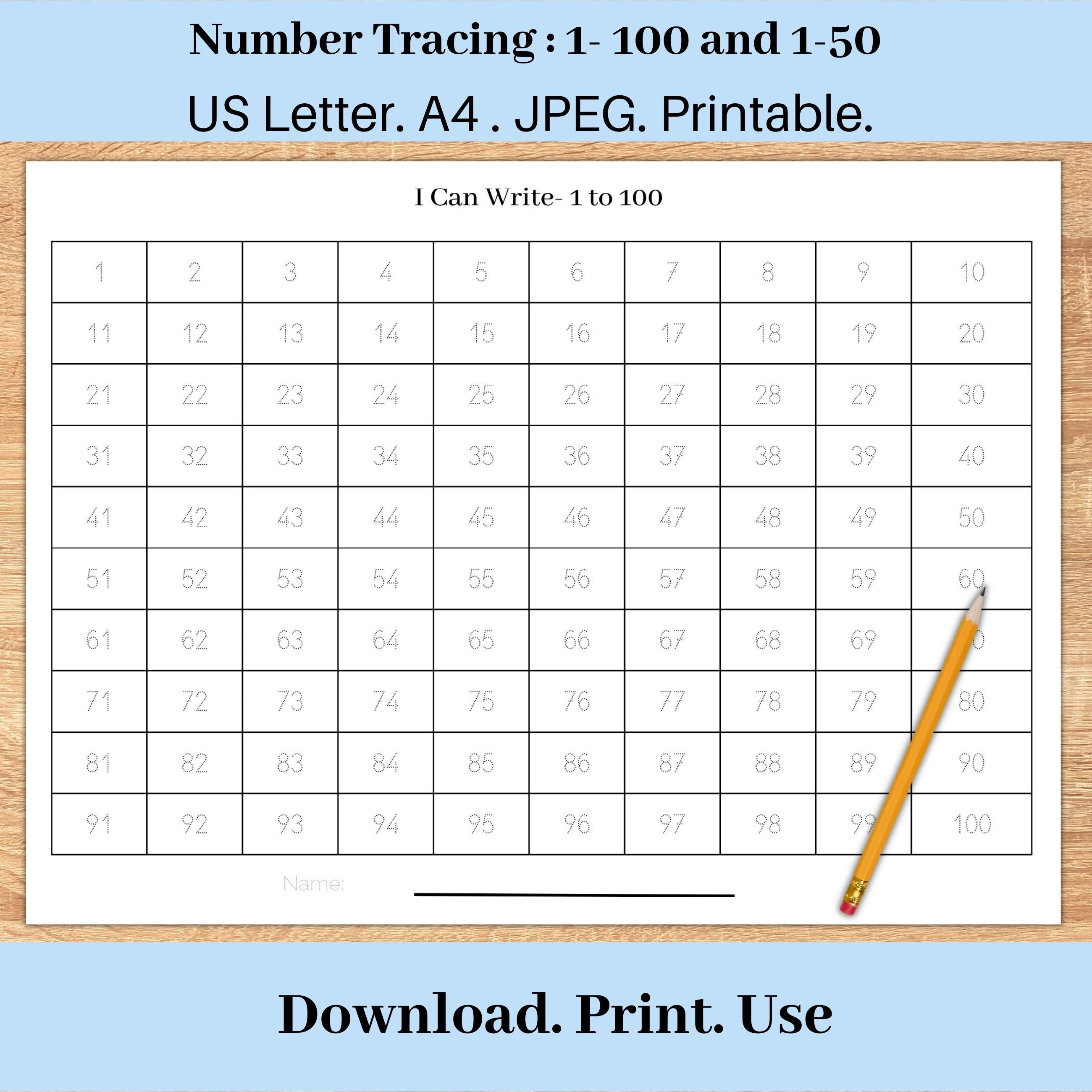
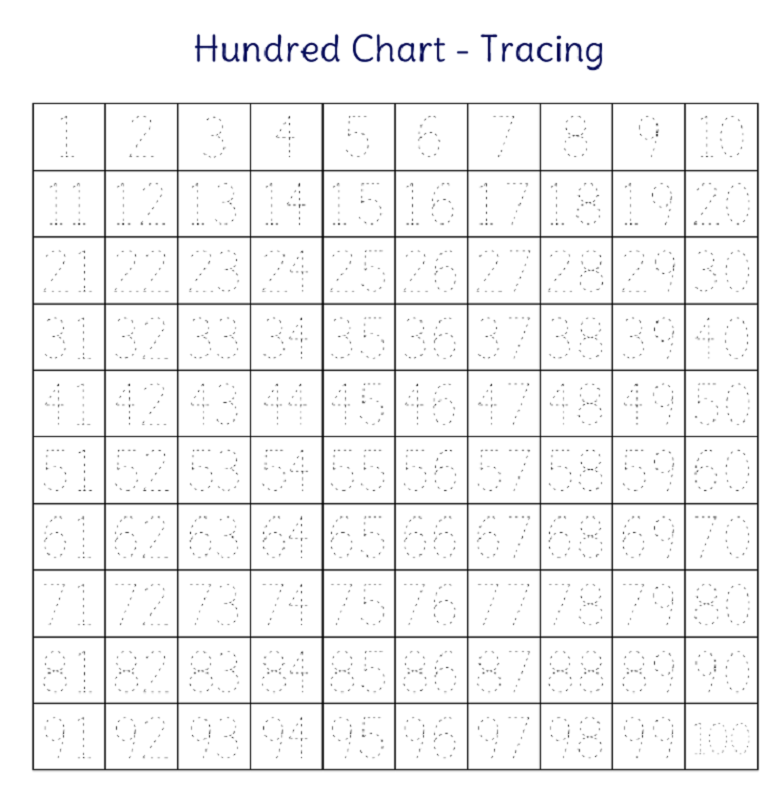
Watch any group of preschoolers and a clear pattern emerges quickly: children recognize numerals and letters long before their little hands possess the intrinsic muscle strength and motor planning required to form them on paper. According to the American Occupational Therapy Association, foundational fine motor control develops sequentially through physical manipulation, hand-eye coordination, and consistent practice with proper posture and tools. Bridging this cognitive understanding with physical execution requires structured, patient guidance rather than rushed repetition. The free printable number tracing 1-100 tool serves as an essential bridge, guiding young learners safely from single-digit recognition all the way through complex double-digit sequencing. It sounds simple, and that is the exact point. By breaking down counting and numeral formation into manageable visual strokes, adults can support children as they build confidence, pencil control, and mathematical literacy simultaneously. Exploring these foundational steps helps transform everyday writing practice into a rewarding, stress-free experience for developing hands.
💡 Educational Key Takeaways:
- Core Skill: Structured Number Tracing 1-100 focused on developing pencil grip, stroke control, and early literacy/math confidence.
- Target Scope: Suited for homeschoolers, preschool, kindergarten, and elementary learners.
- Best Recommendation: Practice 10–15 minutes daily with ergonomic writing tools to reinforce muscle memory without hand fatigue.
What This Worksheet Covers
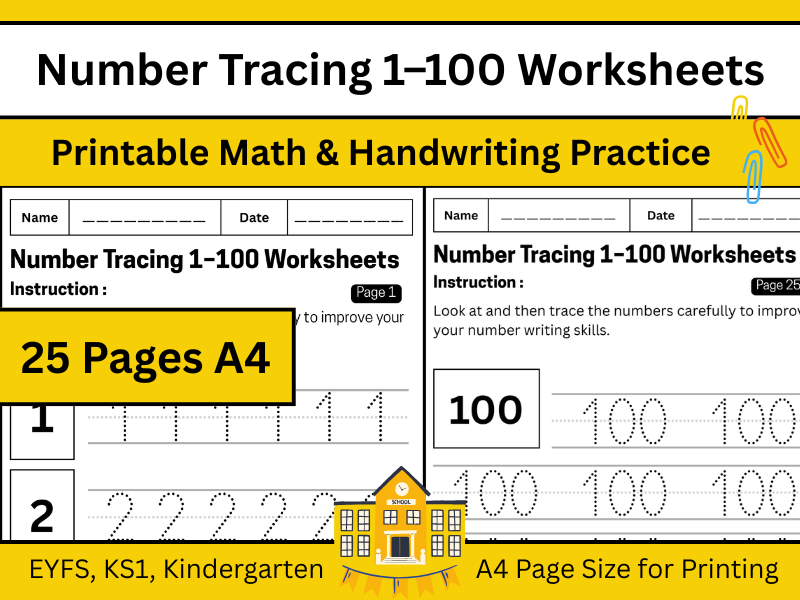
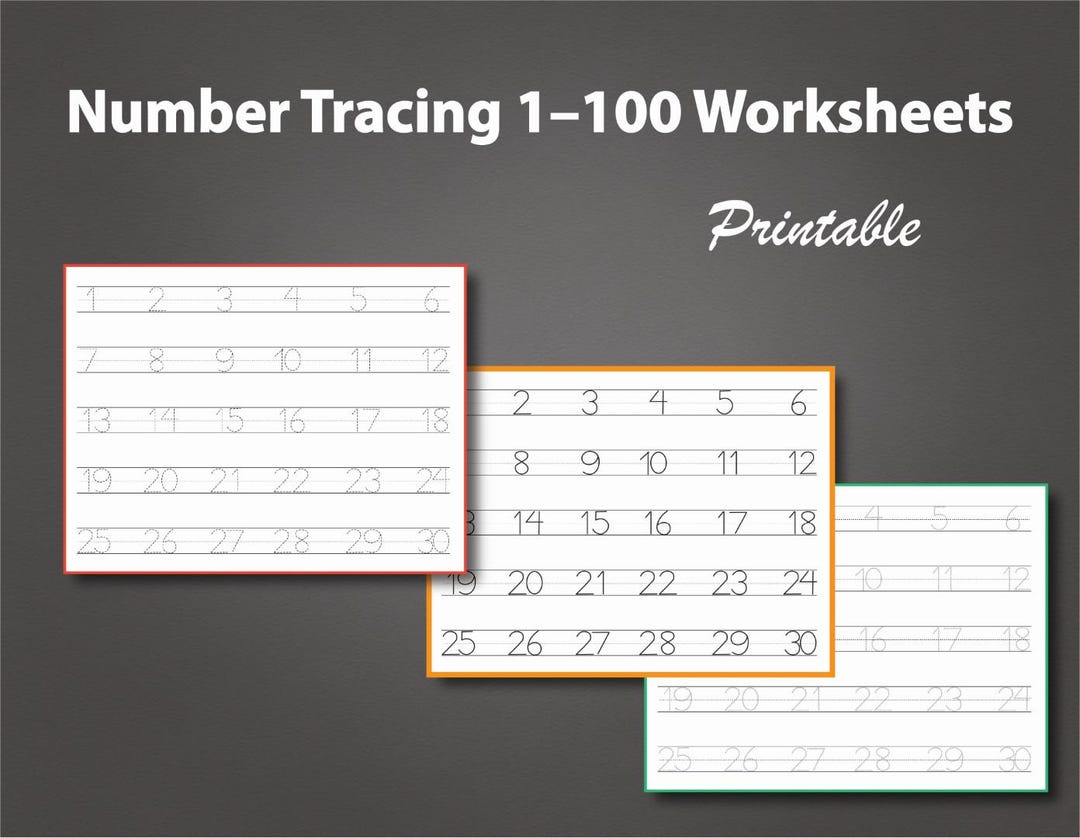
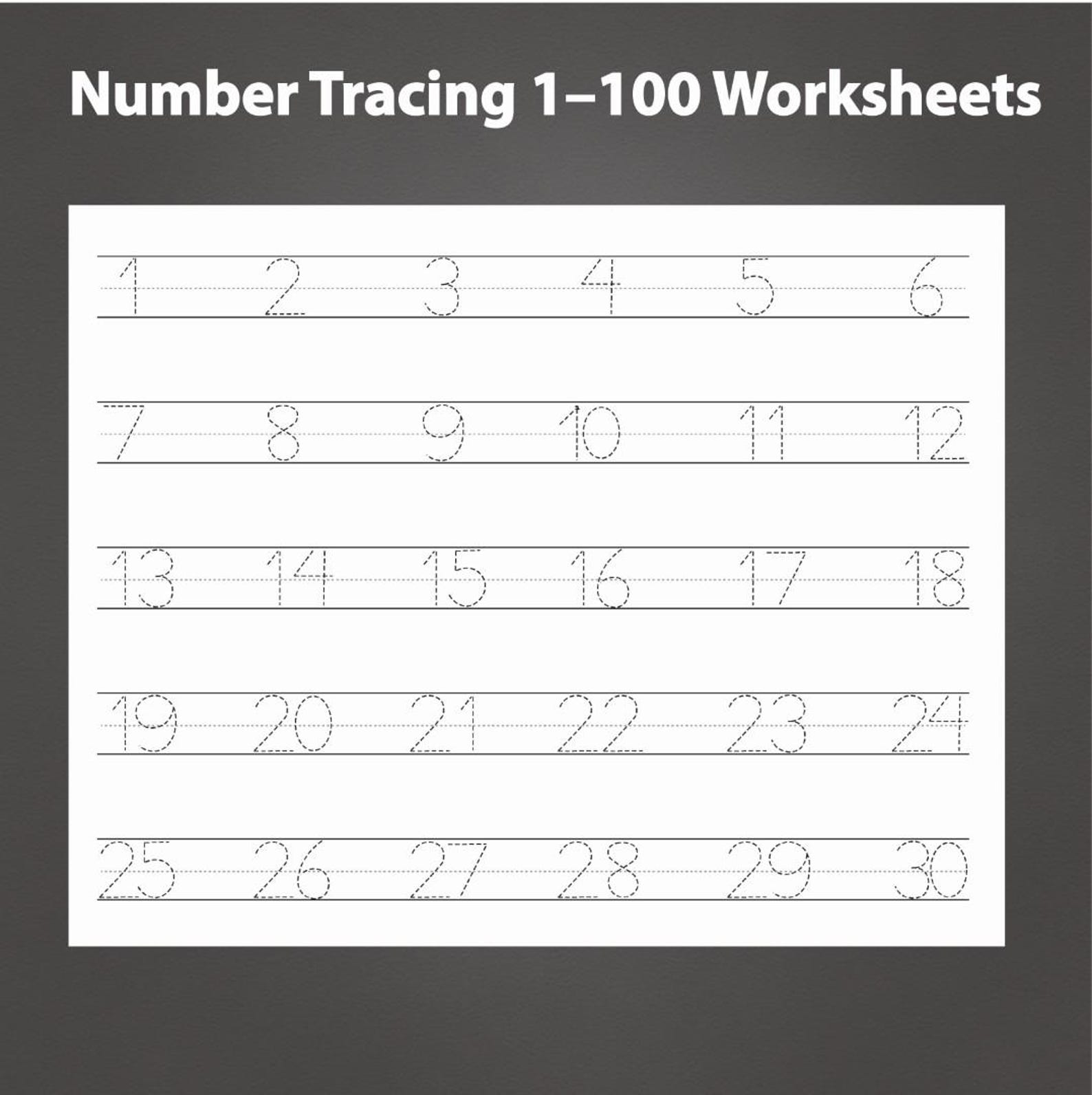
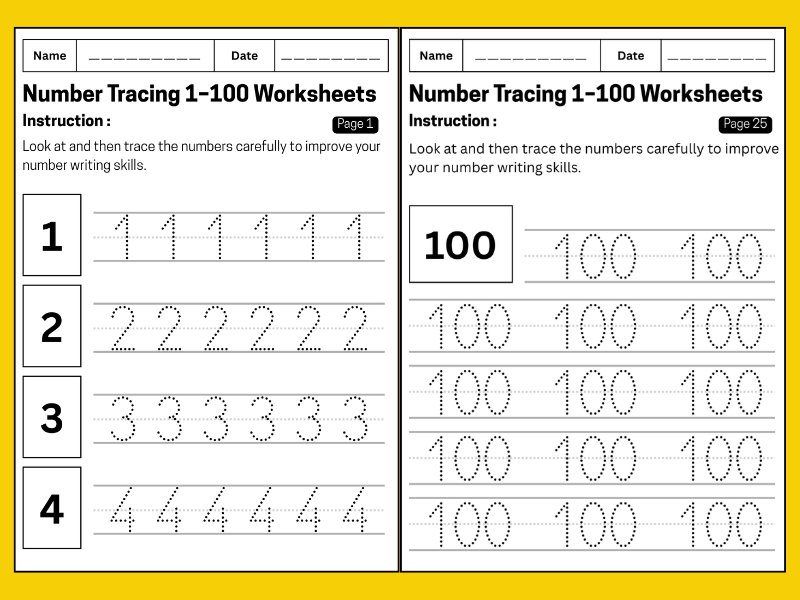
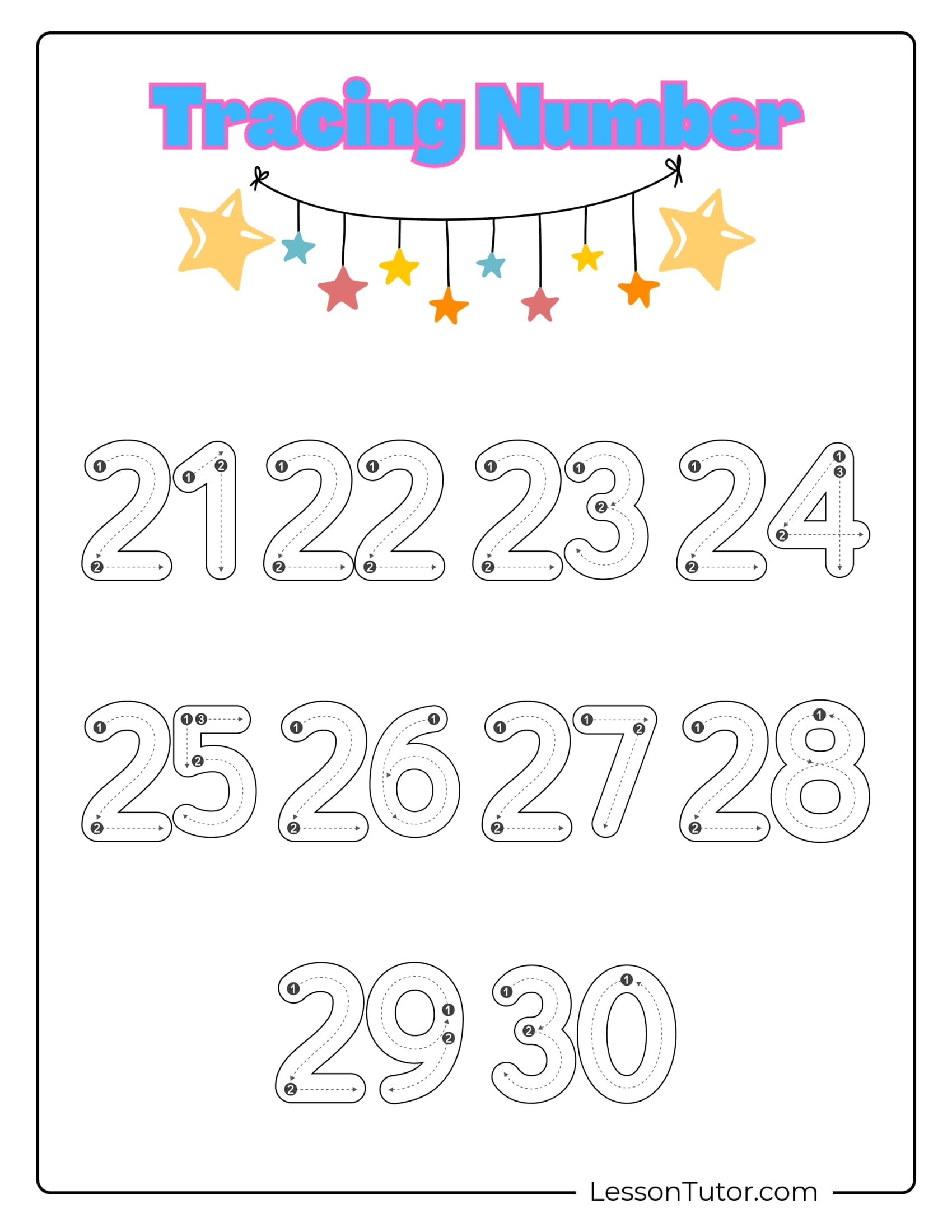
Mastering numbers up to one hundred is a major milestone in early childhood education. This comprehensive resource focuses heavily on precise numeral formation, consistent stroke order, correct spatial orientation, and logical number sequencing from one to one hundred. Many children experience fatigue or frustration when asked to write large quantities without structured visual boundaries, but dotted paths provide the exact scaffolding needed to sustain focus and stamina. As learners move sequentially through the rows, they encounter repetitive stroke patterns that reinforce muscle memory in the fingers, wrists, and forearms. This systematic approach ensures that numbers are not merely drawn like pictures, but formed correctly through intentional directional movements. For more related activities, check out our Tracing Word Numbers.
Key Learning Outcomes
Working through these pages fosters several critical developmental milestones that extend far beyond simple math facts. According to the National Association for the Education of Young Children, purposeful early writing experiences strengthen the small muscles of the hand while simultaneously reinforcing cognitive processing and visual-spatial awareness. Children naturally develop directional habits, learning that numbers begin at the top and flow downward or to the right. Visual tracking improves steadily as eyes scan across multiple rows from left to right, mirroring the exact ocular movements required for future reading fluency. Additionally, repeated engagement with the resource builds hand endurance, minimizing the physical discomfort or cramping that frequently plagues young writers during longer writing tasks.
How to Use This Worksheet
Introducing a large numerical span like one to one hundred requires a measured, gentle pace rather than attempting the entire packet in one overwhelming sitting. Splitting the pages into manageable chunks, such as focusing strictly on tens groups during individual sessions, prevents mental exhaustion and maintains high engagement levels. It helps to pair pencil practice with multisensory exploration, allowing children to trace oversized numerals in sand, paint, or textured trays before ever touching a writing utensil to paper. Consistency matters tremendously in early motor skill acquisition, so short, daily sessions yield far better physiological and cognitive results than infrequent marathon drills.
Practical Tips for Parents and Teachers
Adult guidance shapes whether a tracing session becomes an empowering triumph or a frustrating chore. Start by verifying an efficient tripod or modified grasp, ensuring fingers rest lightly on the pencil barrel without excessive white-knuckle tension. Model correct stroke order explicitly on a nearby whiteboard or tactile surface before letting the child attempt the corresponding line on the sheet. Scaffold the activity by completing alternating numbers together during the initial stages, gradually fading assistance as confidence and muscle endurance improve. If a child demonstrates signs of physical fatigue, such as dropping the wrist or resting the entire forearm flat, pause immediately to incorporate hand stretches or gross motor breaks before returning to the task.
Age-Appropriate Recommendations
Developmental readiness dictates how children interact with numerical tracing activities across different stages of early childhood. According to CDC developmental milestones, children generally begin recognizing numerals around age three, while precise handwriting and independent sequencing typically consolidate between ages five and eight in alignment with Common Core standards such as CCSS.MATH.CONTENT.K.CC.A.3. For younger children ages two through four, focus primarily on single-digit counting, gross motor pre-writing strokes found in Fine Motor and Pre-Writing Skills, and larger Shape and Line Tracing activities to build foundational muscle tone. For older children in the five to eight range, the full resource becomes an ideal tool for mastering two-digit alignment, neatness, and fluency, supported further by targeted practice within Tracing Number collections and Alphabet And Numbers Tracing galleries.
Foundational fine motor control develops sequentially through physical manipulation, hand-eye coordination, and consistent practice with proper posture and tools. — American Occupational Therapy Association
Frequently Asked Questions
Navigating early childhood writing resources involves understanding both technical logistics and developmental benefits. The following questions address common inquiries regarding file access, fine motor progression, and expert recommendations for supporting young learners.
Tracing supports fine motor development by strengthening intrinsic hand muscles, improving visual-motor integration, and establishing reliable motor memory for proper stroke formation. — Reading Rockets
Explore More Free Printable Tracing Worksheets
Supporting a child’s educational journey requires access to a wide variety of engaging, developmentally appropriate practice materials that keep young minds curious and motivated. Beyond numerical progression, exploring themed pages such as Seasonal and Fun Themes can spark fresh enthusiasm on days when standard practice feels repetitive. Educators and caregivers looking for additional skill-building resources can also investigate specialized writing pages found in Dotted Letters For Tracing or browse the complete, expanding collection available anytime at KidTraces.com to find exact tools tailored to every unique learning stage.
Developmental Milestone & Activity Table
| Development Stage | Recommended Daily Duration | Primary Learning Objective |
|---|---|---|
| Preschool & Pre-K | 10 – 15 Minutes | Pencil grip development & basic pre-stroke lines |
| Kindergarten | 15 – 20 Minutes | Letter/number formation & spatial line awareness |
| Early Elementary (Grade 1–2) | 20 – 30 Minutes | Fluency, sentence construction & neatness |
Images References