Introduction
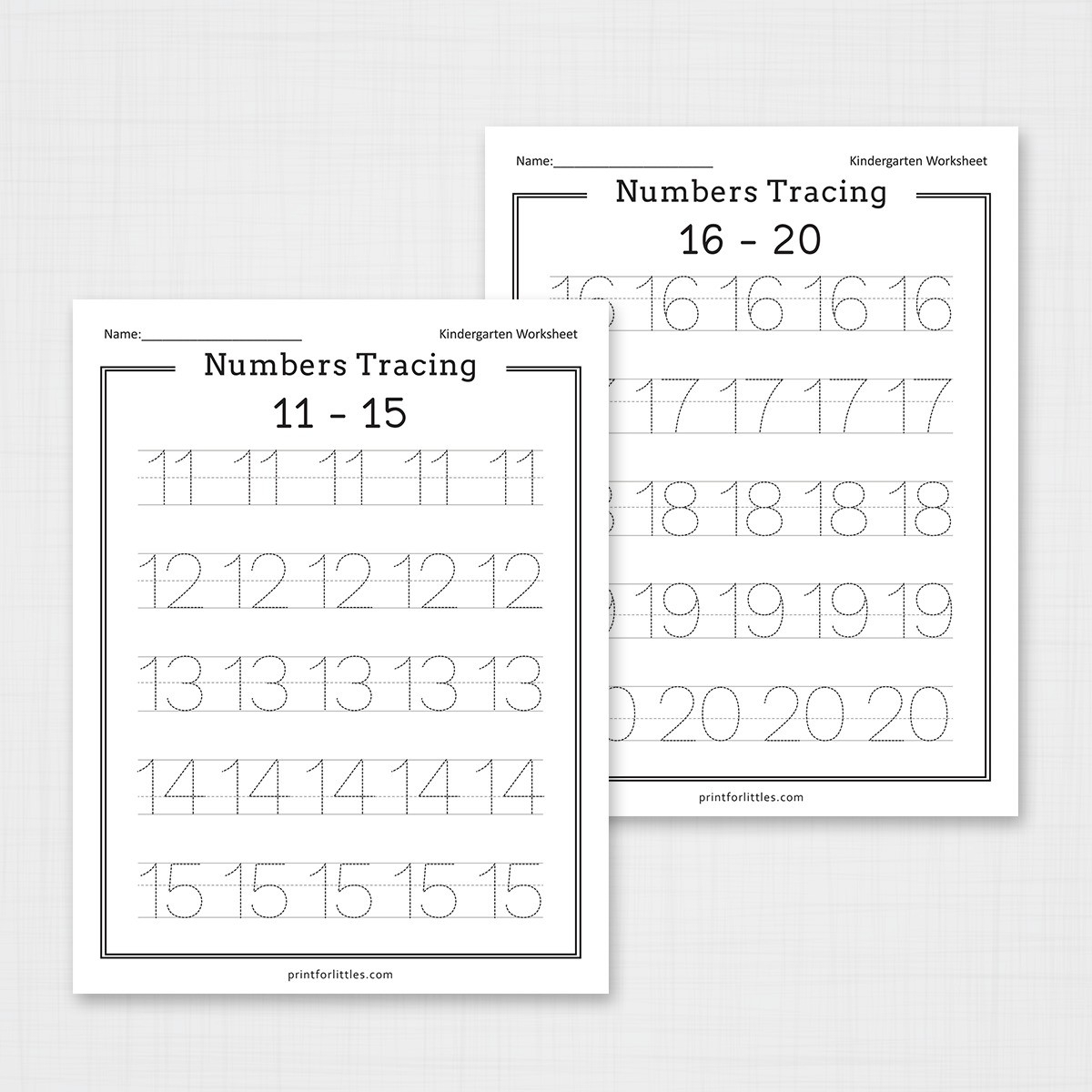
Many children recognize letters and numbers long before their fine motor skills can actually form them on paper. According to the National Association for the Education of Young Children (NAEYC), developmentally appropriate practice requires aligning early writing tasks with a child’s physical readiness rather than forcing rigid pencil mechanics too early. Bridging that cognitive gap takes deliberate, scaffolded practice with resources like the traceable numbers 11 to 20 free. Transitioning from single-digit numbers to the double-digit realm introduces new spatial challenges, requiring children to understand place value orientation alongside physical control. Every stroke matters when a young hand learns to coordinate the diagonal line of an eleven with the sweeping loops of a twelve or twenty. It sounds simple, and that’s the point: structured practice lays down the neural pathways necessary for fluent handwriting later in life.
💡 Technical Key Takeaways:
- Core Focus: Diagnostic schematic and terminal connection layout for Traceable Numbers 11 To 20 Free.
- Target Scope: Field technicians, automotive DIYers, and residential/commercial electricians.
- Safety Rule: Always disconnect the primary power source/battery terminal and verify zero voltage with a multimeter before touching wires.
What This Worksheet Covers
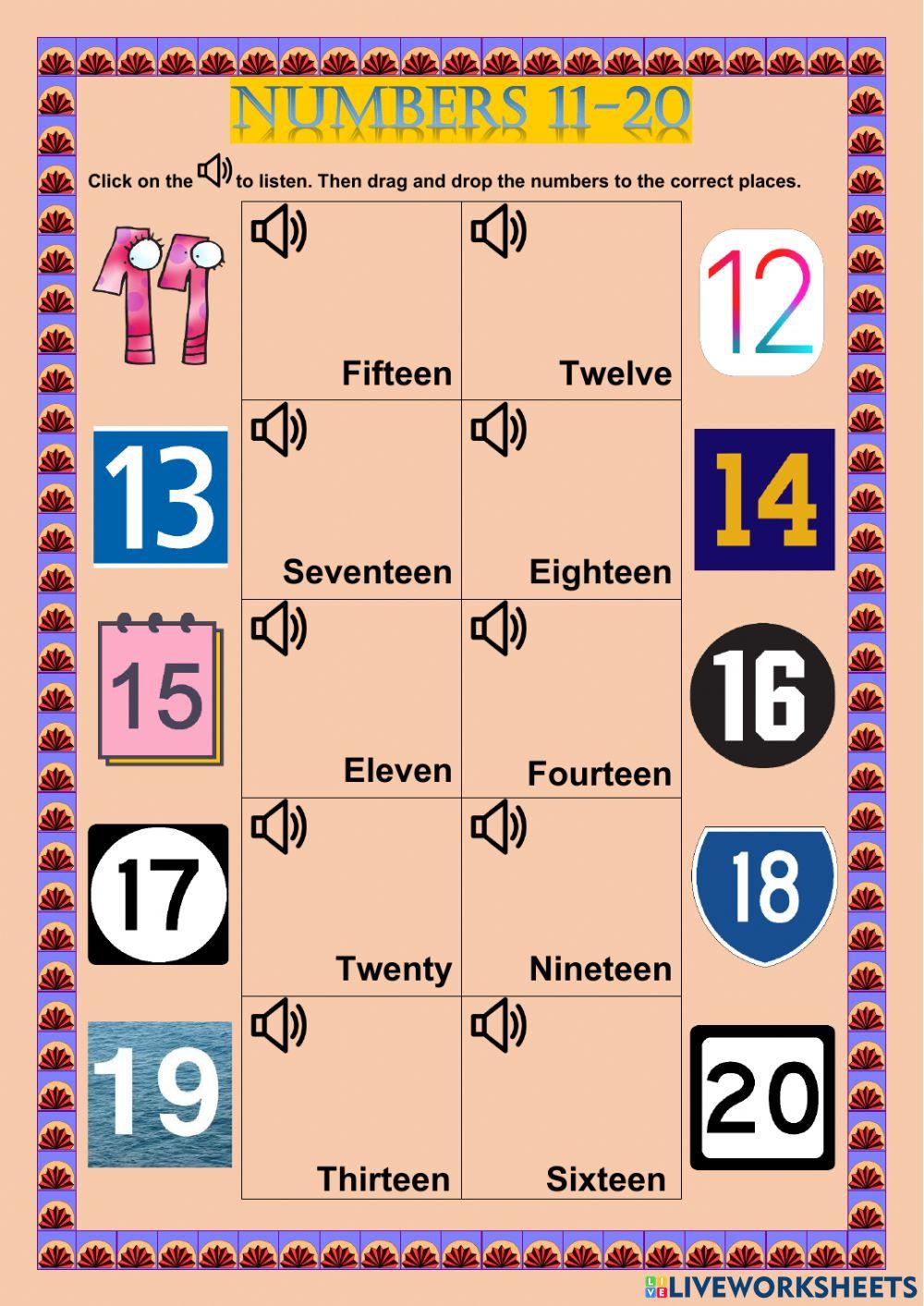
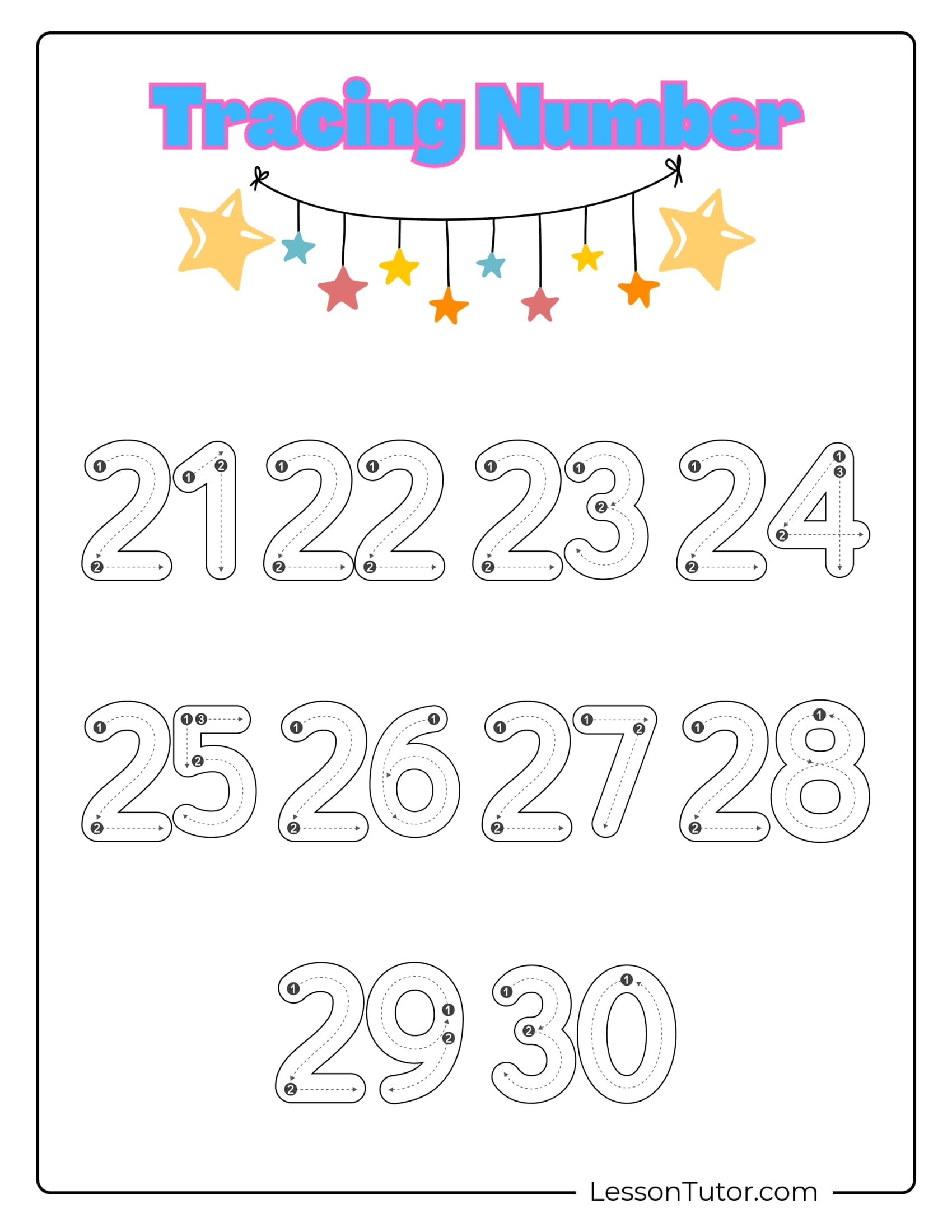
Guiding young learners through the transition from early counting to formal math recording involves mastering specific stroke sequences for two-digit numbers. This resource specifically targets numerals eleven through twenty, ensuring that children gain confidence in writing compound numbers without reversing digits. Each section features distinct starting points and directional arrows that teach children where to place the pencil and how to move it smoothly across the page. Hand strength, spatial awareness, and visual-motor integration develop simultaneously as learners trace these numbers repeatedly. Occupational therapy sessions often reveal that numbers like twelve and fifteen present unique hurdles because they combine straight vertical lines with complex curves. Consistent exposure to guided formations helps correct bad habits before they become deeply ingrained muscle memory, ensuring children approach elementary mathematics with physical ease.
Key Learning Outcomes
Working systematically through these pages yields several critical developmental milestones for early learners. Children master proper numeral formation and stroke order, which prevents hand fatigue and boosts writing speed over time. Spatial awareness improves significantly as learners practice keeping two-digit numbers properly proportioned within writing lines, ensuring the tens place and ones place sit harmoniously side by side. Hand-eye coordination strengthens as small muscles in the fingers and thumb learn to control pencil pressure and direction. Furthermore, numerical fluency deepens because tactile tracing reinforces visual recognition of quantities from eleven to twenty. These combined benefits support broader academic success, aligning closely with foundational competencies found across various Tracing Number activities.
How to Use This Worksheet
Successful integration of these materials into a daily routine depends on creating a calm, supportive environment where children feel encouraged to experiment without frustration. Setting up a comfortable workspace with proper chair height and a flat surface establishes good posture, which directly influences fine motor control. Adults should demonstrate the correct pencil grasp—typically a dynamic tripod or quadripod grip—before letting the child attempt the strokes independently. Tracing can begin with a finger or a cotton swab dipped in paint to build muscle memory before moving to standard writing utensils like short pencils or chunky crayons. Short, frequent sessions lasting just five to ten minutes yield much better results than long, exhausting practice blocks that cause hand cramping and frustration.
Practical Tips for Parents and Teachers
Scaffolding instruction effectively means meeting the child at the current developmental level and gradually removing support as confidence grows. Adults can model the formation of each numeral in the air or on a textured surface like a salt tray before transitioning to the paper worksheet. When a child struggles with reversing digits like seventeen or eighteen, physical guidance at the elbow helps the hand experience the correct rhythm and flow of the stroke. Providing positive reinforcement for effort rather than just perfection keeps motivation high during challenging moments. For children who need extra tactile input, slipping the printed sheet into a heavy-duty plastic sleeve and using dry-erase markers allows for low-stakes practice that invites easy erasure and repeated attempts.
Age-Appropriate Recommendations
Navigating early numeracy and writing skills requires careful attention to developmental stages. According to the Centers for Disease Control and Prevention (CDC) developmental milestones, children typically begin recognizing and attempting to copy simple shapes and numbers between ages four and five. For younger children around ages three to four, instruction focuses heavily on gross motor pre-writing strokes and large-scale tracing to build core strength in the shoulder and wrist. As children progress into kindergarten and early elementary school ages five to eight, the focus shifts to fine motor precision, pencil pressure modulation, and correct letter and number sizing within writing lines, matching the expectations outlined in the Handwriting Without Tears curriculum. Educators often pair these numeral sheets with exercises from Fine Motor and Pre-Writing Skills to ensure the hand muscles are fully prepared for academic demands.
Developmental readiness for structured pencil tasks typically emerges around age four, when children gain the hand strength required for controlled grip and stroke formation. — Centers for Disease Control and Prevention (CDC)
Frequently Asked Questions
Explore More Free Printable Tracing Worksheets
Expanding a child’s writing toolkit involves exploring diverse stroke patterns, letters, and themes that maintain high engagement levels throughout the school year. Educators and caregivers can find a comprehensive library of resources covering everything from alphabet formation to seasonal handwriting pages by visiting KidTraces.com. Diversifying practice materials prevents burnout and ensures that learners stay motivated as they master new academic challenges. Additional targeted resources are available across specialized categories such as Alphabet And Numbers Tracing and Shape and Line Tracing to support every stage of early childhood development.
Quick Wiring Specifications & Terminal Guide
| Component / Circuit | Standard Wire Gauge | Recommended Protection |
|---|---|---|
| Control & Trigger Signals | 18 – 20 AWG | 5A – 7.5A Inline Fuse |
| Standard Auxiliary Load | 14 – 16 AWG | 15A – 20A Circuit Breaker |
| Main Power Feed / Supply | 10 – 12 AWG | 30A – 40A Heavy-Duty Relay |
Images References