Introduction
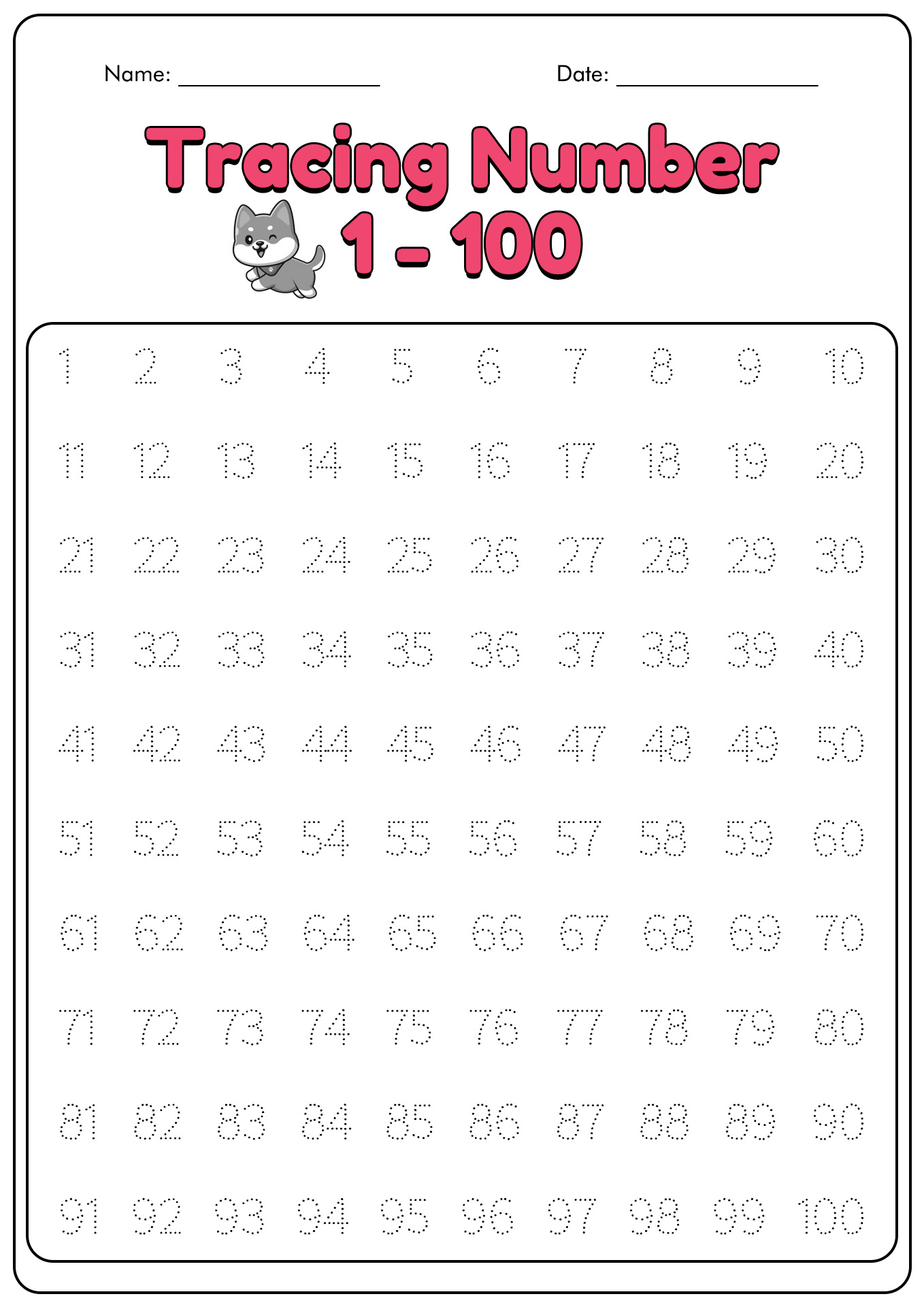
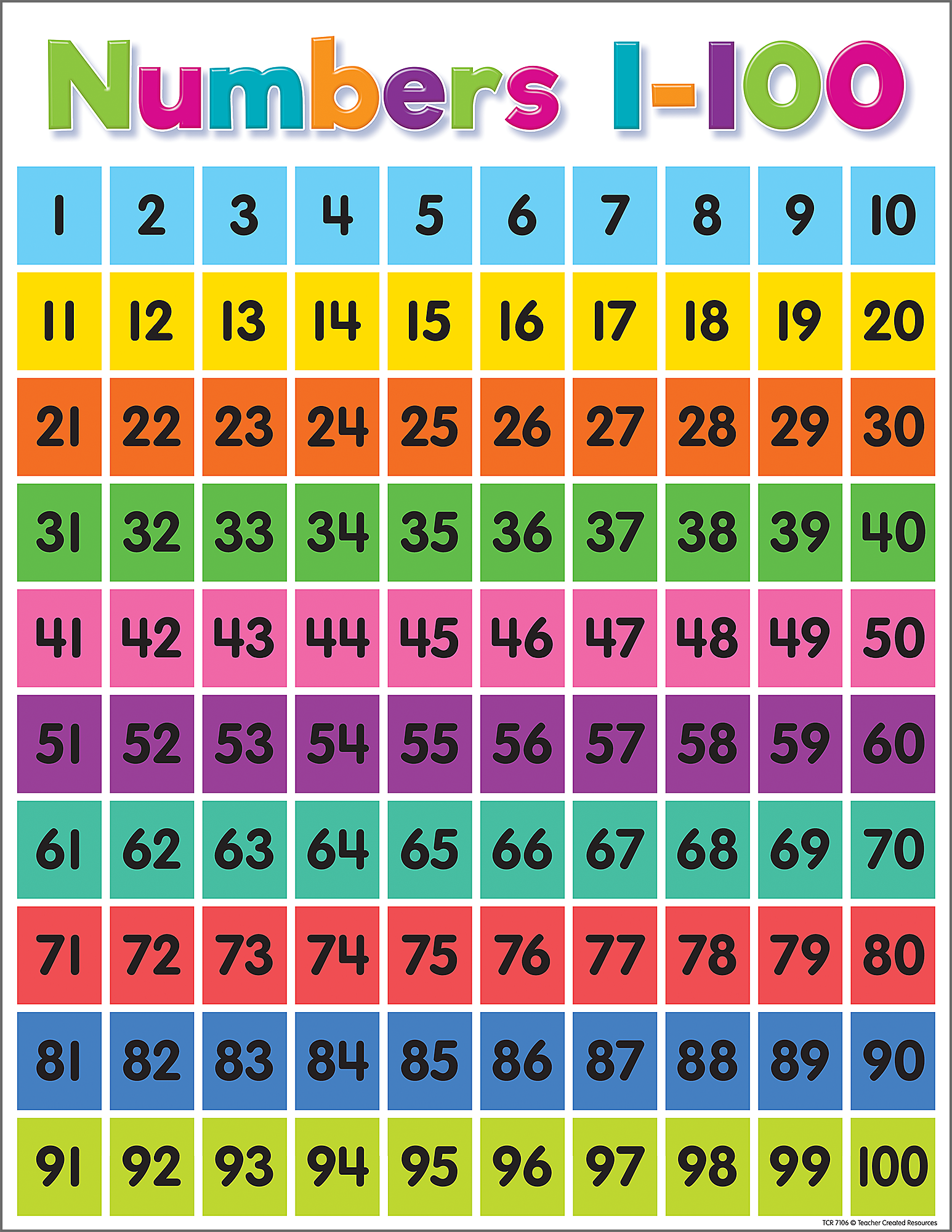
Many children recognize numerals and letters long before their fine motor skills can actually form them on paper. This common gap between visual understanding and physical execution often leads to frustration during early writing instruction. According to the American Occupational Therapy Association, foundational fine motor control and visual-motor integration are essential prerequisites for successful academic performance and functional handwriting. Bridging that developmental gap requires structured, low-stress practice that honors physical maturity. To support this journey, educators and caregivers frequently turn to the free printable read more about track a number 1 to 100 resource, which transforms abstract counting into concrete pencil control. Purposeful tracing sheets provide the scaffolding necessary for little hands to gain strength, build spatial awareness, and master correct directional habits without overwhelming cognitive loads.
💡 Technical Key Takeaways:
- Core Focus: Diagnostic schematic and terminal connection layout for Read More About Track A Number 1 To 100.
- Target Scope: Field technicians, automotive DIYers, and residential/commercial electricians.
- Safety Rule: Always disconnect the primary power source/battery terminal and verify zero voltage with a multimeter before touching wires.
What This Worksheet Covers
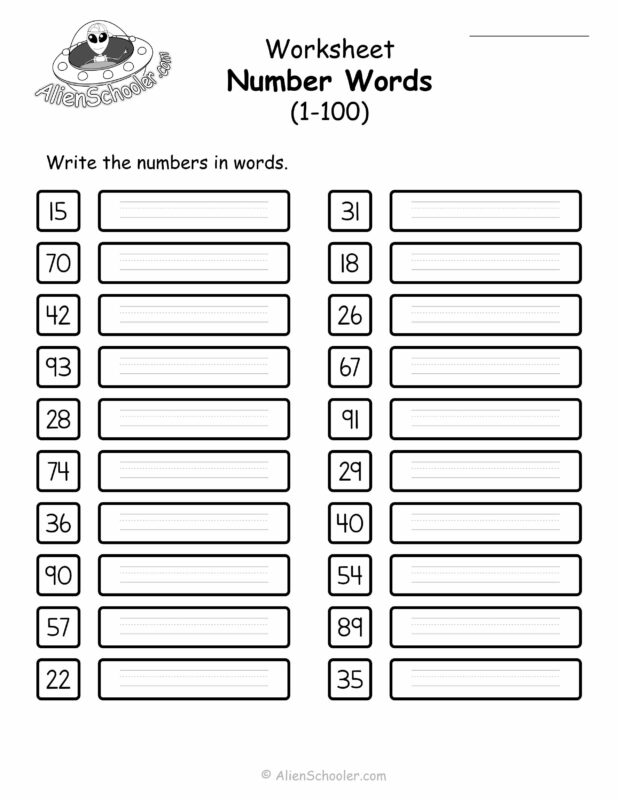
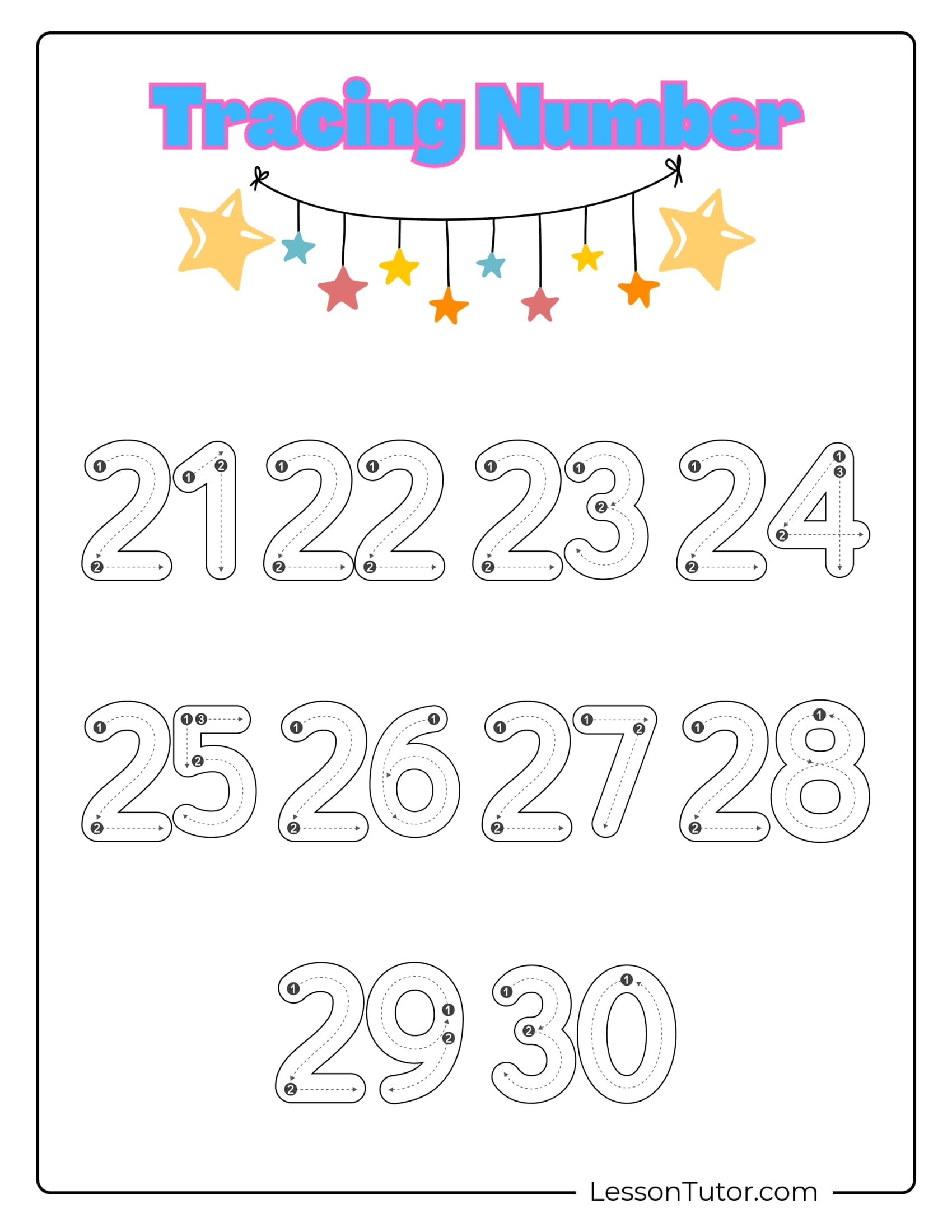
Mastering numerals requires more than simply memorizing the sequence from one to one hundred. Young learners must understand exact stroke orders, directional flow, and proportional spacing within a given visual boundary. This comprehensive worksheet guides children sequentially through all hundred digits, offering repeated exposure to foundational loops, straight lines, curves, and diagonal slashes. Each number is presented with clear visual cues that teach correct starting points, ensuring that habits like writing numerals from bottom to top are intercepted early. Furthermore, tracing large sequences builds the necessary endurance in the intrinsic muscles of the hand. It sounds simple, and that’s the point: repetitive, structured practice allows the brain to automate the motor plan for each digit, freeing up working memory for higher-level math concepts later on. Through continuous engagement with these numerical pathways, children transition from hesitant, disjointed marks to fluid, confident writing strokes. For more related activities, check out our Tracing Word Numbers.
Key Learning Outcomes
Engaging with structured numerical tracking fosters several critical developmental milestones simultaneously. Children refine their pencil grip, shifting from a fist grasp to a mature functional tripod grip as they navigate smaller curves and loops. Visual-motor integration improves significantly as the eyes guide the hand to stay within narrow dotted boundaries across an extended page layout. Additionally, numeral formation consistency increases, meaning the child learns to close loops properly and maintain uniform sizing from left to right. Sequential logic also strengthens naturally because writing numbers up to one hundred reinforces magnitude, place value awareness, and counting order in a tactile, multisensory format.
How to Use This Worksheet
Introducing a comprehensive one-to-one-hundred tracking sheet requires breaking the document down into manageable chunks rather than demanding immediate completion of all rows. Starting with small sections, such as numbers one through ten during a single sitting, prevents hand fatigue and preserves enthusiasm. Adults should observe closely to ensure the child starts every stroke at the designated visual cue, usually marked by a clear dot or arrow. According to Reading Rockets, explicit instruction in letter and numeral formation is most effective when paired with verbal cues that describe the physical motion, such as “pull straight down” or “around and back.” Laminating the pages or placing them inside heavy-duty plastic sleeves allows children to practice repeatedly with dry-erase markers, which reduces paper anxiety and encourages risk-taking during handwriting practice.
Practical Tips for Parents and Teachers
Adults play a vital role in scaffolding the writing experience by monitoring posture, paper tilt, and hand positioning. If a child’s hand begins to cramp or the shoulder rises toward the ear, it is time for a quick movement break to shake out the tension before continuing. Modeling correct grip technique directly on a separate sheet nearby provides a clear visual example without resorting to nagging or hand-over-hand force. For children who struggle with staying on the tracking lines, placing a colorful masking tape guide or using a slanted writing board can dramatically improve wrist extension and pencil control. Celebrate small victories along the way, recognizing that building hand strength and fine motor stamina is a gradual physiological process that cannot be rushed.
Age-Appropriate Recommendations
Developmental readiness dictates how children interact with numerical tracking sheets across early childhood. For younger preschoolers aged two to four, the focus aligns closely with the National Association for the Education of Young Children Developmentally Appropriate Practice guidelines, emphasizing gross pre-writing strokes, finger play, and large-scale tracing before tackling small grids. As children progress into kindergarten and early elementary school, spanning ages five to eight, they align with formal handwriting frameworks such as Handwriting Without Tears, where precise sizing, baseline adherence, and automated numeral formation become central instructional goals. By matching expectations to the biological maturation of the child’s hand, adults ensure a positive and sustainable approach to foundational literacy and numeracy skills.
Foundational fine motor control and visual-motor integration are essential prerequisites for successful academic performance and functional handwriting. — American Occupational Therapy Association
Frequently Asked Questions
Navigating early childhood writing tools often brings up practical questions regarding execution, printing, and developmental goals. Clear answers help caregivers make the most of free printables at home and in the classroom.
Explore More Free Printable Tracing Worksheets
Expanding a child’s fine motor toolkit goes beyond just numbers and math sequences. To support comprehensive early childhood development, explore related practice areas such as Alphabet And Numbers Tracing for foundational literacy alignment, Fine Motor and Pre-Writing Skills to build essential hand strength, and Tracing Number for targeted mathematical formation. For additional foundational practice, review Dotted Letters For Tracing and Shape and Line Tracing to boost pencil control. Discover even more resources to support growing learners by browsing the full library at KidTraces.com.
Quick Wiring Specifications & Terminal Guide
| Component / Circuit | Standard Wire Gauge | Recommended Protection |
|---|---|---|
| Control & Trigger Signals | 18 – 20 AWG | 5A – 7.5A Inline Fuse |
| Standard Auxiliary Load | 14 – 16 AWG | 15A – 20A Circuit Breaker |
| Main Power Feed / Supply | 10 – 12 AWG | 30A – 40A Heavy-Duty Relay |
Images References