Introduction
Many children recognize letters and numbers long before their fine motor skills can actually form them on paper. According to Reading Rockets, early writing development relies heavily on the integration of visual perception, fine motor control, and language skills. Bridging that gap requires thoughtful tools that connect numerical symbols with their written word forms. Free printable tracing word numbers offer a purposeful bridge for developing writers. Young learners often look at a numeral like a picture rather than a linguistic symbol. Connecting the digit to the spelled-out word reinforces early literacy simultaneously with pencil control. It sounds simple, and that’s the point. Removing unnecessary visual clutter lets the brain focus entirely on the physical path of the writing utensil.
💡 Educational Key Takeaways:
- Core Skill: Structured Tracing Word Numbers focused on developing pencil grip, stroke control, and early literacy/math confidence.
- Target Scope: Suited for homeschoolers, preschool, kindergarten, and elementary learners.
- Best Recommendation: Practice 10–15 minutes daily with ergonomic writing tools to reinforce muscle memory without hand fatigue.
What This Worksheet Covers
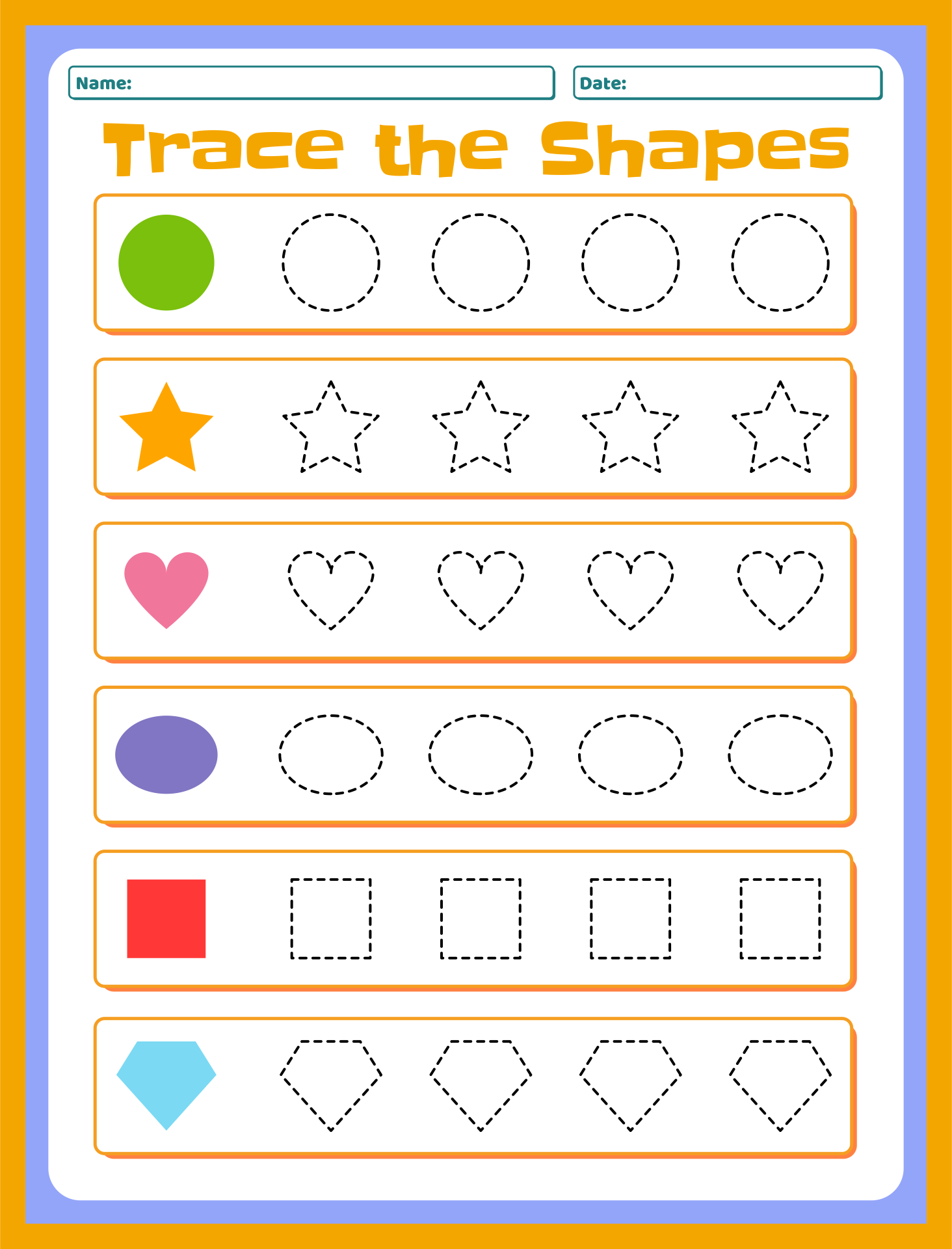
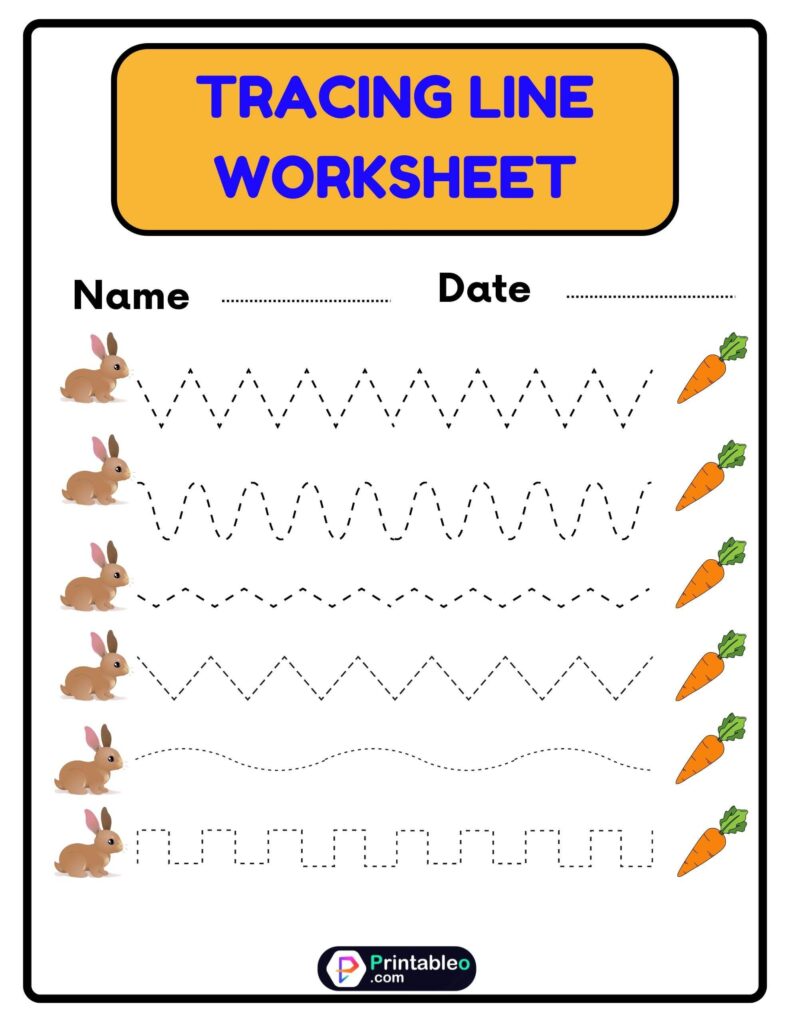
This specific tracing resource targets the intersection of mathematical literacy and early spelling acquisition. Children encounter both the numeric digit and the corresponding number word arranged sequentially on the page. Guided starting dots and directional arrows demystify the stroke order for complex letters found in words like “eight” or “seven.” Furthermore, the layout encourages proper spacing and letter sequencing, which are foundational components of legibility. As children drag pencils across the page, they practice fluid horizontal movements that prepare the hand for standard left-to-right writing across a blank sheet. Additional support for foundational mechanics can be found by exploring Tracing Number pages, while broader hand-eye coordination exercises are available through Shape and Line Tracing practice.
Key Learning Outcomes
Working through these sheets builds multi-sensory familiarity with both numerals and sight words. Learners internalize letter formation rules and directional consistency through repeated guided traces. Hand strength improves naturally as fingers sustain a functional grip over the course of writing multi-letter words. Recognizing the spelling of number words alongside digits strengthens early orthographic mapping and spelling retention. Finally, spatial awareness expands as children learn to manage the boundaries of writing lines, keeping letters proportional and aligned.
How to Use This Worksheet
Begin by introducing the numeric digit at the start of the line to establish mathematical context before diving into spelling. Watch how the child approaches the starting point, guiding the hand gently if hesitation occurs around tricky letters like lowercase ‘g’ or ‘s’. Encourage verbalization of the number word as the pencil moves across the page, reinforcing auditory and visual processing loops. Consistency matters far more than volume, so short, daily sessions yield better muscle memory than exhausting marathon sittings. When mastery of these words takes root, expand the challenge using resources from Word and Name Tracing to transition from numbers to personal vocabulary.
Practical Tips for Parents and Teachers
Pencil grip dictates writing endurance, so check for a functional tripod or quadrupod grasp before tracing begins. Scaffolding works best when adults model the exact stroke sequence on a separate whiteboard before the child attempts the worksheet. Slide the printable inside a heavy-duty plastic sleeve and use a dry-erase marker for low-pressure practice that encourages joyful repetition. Light resistance activities, such as squeezing clay or playing on monkey bars, can prime hand muscles immediately before a tracing session. According to the American Occupational Therapy Association, foundational upper-body stability and core strength are necessary precursors to efficient fine motor output at the desk.
Age-Appropriate Recommendations
For children ages two to four, the focus remains primarily on large pre-writing strokes and gross motor engagement, aligning with early childhood guidelines from the National Association for the Education of Young Children. At this stage, adults should accept non-traditional grips and focus on making tracing a playful, sensory-rich experience. For ages five to eight, the expectations shift toward formal handwriting instruction in alignment with Common Core ELA standards (such as K.CC.A.3 and 1.NBT.A.1), where children write numbers from zero to twenty and spell out small numbers legibly. During these early elementary years, correct letter formation, baseline adherence, and spacing take center stage to ensure long-term writing fluency and speed.
According to the American Occupational Therapy Association, foundational upper-body stability and core strength are necessary precursors to efficient fine motor output at the desk. — AOTA
Frequently Asked Questions
Answers to common questions regarding downloading, printing, and implementing these educational pages safely at home or inside the classroom environment.
Reading Rockets notes that early writing development relies heavily on the integration of visual perception, fine motor control, and language skills. — Reading Rockets
Explore More Free Printable Tracing Worksheets
Supporting a developing writer requires a diverse toolkit of engaging exercises that grow alongside the child. Exploring the full library at KidTraces.com provides unlimited access to structured practice sheets designed by educators and specialists. Additional resources range from foundational Alphabet And Numbers Tracing sets to creative Seasonal and Fun Themes that keep motivation high throughout the entire school year.
Developmental Milestone & Activity Table
| Development Stage | Recommended Daily Duration | Primary Learning Objective |
|---|---|---|
| Preschool & Pre-K | 10 – 15 Minutes | Pencil grip development & basic pre-stroke lines |
| Kindergarten | 15 – 20 Minutes | Letter/number formation & spatial line awareness |
| Early Elementary (Grade 1–2) | 20 – 30 Minutes | Fluency, sentence construction & neatness |
Images References