Introduction
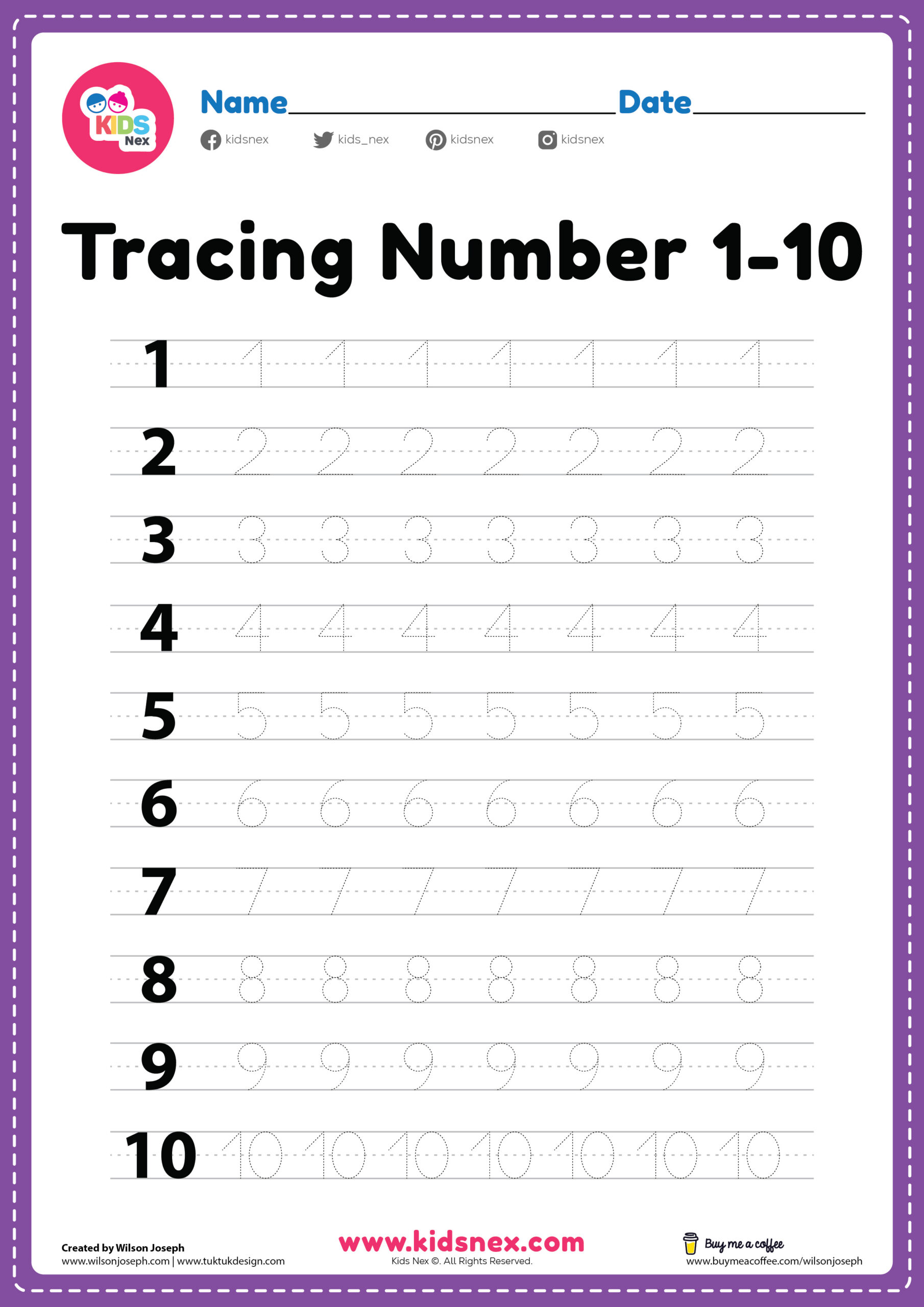
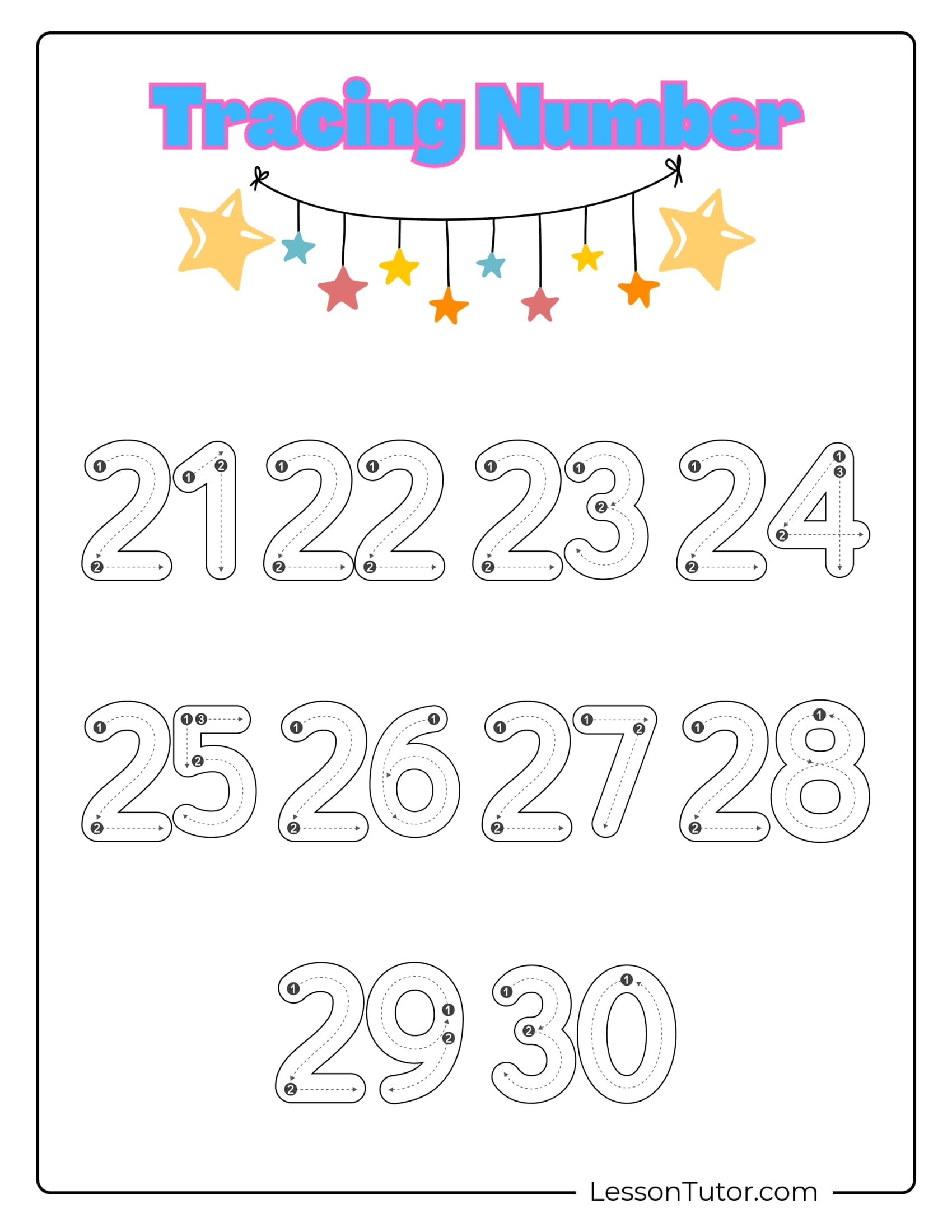
Watch any group of preschoolers and a fascinating developmental truth emerges quickly: children can readily point to digits and name them long before tiny hands possess the physical endurance to form those exact figures on paper. According to the American Occupational Therapy Association, foundational fine motor control and bilateral coordination must develop systematically before children can master the complex demands of pencil-based tasks. Many adults mistakenly assume that holding a writing utensil is simply a matter of instruction, but pencil control relies heavily on intrinsic hand muscle strength, visual-motor integration, and postural stability. This developmental gap often causes frustration when young learners are handed blank paper too early. The free printable tracing number worksheet bridges this gap by offering structured, guided practice that transforms abstract mathematical concepts into tactile, manageable movements. Through purposeful repetition, learners begin internalizing numeral formation, stroke order, and spatial awareness naturally. Exploring options within Tracing Number provides a supportive pathway for children transitioning from basic pre-writing strokes to confident, independent handwriting.
💡 Educational Key Takeaways:
- Core Skill: Structured Tracing Number focused on developing pencil grip, stroke control, and early literacy/math confidence.
- Target Scope: Suited for homeschoolers, preschool, kindergarten, and elementary learners.
- Best Recommendation: Practice 10–15 minutes daily with ergonomic writing tools to reinforce muscle memory without hand fatigue.
What This Worksheet Covers
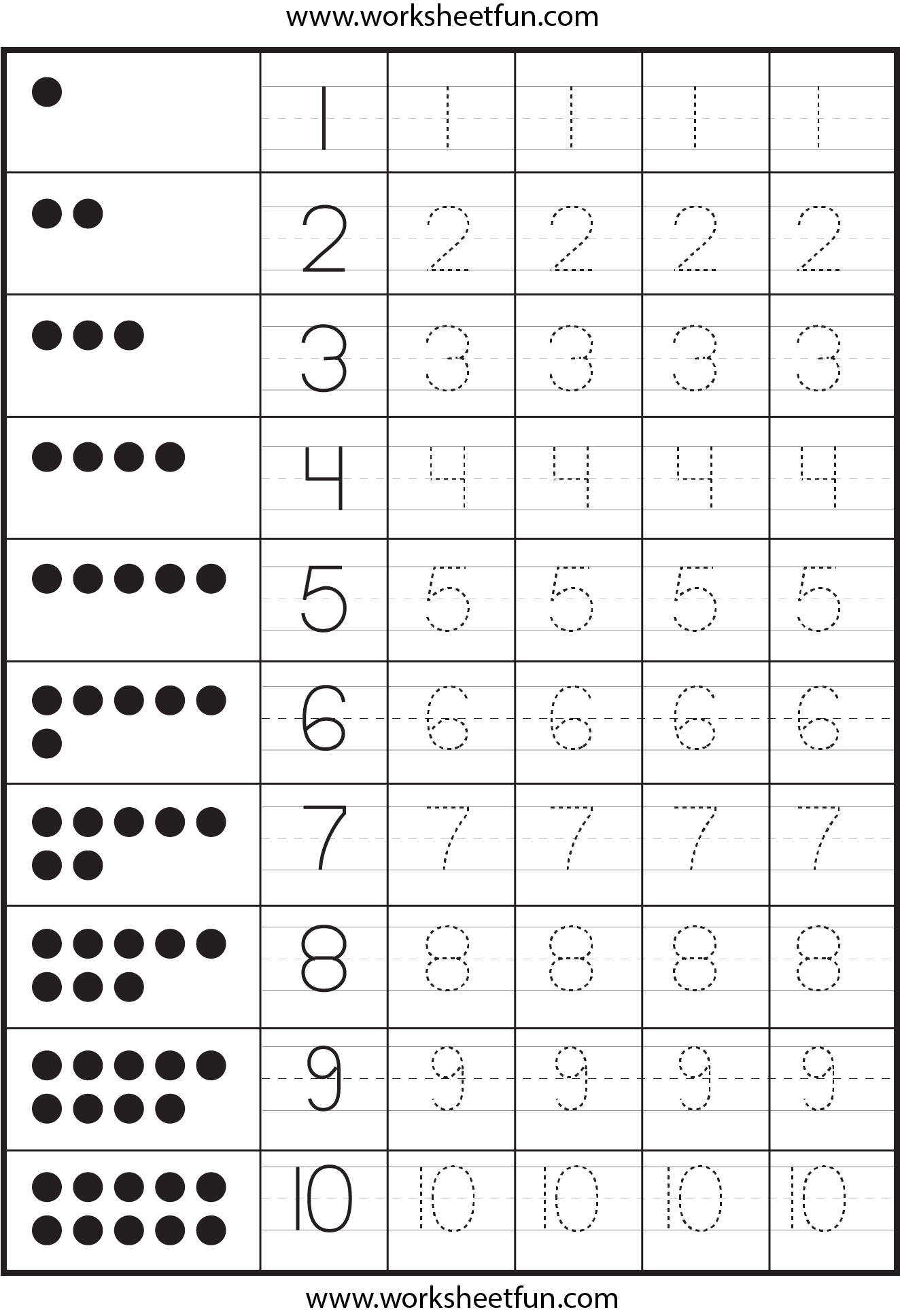
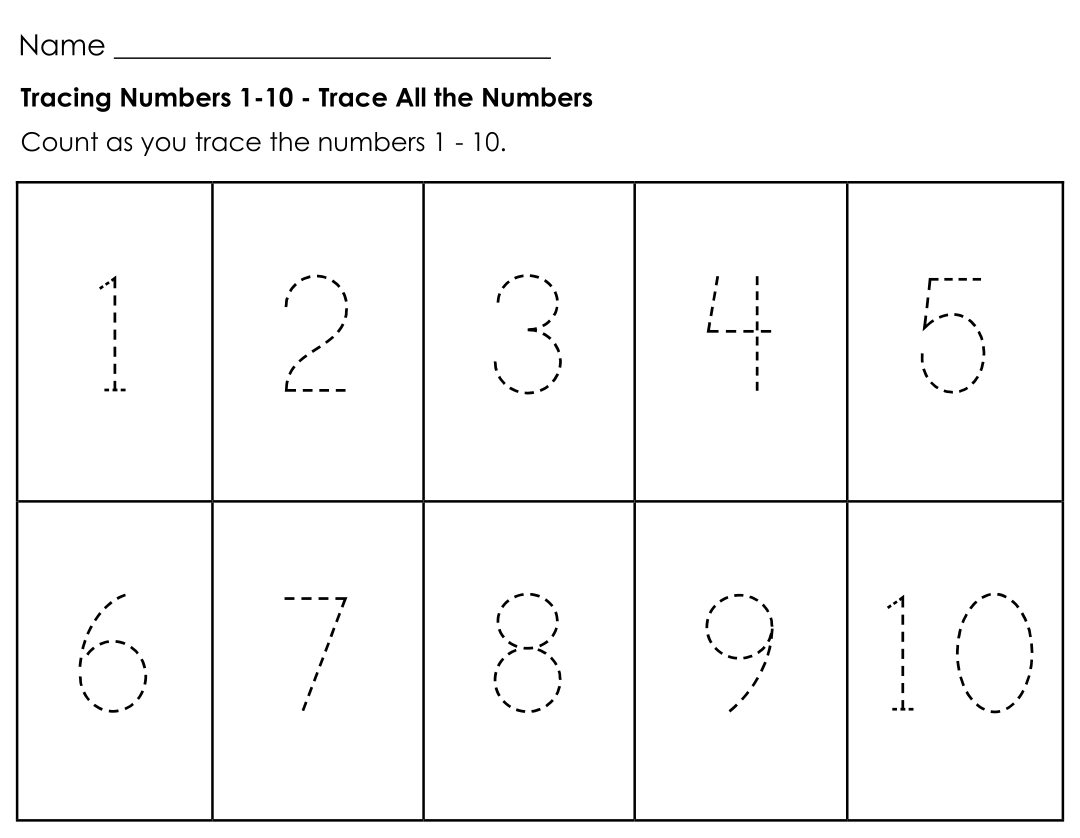
Mastering numerical symbols requires more than mindless repetition; it demands an understanding of specific directional pathways, starting points, and proportional sizing. This resource focuses heavily on numeral and digit formation, emphasizing correct stroke order from the very first mark. Every digit carries its own unique motor plan, requiring specific combinations of vertical lines, horizontal strokes, and smooth curves that challenge developing hands in distinct ways. Furthermore, according to the National Association for the Education of Young Children, active engagement with developmentally appropriate print materials helps young learners connect visual symbols with tactile execution. The design features clear starting dots, directional arrows, and properly spaced grids that encourage visual tracking and steady pacing. By breaking down each digit into sequential steps, learners avoid forming entrenched bad habits such as starting numbers from the bottom or drawing strokes in reverse. Children also build essential hand-eye coordination as visual inputs guide the physical hand movements across the page, reinforcing both cognitive and motor pathways simultaneously. Transitioning to broader printing practice becomes significantly smoother when foundational digit formation is established correctly during these early years.
Key Learning Outcomes
Engaging consistently with these guided tracing pages fosters precise pencil control, enabling little hands to navigate curves, angles, and straight lines with increasing confidence and fluidity. Learners develop a deeper comprehension of correct stroke sequence, ensuring that each digit is constructed fluidly from top to bottom and left to right rather than through haphazard scratching motions. Spatial awareness improves remarkably as children learn to anchor their digits within distinct boundaries, paying close attention to baseline alignment and proportional height. Muscle memory solidifies during these repeated tracing exercises, gradually shifting the mental effort of formation into automatic, subconscious execution. Finally, children strengthen their visual-motor integration, allowing the brain and hand to communicate rapidly and accurately when translating visual symbols onto physical paper.
How to Use This Worksheet
Successful implementation begins with setting up an ergonomic workspace where feet rest flat on the floor and the table sits comfortably at elbow height. It sounds simple, and that’s the point, because proper posture directly influences core stability and hand function during extended writing sessions. Adults should encourage a functional dynamic tripod or quadripod grasp, gently correcting thumb wraps or fist grips before bad habits settle into muscle memory. Introducing the page through multisensory exploration often yields the best results; children can trace the large starter digits with a finger, press small objects along the lines, or use thick crayons before touching standard pencils. Here’s what makes this worksheet different: it invites flexibility in pacing, allowing educators and parents to assign specific rows rather than demanding a rushed completion of the entire sheet. Positive reinforcement should focus on effort, proper starting points, and steady pencil pressure rather than pristine aesthetic perfection.
Practical Tips for Parents and Teachers
Scaffolding instruction effectively means starting with tactile demonstrations in the air or on a textured surface before moving to paper-based tracing. Modeling the correct stroke sequence aloud while writing helps auditory learners process the physical movements required for each unique digit. When struggling with a specific figure, adults can cover the rest of the page to minimize visual clutter and reduce overwhelming sensory input for the child. Extending the activity naturally involves inviting children to count physical objects like buttons or blocks and then trace the corresponding numeral to represent the quantity. Alternating writing utensils—shifting between colored pencils, markers, and traditional graphite—keeps engagement high while inadvertently building intrinsic hand strength through varying resistance levels.
Age-Appropriate Recommendations
For toddlers and younger preschoolers aged two to four, alignment with the Head Start Early Learning Outcomes Framework emphasizes large motor movements, finger isolation, and simple pre-writing strokes rather than perfection in number formation. At this early stage, tracing oversized digits using thick markers or finger paints builds fundamental spatial awareness without causing hand fatigue. As children progress into kindergarten and early elementary grades spanning ages five through eight, expectations shift toward independent execution, consistent sizing, and adherence to standard handwriting guidelines. During these older years, incorporating targeted resources such as Dotted Letters For Tracing helps solidify foundational literacy skills alongside numerical fluency. Educators and caregivers should always observe individual readiness signs rather than relying strictly on chronological age when determining the appropriate level of challenge for each child.
Foundational fine motor control and bilateral coordination must develop systematically before children can master the complex demands of pencil-based tasks. — American Occupational Therapy Association
Frequently Asked Questions
Navigating early writing development often raises practical questions for educators, parents, and caregivers guiding young learners through their foundational skill-building journey. Addressing these common inquiries ensures that practice sessions remain engaging, stress-free, and developmentally sound for every child.
Explore More Free Printable Tracing Worksheets
Expanding a child’s early childhood portfolio requires a diverse selection of engaging, structured practice materials designed to support every developmental stage. Beyond numerical practice, exploring related collections such as Fine Motor and Pre-Writing Skills ensures that hand muscles receive the comprehensive conditioning necessary for lifelong writing stamina. Caregivers looking to diversify daily learning routines can also discover wonderful supplementary options within the broader library available at KidTraces.com, where every printable is thoughtfully designed to make early education both effective and deeply enjoyable.
Developmental Milestone & Activity Table
| Development Stage | Recommended Daily Duration | Primary Learning Objective |
|---|---|---|
| Preschool & Pre-K | 10 – 15 Minutes | Pencil grip development & basic pre-stroke lines |
| Kindergarten | 15 – 20 Minutes | Letter/number formation & spatial line awareness |
| Early Elementary (Grade 1–2) | 20 – 30 Minutes | Fluency, sentence construction & neatness |
Images References