Introduction
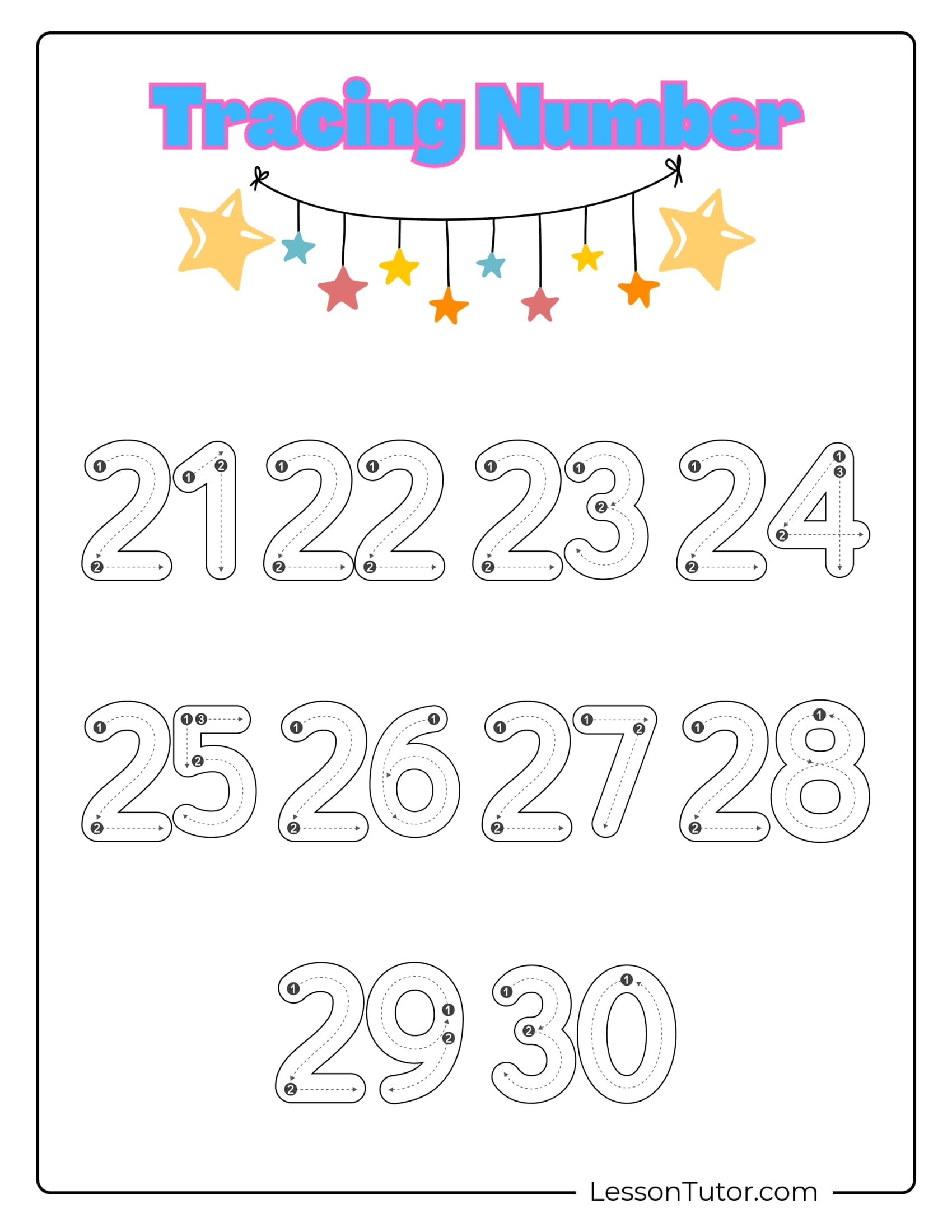
Young children frequently recognize numbers and letters long before their fine motor control allows them to form those symbols independently on paper. According to the American Occupational Therapy Association, foundational hand strength and bilateral coordination must develop steadily before children can master precise pencil control. Bridging this gap between cognitive awareness and physical capability requires engaging, supportive materials that make practice feel like play rather than a chore. Animal number traces for kids transform standard numeral repetition into an exciting safari of stroke practice and motor planning. Every curved line and straight edge becomes part of a friendly creature’s journey, helping learners build confidence while refining critical pre-writing mechanics. Here’s what makes this worksheet different: it marries visual engagement with structured biomechanical support, turning abstract digits into tangible, friendly shapes. Explore more in our Tracing Number collection.
💡 Technical Key Takeaways:
- Core Focus: Diagnostic schematic and terminal connection layout for Animal Number Traces For Kids.
- Target Scope: Field technicians, automotive DIYers, and residential/commercial electricians.
- Safety Rule: Always disconnect the primary power source/battery terminal and verify zero voltage with a multimeter before touching wires.
What This Worksheet Covers
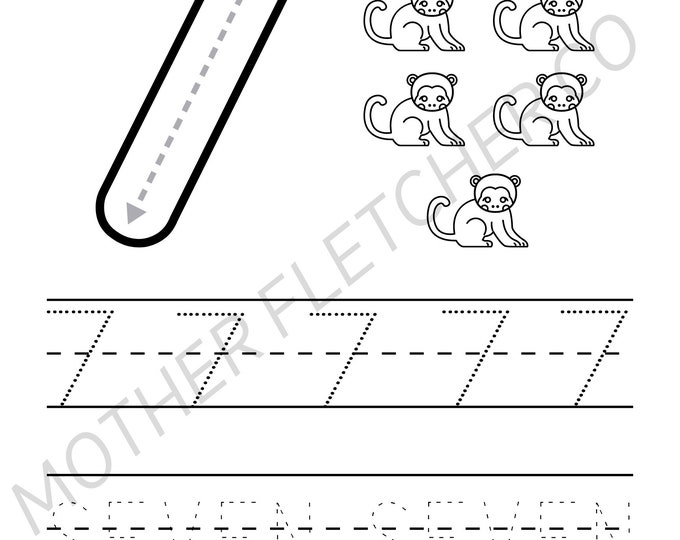
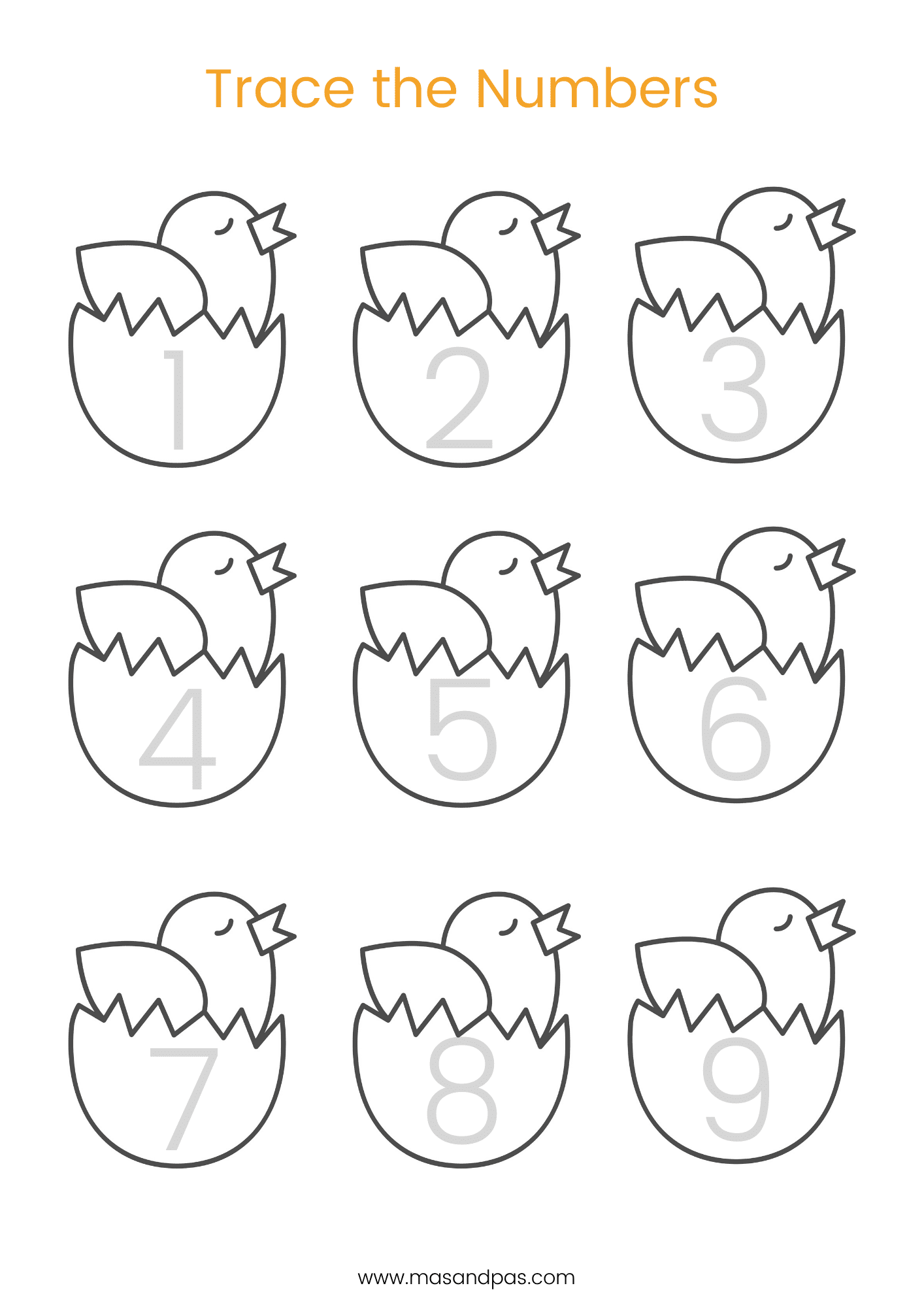
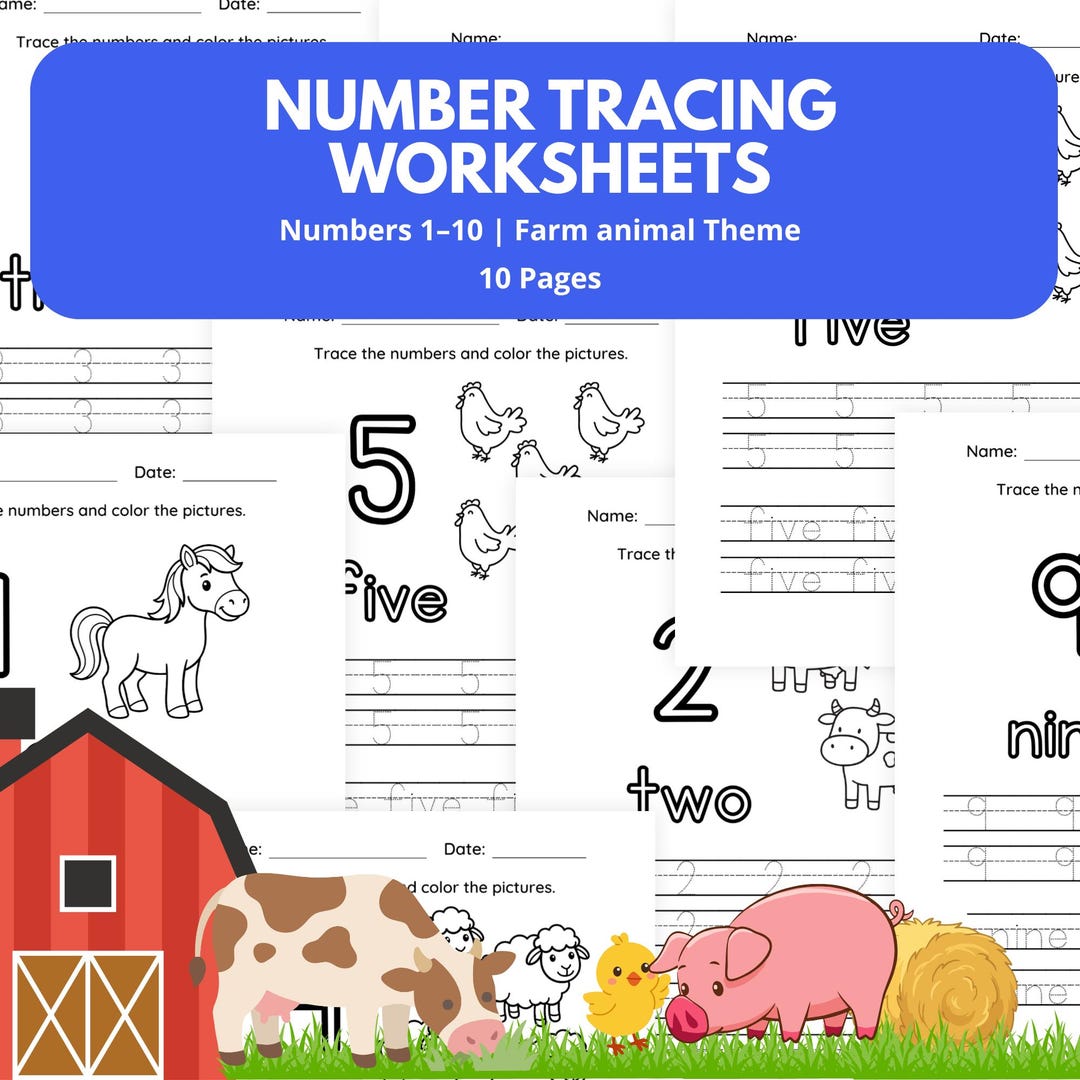
This specialized resource focuses on numeral formation, stroke order, and spatial awareness using delightful animal themes to sustain attention. Each page pairs a specific digit from zero through nine with a corresponding creature, providing visual cues that naturally guide the hand from starting points to completion. Children navigate dotted lines that outline both the animal illustrations and the target numbers, reinforcing the connection between visual imagery and tactile movement. It sounds simple, and that’s the point. By removing visual clutter and focusing exclusively on clear, directional paths, learners can concentrate entirely on pressure regulation and line control without becoming overwhelmed by excessive stimuli on the page.
Key Learning Outcomes
Engaging with these themed pages fosters proper numeral formation, ensuring children establish correct lifelong habits regarding where strokes begin and end. Hand-eye coordination improves naturally as young learners visually track the animal paths while simultaneously executing the physical motion with a writing utensil. Finger dexterity and intrinsic hand muscle strength develop through sustained, purposeful tracing that challenges the small muscles of the hand without causing fatigue. Furthermore, cognitive association is strengthened because children link the quantity of an animal with the numerical symbol representing it, creating a multi-sensory bridge between early math concepts and fine motor execution.
How to Use This Worksheet
Successful implementation begins with setting up an ergonomic workspace where feet rest flat on the floor and the writing surface sits at a comfortable elbow height. Educators and caregivers can introduce each page by counting the animals aloud, tracing the large starter number in the air with a finger, and then moving down to the paper with a crayon or pencil. Rotating through various writing instruments—such as short golf pencils, chunkier crayons, or scented markers—keeps motivation exceptionally high while quietly encouraging a functional three-finger grasp. Regular, short sessions yield far better results than marathon tracing blocks, protecting tender hand muscles from overuse while cementing positive associations with writing practice.
Practical Tips for Parents and Teachers
Adults should actively model correct pencil grip by placing the thumb, index, and middle fingers in the tripod position while demonstrating how to start numbers at the top. Scaffolding the activity helps hesitant learners succeed; an adult can gently guide a child’s hand through the first two formations before encouraging independent completion for the remainder of the row. Extending the exercise is simple when incorporating tactile elements like tracing over the printed lines with glue and glitter before using a pencil, or sliding the sheet inside a clear plastic sleeve for endless dry-erase practice. According to Reading Rockets, multi-sensory approaches significantly enhance a child’s ability to retain letter and number shapes, making tactile exploration a powerful addition to pencil-and-paper tasks.
Age-Appropriate Recommendations
For toddlers and preschoolers ages two through four, the focus centers on gross motor warm-ups, large animal shapes, and pre-writing strokes found within the Shape and Line Tracing collection, aligning with foundational developmental milestones. During this early stage, children benefit most from thick crayons and large-scale finger tracing over textured animal outlines to build body awareness. As children progress into kindergarten and early elementary grades ages five through eight, alignment with the Common Core ELA standard CCSS.ELA-LITERACY.L.K.1.A becomes vital as they print uppercase and lowercase letters and recognizable numbers independently. At this older stage, learners refine their pencil pressure, decrease letter sizing to fit standard primary lines, and transition smoothly toward mastering complex number sequences found within Alphabet And Numbers Tracing.
Foundational hand strength and bilateral coordination must develop steadily before children can master precise pencil control. — American Occupational Therapy Association
Frequently Asked Questions
Explore More Free Printable Tracing Worksheets
Supporting a young learner’s developmental journey involves exploring a wide variety of engaging motifs and skill-building exercises tailored to every stage of growth. Discover additional targeted resources across the complete library at KidTraces.com, including dedicated practice pages for Dotted Letters For Tracing and targeted skill-building sets focused on Fine Motor and Pre-Writing Skills. Every printable is thoughtfully designed to nurture confidence, encourage neat handwriting habits, and transform early academic milestones into joyful, rewarding experiences for children and their guides.
Quick Wiring Specifications & Terminal Guide
| Component / Circuit | Standard Wire Gauge | Recommended Protection |
|---|---|---|
| Control & Trigger Signals | 18 – 20 AWG | 5A – 7.5A Inline Fuse |
| Standard Auxiliary Load | 14 – 16 AWG | 15A – 20A Circuit Breaker |
| Main Power Feed / Supply | 10 – 12 AWG | 30A – 40A Heavy-Duty Relay |
Images References