Introduction
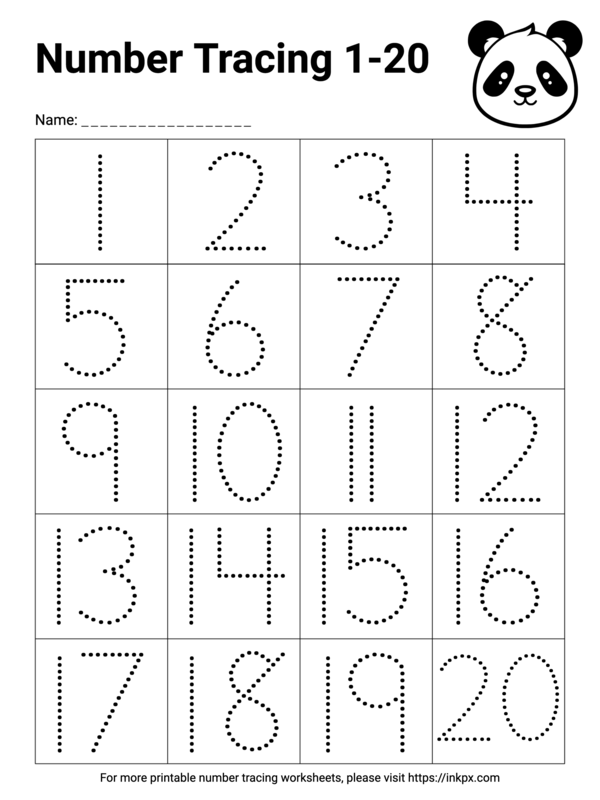
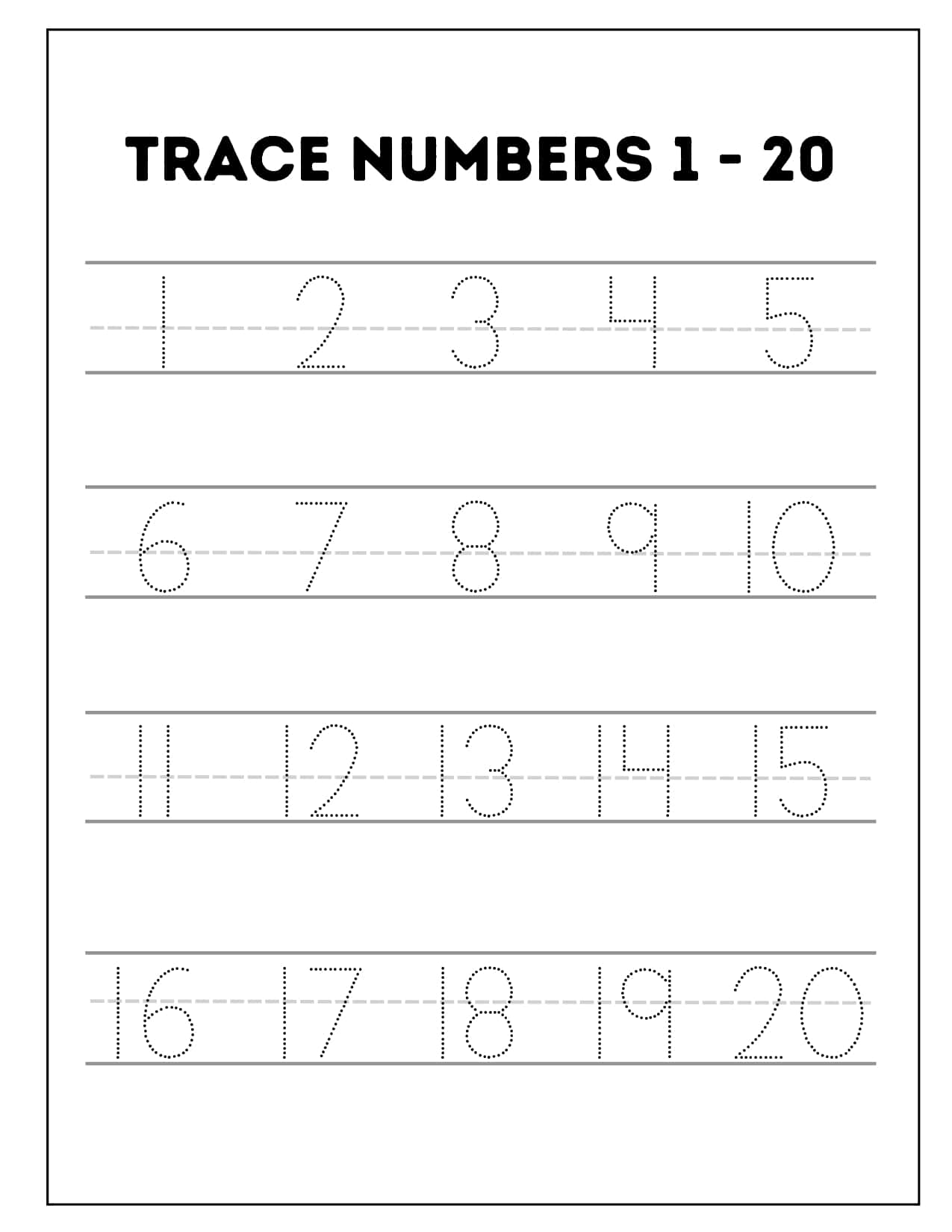
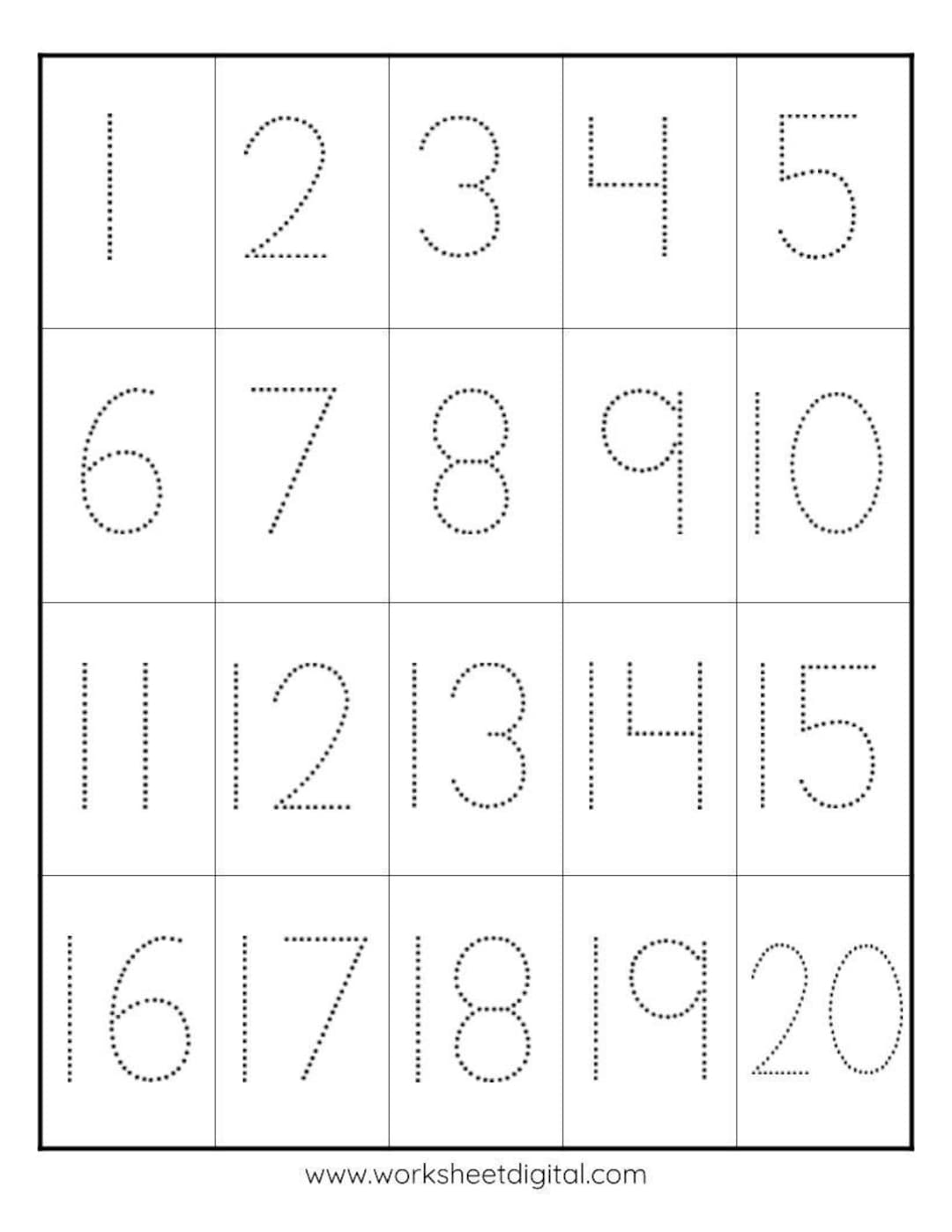
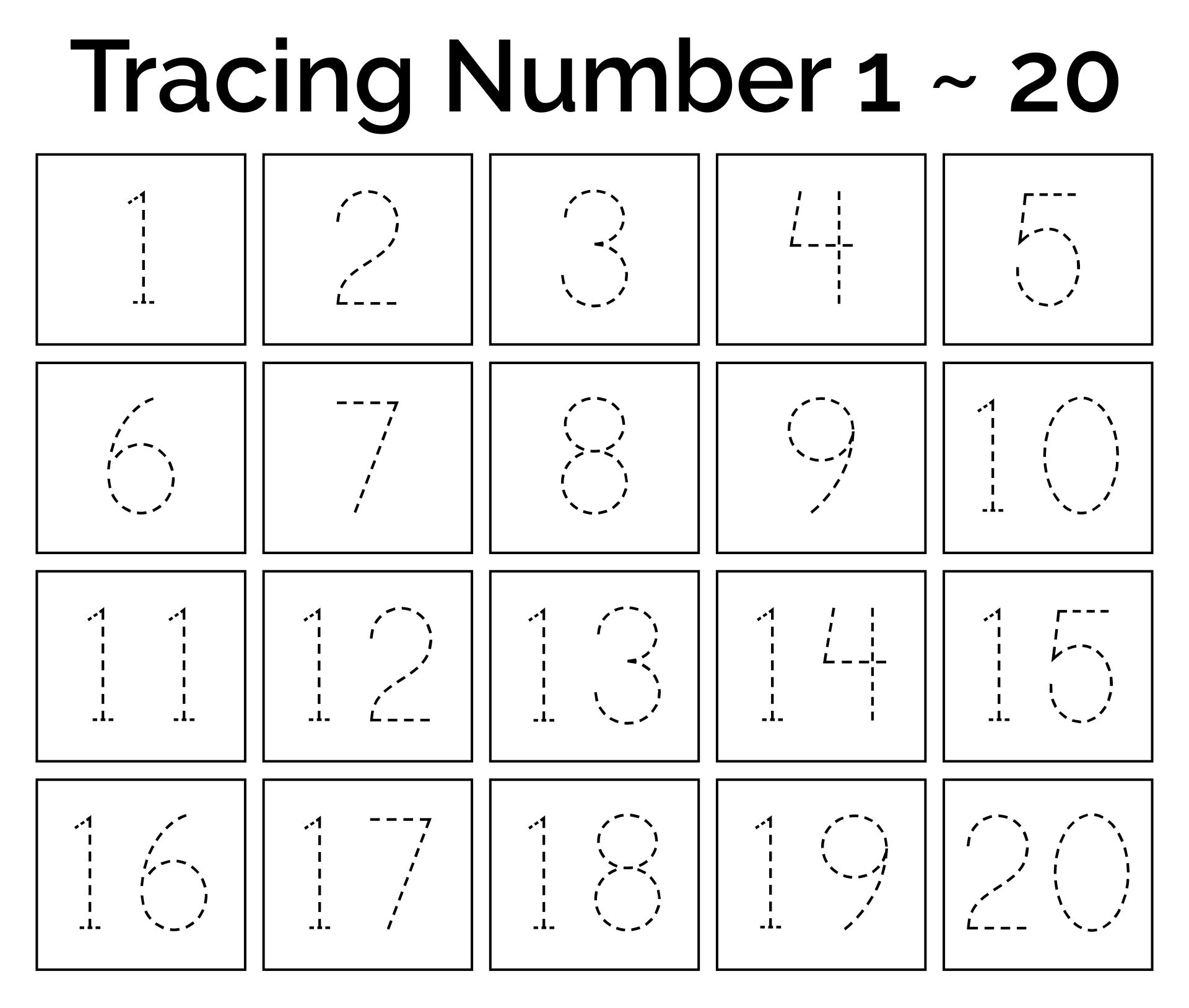
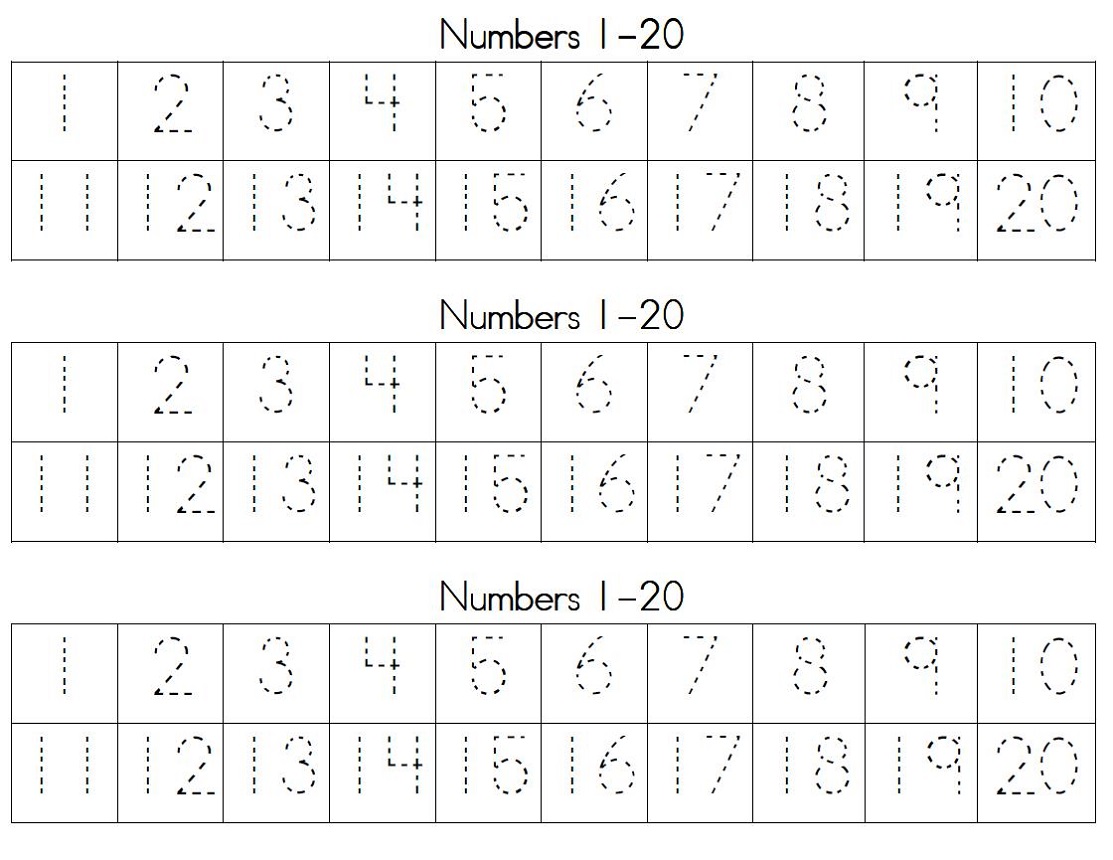
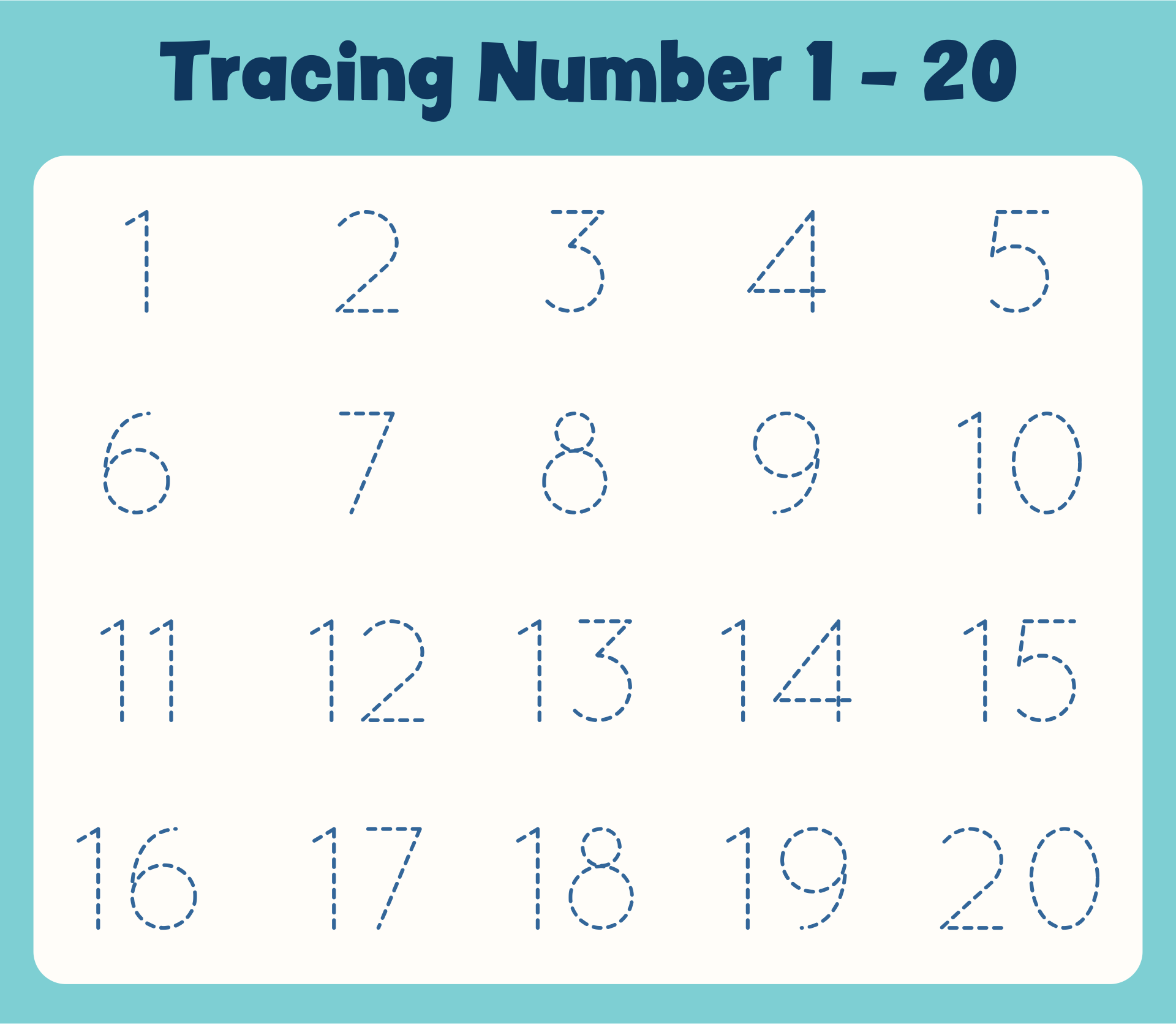
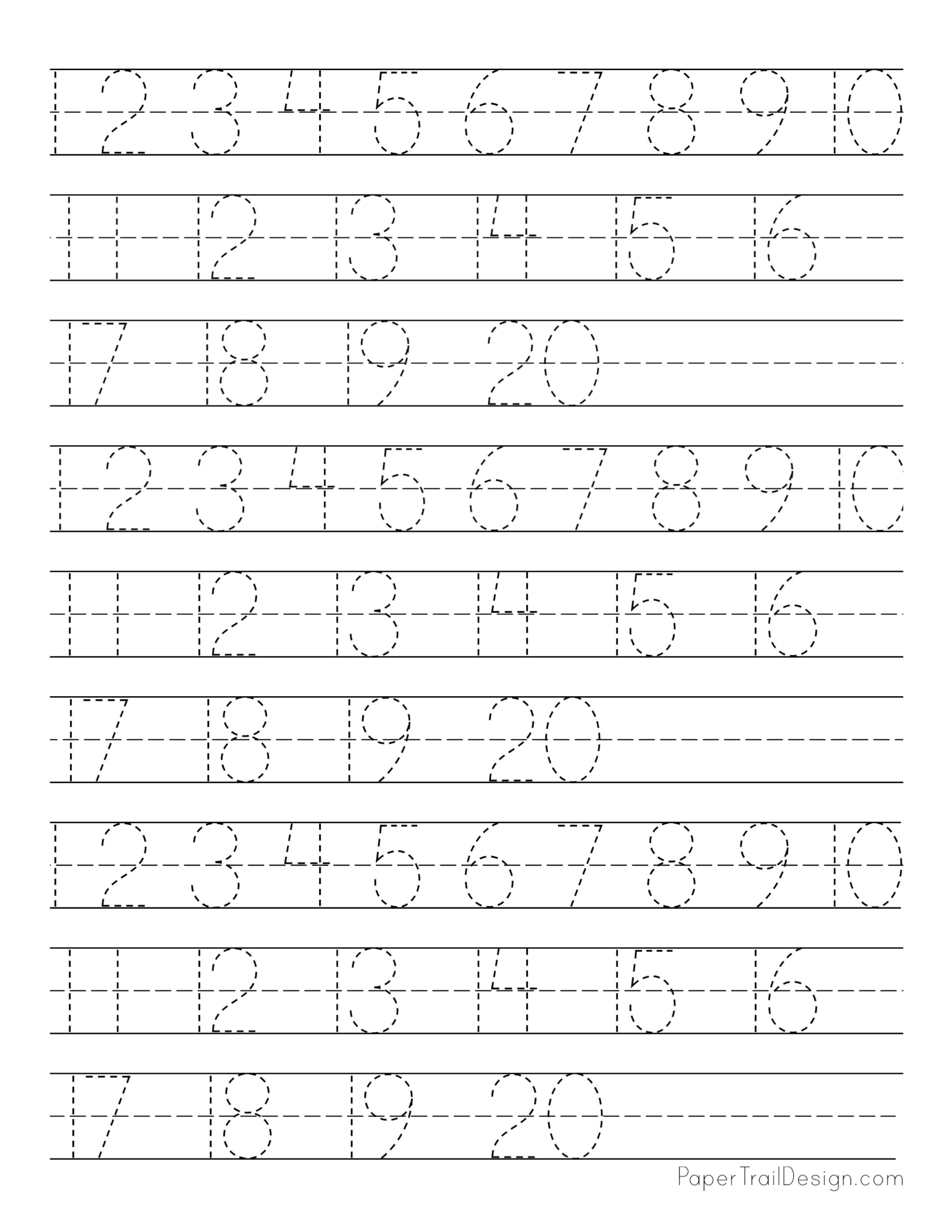
Many children recognize numerals long before their fine motor skills possess the strength and coordination to accurately form them on paper. According to the American Occupational Therapy Association, foundational hand strength and pencil control are essential prerequisites for successful academic performance and lifelong writing fluency. It sounds simple, and that is the exact point of early numeral practice. Translating visual recognition into physical output requires structured guidance, repeated exposure, and intentional muscle memory development. Here’s what makes this worksheet different: it bridges the gap between cognitive understanding and physical execution by breaking down complex numeral formations into manageable, guided strokes. Utilizing the traceable numbers 1 20 printable allows adults to support young learners through a gradual release of responsibility, moving from full hand-over-hand assistance to confident, independent writing.
💡 Technical Key Takeaways:
- Core Focus: Diagnostic schematic and terminal connection layout for Traceable Numbers 1 20 Printable.
- Target Scope: Field technicians, automotive DIYers, and residential/commercial electricians.
- Safety Rule: Always disconnect the primary power source/battery terminal and verify zero voltage with a multimeter before touching wires.
What This Worksheet Covers
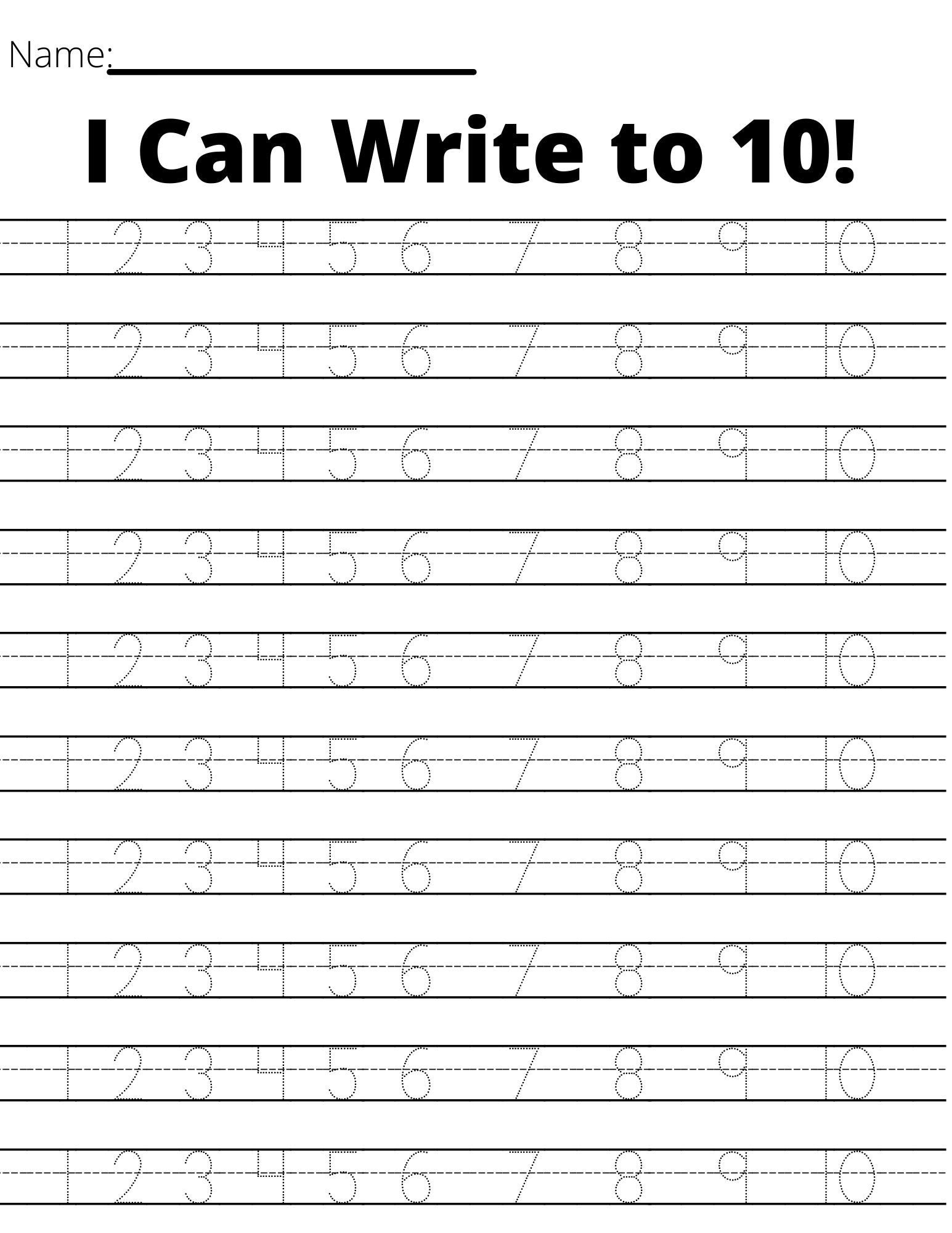
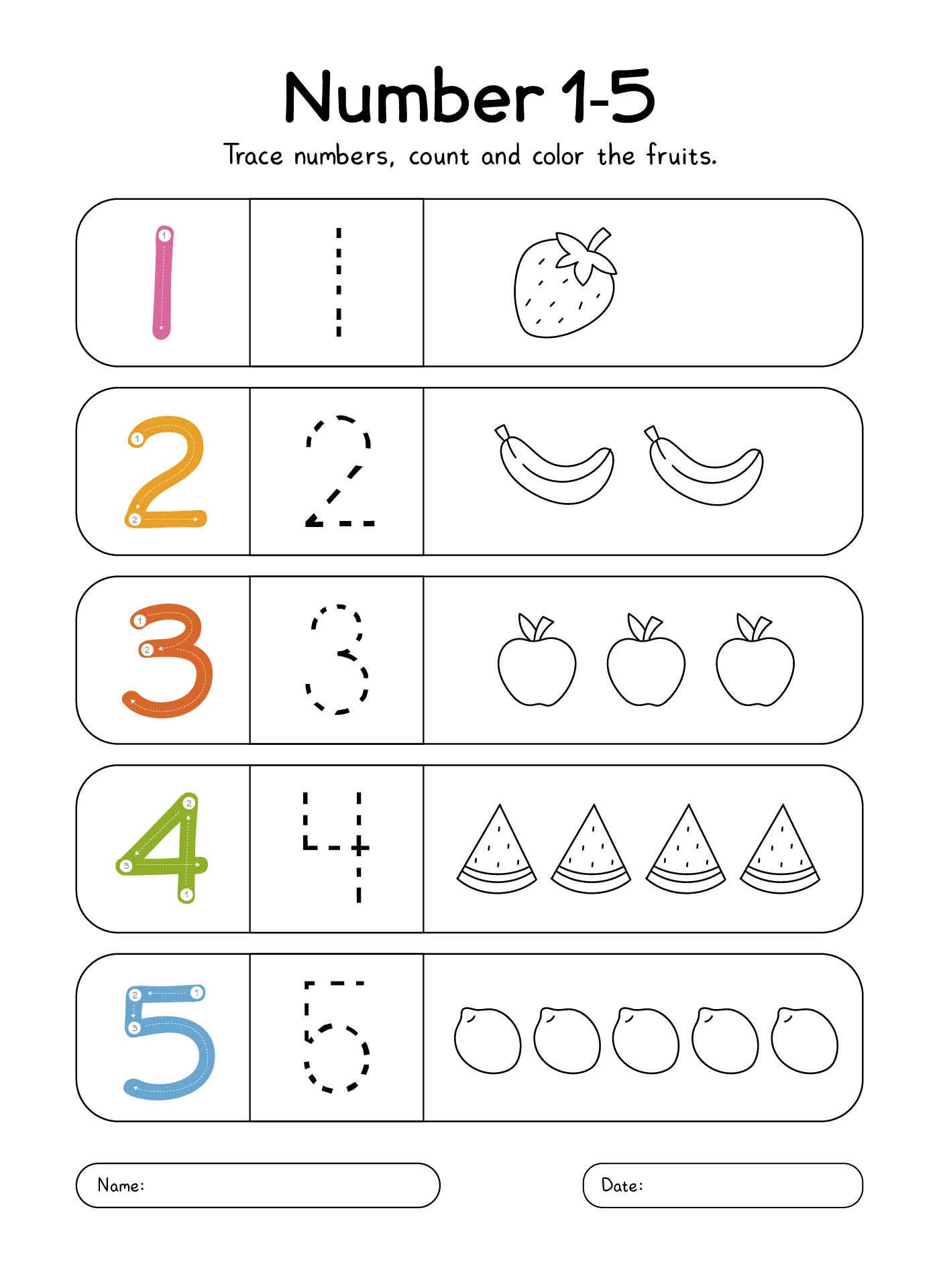
Mastering numerals requires careful attention to directional movement, starting points, and proportional sizing within a writing space. The traceable numbers 1 20 printable systematically introduces digits in a logical sequence, ensuring children build upon previously mastered motor patterns rather than tackling isolated strokes randomly. Starting with simple vertical lines in number one and progressing to the curved loops of numbers like eight and nine, each digit serves as a building block for advanced mathematical notation and spatial awareness. The layout provides ample white space and clear visual markers to prevent cognitive overload, keeping young learners focused entirely on pencil control and stroke directionality. For more related activities, check out our Tracing Lines Shaped And Numbers Dashed Line.
Key Learning Outcomes
Engaging consistently with this resource yields multiple developmental milestones for early learners. Children develop precise pencil grip adjustments, transitioning from immature palmar grasps to functional tripod grasps as finger dexterity improves. Visual-motor integration strengthens significantly as eyes and hands learn to work in tandem, allowing the hand to follow precise visual paths on the page. Learners also master numeral formation consistency, internalizing the correct starting points and directional strokes for every digit from one through twenty. Furthermore, this practice fosters sustained attention to task completion, cultivating patience and resilience when facing challenging configurations like the diagonal slashes of a four or the sweeping curves of a six.
How to Use This Worksheet
Successful implementation relies on creating a supportive, low-pressure environment that prioritizes effort and technique over immediate perfection. Begin by presenting the traceable numbers 1 20 printable on a flat, stable surface with appropriate seating that allows both feet to rest flat on the floor for postural stability. Encourage short, focused sessions rather than marathon writing blocks, as hand fatigue sets in quickly for developing muscles. According to the National Association for the Education of Young Children, young children learn best through active engagement and scaffolded instruction that matches their current developmental stage. Adults should observe closely, offering gentle corrections on pencil grip or stroke direction before bad habits become deeply ingrained muscle memory.
Practical Tips for Parents and Teachers
Supporting a developing writer involves careful observation, strategic modeling, and tactile engagement beyond standard pencil and paper tasks. Adults can model correct grip by holding a writing tool properly while verbalizing the motion, such as saying “start at the top and pull straight down” for the number one. Scaffolding the activity might involve tracing over raised-texture numerals or writing digits in shaving cream before touching the worksheet, engaging multiple sensory pathways simultaneously. Extending the learning naturally occurs when children count physical objects like buttons or blocks to match the numeral they just traced, bridging abstract symbols with concrete mathematical quantities. Rotating writing instruments—such as using short crayons, scented markers, or mechanical pencils—keeps engagement high and exercises different hand muscles without causing undue strain.
Age-Appropriate Recommendations
Developmental expectations vary significantly across early childhood, requiring tailored approaches for different age groups based on established frameworks like the CDC milestones. For children ages two to four, the focus centers primarily on pre-writing strokes, gross motor shoulder stability, and exploratory tracing using thicker writing tools or finger paints. During these formative years, expecting flawless numeral formation is developmentally inappropriate; instead, celebrate curiosity and the ability to imitate horizontal and vertical lines. For children ages five to eight, aligned with Common Core standards for kindergarten and first grade (such as CCSS.MATH.CONTENT.K.CC.A.3), the expectations shift toward precise numeral formation, correct starting points, and writing numbers independently within defined boundaries. At this stage, the traceable numbers 1 20 printable serves as an invaluable tool for refining fine motor precision and building the automaticity required for higher-level math fluency.
Foundational hand strength and mature pencil grasps directly correlate with legibility and writing speed in early elementary grades. — American Occupational Therapy Association
Frequently Asked Questions
Structured fine motor practice significantly reduces writing fatigue and enhances spatial awareness in preschool learners. — National Association for the Education of Young Children
Explore More Free Printable Tracing Worksheets
Expanding a child’s foundational skill set involves exploring diverse paths that target every aspect of early development, from basic hand-eye coordination to complex linguistic sequencing. Discover a wide variety of supplementary exercises, including Alphabet And Numbers Tracing, which pairs numerical practice seamlessly with letter recognition. For targeted support with specific letter formations, explore the Dotted Letters For Tracing collection. Strengthening foundational hand muscles is equally vital, making resources found under Fine Motor and Pre-Writing Skills an ideal starting point. Children can also master foundational control through Shape and Line Tracing, while themed practice maintains high motivation via Seasonal and Fun Themes. Personalization supports engagement wonderfully through Word and Name Tracing. Find general resources under General Kidtraces and explore specific digits via Tracing Number pages. Access the complete library anytime for daily practice by visiting KidTraces.com to support comprehensive learning.
Quick Wiring Specifications & Terminal Guide
| Component / Circuit | Standard Wire Gauge | Recommended Protection |
|---|---|---|
| Control & Trigger Signals | 18 – 20 AWG | 5A – 7.5A Inline Fuse |
| Standard Auxiliary Load | 14 – 16 AWG | 15A – 20A Circuit Breaker |
| Main Power Feed / Supply | 10 – 12 AWG | 30A – 40A Heavy-Duty Relay |
Images References