Introduction
Many children recognize letters and numbers long before their fine motor skills are ready to actually form them on paper. According to Reading Rockets, early handwriting instruction builds crucial foundational connections in the brain that support both literacy and cognitive growth. This developmental gap often frustrates eager learners who know what a numeral looks like but struggle to make pencils obey their intentions. The jane ellis number formation worksheet bridges that gap by offering structured, guided practice designed to build muscle memory safely and effectively. Through deliberate repetition and clear visual cues, young writers move from hesitant marks to confident stroke sequences.
💡 Technical Key Takeaways:
- Core Focus: Diagnostic schematic and terminal connection layout for Jane Ellis Number Formation.
- Target Scope: Field technicians, automotive DIYers, and residential/commercial electricians.
- Safety Rule: Always disconnect the primary power source/battery terminal and verify zero voltage with a multimeter before touching wires.
What This Worksheet Covers
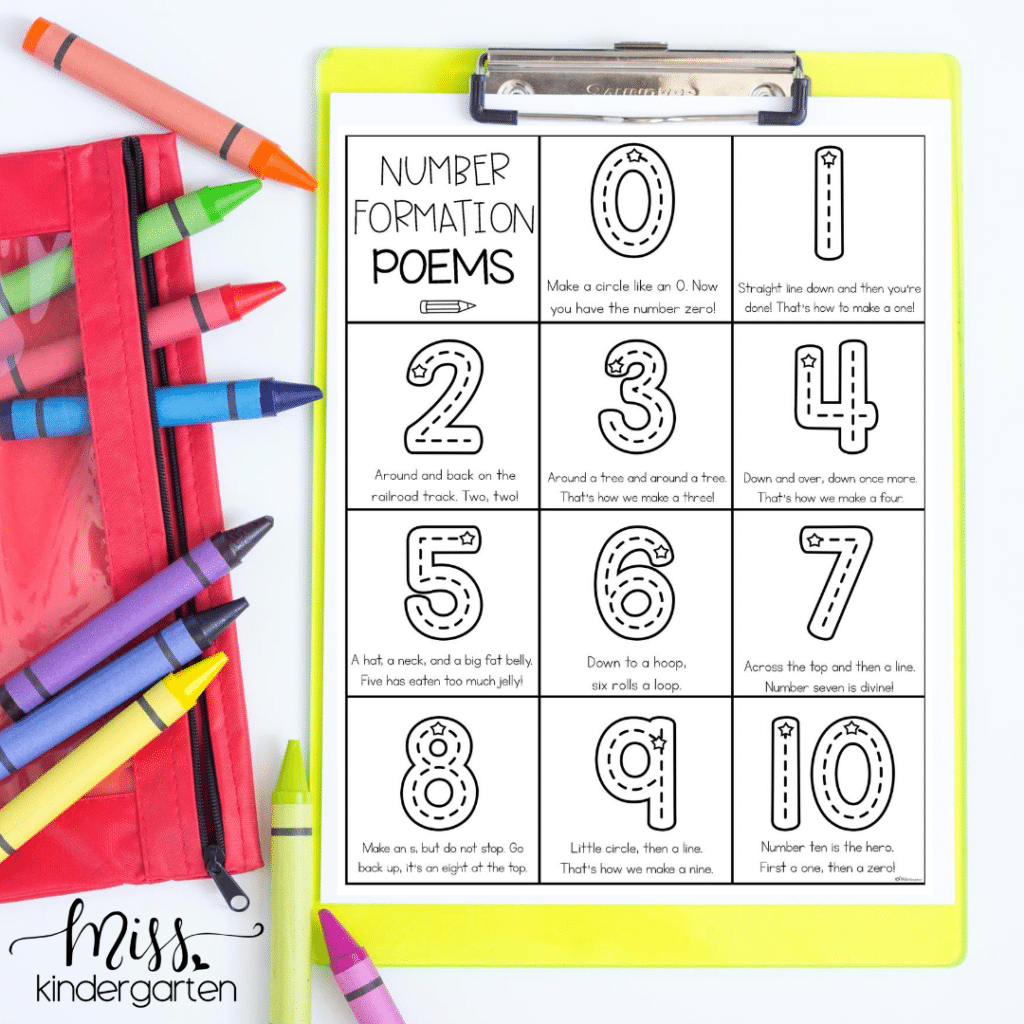
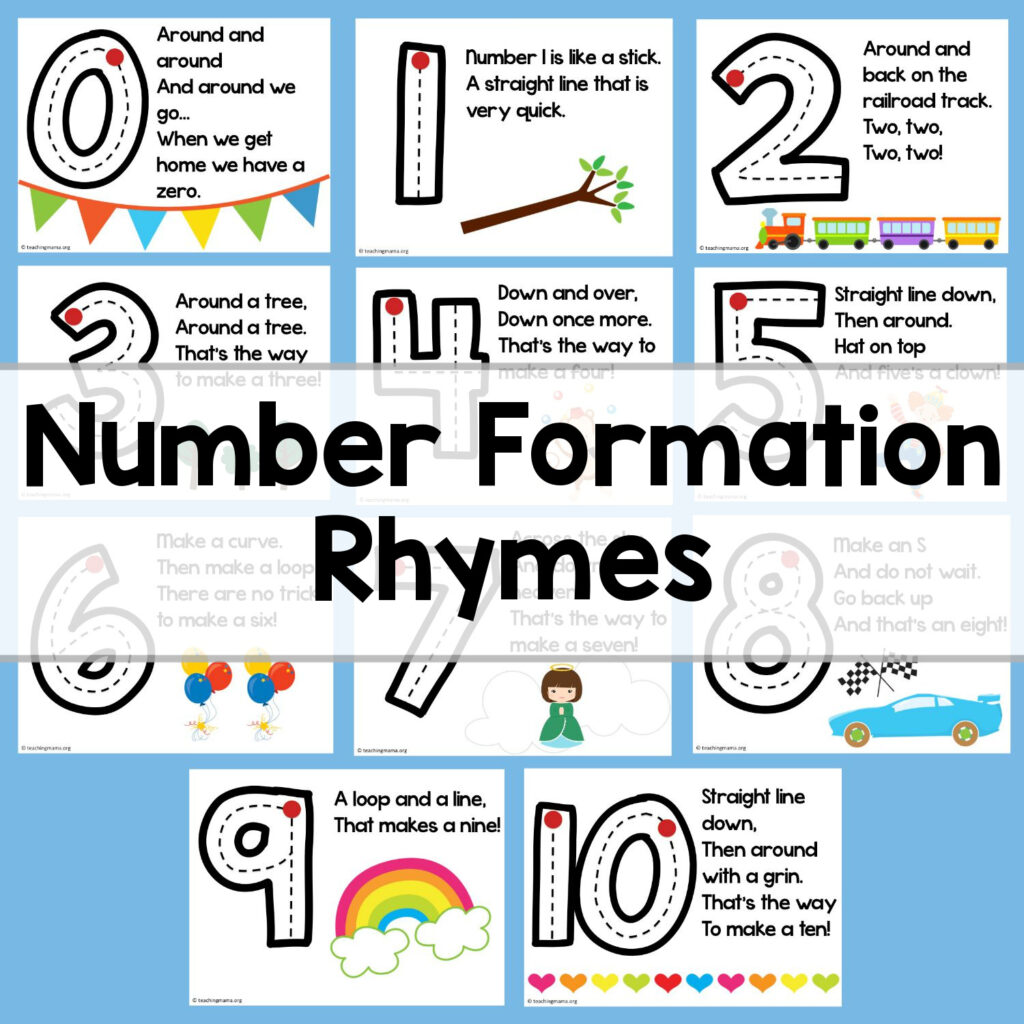
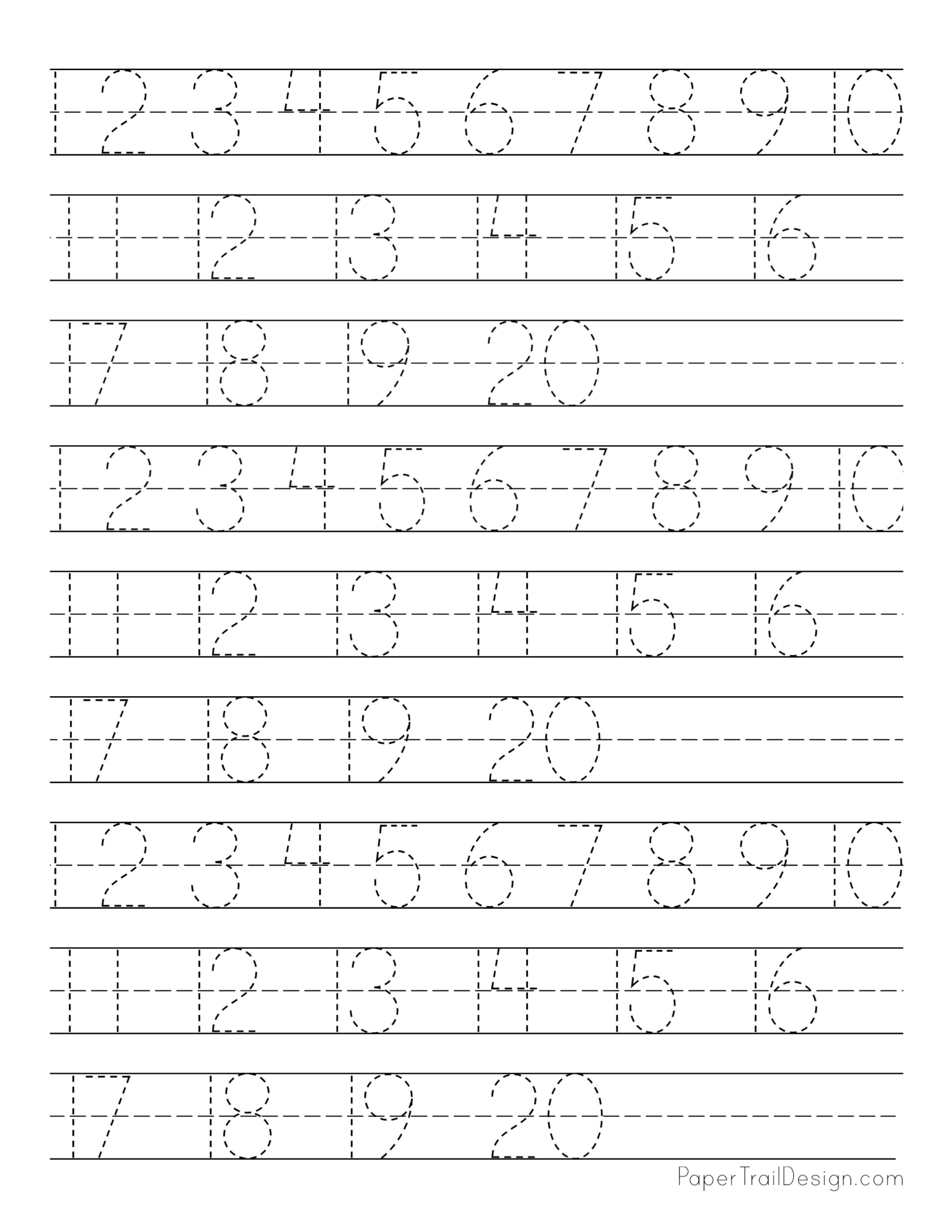
Mastering numbers requires understanding exact starting points, directional arrows, and spatial proportions. This printable focuses heavily on proper numeral formation, moving sequentially from zero through nine. Every single digit features explicit directional cues to prevent common reversals and bad habits, such as starting a number from the bottom instead of the top. The layout provides ample space for visual tracking, helping little eyes transition smoothly across the page without becoming overwhelmed by clutter or crowded lines.
Key Learning Outcomes
Working through these exercises promotes precise pencil control, foundational stroke sequencing, and spatial awareness on a blank page. Children develop the visual-motor integration necessary to translate mental concepts into physical marks while reinforcing numerical recognition. Consistent practice also strengthens intrinsic hand muscles, which are vital for stamina during longer writing tasks. Ultimately, learners achieve automaticity in number formation, freeing up cognitive energy to focus on higher-level math concepts rather than the mechanics of holding a writing utensil.
How to Use This Worksheet
Begin each session by demonstrating the correct pencil grip and showing where each stroke initiates on the page. According to the American Occupational Therapy Association, establishing an efficient grasp early prevents hand fatigue and joint strain during extended academic tasks. Invite the learner to trace the larger exemplar numbers with an index finger first to build kinesthetic awareness before touching a pencil. Provide plenty of encouragement while monitoring posture, ensuring feet rest flat on the floor and the non-writing hand stabilizes the paper.
Practical Tips for Parents and Teachers
Scaffolding makes all the difference when introducing new writing concepts to young children. Try using broken crayons or short pencils to naturally encourage a tripod grasp instead of a heavy-fisted grip. Model the verbal rhythm of the strokes out loud, such as “around and down” for the number two, to engage auditory learners alongside visual ones. If frustration arises, pause the session immediately and explore foundational movements within the Fine Motor and Pre-Writing Skills collection to build hand strength playfully before returning to structured numerals.
Age-Appropriate Recommendations
Aligned with NAEYC Developmentally Appropriate Practice, children aged two to four benefit most from large-scale pre-writing lines and multisensory numeral exploration rather than strict pencil-and-paper drills. Introduce these specific printable sheets around ages five to eight when children possess the hand-eye coordination required for precise pencil control. Older kindergarten and early elementary students can use these exercises to refine stroke fluidity and correct persistent reversal habits. Teachers and homeschoolers can easily integrate these pages alongside broader mathematical units found throughout the Tracing Number section.
Proficient handwriting and proper numeral formation directly correlate with improved mathematical fluency and reduced cognitive load during problem-solving tasks. — American Occupational Therapy Association
Frequently Asked Questions
Navigating early writing resources is straightforward when clear answers are readily available for common caregiver questions.
Explore More Free Printable Tracing Worksheets
Supporting a young writer involves offering variety, encouragement, and plenty of targeted practice opportunities across different subjects. Exploring broader categories like Alphabet And Numbers Tracing keeps learning fresh and engaging throughout the school year. Educators and families can access the entire library of educational resources directly at KidTraces.com to find everything needed for confident early writers.
Quick Wiring Specifications & Terminal Guide
| Component / Circuit | Standard Wire Gauge | Recommended Protection |
|---|---|---|
| Control & Trigger Signals | 18 – 20 AWG | 5A – 7.5A Inline Fuse |
| Standard Auxiliary Load | 14 – 16 AWG | 15A – 20A Circuit Breaker |
| Main Power Feed / Supply | 10 – 12 AWG | 30A – 40A Heavy-Duty Relay |
Images References