Introduction
Watch any group of preschoolers and a clear developmental truth emerges: children recognize numerals and letters long before their little hands possess the intrinsic strength required to form them cleanly on paper. According to the American Occupational Therapy Association, foundational upper body stability and hand dexterity must develop sequentially to support legible, fatigue-free handwriting later in childhood. Bridging that gap between cognitive readiness and physical capability requires engaging, low-stress practice tools. Enter the free printable numbers worksheet ocean animals tracimng, a resource specifically engineered to capture youthful attention spans while building essential pre-writing foundations. Underwater motifs naturally transform repetitive numeral drills into captivating explorations, keeping pencil-to-paper resistance remarkably low.
💡 Educational Key Takeaways:
- Core Skill: Structured Numbers Worksheet Ocean Animals Tracimng focused on developing pencil grip, stroke control, and early literacy/math confidence.
- Target Scope: Suited for homeschoolers, preschool, kindergarten, and elementary learners.
- Best Recommendation: Practice 10–15 minutes daily with ergonomic writing tools to reinforce muscle memory without hand fatigue.
What This Worksheet Covers
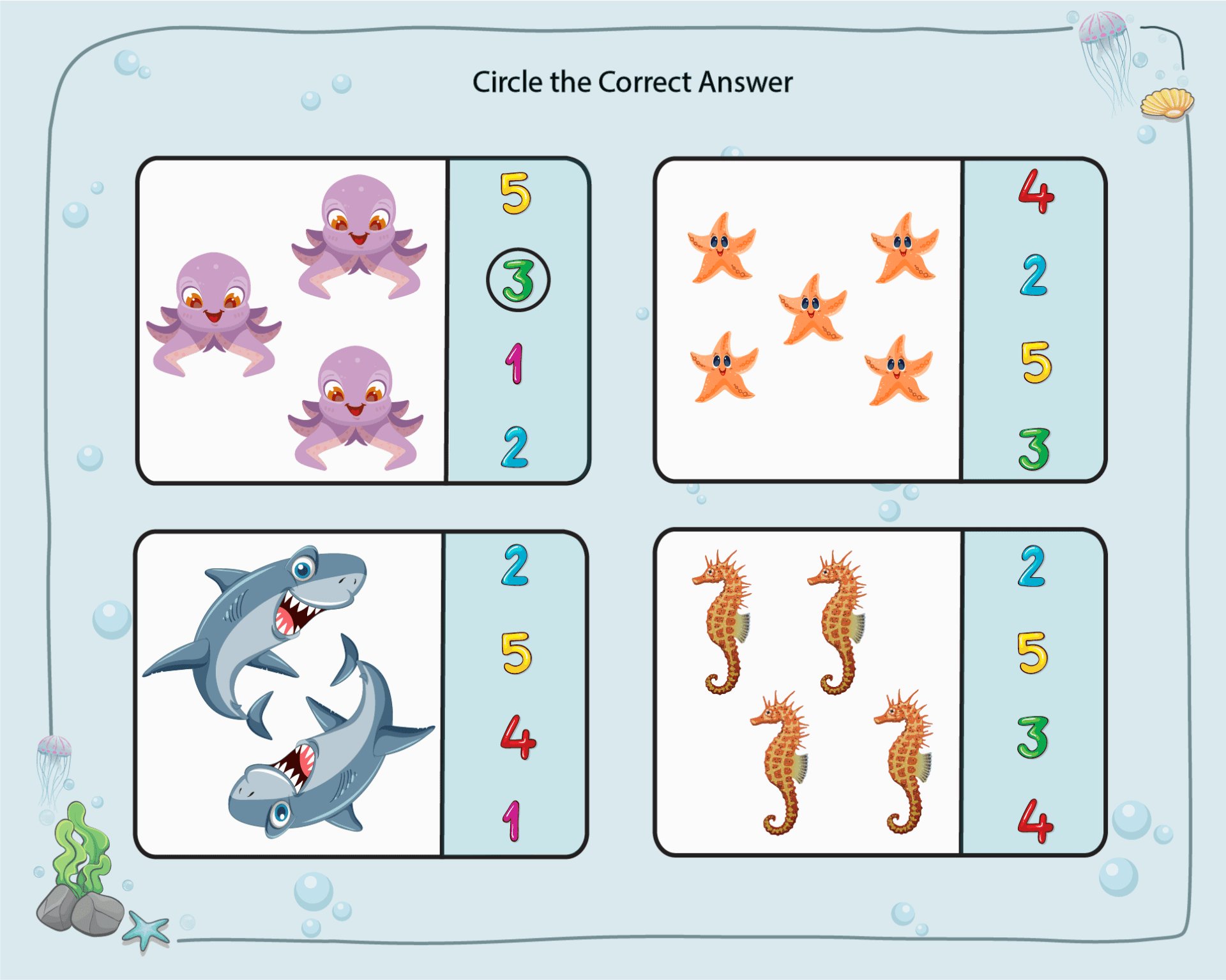
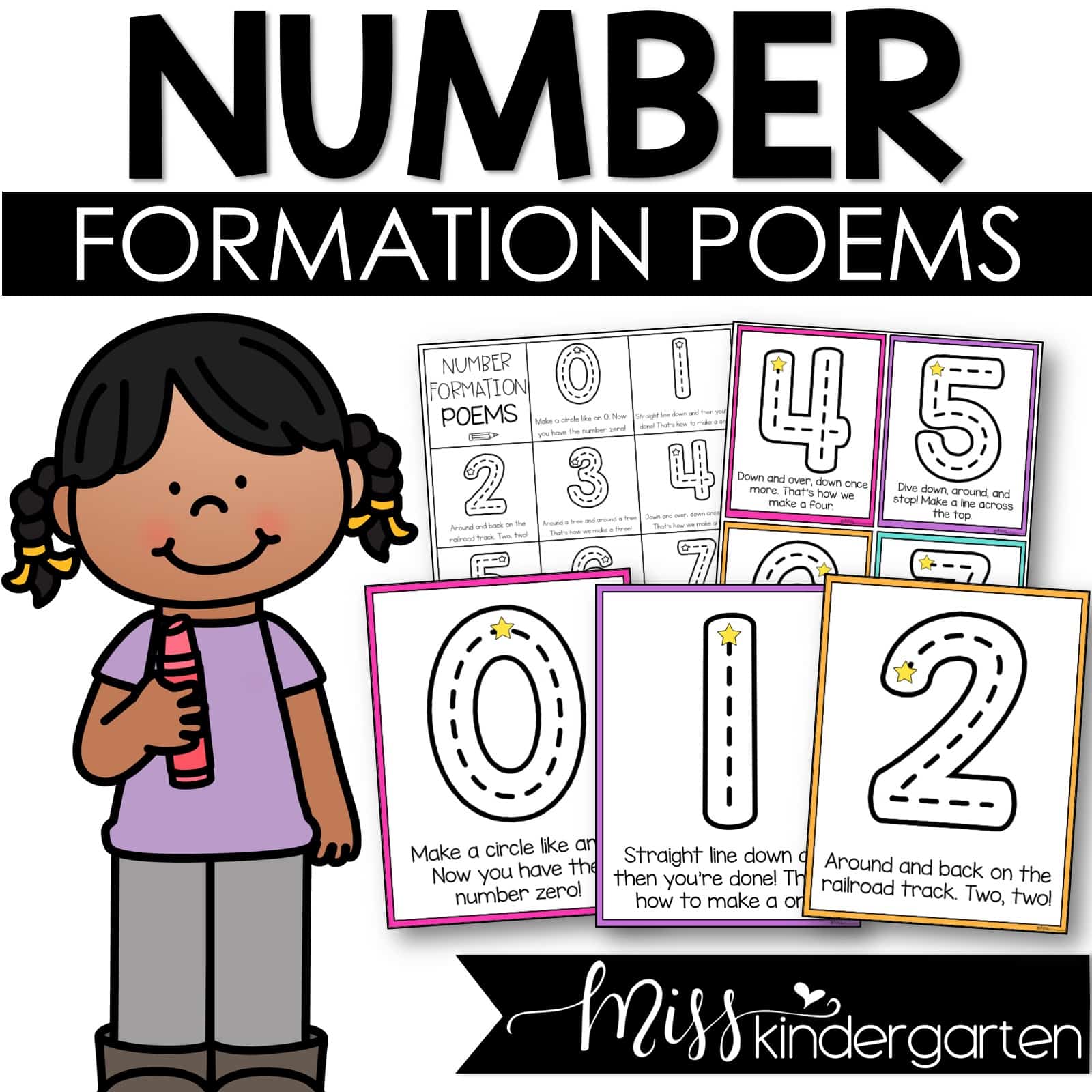
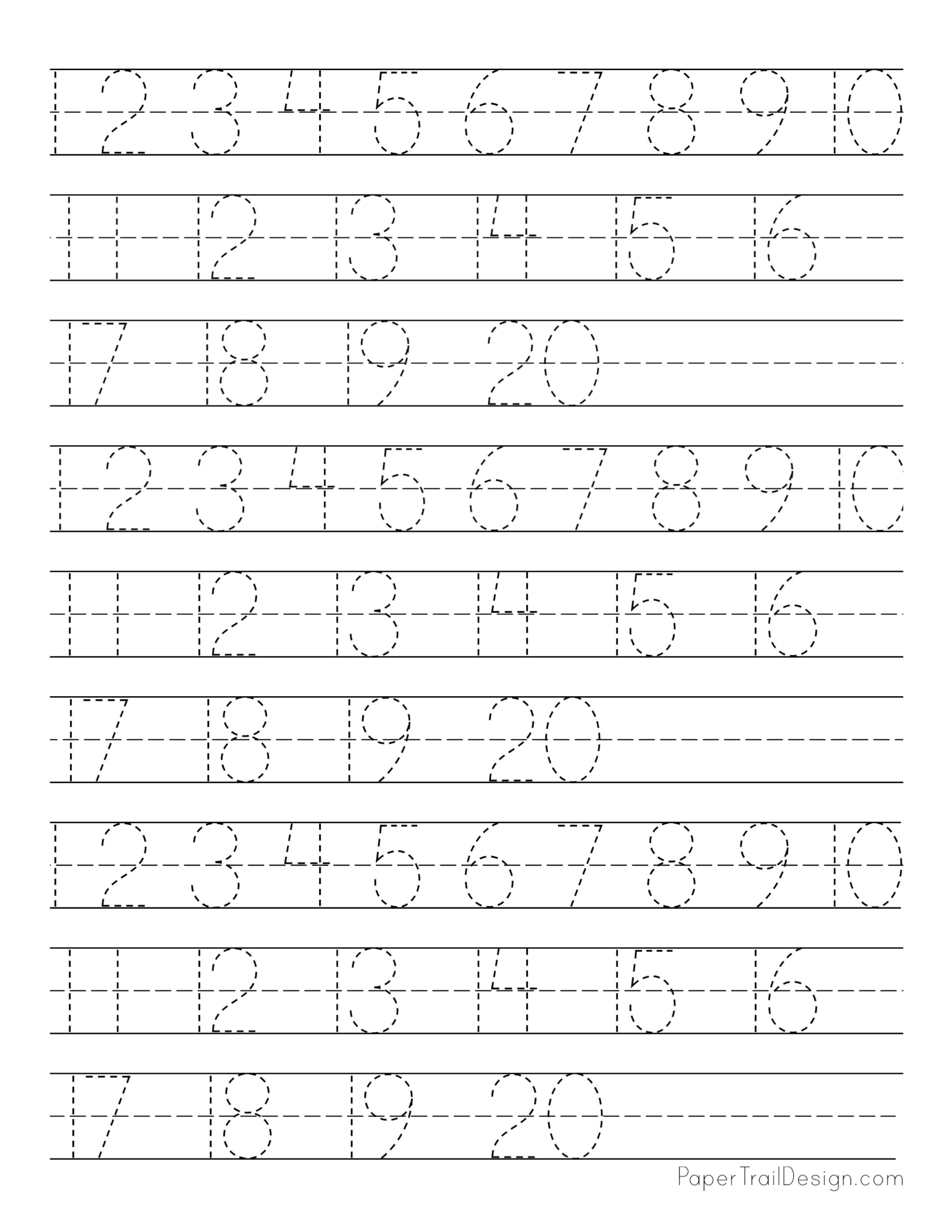
This specialized print resource focuses heavily on precise numeral formation, starting points, and directional stroke order using friendly marine characters as visual guides. Many early learners struggle with the spatial orientation of digits like 3, 5, and reversed 2s, but themed layout grids provide gentle visual boundaries that curb wandering lines. The dotted formation paths encourage intentional pacing, guiding children away from frantic scribbling and toward controlled, deliberate pencil movements. By pairing counting concepts with aquatic illustrations, the material weaves early mathematical awareness directly into physical motor skill execution, creating a dual-benefit activity for developing minds.
Key Learning Outcomes
Working through these pages cultivates robust directional control, teaching small hands to consistently start numerals at the top rather than the bottom. Finger isolation and dynamic tripod grip endurance improve steadily as children navigate curving jellyfish tentacles and looping wave lines embedded within the digit designs. Numerical sequencing and quantity recognition are reinforced simultaneously, solidifying the mental link between the written symbol and the actual value it represents. Furthermore, visual-spatial awareness expands significantly as learners manage pencil pressure and stay inside designated boundary zones without crossing over graphic elements.
How to Use This Worksheet
Successful implementation begins with setting up an ergonomic workstation where feet rest flat on the floor and the writing surface sits at a comfortable elbow height. Introduce the theme by talking about the ocean animals featured on the page, building excitement and connecting the abstract numbers to concrete, living things. Allow children to trace the paths first with an index finger to build muscle memory before introducing a writing utensil. It sounds simple, and that is the exact point: sensory rehearsal paves the neural pathways necessary for successful pencil control.
Practical Tips for Parents and Teachers
Adults should actively model proper pencil grasp, encouraging an open web space and relaxed fingers instead of a tight, white-knuckled fist. Scaffolding is crucial when frustration appears, meaning adults can gently hand-over-hand guide the first few strokes before fading support entirely as confidence builds. Avoid demanding perfection on every single line, because early childhood motor control develops in waves rather than a straight upward trajectory. Instead, celebrate small victories like a well-formed loop or a steadily maintained starting point, and transition seamlessly into related activities found across Tracing Number resources when fatigue sets in.
Age-Appropriate Recommendations
According to the National Association for the Education of Young Children Developmentally Appropriate Practice, children aged two to four benefit most from large-scale pre-writing strokes, thick writing instruments, and open-ended exploration of lines and curves. For this younger cohort, these ocean pages serve as a playful introduction to pencil holding without the pressure of strict academic perfection. By ages five through eight, aligned with Common Core standards for kindergarten and first grade, expectations shift toward precise numeral formation, proper sizing, and consistent alignment on standard writing lines. Older children use these exact thematic sheets to refine their stroke efficiency and increase writing stamina during independent morning work blocks, drawing additional support from Alphabet And Numbers Tracing collections.
Foundational upper body stability and hand dexterity must develop sequentially to support legible handwriting — American Occupational Therapy Association
Frequently Asked Questions
Navigating printing setups, skill expectations, and troubleshooting common grip issues can occasionally raise questions for adults guiding early learners through writing practice.
Developmentally appropriate practice emphasizes large-scale pre-writing strokes and play-based exploration for younger children — National Association for the Education of Young Children
Explore More Free Printable Tracing Worksheets
Supporting a young writer requires a steady supply of fresh, engaging materials that adapt alongside changing developmental stages and emerging interests. Beyond aquatic number practice, educators and families can discover a wide variety of structured exercises, including targeted Dotted Letters For Tracing pages and foundational Shape and Line Tracing sheets designed to build confidence from the ground up. Every child moves through developmental milestones at an individual pace, and having access to diverse thematic printables ensures practice remains joyful and effective. Explore the complete library of teacher-approved resources by visiting KidTraces.com to find everything necessary for nurturing lifelong writing success.
Developmental Milestone & Activity Table
| Development Stage | Recommended Daily Duration | Primary Learning Objective |
|---|---|---|
| Preschool & Pre-K | 10 – 15 Minutes | Pencil grip development & basic pre-stroke lines |
| Kindergarten | 15 – 20 Minutes | Letter/number formation & spatial line awareness |
| Early Elementary (Grade 1–2) | 20 – 30 Minutes | Fluency, sentence construction & neatness |
Images References