Introduction
Many children recognize numbers and symbols long before their fine motor coordination allows them to form those same shapes on paper. According to the American Occupational Therapy Association, foundational hand strength and visual-motor integration must develop simultaneously to support functional handwriting skills in early childhood. Bridging that gap requires thoughtful tools that transform abstract mathematical concepts into concrete physical movements. The free 0-10 number tracing worksheet provides a structured bridge for young learners transitioning from visual recognition to physical execution. Mastering numeral formation establishes essential spatial awareness and pencil control that benefits both early literacy and mathematics.
💡 Educational Key Takeaways:
- Core Skill: Structured 0-10 Number Tracing focused on developing pencil grip, stroke control, and early literacy/math confidence.
- Target Scope: Suited for homeschoolers, preschool, kindergarten, and elementary learners.
- Best Recommendation: Practice 10–15 minutes daily with ergonomic writing tools to reinforce muscle memory without hand fatigue.
What This Worksheet Covers
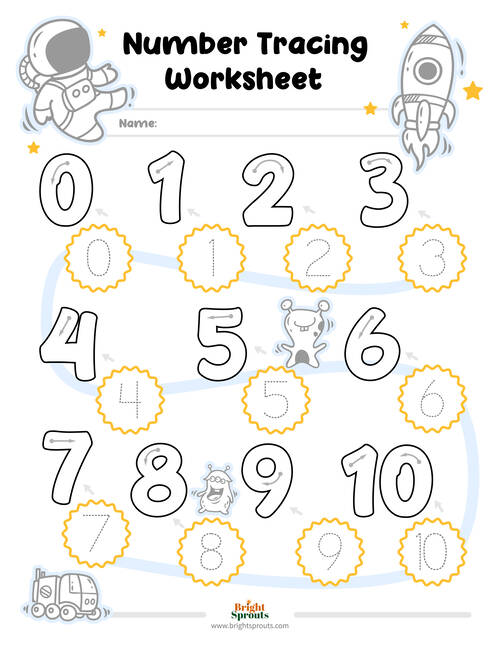
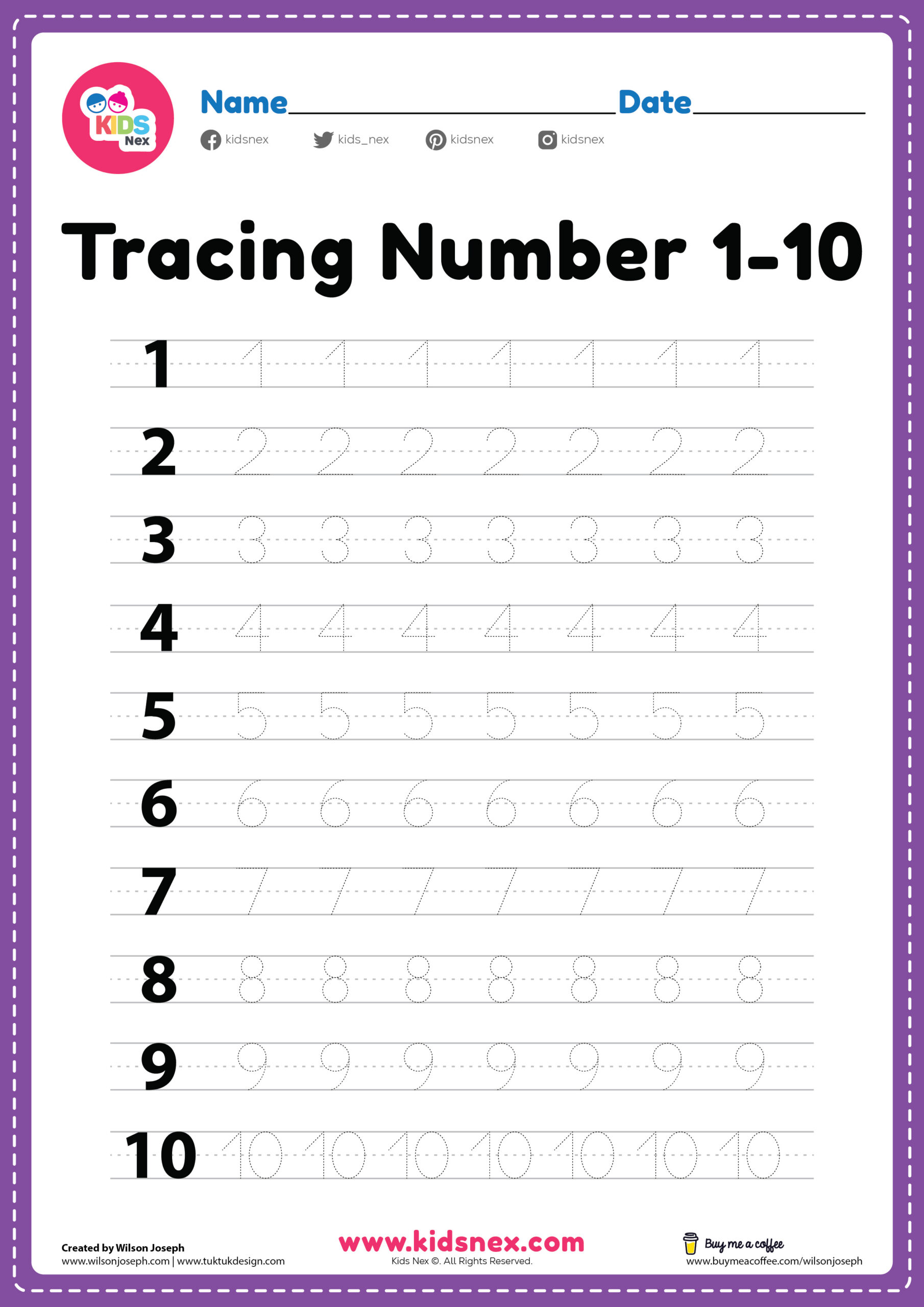
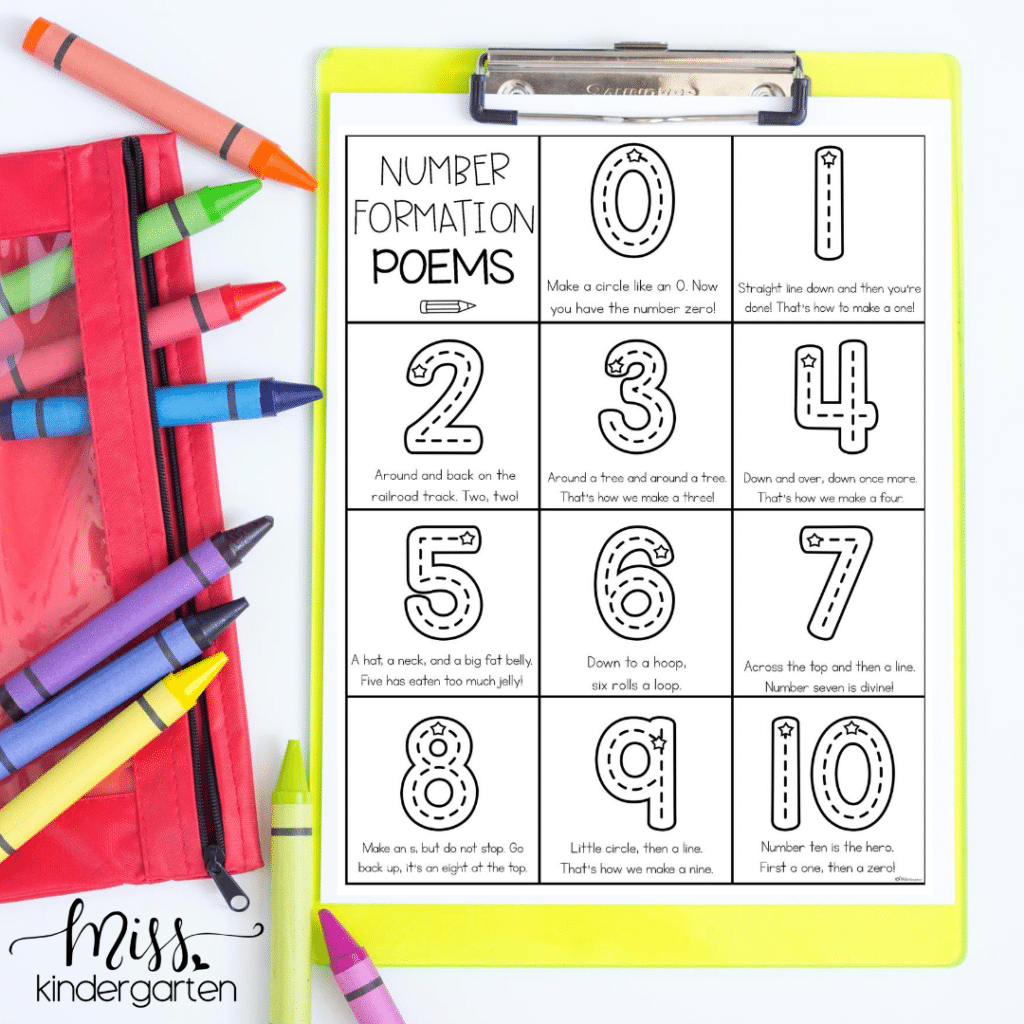
This printable resource focuses specifically on guided numeral formation, stroke sequence, and directionality for digits zero through ten. Each number features explicit starting points and directional arrows to teach children the correct path of movement. By moving beyond simple coloring pages, the layout demands intentional pencil manipulation, fostering the muscle memory required for legible writing. It sounds simple, and that’s the point: deliberate, repetitive practice reduces cognitive load so children can eventually write numbers automatically.
Key Learning Outcomes
Consistent interaction with these foundational exercises yields several critical developmental milestones. Children build crucial hand-eye coordination as visual guides direct their writing implements along dotted lines. Proper stroke order prevents awkward writing habits that later cause hand fatigue during longer academic tasks. Additionally, recognizing and forming the symbols for zero through ten reinforces early numeration concepts, supporting the broader curriculum found in Tracing Number resources. Spatial boundaries teach young learners how to size their numbers appropriately within a given line, establishing neatness and structural organization.
How to Use This Worksheet
Implementation requires a balance of structure, patience, and multisensory engagement. Educators and caregivers should introduce each digit individually rather than rushing through the entire page in a single sitting. Placing the printable inside a heavy-duty plastic sleeve and using dry-erase markers allows children to practice without the pressure of permanent mistakes. Pairing these sheets with tactile experiences—such as forming numbers in salt trays or molding playdough into digits—deepens kinesthetic understanding before pencil meets paper.
Practical Tips for Parents and Teachers
Supporting a developing writer starts with observing how the hand grasps the writing tool. Adults should gently encourage an adaptive tripod or quadrupod grasp, avoiding tightly clenched fists that cause early cramping. Scaffolding the activity means guiding the child’s hand through the first few strokes before slowly fading physical assistance as confidence builds. Extending the learning involves counting physical objects around the room that match the numeral currently being traced, merging fine motor practice with authentic mathematical thinking. Rotating these activities keeps motivation high, much like exploring seasonal variations found within Seasonal and Fun Themes collections.
Age-Appropriate Recommendations
Developmental readiness dictates how adults should approach numeral tracing across early childhood. According to the National Association for the Education of Young Children guidelines on developmentally appropriate practice, two- and three-year-old children benefit most from large-scale pre-writing movements, vertical surface writing, and thick crayons. By ages five through eight, children refine their pencil grip and spatial awareness, aligning with standard expectations where they can independently form numbers 0 through 10 with proper proportions and alignment. For older preschoolers ready to expand their fine motor repertoire beyond numerals, integrating tools like Shape and Line Tracing helps solidify essential stroke control.
Visual-motor integration and tactile feedback significantly improve early writing fluency and numeral retention in children ages four to six. — American Occupational Therapy Association
Frequently Asked Questions
Navigating early handwriting instruction often brings up practical questions for caregivers and educators. Clear answers help streamline the learning process and ensure children receive the right level of support.
Letter and number reversals are a typical part of early childhood development and generally resolve naturally as spatial awareness matures between ages seven and eight. — Centers for Disease Control and Prevention
Explore More Free Printable Tracing Worksheets
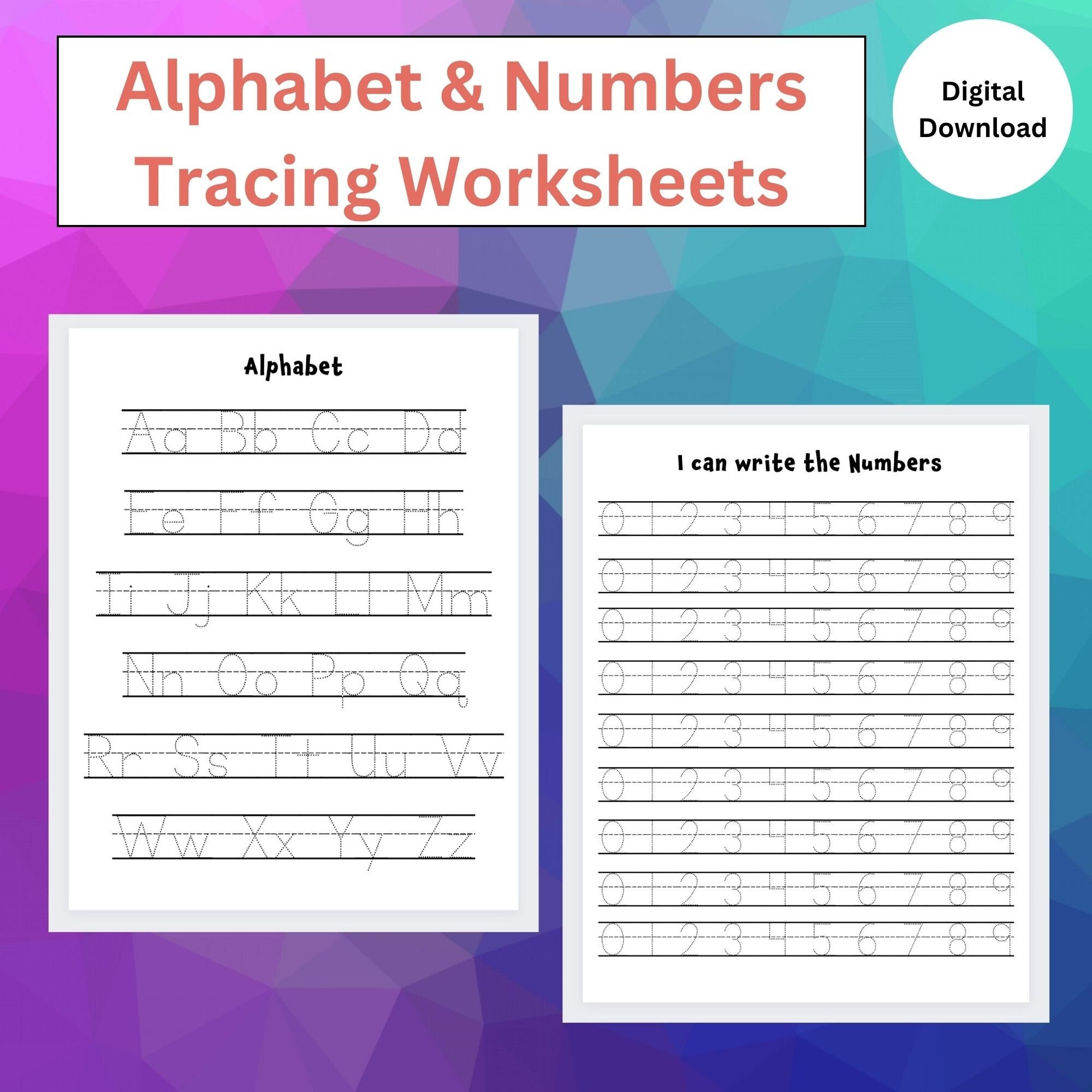
Supporting a child through the stages of pencil control and early literacy takes a variety of engaging, accessible resources. Beyond numerical practice, expanding into letters, shapes, and words helps build comprehensive academic readiness. Caregivers and educators can discover a vast selection of supportive materials by visiting the full library at KidTraces.com. Whether looking to refine basic hand movements through Fine Motor and Pre-Writing Skills or exploring alphabet mastery via Alphabet And Numbers Tracing, consistent and gentle practice lays the foundation for lifelong learning.
Developmental Milestone & Activity Table
| Development Stage | Recommended Daily Duration | Primary Learning Objective |
|---|---|---|
| Preschool & Pre-K | 10 – 15 Minutes | Pencil grip development & basic pre-stroke lines |
| Kindergarten | 15 – 20 Minutes | Letter/number formation & spatial line awareness |
| Early Elementary (Grade 1–2) | 20 – 30 Minutes | Fluency, sentence construction & neatness |
Images References