Introduction
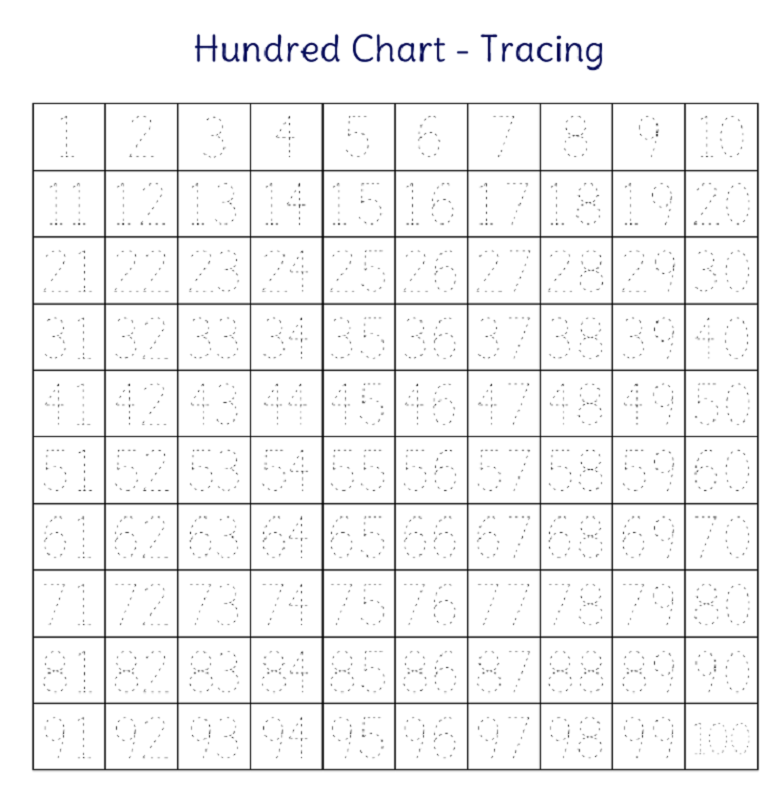
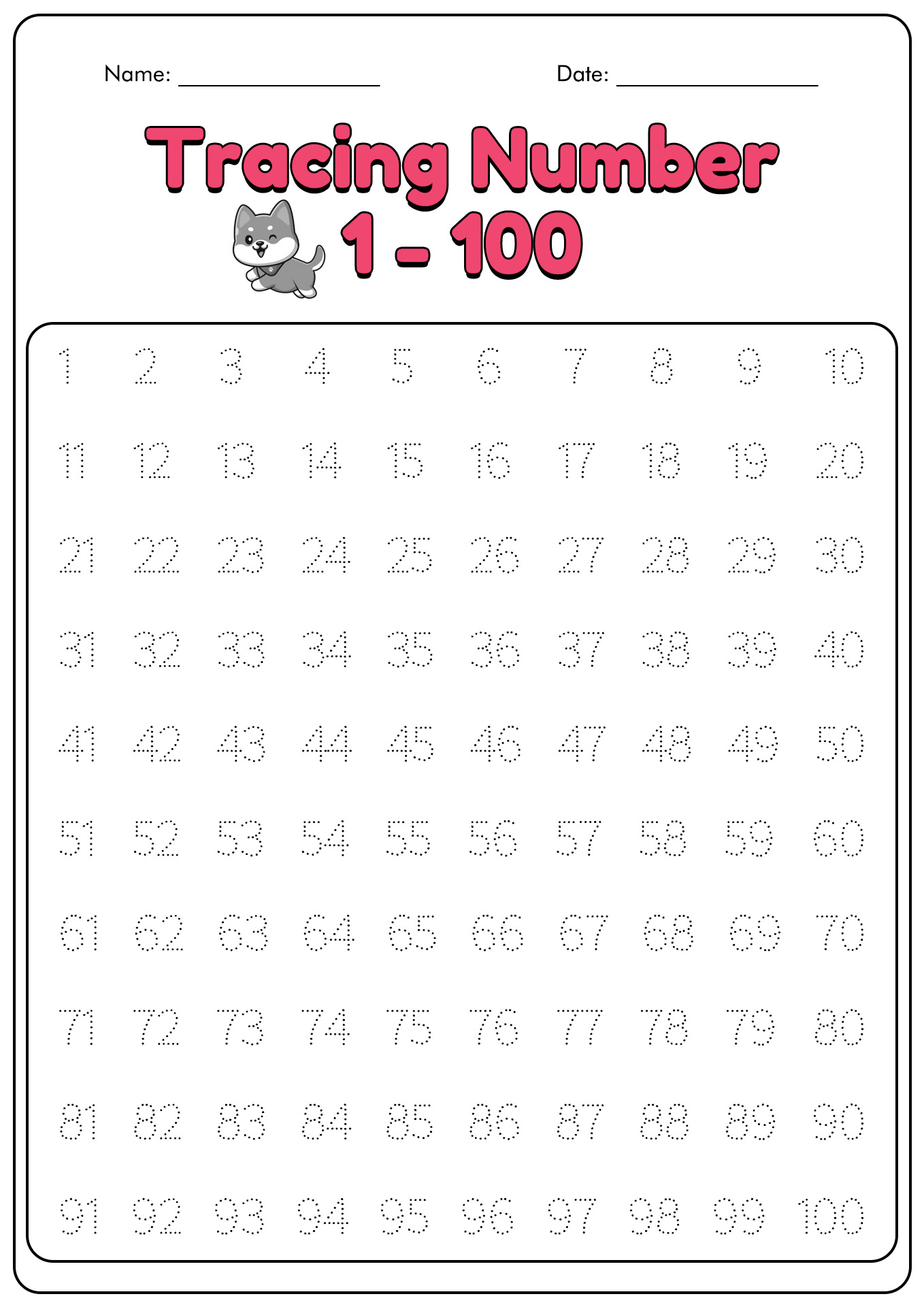
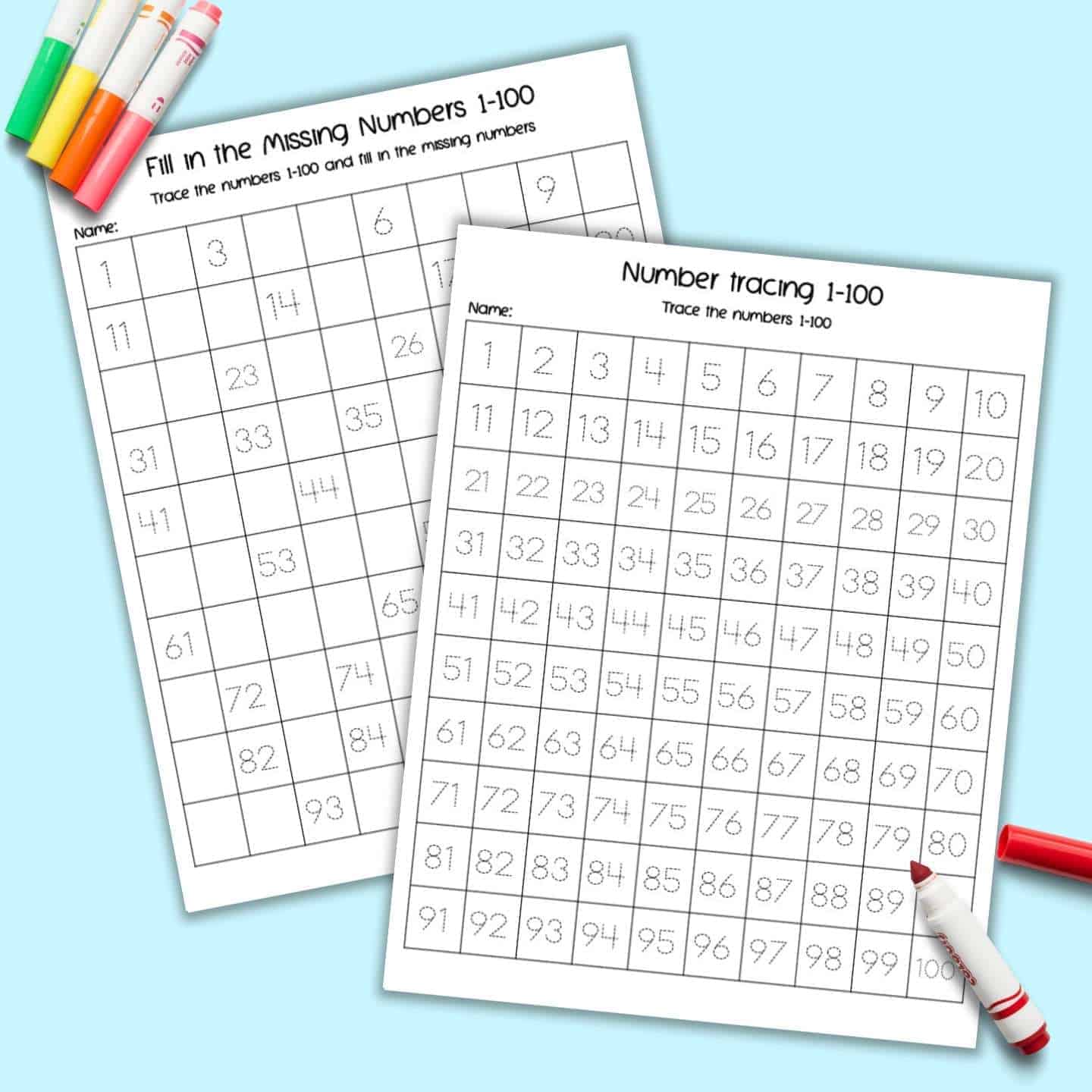
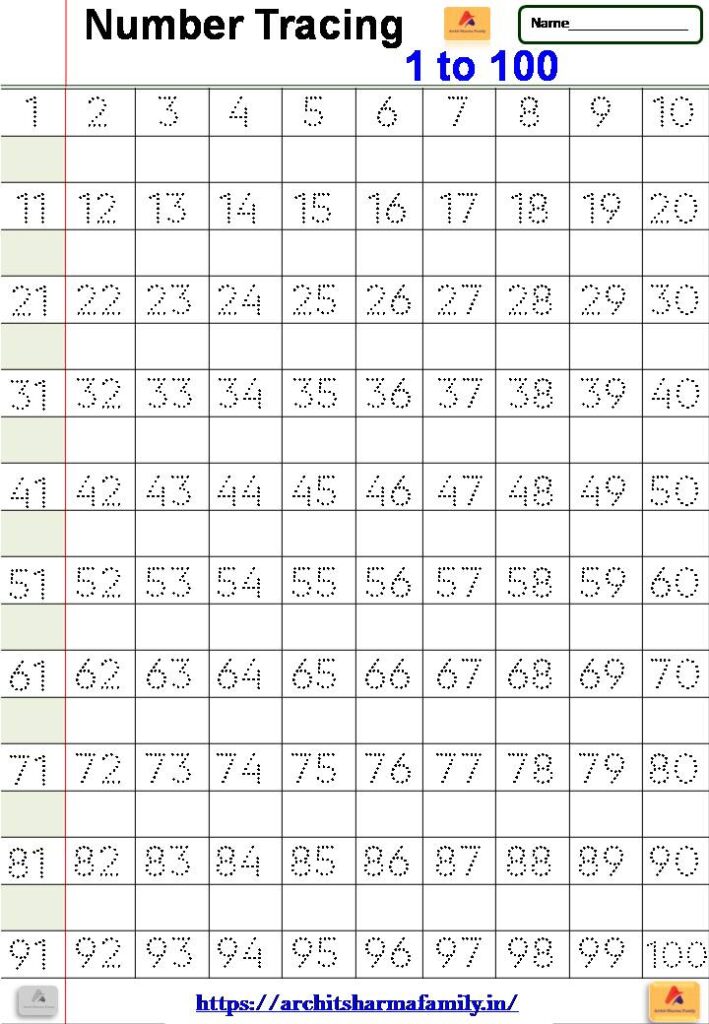
Many children recognize numerals and talk excitedly about big numbers long before their fine motor coordination allows them to successfully form those same digits on paper. According to the National Association for the Education of Young Children (NAEYC), meaningful early literacy and numeracy experiences must connect physical manipulation and visual symbol recognition to build lasting neural pathways. Bridging that common gap between cognitive awareness and physical pencil control requires structured, repeatable guidance that does not overwhelm young hands. Enter the free 1 100 number tracing printable, a foundational resource designed to transform abstract mathematical concepts into tactile, controlled muscle memory. Tracing practice provides a predictable framework where children move from tentative, jagged marks toward fluid, confident numeral formation.
💡 Educational Key Takeaways:
- Core Skill: Structured 1 100 Number Tracing Printable focused on developing pencil grip, stroke control, and early literacy/math confidence.
- Target Scope: Suited for homeschoolers, preschool, kindergarten, and elementary learners.
- Best Recommendation: Practice 10–15 minutes daily with ergonomic writing tools to reinforce muscle memory without hand fatigue.
What This Worksheet Covers
Comprehensive numeral practice demands more than simply copying a finished shape; it requires an intentional breakdown of stroke order, directional pathways, and spatial orientation. This structured resource guides learners sequentially from foundational digits up to complex century marks, ensuring familiarity with every baseline, curve, and diagonal slope required in standard math instruction. Many educators observe that learners often rush through digits like three, five, and eight by reversing strokes or lifting pencils prematurely. The dotted framework addresses this challenge directly by establishing clear starting points and directional arrows. Through consistent repetition within the 1 100 number tracing printable, children internalize the correct geometric trajectories for every single numeral in the base-ten system, laying essential groundwork for future mathematical notation and computational fluency.
Key Learning Outcomes
Engaging with systematic number formation fosters accurate stroke order, teaching hands to start digits at the top rather than the bottom, which fundamentally increases writing speed and legibility. Visual-spatial awareness strengthens as children learn to anchor numerals uniformly within standard grid lines or dedicated boxes, preventing floating digits or cramped spacing. Hand-eye coordination improves rapidly as small muscles in the fingers and wrists adapt to the precise micro-movements needed for tight loops and sharp corners. Furthermore, digit recognition solidifies simultaneously with motor execution, reinforcing numerical value and sequencing alongside physical execution. Mastery of these foundational strokes naturally supports broader growth across Fine Motor and Pre-Writing Skills, ensuring hands are well-prepared for more complex academic demands.
How to Use This Worksheet
Successful implementation relies heavily on meeting the child at their current developmental threshold rather than demanding perfection on the first attempt. Introducing the pages in manageable chunks—such as tackling tens families individually rather than confronting the entire sequence at once—prevents cognitive overload and physical fatigue. It sounds simple, and that is precisely the point: consistency trumps volume every single time. Here is what makes this worksheet different: it accommodates multiple sensory modalities when paired with tactile materials like finger painting over the grey lines or placing loose parts along the dotted paths before picking up a traditional writing tool. Regular, low-pressure sessions build both endurance and intrinsic motivation, transforming what could feel like tedious drills into an engaging daily ritual.
Practical Tips for Parents and Teachers
Adults play a vital role in scaffolding physical readiness by actively monitoring pencil grip and hand posture during early tracing sessions. According to the American Occupational Therapy Association (AOTA), utilizing shorter writing tools such as broken crayons or half-pencils naturally encourages a functional tripod grasp by preventing fingers from wrapping too far down the shaft. Adults should model correct formation on a separate board or paper first, verbalizing the directional cues aloud so learners can connect auditory instruction with visual tracking. When a child experiences hand fatigue or frustration, offering alternative exploration through Shape and Line Tracing helps rebuild hand strength and focus without the pressure of numerical accuracy. Positive reinforcement directed toward effort, proper starting points, and steady pencil control yields far superior results than focusing exclusively on the final visual product.
Age-Appropriate Recommendations
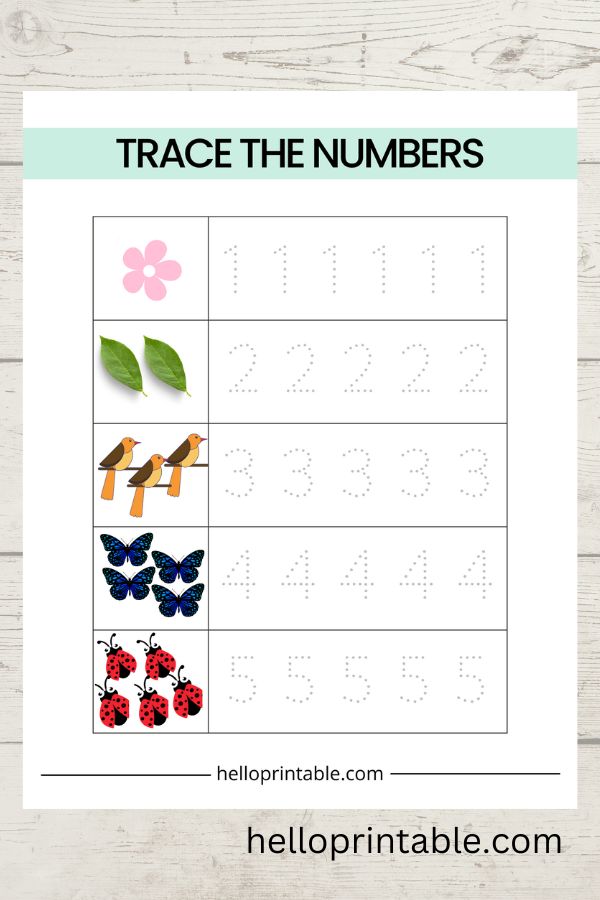
Developmental readiness dictates how children interact with numerical tracing materials across different stages of early childhood. For younger learners aged two to four, aligned with early developmental milestones, focus remains on gross motor pre-writing lines, thick crayons, and larger tracing loops to build foundational shoulder and arm stability. Children aged five to eight transition toward refined pencil control, precise digit formation, and standard math expectations outlined in Common Core ELA and Mathematics standards, specifically supporting foundational number writing fluency. During these elementary years, students utilize specialized resources like Tracing Number to refine sizing, alignment, and spacing within more constrained ruling formats. Recognizing these distinct developmental phases ensures expectations remain appropriate, fostering healthy confidence and sustainable fine motor stamina.
Young children benefit significantly from multi-sensory pre-writing and tracing activities that integrate visual, auditory, and kinesthetic pathways to support long-term motor skill acquisition and literacy readiness. — National Association for the Education of Young Children (NAEYC)
Frequently Asked Questions
Clear guidance on implementing tracing resources helps adults maximize educational value while keeping learning experiences positive and stress-free for developing writers.
Explore More Free Printable Tracing Worksheets
Expanding a child’s collection of practice materials supports continuous growth across multiple developmental domains, keeping engagement high throughout the school year. Exploring targeted resources beyond numerical sheets ensures learners remain challenged and enthusiastic about putting pencil to paper. Discover a comprehensive library of diverse educational resources designed to support early childhood milestones by visiting KidTraces.com. Whether seeking seasonal inspiration found in Seasonal and Fun Themes or fundamental letter practice available in Alphabet And Numbers Tracing, every educator and caregiver can find accessible tools to nurture confident, capable young learners.
Developmental Milestone & Activity Table
| Development Stage | Recommended Daily Duration | Primary Learning Objective |
|---|---|---|
| Preschool & Pre-K | 10 – 15 Minutes | Pencil grip development & basic pre-stroke lines |
| Kindergarten | 15 – 20 Minutes | Letter/number formation & spatial line awareness |
| Early Elementary (Grade 1–2) | 20 – 30 Minutes | Fluency, sentence construction & neatness |
Images References