Introduction
Young children frequently recognize and name numerals long before tiny hand muscles possess the strength and coordination to form them on paper. According to the American Occupational Therapy Association, foundational fine motor control and bilateral hand coordination must develop steadily before children can master formal pencil strokes and numeral formation. Bridging this gap requires targeted, accessible practice materials that respect physical development stages. The free printable dotted line numbers 1- resource bridges cognitive numeral recognition with physical execution, giving developing hands a structured path toward confident handwriting.
💡 Technical Key Takeaways:
- Core Focus: Diagnostic schematic and terminal connection layout for Dotted Line Numbers 1-.
- Target Scope: Field technicians, automotive DIYers, and residential/commercial electricians.
- Safety Rule: Always disconnect the primary power source/battery terminal and verify zero voltage with a multimeter before touching wires.
What This Worksheet Covers
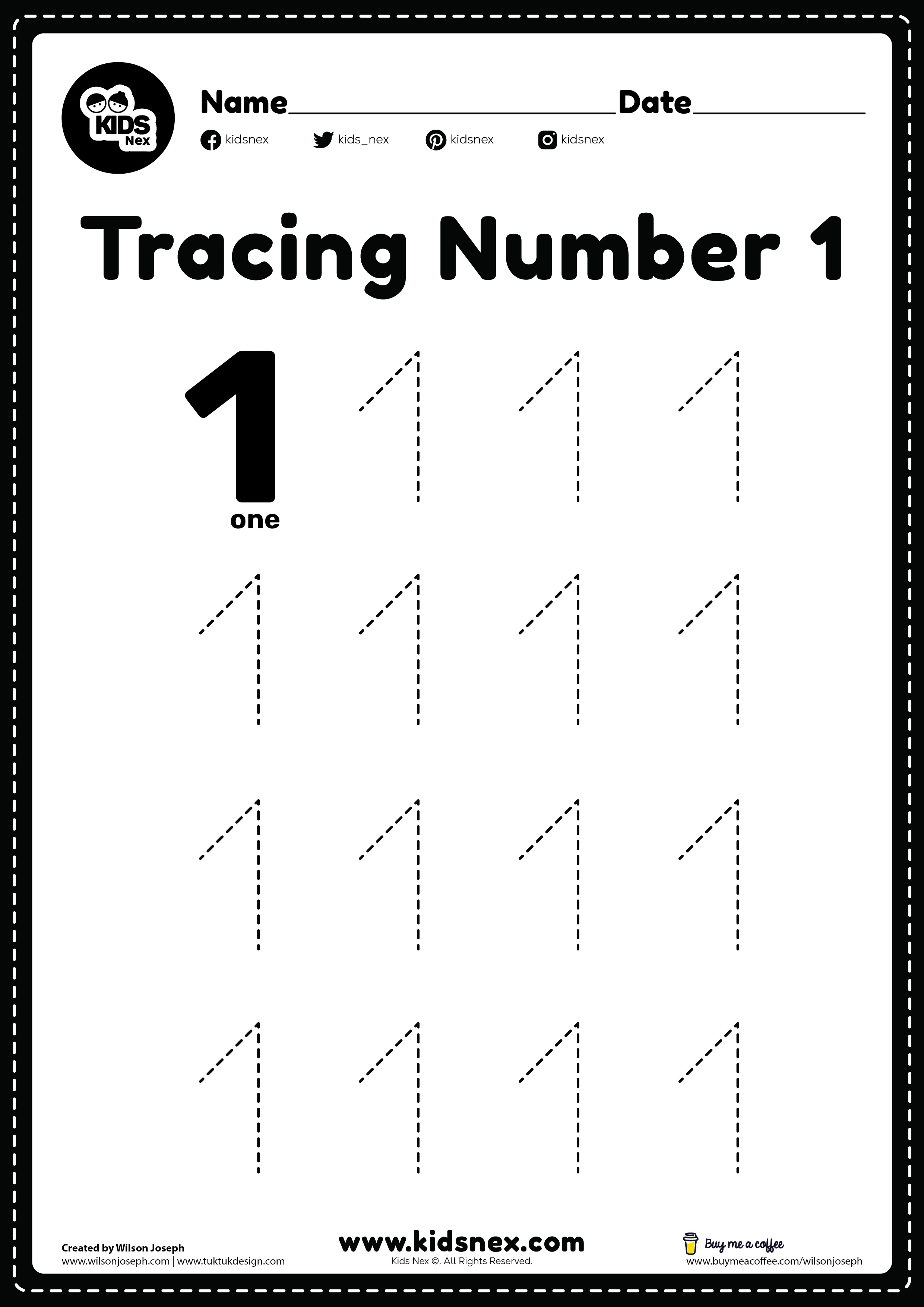
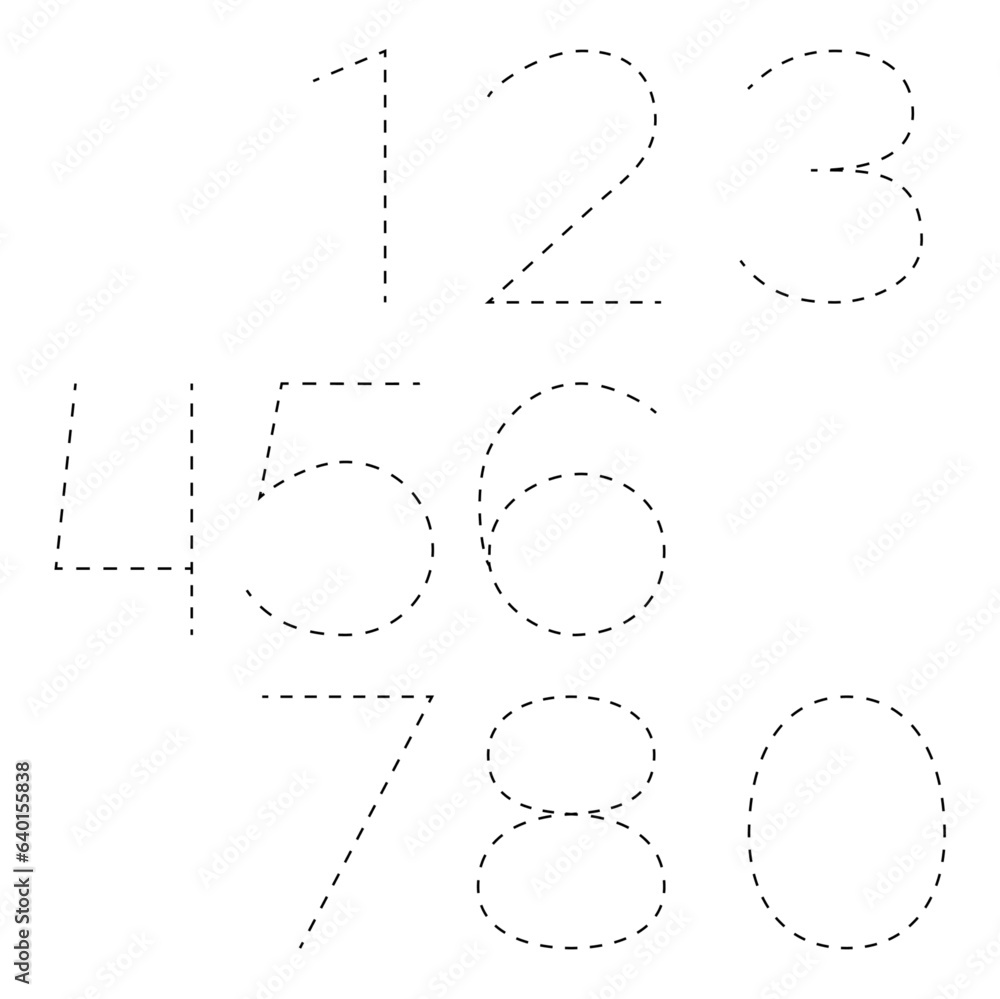
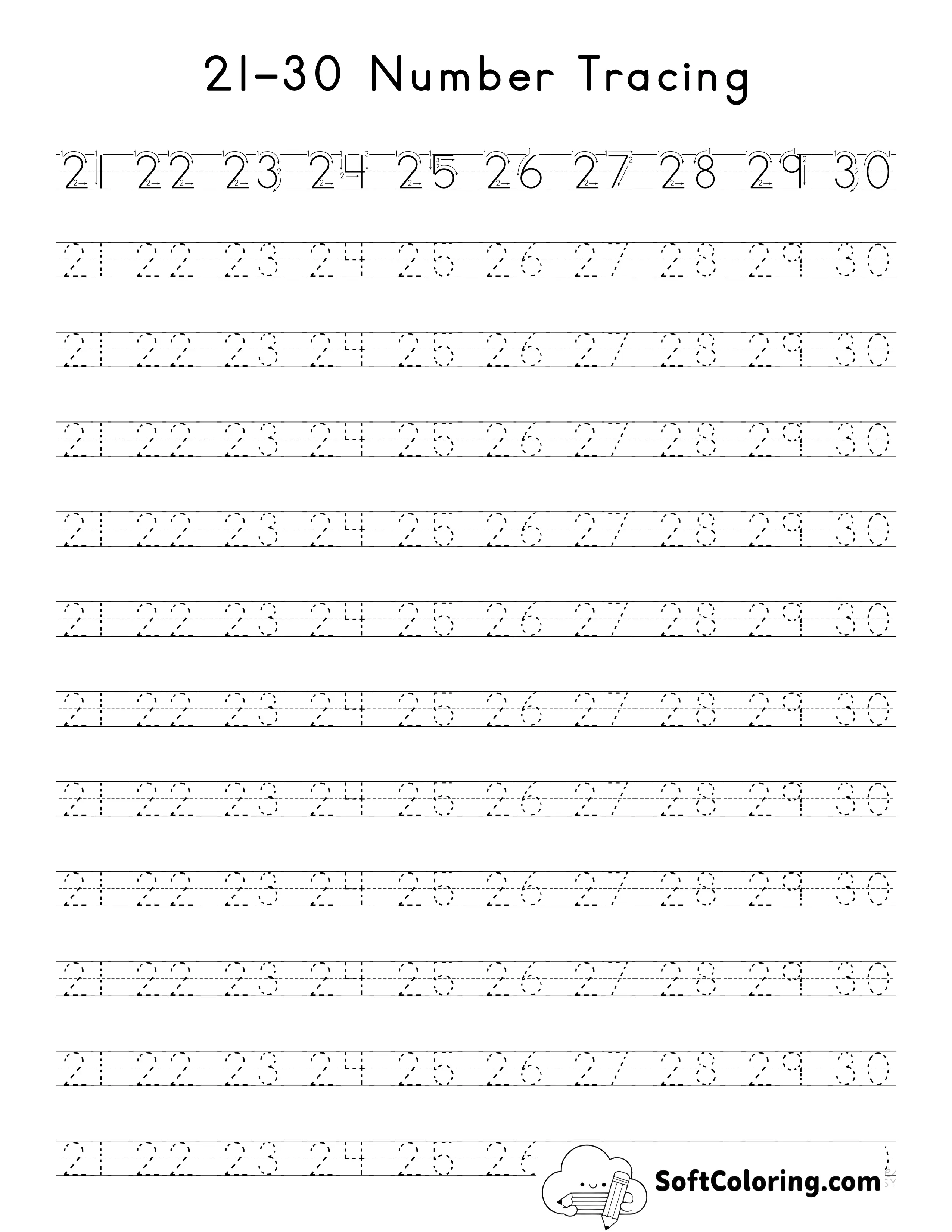
Guiding young learners through early mathematics and pre-writing demands clear visual markers that communicate where a pencil starts and stops. This specific worksheet provides explicit, sequential dots and directional arrows for numerals, transforming abstract math concepts into concrete motor memory. Every numeral is broken down into manageable stroke sequences, teaching children how to form loops, straight lines, and sharp angles without hand fatigue. Beyond basic counting, the layout emphasizes proper spatial awareness, ensuring numerals sit correctly on a writing baseline rather than floating aimlessly across the page. For more related activities, check out our Number Tracing 4 Yrs.
Key Learning Outcomes
Working consistently with these numeral sheets fosters exact stroke order, which prevents awkward pencil habits and sluggish writing speeds later in school. Children internalize numeral directionality, stopping the common tendency to draw numbers backward, such as reversing a three or a five. Hand-eye coordination improves rapidly as small fingers learn to decelerate and accelerate the pencil tip along precise dotted paths. Furthermore, visual-motor integration strengthens as learners translate what the eyes see into smooth, controlled finger movements across the page.
How to Use This Worksheet
Success with early writing depends heavily on environmental setup and emotional encouragement during practice sessions. Adults should introduce the sheet on a flat, stable surface where both feet rest flat on the floor to provide core stability for the shoulder girdle and arm. It sounds simple, and that is the point: physical stability directly influences fine motor dexterity. Offering short, five-minute sessions keeps frustration low and enthusiasm high, preventing hand cramping and preserving the natural joy of discovery.
Practical Tips for Parents and Teachers
Here is what makes this worksheet different: it supports scaffolding through tactile engagement before the pencil ever touches the paper. Adults can encourage children to trace the dotted numbers first using an index finger or a textured marker, reinforcing muscle memory without the pressure of graphite. When transitioning to a writing utensil, monitor for an adaptive grasp that allows free finger movement, such as a tripod or modified quadrapod grip. Teachers and parents should sit alongside the child to model correct starting points out loud, chanting directional cues like “start at the top, curve around, and stop.” If a child struggles with continuous strokes, celebrate small victories by focusing on mastering just one single numeral per day rather than demanding an entire page at once.
Age-Appropriate Recommendations
For toddlers and preschoolers ages two through four, practice should center on gross motor numeral exposure, finger-tracing oversized examples, and building foundational hand strength through clay or sensory play, aligning with NAEYC Developmentally Appropriate Practice. During these early years, physical readiness outweighs clean pencil output. As children progress into kindergarten and early elementary school ages five through eight, expectations shift toward refined pencil control, proper line orientation, and accurate stroke sequences as outlined in Handwriting Without Tears guidelines. Exploring additional resources within Tracing Number collections helps sustain this vital developmental momentum across different age brackets.
Proficiency in early numeral and letter formation relies heavily on visual-motor integration and sustained postural control during preschool years. — American Occupational Therapy Association
Frequently Asked Questions
Understanding how to implement these printables effectively ensures a positive, frustration-free experience for both adults and young learners. Reviewing common questions helps clarify printing steps, developmental benefits, and trusted educational frameworks that guide early childhood handwriting instruction.
Explore More Free Printable Tracing Worksheets
Supporting a well-rounded pre-writing curriculum requires access to diverse, engaging practice materials that grow alongside the child. Educators and families can discover a vast array of resources designed to build pencil control, letter formation, and spatial awareness by browsing the full library at KidTraces.com. Whether transitioning from basic shapes into structured alphabet paths found in Dotted Letters For Tracing or refining hand-eye coordination through Fine Motor and Pre-Writing Skills activities, every tool is crafted to make learning joyful and developmentally sound.
Quick Wiring Specifications & Terminal Guide
| Component / Circuit | Standard Wire Gauge | Recommended Protection |
|---|---|---|
| Control & Trigger Signals | 18 – 20 AWG | 5A – 7.5A Inline Fuse |
| Standard Auxiliary Load | 14 – 16 AWG | 15A – 20A Circuit Breaker |
| Main Power Feed / Supply | 10 – 12 AWG | 30A – 40A Heavy-Duty Relay |
Images References