Introduction
Many children recognize letters and numerals long before their fine motor skills can actually form them on paper. According to the National Association for the Education of Young Children, young children learn best through active, hands-on exploration that connects cognitive understanding with physical movement. This developmental gap between visual recognition and hand control often frustrates early learners when pencil meets paper. Digital-inspired printables bridge that exact gap by translating familiar visual cues into structured handwriting practice. Integrating the abcya tracing numbers approach gives children a reliable framework to build numeral formation, pencil control, and spatial awareness simultaneously. Guided tracing exercises transform abstract mathematical symbols into tactile experiences, helping little hands internalize the correct stroke order and directional flow required for legible writing.
💡 Educational Key Takeaways:
- Core Skill: Structured Abcya Tracing Numbers focused on developing pencil grip, stroke control, and early literacy/math confidence.
- Target Scope: Suited for homeschoolers, preschool, kindergarten, and elementary learners.
- Best Recommendation: Practice 10–15 minutes daily with ergonomic writing tools to reinforce muscle memory without hand fatigue.
What This Worksheet Covers
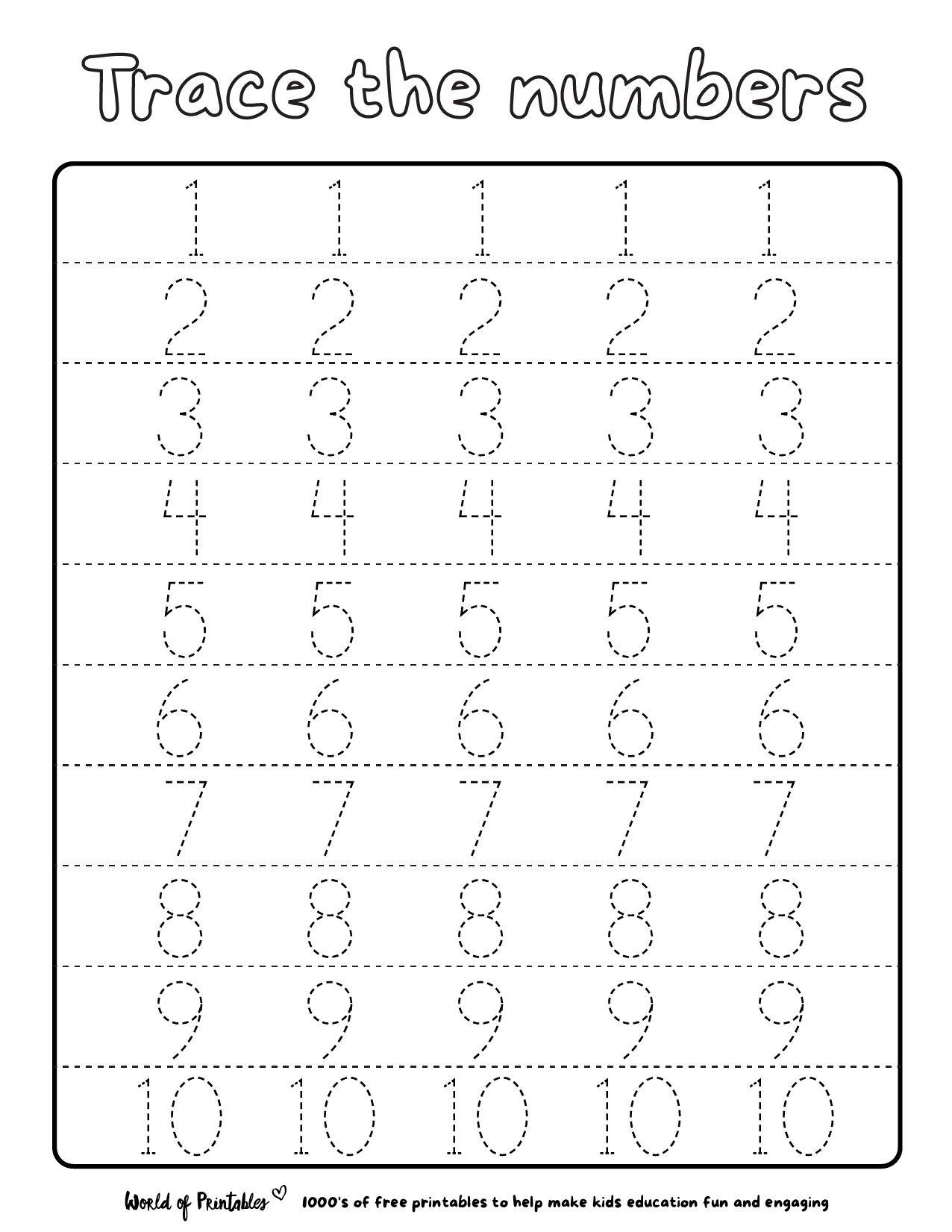
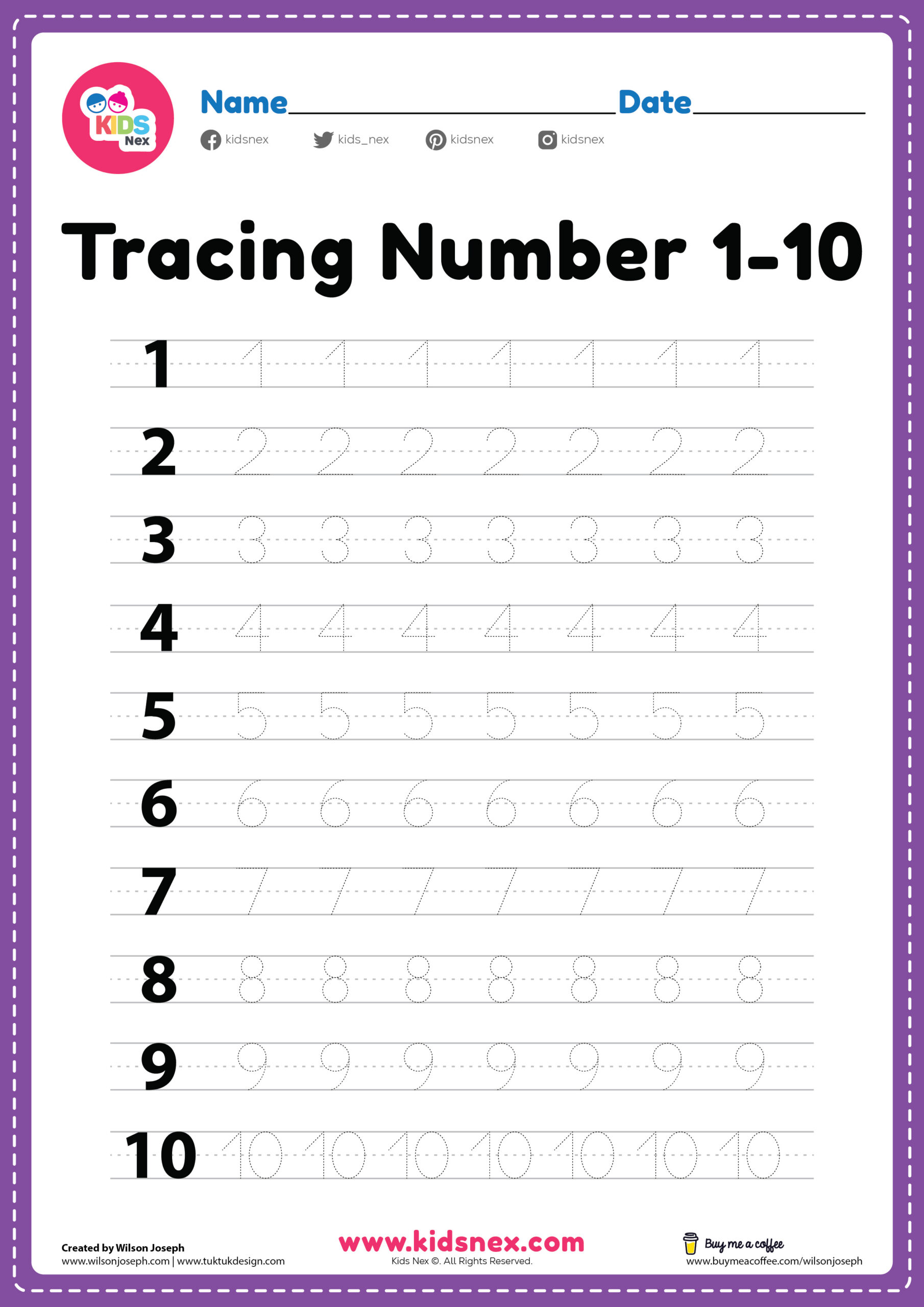
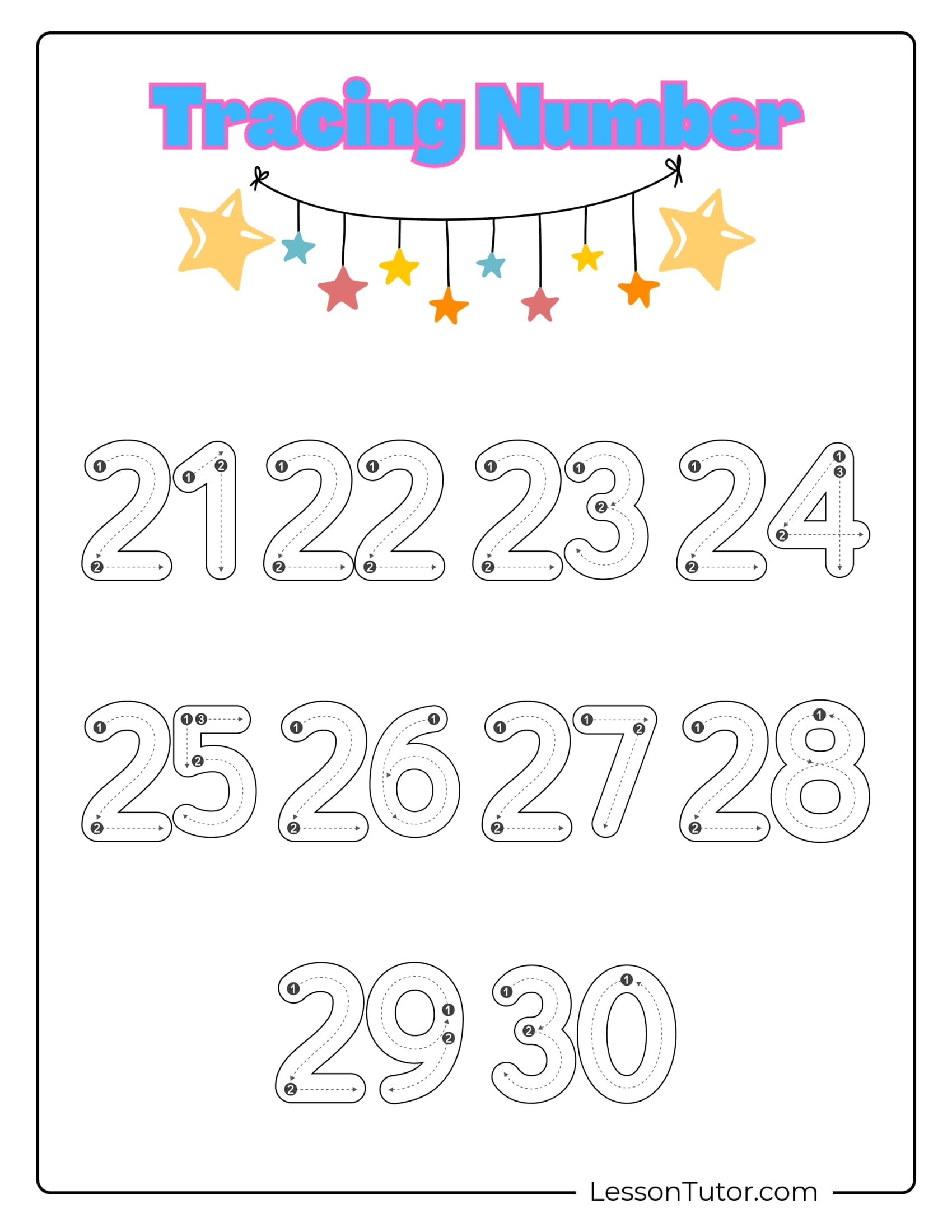
Mastering numerals requires more than just connecting dots on a page. Numeral formation involves complex spatial planning, continuous stroke direction, and steady fine motor control that differs significantly from letter formation. When children practice with structured tracing sheets, they encounter numerals from zero through nine presented in clear, oversized formats with explicit starting points. Each number features directional arrows and dotted pathways that teach children where to place the writing utensil and how to move it without losing control. This systematic presentation prevents bad habits, such as starting a numeral from the bottom or lifting the pencil inappropriately mid-stroke. Alongside numeral practice, these printables reinforce early number sense and counting comprehension, merging mathematical literacy with foundational writing mechanics in a single, cohesive activity.
Key Learning Outcomes
Structured numeral practice yields measurable growth across several developmental domains. Children develop consistent stroke order, learning to form numerals with reliable top-to-bottom and left-to-right movements. Fine motor control improves visibly as little fingers learn to apply steady pressure while navigating curves, loops, and straight lines. Hand-eye coordination strengthens as visual tracking guides the writing utensil along the precise dotted pathways. Spatial awareness expands because children must respect boundary lines and understand the proportional relationship between different numbers. Finally, muscle memory takes root, allowing learners to eventually reproduce numerals automatically without needing constant visual guidance.
How to Use This Worksheet
Successful integration of handwriting sheets depends entirely on creating a low-stress, supportive environment. Printing the sheets on slightly heavier cardstock prevents tearing from enthusiastic pencil pressure and allows for repeated practice when slipped inside dry-erase pockets. Children should sit at a properly sized table with feet flat on the floor, establishing a stable core base that supports upper body and arm movement. Encouraging a functional tripod grasp prevents early hand fatigue, though occasional transitional grips remain completely normal for younger learners. Adults should sit beside the child to offer verbal encouragement and gentle redirection rather than taking over the writing utensil. Pairing these printable pages with tactile elements, such as tracing numerals in a shallow tray of sand before putting pencil to paper, deepens sensory integration and solidifies the motor plan.
Practical Tips for Parents and Teachers
Adults play a crucial coaching role during early writing sessions. Modeling the correct stroke formation on a separate whiteboard before the child begins provides a clear visual demonstration of where to start and where to stop. Scaffolding the activity helps maintain engagement; younger children might trace only the first row of numerals, while older children complete the entire page independently. Breaking practice into short, five-minute sessions prevents cognitive overload and protects developing hand muscles from cramping. According to the American Occupational Therapy Association, short, frequent bouts of fine motor activity yield better skill retention than long, exhausting practice blocks. Celebrating small victories, such as a smooth curve on the number three or a straight vertical line on the number one, builds intrinsic motivation and keeps learners eager for the next session.
Age-Appropriate Recommendations
Aligning expectations with developmental readiness ensures positive learning experiences. For children ages two to four, the focus centers on gross motor preparation, sensory exploration, and basic pre-writing strokes as outlined in the CDC developmental milestones for early childhood. At this stage, expecting perfect numeral formation is developmentally inappropriate; instead, adults should encourage scribbling, tracing large finger mazes, and exploring thick crayons. Children ages five to eight transition into formal handwriting instruction, where structured tracing printables become invaluable tools for refining pencil grip, stroke consistency, and spacing. During these early elementary years, consistent practice with numbers helps solidify numerical literacy and prepares students for more advanced mathematical computations and independent writing tasks.
Short, frequent fine motor practice blocks yield significantly better skill retention and reduce hand fatigue in young learners. — American Occupational Therapy Association
Frequently Asked Questions
Navigating early writing resources is straightforward when clear answers are readily available.
Explore More Free Printable Tracing Worksheets
Expanding a child’s writing toolkit goes beyond numerals alone. Exploring diverse categories helps maintain high engagement and targets specific fine motor milestones. For early literacy development, the Alphabet And Numbers Tracing collection offers seamless progression from letters to math symbols. To build precise pencil control, children benefit greatly from the Fine Motor and Pre-Writing Skills exercises. Young learners needing focused letter work will love the resources found in Dotted Letters For Tracing. To build foundational hand control before letters and numbers, explore the structured strokes in Shape and Line Tracing. Discover these tools and the complete library at KidTraces.com to support every stage of early childhood development.
Developmental Milestone & Activity Table
| Development Stage | Recommended Daily Duration | Primary Learning Objective |
|---|---|---|
| Preschool & Pre-K | 10 – 15 Minutes | Pencil grip development & basic pre-stroke lines |
| Kindergarten | 15 – 20 Minutes | Letter/number formation & spatial line awareness |
| Early Elementary (Grade 1–2) | 20 – 30 Minutes | Fluency, sentence construction & neatness |
Images References