Introduction
Many young children recognize letters and numbers long before their fine motor control allows them to form those same symbols on paper. According to the National Association for the Education of Young Children (NAEYC), meaningful early literacy experiences should focus on developmentally appropriate practices that integrate physical skill with cognitive understanding. Years spent in classrooms and therapy clinics reveal a common theme: little hands eager to write often face frustration when pencil control lags behind brilliant minds. Bridging this gap requires purposeful practice that respects physical development while engaging curiosity. The free printable tracing numbers and letters provides an accessible, structured pathway for children to master stroke order, directionality, and spatial awareness without the pressure of a blank page. It sounds simple, and that’s the point.
💡 Educational Key Takeaways:
- Core Skill: Structured Tracing Numbers And Letters focused on developing pencil grip, stroke control, and early literacy/math confidence.
- Target Scope: Suited for homeschoolers, preschool, kindergarten, and elementary learners.
- Best Recommendation: Practice 10–15 minutes daily with ergonomic writing tools to reinforce muscle memory without hand fatigue.
What This Worksheet Covers
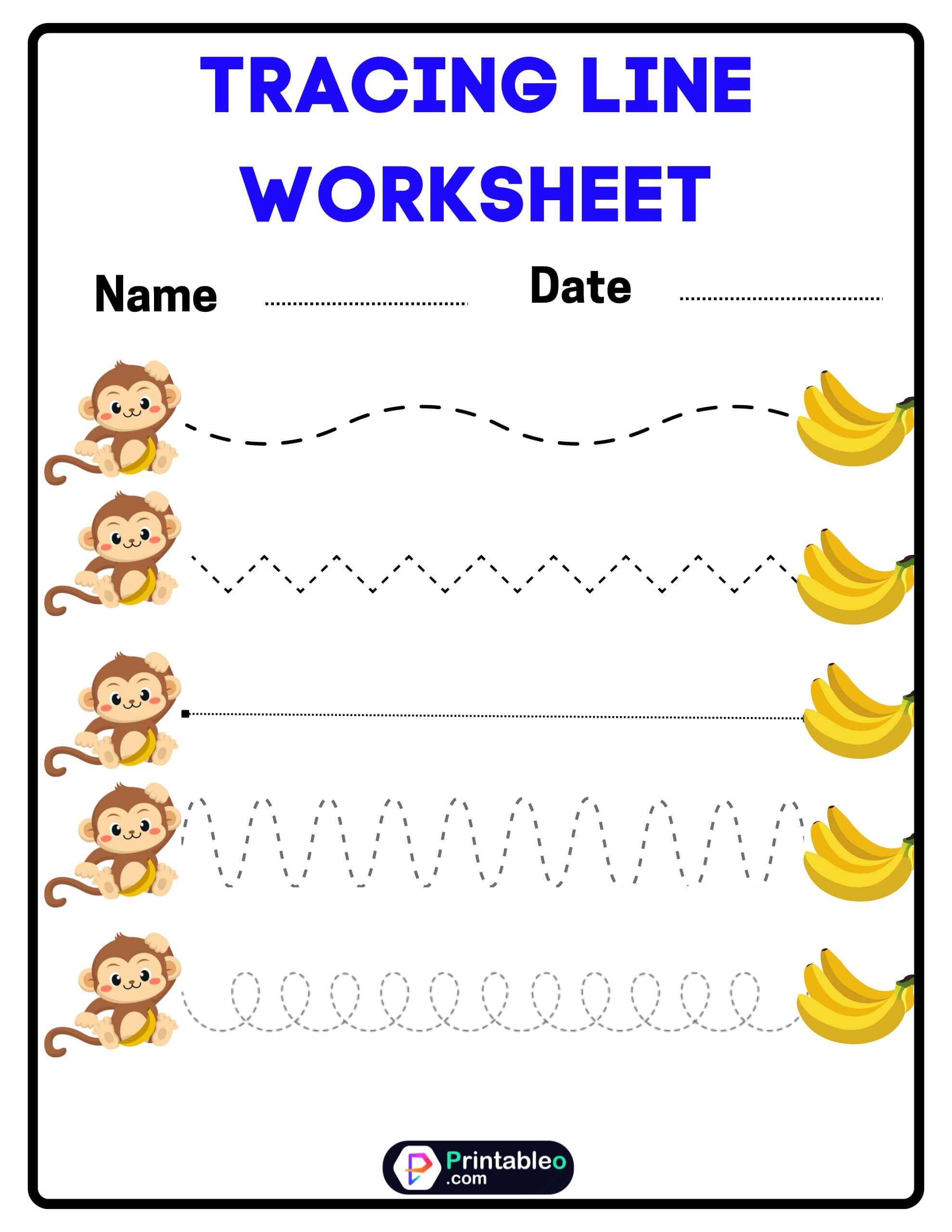
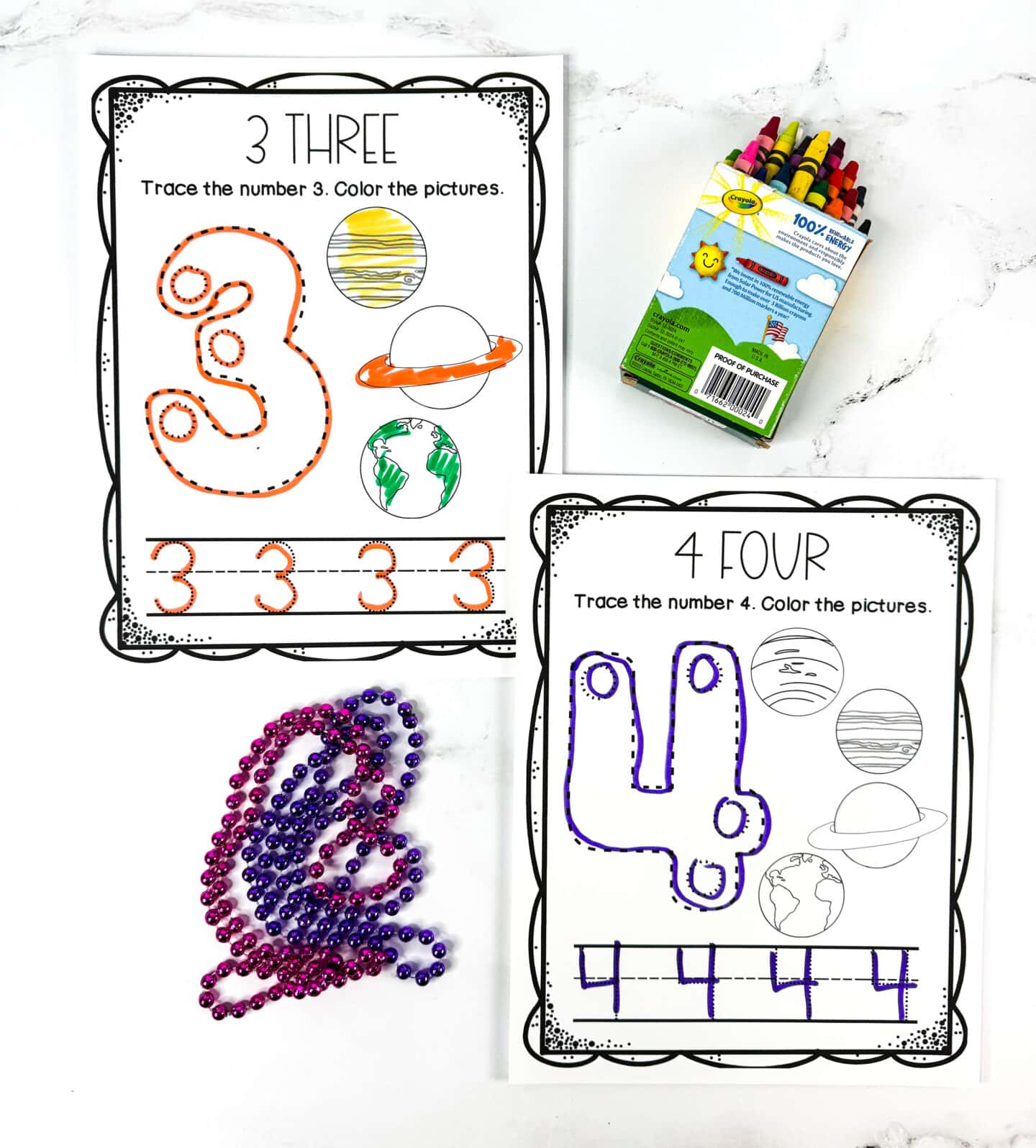
Mastering handwriting goes far beyond simply memorizing the alphabet or counting sequences. This targeted resource focuses on the foundational mechanics of pencil control, proper formation pathways, and continuous line fluency. Every element on the page is intentionally designed to guide the hand from a designated starting point through a continuous, fluid motion. Children encounter carefully mapped dotted guides for both numerals and alphabetic characters, which support muscle memory and reinforce correct stroke sequencing from the very first mark. For more related activities, check out our Numbers To Trace With Animals.
Key Learning Outcomes
Working through these guided exercises fosters precise visual-motor integration as little eyes track the pencil tip and little hands adjust pressure on the paper. Learners build essential finger dexterity and intrinsic hand muscle strength, which transforms an awkward fist grasp into an efficient tripod grip over time. Consistent practice also anchors directional habits, ensuring that letters and numbers start at the top and move downward or left to right rather than being drawn backwards. Furthermore, repeated exposure to these structured symbols accelerates cognitive recognition, laying vital groundwork for early literacy and mathematical fluency.
How to Use This Worksheet
Implementation works best when adults prioritize quality over quantity. Instead of assigning entire pages at once, setting a timer for five focused minutes prevents hand fatigue and maintains enthusiasm. Placing the sheet inside a heavy-duty plastic sleeve and using dry-erase markers adds a playful, low-stakes element where mistakes wipe away effortlessly. According to the American Occupational Therapy Association (AOTA), multi-sensory approaches significantly enhance a child’s ability to internalize motor patterns and retain new concepts.
Practical Tips for Parents and Teachers
Adults play a powerful role as facilitators of early writing success through mindful modeling and gentle scaffolding. Demonstrating the correct starting point with an exaggerated verbal cue like “start at the sky and dive down” gives young learners a mental map to follow. Providing broken crayons, golf pencils, or short markers naturally encourages an efficient three-finger grasp by preventing fingers from wrapping too far down the shaft. Observing the child closely helps determine when to step back and allow independent tracing or when to offer hand-over-hand assistance for tricky curves and sharp corners.
Age-Appropriate Recommendations
Developmental readiness dictates how children interact with tracing materials across different stages of early childhood. For toddlers and preschoolers aged two to four, alignment with the Head Start Early Learning Outcomes Framework emphasizes large pre-writing strokes, vertical lines, and horizontal crosses using thick writing utensils. Children aged five to eight transition smoothly into precise letter and numeral formation, aligning with academic standards where proportional sizing, line orientation, and spacing become primary objectives.
Handwriting readiness heavily relies on core stability, shoulder strength, and bilateral coordination before isolated finger movements can occur. — American Occupational Therapy Association (AOTA)
Frequently Asked Questions
Clear answers help caregivers maximize the benefits of daily writing practice.
Explore More Free Printable Tracing Worksheets
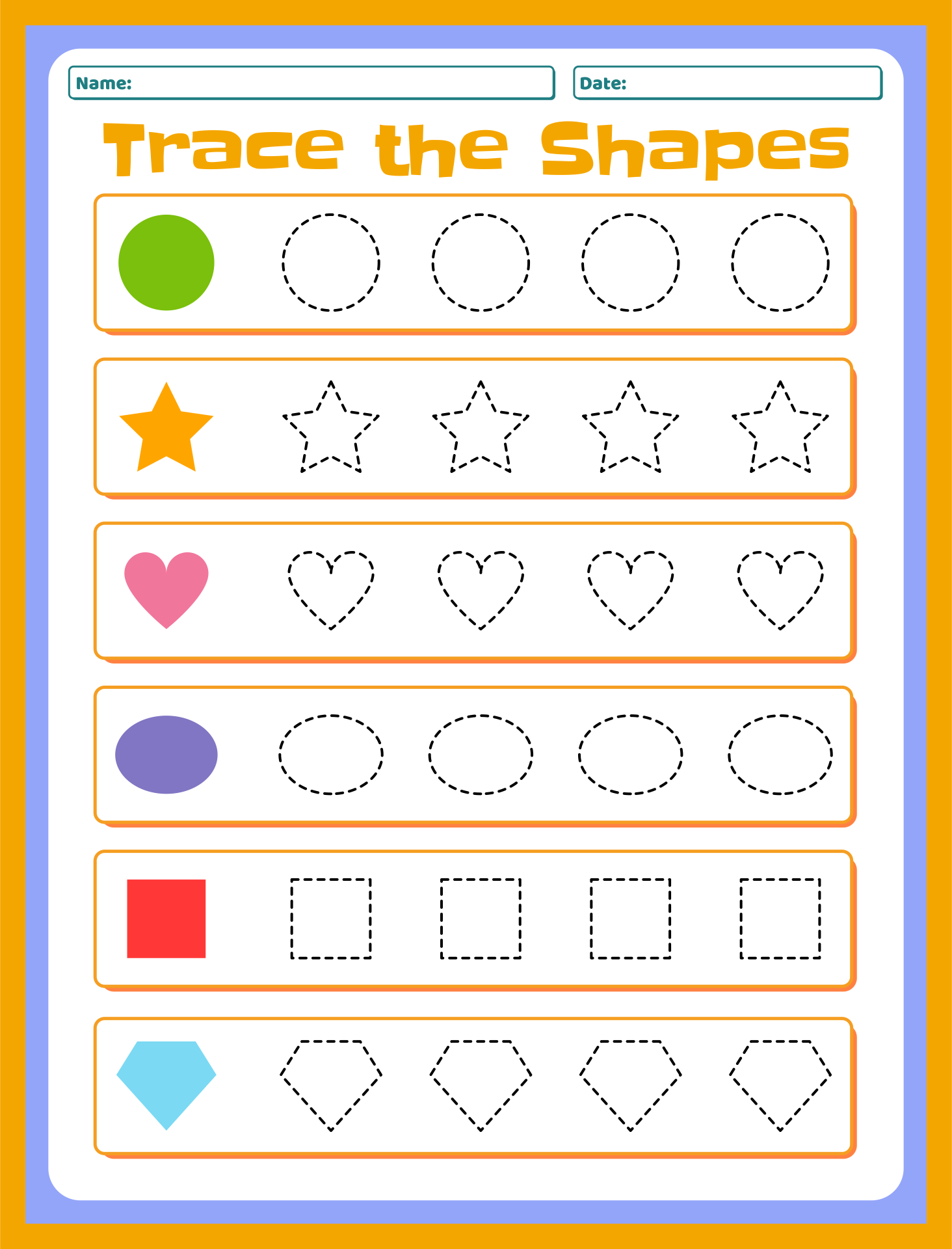
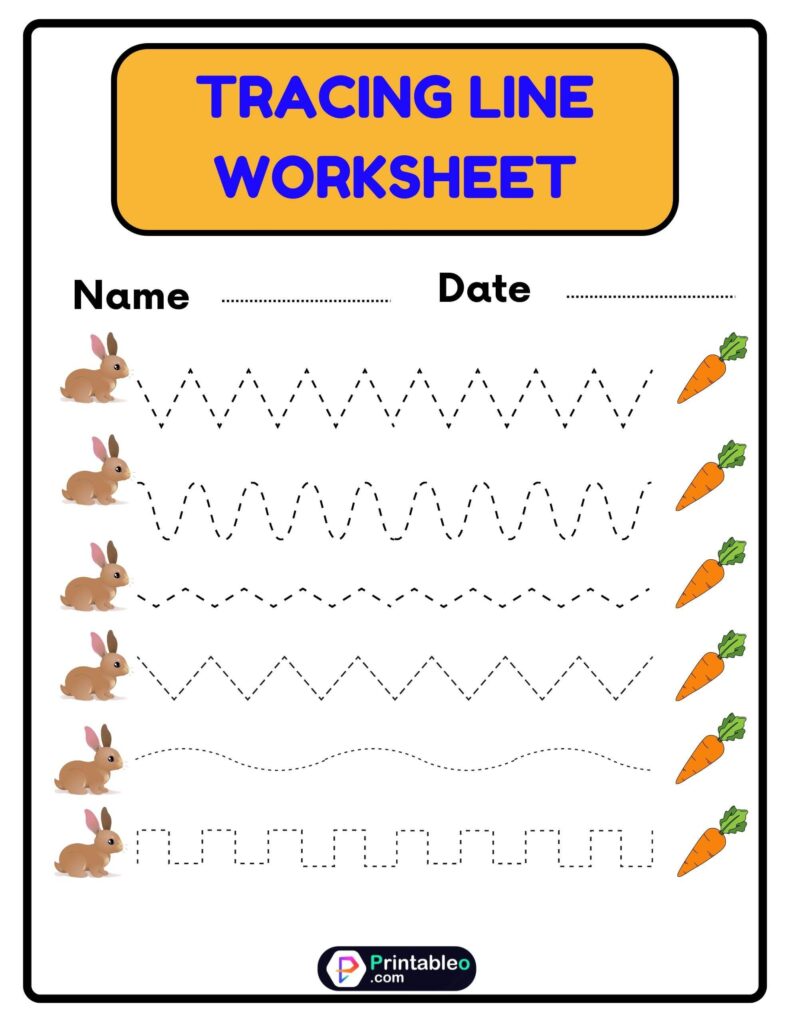
Supporting a child’s journey toward confident writing involves exploring diverse exercises tailored to every developmental milestone. Additional resources spanning Alphabet And Numbers Tracing and Dotted Letters For Tracing offer endless opportunities for targeted practice. Developing hand strength and pencil control also benefits greatly from specialized Fine Motor and Pre-Writing Skills activities as well as foundational Shape and Line Tracing pages. Educators and parents seeking specific numeral practice can utilize dedicated Tracing Number sheets, while literacy goals are supported through targeted Word and Name Tracing exercises. Seasonal engagement keeps learners motivated year-round with fun Seasonal and Fun Themes, and everyday resources can be found across the wider Tracing Worksheets and General Kidtraces collections. Discover the complete library of tools waiting at KidTraces.com to support every stage of development.
Developmental Milestone & Activity Table
| Development Stage | Recommended Daily Duration | Primary Learning Objective |
|---|---|---|
| Preschool & Pre-K | 10 – 15 Minutes | Pencil grip development & basic pre-stroke lines |
| Kindergarten | 15 – 20 Minutes | Letter/number formation & spatial line awareness |
| Early Elementary (Grade 1–2) | 20 – 30 Minutes | Fluency, sentence construction & neatness |
Images References