Introduction
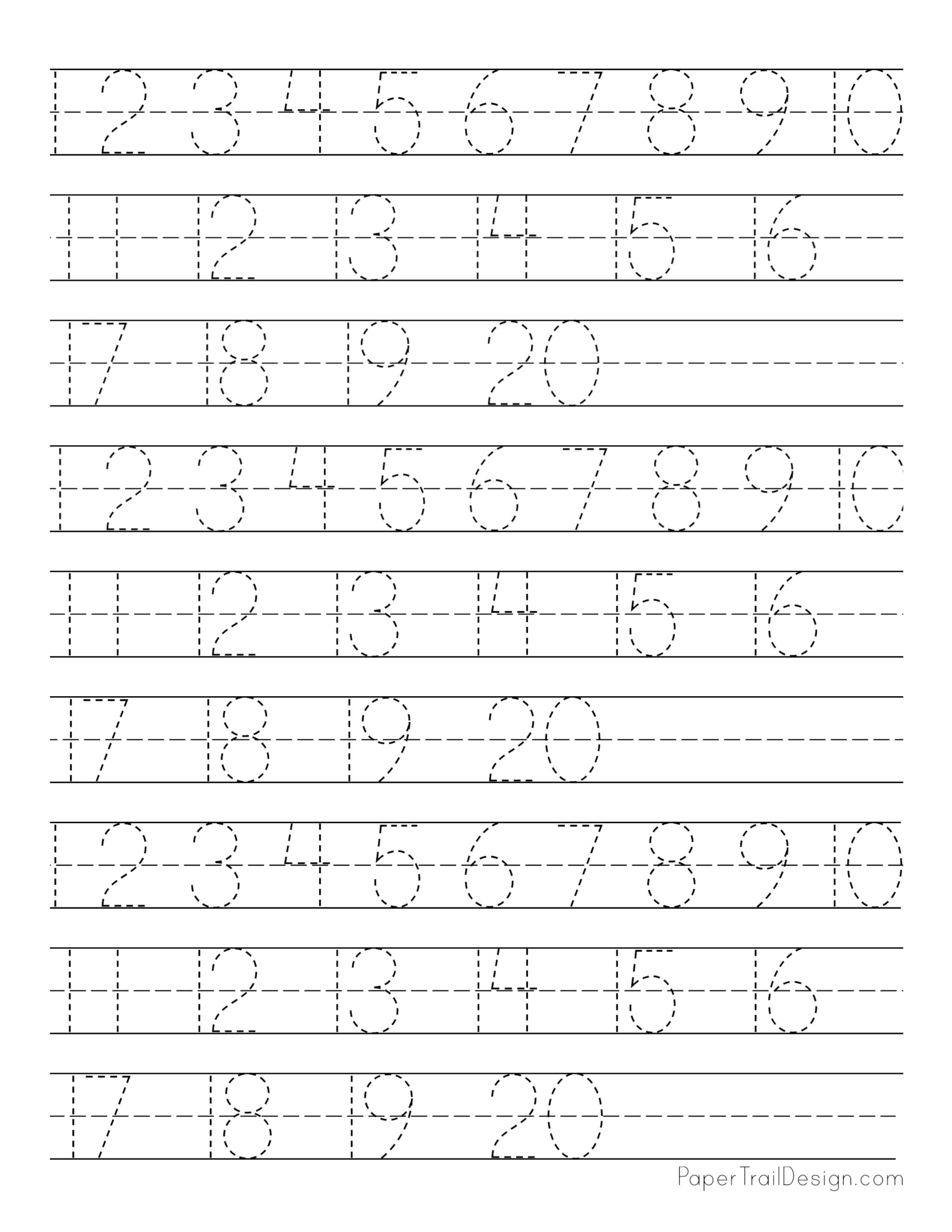
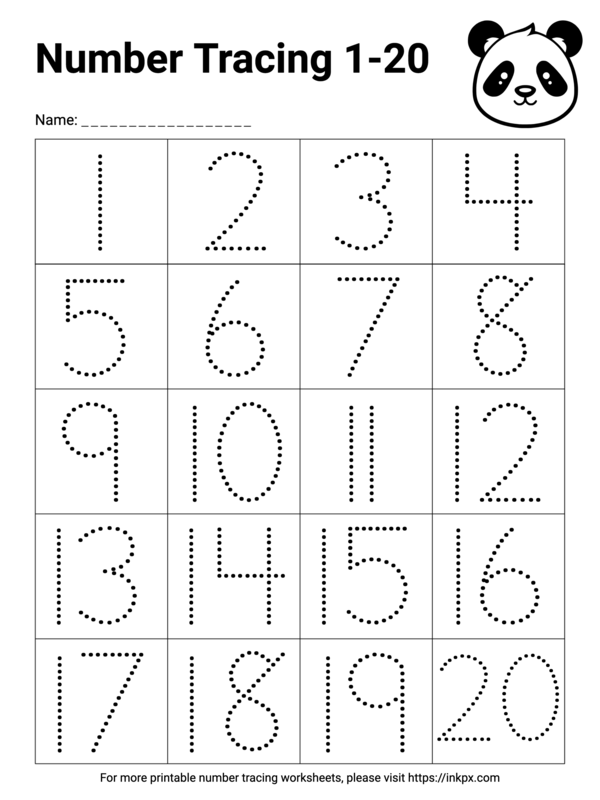
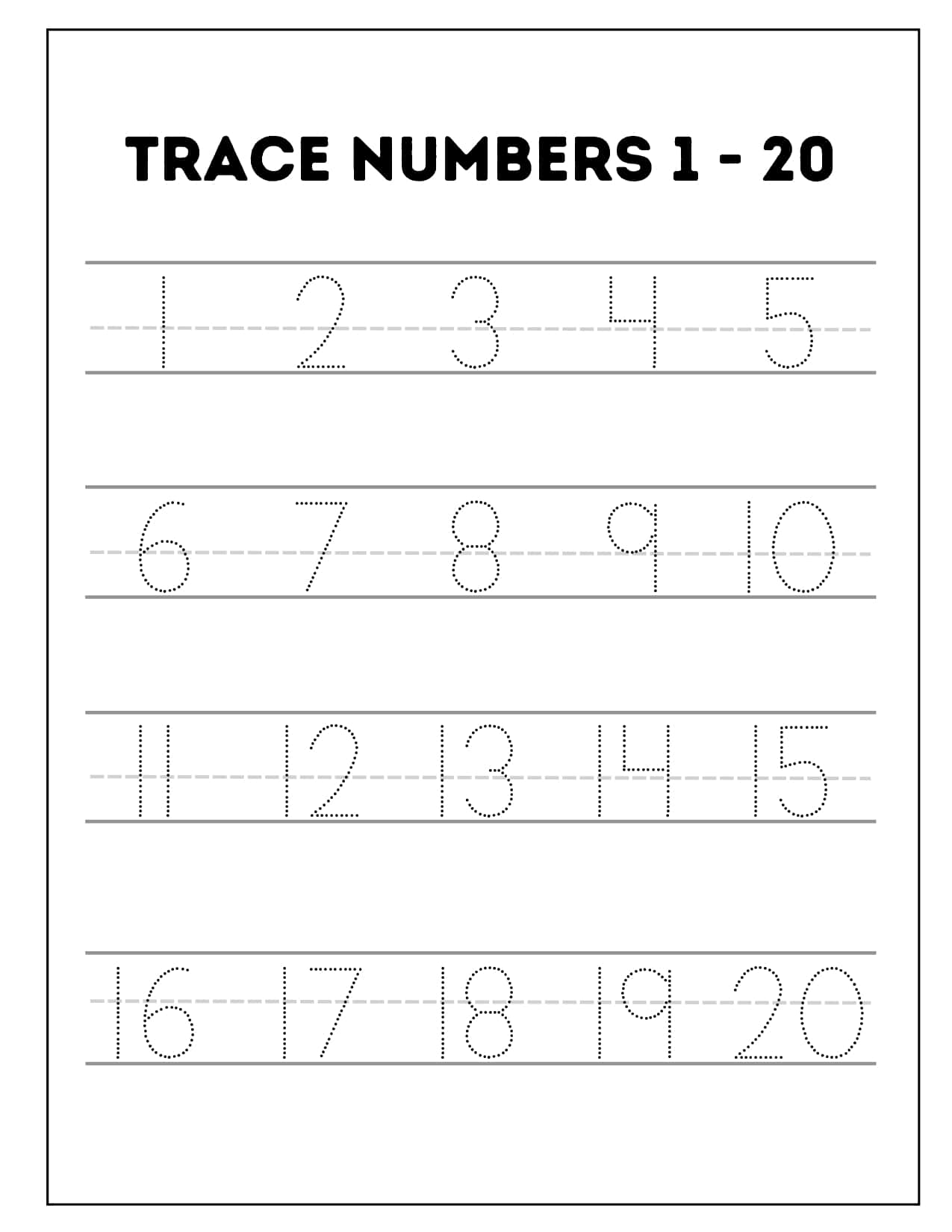
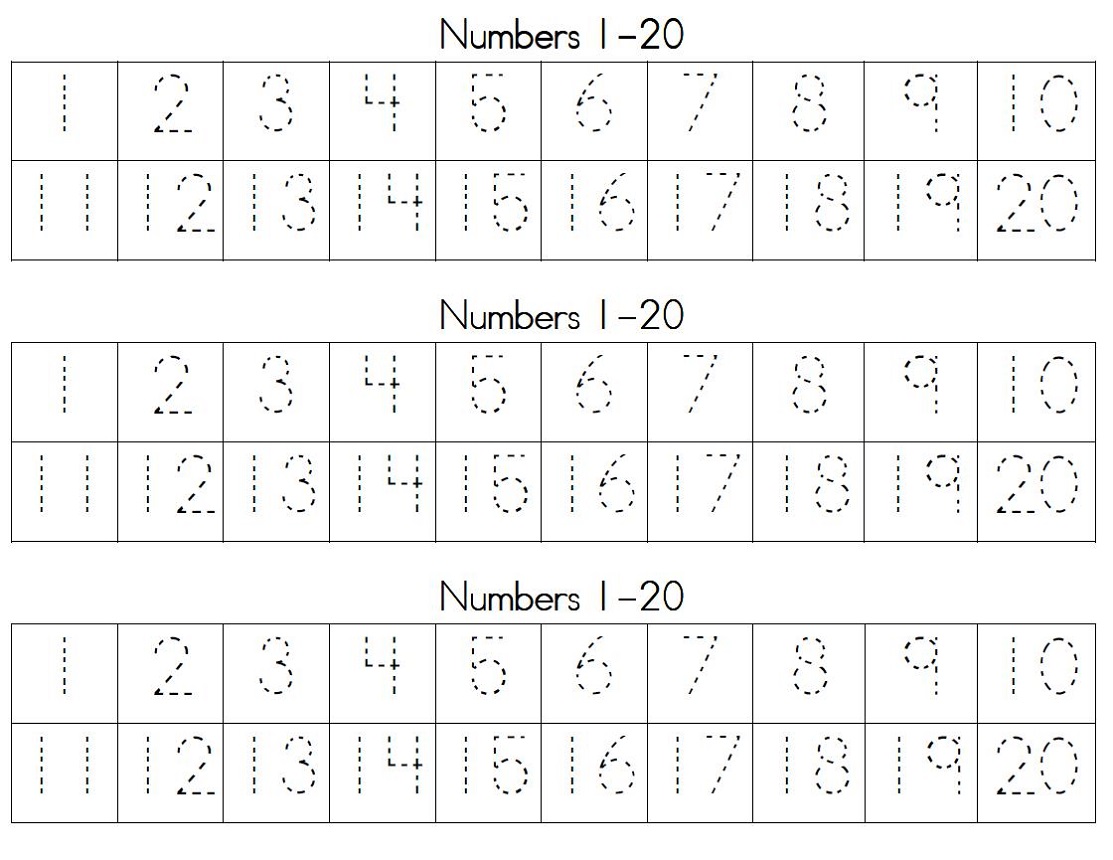
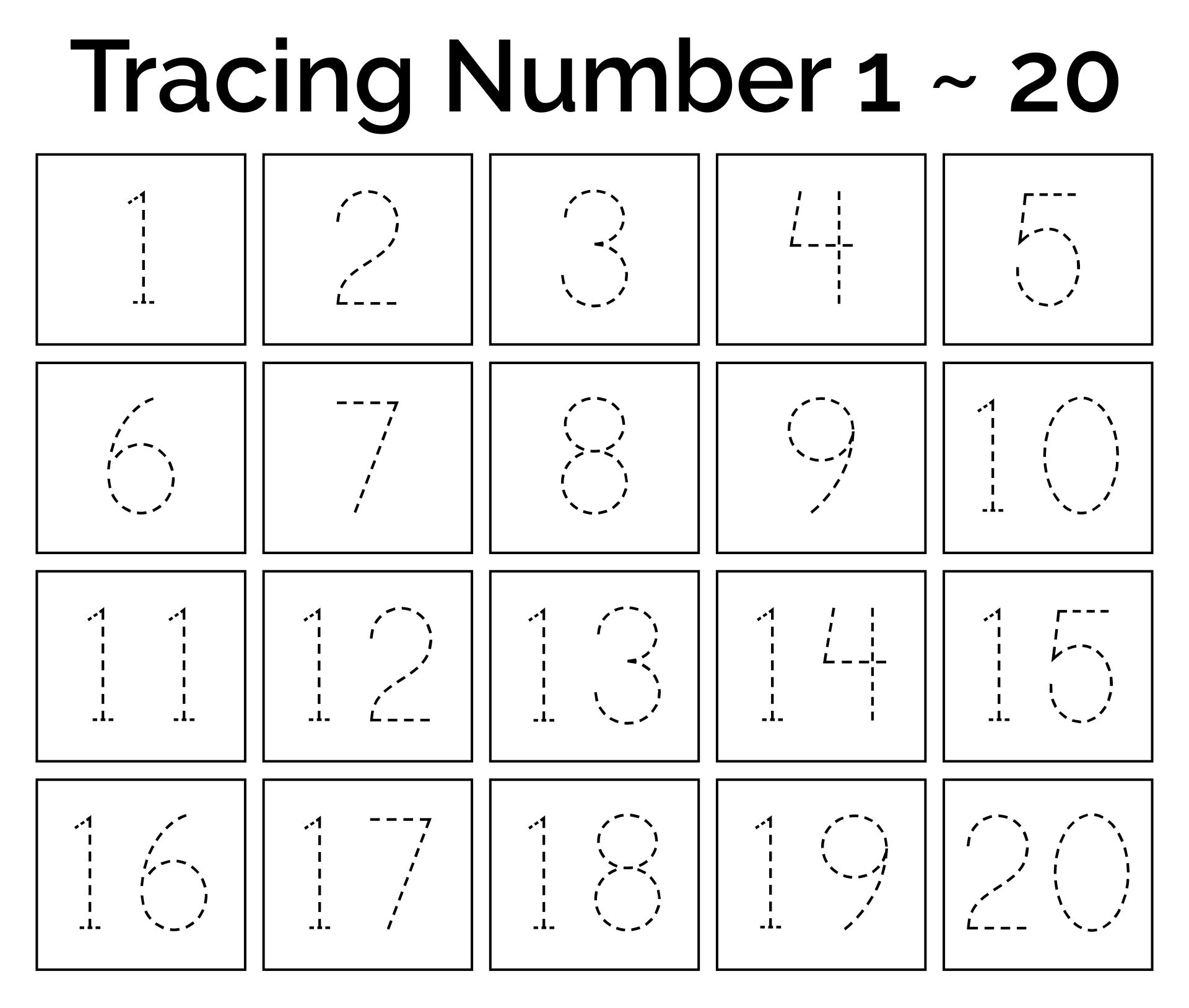
Many children recognize numerals and letters long before their fine motor skills possess the strength and coordination to form them on paper. According to the American Occupational Therapy Association, foundational fine motor control and bilateral hand coordination are essential prerequisites for functional academic participation, including handwriting. Young learners often possess a vivid conceptual grasp of counting up to twenty, yet translating that cognitive understanding into controlled pencil strokes remains a physical hurdle. Introducing structured numeral formation too early with rigid expectations frequently leads to hand fatigue and frustration. That is precisely why targeted practice resources play such a pivotal role in early education environments. The free trace numbers 1 20 printable provides a gentle, developmentally appropriate bridge between cognitive numeral recognition and physical writing fluency. Scaffolded tracing sheets remove the cognitive burden of remembering what a number looks like, allowing the developing hand to focus entirely on pressure management, directional stroke continuity, and spatial awareness.
💡 Technical Key Takeaways:
- Core Focus: Diagnostic schematic and terminal connection layout for Free Trace Numbers 1 20.
- Target Scope: Field technicians, automotive DIYers, and residential/commercial electricians.
- Safety Rule: Always disconnect the primary power source/battery terminal and verify zero voltage with a multimeter before touching wires.
What This Worksheet Covers
The layout of a quality numerical tracing sheet is intentionally structured to guide the hand through complex visual-motor sequences. Tracing individual digits requires children to execute distinct motor plans, transitioning seamlessly from continuous curved lines found in numerals like zero, six, and eight to precise diagonal and vertical strokes required for numerals like four, five, and seven. This specific resource takes learners on a progressive journey from the foundational simplicity of digit one all the way to the dual-digit complexity of twenty. Starting points are clearly established to encourage consistent directional habits, preventing the formation of awkward, inefficient motor habits that prove difficult to correct later. Furthermore, the progression reinforces numerical sequencing alongside spatial proportionality, teaching young writers how to manage sizing and alignment within a designated writing boundary. For more related activities, check out our Do 3 Year Ilds Rypicall Trace Numbers.
Key Learning Outcomes
Consistent engagement with these guided exercises yields measurable improvements across multiple developmental domains. Fine motor precision visibly sharpens as small intrinsic hand muscles learn to modulate downward pressure against the paper surface. Visual-motor integration improves markedly because the eyes must constantly guide the hand along precise dotted pathways. Stroke order internalization becomes second nature, establishing muscle memory that ultimately translates into faster, more legible handwriting without conscious effort. Additionally, number sense strengthens naturally as tactile movement through the numeral reinforces its symbolic value, seamlessly connecting visual representation with mathematical quantity.
How to Use This Worksheet
Success with numerical tracing depends heavily on the physical environment and the emotional tone set during practice sessions. Short, frequent sessions yield far better physiological adaptations than exhausting marathon writing drills that strain developing hand joints. Placing the paper on a flat, stable surface while ensuring feet rest flat on the floor promotes core stability, which directly supports proximal shoulder and arm control necessary for distal hand movements. Adults should actively observe pencil grasps, offering gentle redirection toward a functional tripod or quadripod grip rather than enforcing rigid perfection. It sounds simple, and that is the point: making the experience playful, low-stakes, and consistent builds both confidence and physical endurance.
Practical Tips for Parents and Teachers
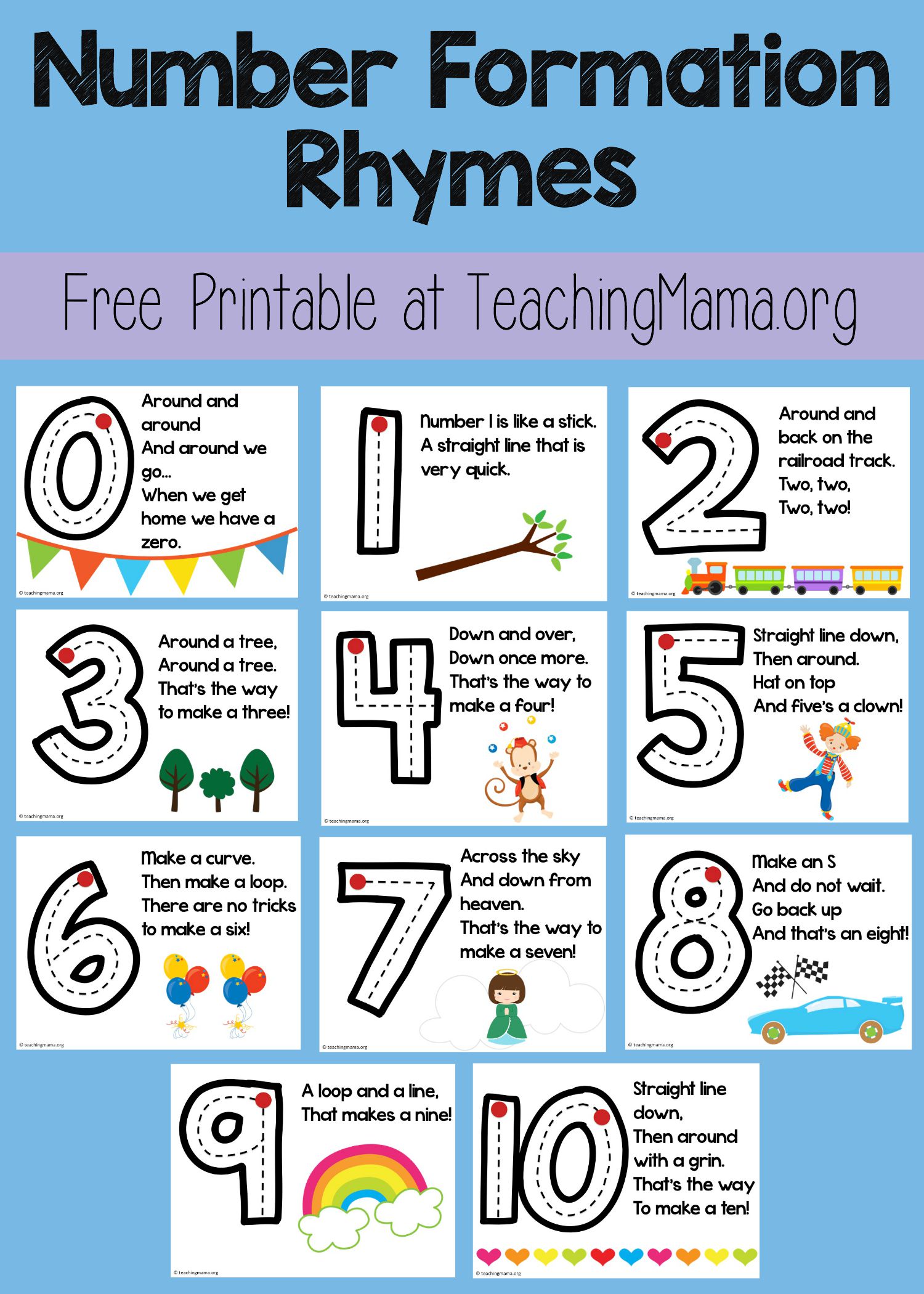
Here is what makes this practice approach different: sensory integration can radically accelerate motor learning when standard pencil-and-paper tasks stall. Before picking up a writing utensil, let children trace the giant numerals using a finger in a tray of salt, sand, or textured fabric to internalize the directional flow kinesthetically. When transitioning to pencils, model the correct starting point verbally by chanting cues like “start at the top and pull straight down.” Scaffolding the experience involves hand-over-hand assistance for early attempts, gradually fading support until the child initiates strokes independently. Celebrating small victories, such as a smoothly rounded curve on the number three or a straight diagonal stroke on the number seven, keeps intrinsic motivation high.
Age-Appropriate Recommendations
According to the National Association for the Education of Young Children guidelines on developmentally appropriate practice, children aged two to four benefit most from large-scale pre-writing experiences, sensory tracing, and exploring vertical surfaces like easels to build proximal shoulder stability. During these early years, expecting precise pencil control on small lines contradicts physical maturation realities. By ages five through eight, aligned with early elementary expectations, children possess the necessary hand-arch strength and visual discrimination to refine numeral formation on standard worksheets. Educators utilizing resources within Tracing Number categories find that matching the tool complexity to the child’s exact physical readiness stage prevents avoidance behaviors and fosters lifelong positive associations with writing.
Foundational fine motor control and bilateral hand coordination are essential prerequisites for functional academic participation and successful handwriting development. — American Occupational Therapy Association
Frequently Asked Questions
Navigating early handwriting instruction often brings up common logistical and developmental questions for educators and caregivers alike.
Explore More Free Printable Tracing Worksheets
Expanding a child’s early literacy and fine motor repertoire requires access to a diverse array of engaging, developmentally tailored practice materials. Beyond numerical fluency, young learners thrive when exploring Fine Motor and Pre-Writing Skills to build baseline hand strength before tackling complex symbol formation. Integrating thematic variety also keeps engagement exceptionally high throughout the school year, which is why resources found under Seasonal and Fun Themes remain perennial favorites in both classrooms and home learning environments. The entire collection of teacher-approved printables is available for exploration directly at KidTraces.com, offering endless opportunities to support every unique stage of childhood development.
Quick Wiring Specifications & Terminal Guide
| Component / Circuit | Standard Wire Gauge | Recommended Protection |
|---|---|---|
| Control & Trigger Signals | 18 – 20 AWG | 5A – 7.5A Inline Fuse |
| Standard Auxiliary Load | 14 – 16 AWG | 15A – 20A Circuit Breaker |
| Main Power Feed / Supply | 10 – 12 AWG | 30A – 40A Heavy-Duty Relay |
Images References