Introduction
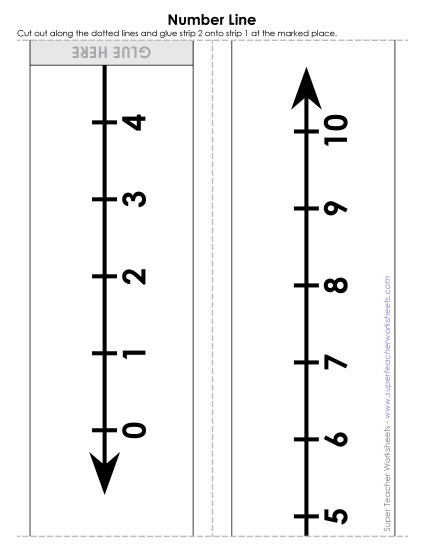
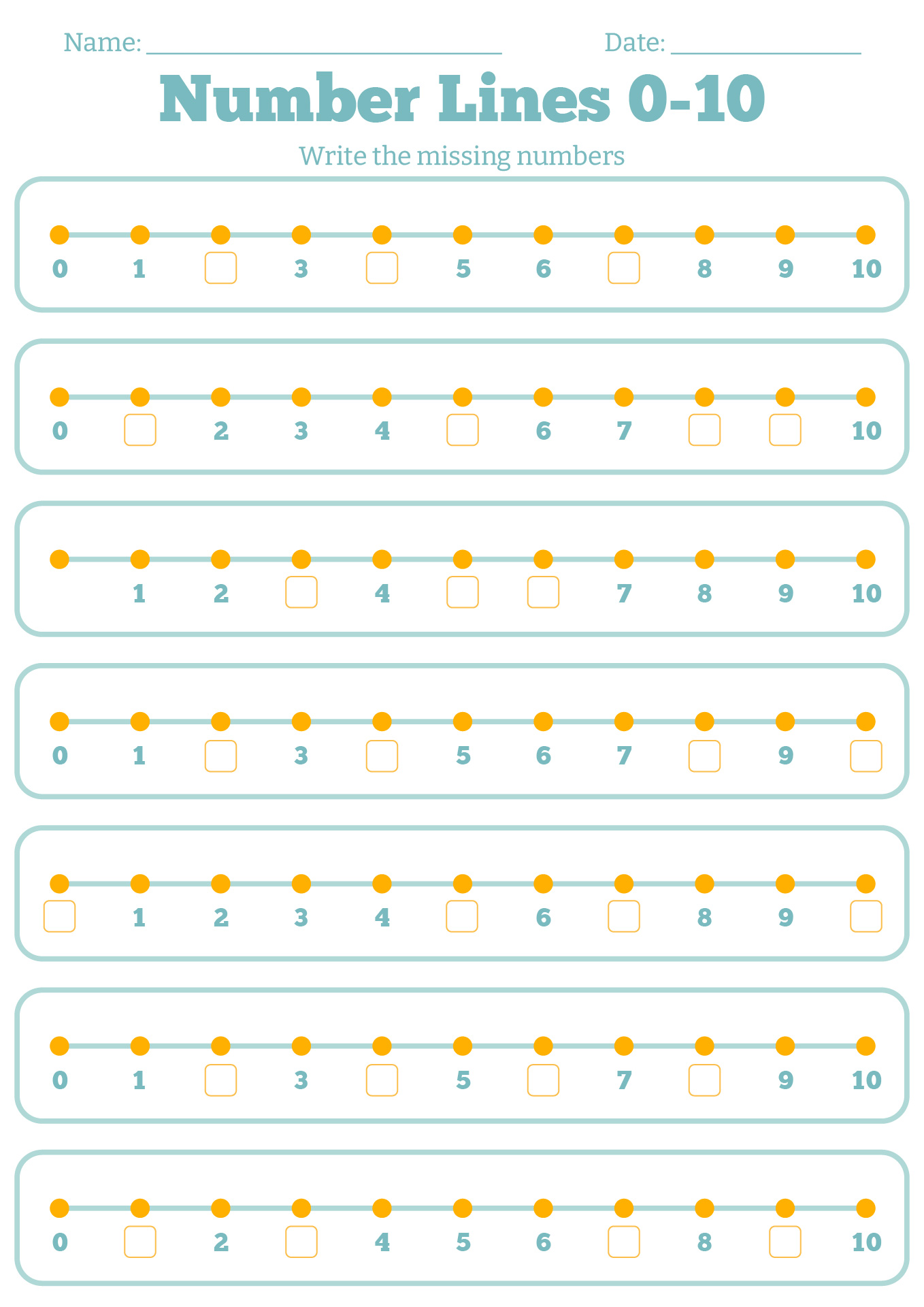
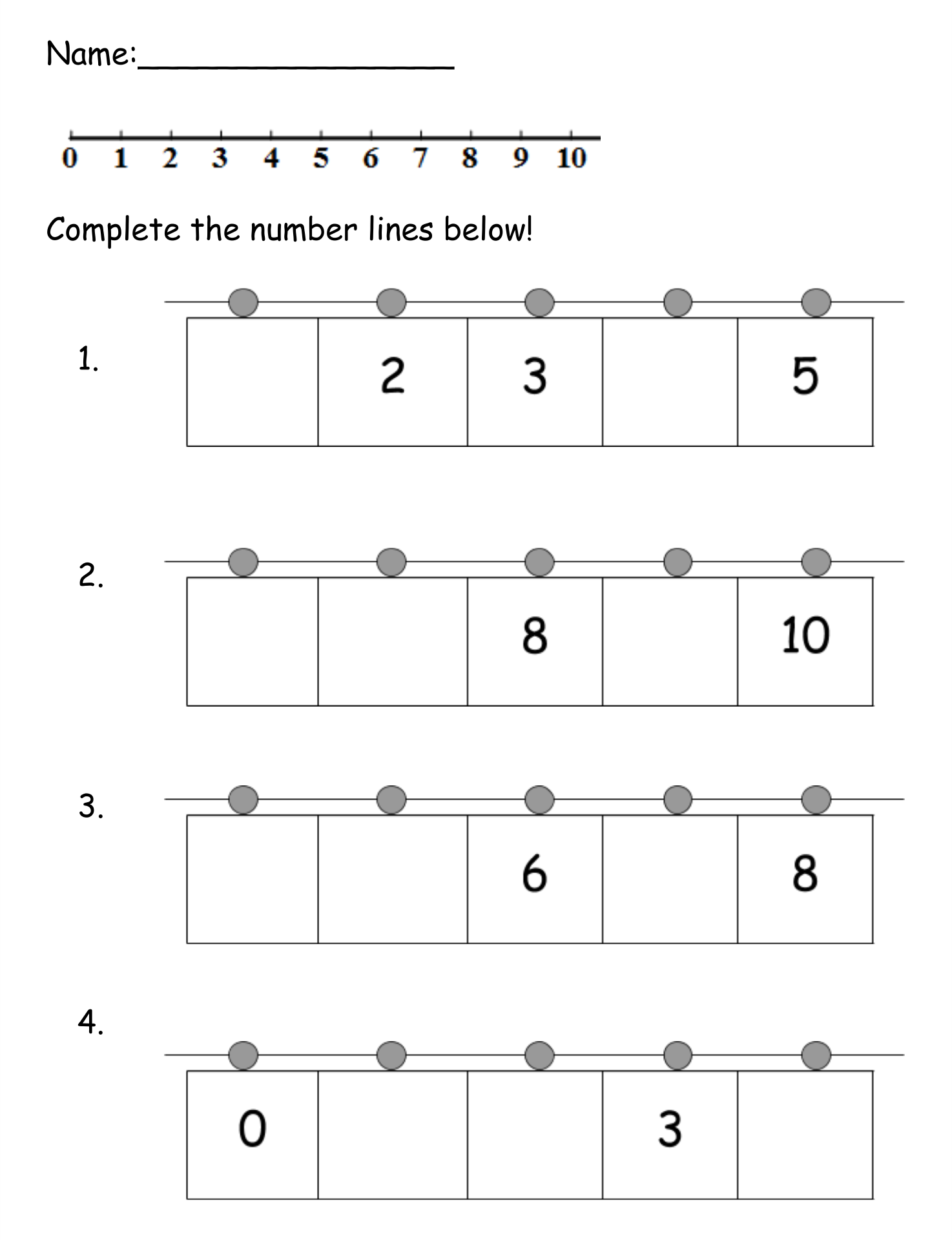
Young children often recognize numerals long before their hand muscles possess the endurance and dexterity required to form them on paper. According to the National Association for the Education of Young Children (NAEYC), developmentally appropriate practice requires aligning educational tasks with a child’s physical and cognitive readiness rather than forcing early academic output. Educators and therapists frequently observe eager preschoolers pointing correctly to digits on a page while struggling to control a pencil. Bridging this gap between mathematical recognition and physical execution takes intentional, scaffolded practice. Enter the number line 1 10 printable, a foundational resource designed to support early math fluency while simultaneously refining essential pre-writing skills and pencil control.
💡 Technical Key Takeaways:
- Core Focus: Diagnostic schematic and terminal connection layout for Number Line 1 10 Printable.
- Target Scope: Field technicians, automotive DIYers, and residential/commercial electricians.
- Safety Rule: Always disconnect the primary power source/battery terminal and verify zero voltage with a multimeter before touching wires.
What This Worksheet Covers
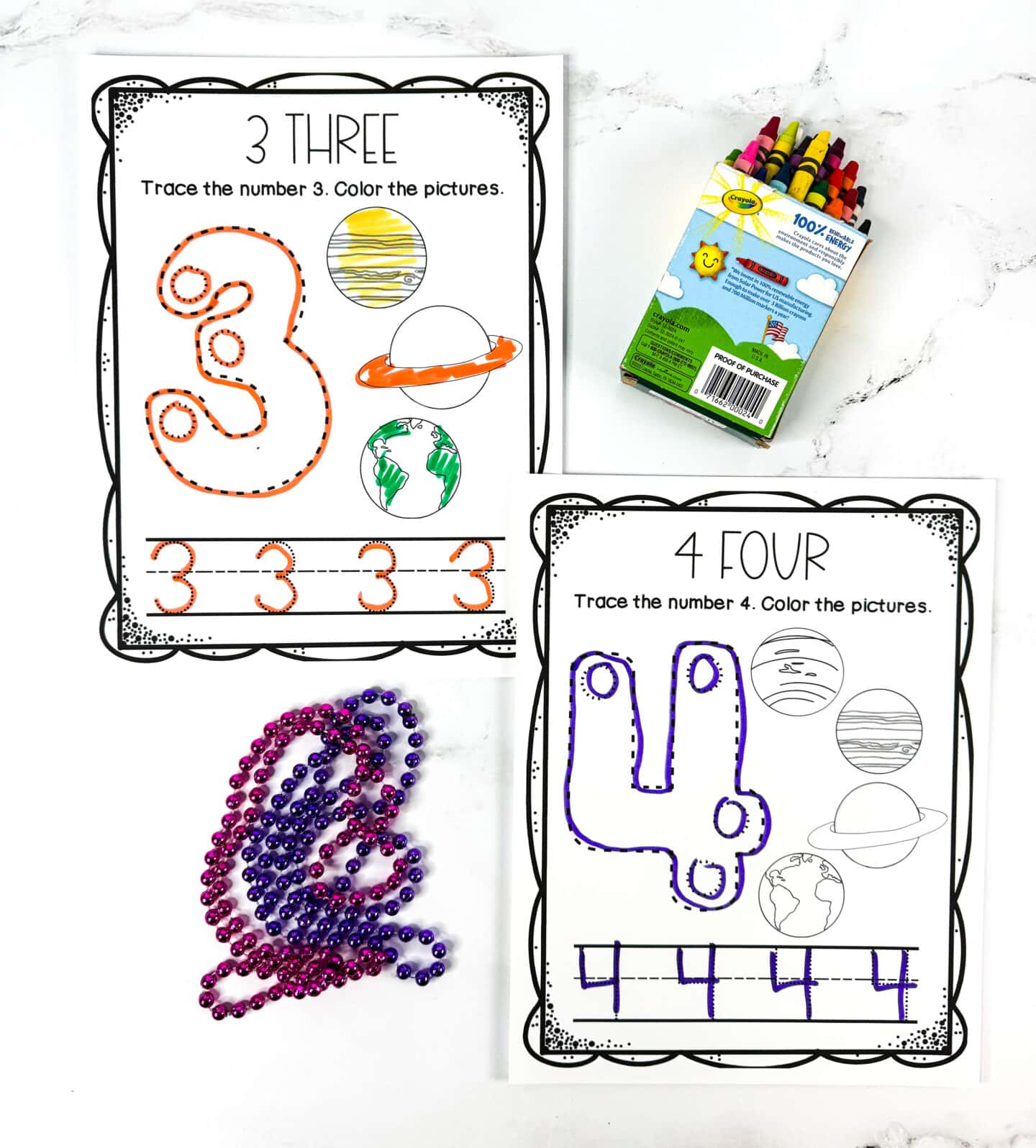
This specific tracing material provides a structured, horizontal visual map featuring numerals from one through ten, presented in sequential order to reinforce counting principles alongside motor execution. Each digit is carefully rendered with clear starting points and directional arrows, ensuring that learners do not accidentally adopt inefficient or incorrect stroke habits. Beyond basic number formation, the layout introduces children to spatial organization, left-to-right progression, and the uniform spacing necessary for future mathematical layout and handwriting legibility. According to the American Occupational Therapy Association (AOTA), structured tracing activities that emphasize controlled linear movements help develop the intrinsic hand muscles required for sustained academic tasks. Working through these linear sequences allows young learners to connect the visual shape of a numeral with the kinesthetic memory of drawing it, turning abstract math concepts into concrete physical actions.
Key Learning Outcomes
Engaging systematically with this layout yields multiple developmental milestones across both numeracy and physical dexterity domains. Learners master correct numeral formation, learning where each stroke begins and ends to build efficient muscle memory. The sequential arrangement reinforces counting principles, magnitude understanding, and spatial awareness as eyes and hands travel steadily from left to right. Simultaneously, pencil control improves significantly as children navigate curved and straight lines within defined boundaries. Fine motor precision is enhanced through the repetitive, controlled movements needed to trace within dotted lines, building the hand strength required for more advanced Tracing Worksheets.
How to Use This Worksheet
Implementation requires a balance of patience, observation, and gentle physical guidance to ensure the child feels successful. Placing the paper on a flat, stable surface helps maintain proper posture, while a slightly slanted writing angle can sometimes ease wrist strain for younger learners. Adults should observe the child’s grip closely, watching for signs of finger fatigue or excessive pressure that might indicate an immature grasp pattern. It sounds simple, and that is the point: keeping initial sessions short prevents frustration and builds positive associations with writing tasks. Celebrating small victories, such as a smoothly formed digit or consistent spacing, reinforces confidence and encourages independent exploration.
Practical Tips for Parents and Teachers
Adults play a vital role in modeling correct pencil grip and demonstrating proper stroke order before asking the child to begin. Scaffolding the activity by starting with just numbers one through five prevents cognitive and physical overload, allowing the child to build endurance gradually before attempting the full sequence. Extending the exercise can involve having the child count physical objects that match the traced numeral, thereby bridging tactile art with mathematical reasoning. When older children show readiness for more complex strokes, transitioning them to dedicated Shape and Line Tracing activities helps maintain steady motor progression. Providing alternative writing tools, such as short crayons or weighted pencils, can also support hand strength development without causing undue hand strain.
Age-Appropriate Recommendations
For children ages two to four, the focus centers primarily on gross motor control, sensory exploration, and early finger awareness, aligning with CDC developmental milestones for fine motor skills. Toddlers and young preschoolers benefit from using thick writing instruments or tracing oversized numerals in salt trays before moving to standard paper layouts. For children ages five to eight, the expectations shift toward formal handwriting and mathematical fluency in accordance with Common Core standards such as CCSS.MATH.CONTENT.K.CC.A.3, which mandates writing numbers from zero to twenty. During these early school years, structured tracing sheets provide the deliberate practice needed to make numeral formation automatic, freeing up cognitive space for higher-level problem solving and more complex mathematical operations.
Developmental readiness for structured tracing aligns with the emergence of a functional three-jaw chuck grip, typically stabilizing between ages four and five. — American Occupational Therapy Association (AOTA)
Frequently Asked Questions
Navigating early childhood learning tools often brings up practical questions regarding execution, developmental timing, and access. Clear guidance ensures adults can utilize these printables effectively to support individual learning needs.
Explore More Free Printable Tracing Worksheets
Supporting a young learner’s journey through early literacy and numeracy requires a diverse collection of engaging, well-designed practice materials. Exploring alternative formats helps maintain high engagement levels while targeting specific developmental domains like letter formation and spatial tracking. To discover a wide array of supplementary resources, including specialized practice sheets, parents, teachers, and caregivers can visit the comprehensive library available at KidTraces.com. Whether looking for targeted practice in Tracing Number pages or exploring fun, seasonal variations, every educator can find tools tailored to foster confidence and skill.
Quick Wiring Specifications & Terminal Guide
| Component / Circuit | Standard Wire Gauge | Recommended Protection |
|---|---|---|
| Control & Trigger Signals | 18 – 20 AWG | 5A – 7.5A Inline Fuse |
| Standard Auxiliary Load | 14 – 16 AWG | 15A – 20A Circuit Breaker |
| Main Power Feed / Supply | 10 – 12 AWG | 30A – 40A Heavy-Duty Relay |
Images References