Introduction
Many children recognize letters, shapes, and numbers long before their fine motor coordination allows them to comfortably form those same symbols on paper. According to the National Association for the Education of Young Children, young children learn best through active, hands-on experiences that connect physical movement with cognitive understanding. Mastering pencil control is not an overnight achievement; it requires gradual muscle development in the hand, fingers, and core. Using a structured tracing letters and numbers printable free resource helps bridge the gap between visual recognition and physical execution. Providing children with guided paths builds the muscle memory necessary for legible, confident writing down the road.
💡 Educational Key Takeaways:
- Core Skill: Structured Tracing Letters And Numbers Printable Free focused on developing pencil grip, stroke control, and early literacy/math confidence.
- Target Scope: Suited for homeschoolers, preschool, kindergarten, and elementary learners.
- Best Recommendation: Practice 10–15 minutes daily with ergonomic writing tools to reinforce muscle memory without hand fatigue.
What This Worksheet Covers
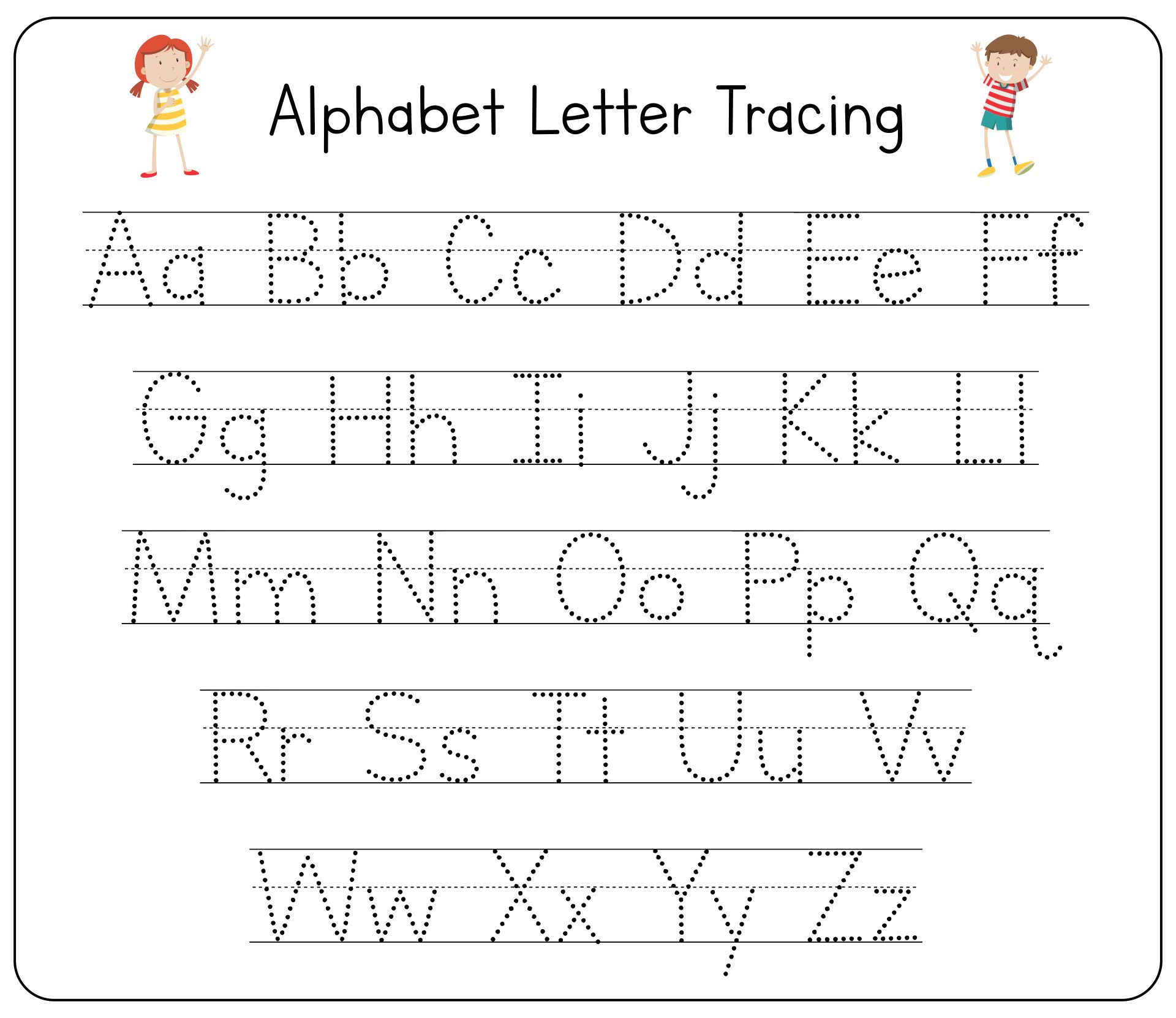
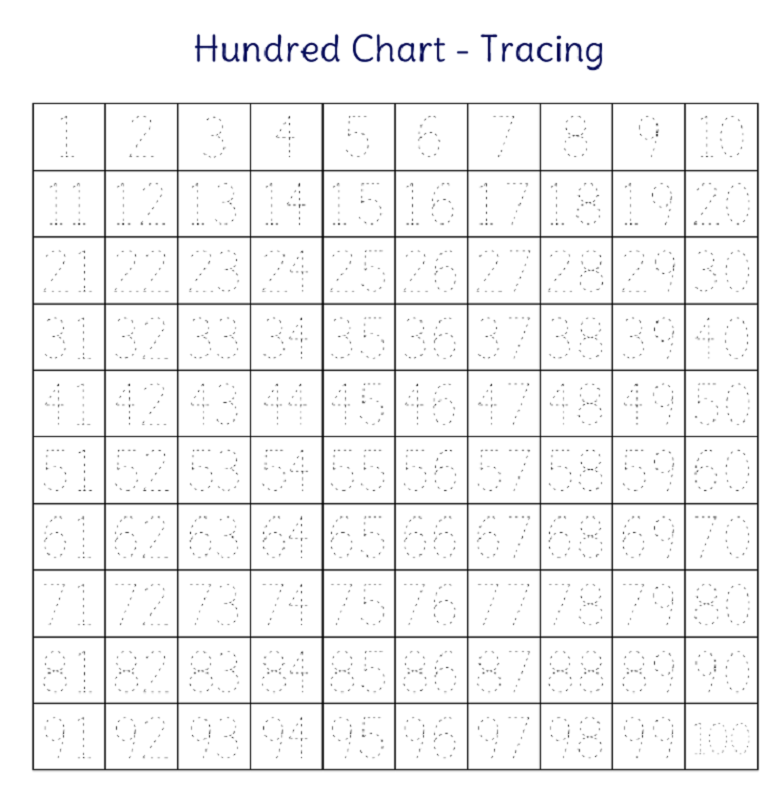
This foundational resource focuses heavily on precise letter and numeral formation, establishing correct stroke order from the very first mark. It sounds simple, and that’s the point. Clear, distinct dotted letters offer guided formation starting points, arrows, and directionality cues that teach young learners where pencil strokes begin and end. Instead of random scribbling, children interact with structured templates that isolate specific vertical, horizontal, diagonal, and curved lines. This intentional design supports foundational Fine Motor and Pre-Writing Skills by encouraging controlled hand movements. Every page is intentionally laid out to reduce cognitive overload, allowing the child to focus entirely on pencil pressure, spatial awareness, and fluid movement.
Key Learning Outcomes
Working through these printable sheets develops vital academic and physical milestones that prepare children for independent composition. Learners master consistent stroke direction, which prevents the formation of awkward habits like bottom-up writing or reversed letter loops. Hand-eye coordination improves dramatically as pencils follow precise visual boundaries from left to right. Finger dexterity and intrinsic hand strength increase through sustained, gentle pressure adjustments required to keep the writing tool on track. Additionally, repeated exposure to standard typographic forms fosters early letter and number recognition, reinforcing the vital connection between visual symbols and their verbal names.
How to Use This Worksheet
Success with early writing tools relies heavily on the physical environment and the immediate support provided by adults. Setting up a comfortable workspace with an appropriately sized chair and table ensures that the child’s feet rest flat and elbows bend at a comfortable ninety-degree angle. Whenever possible, slip the printable inside a heavy-duty clear plastic sleeve and use a dry-erase marker. This low-stakes format encourages experimentation because accidental slips erase instantly, reducing the frustration that often accompanies permanent pencil marks on paper. For broader tracing practice across different symbol types, explore the collection available under Alphabet And Numbers Tracing.
Practical Tips for Parents and Teachers
Adults play a powerful role in shaping lifelong writing habits by modeling proper pencil grasp from the beginning. Encourage a functional tripod or modified quadrupod grip rather than a tight, fist-like hold that leads to hand fatigue. Scaffold the activity by physically guiding the child’s hand through the first couple of strokes, gradually fading assistance as confidence grows. Verbalizing the motion helps anchor the movement in the child’s brain, using catchy directional cues like “up, down, and across” for letters, or “curve around and slide back” for numbers. Remember to keep sessions brief and positive, stopping long before frustration sets in to preserve a joyful attitude toward writing.
Age-Appropriate Expectations
Developmental readiness spans a wide spectrum between toddlerhood and early elementary school. According to the CDC developmental milestones, two-year-olds typically begin imitating vertical strokes and scribbling spontaneously, while older preschoolers around age four can usually copy cross shapes and begin tracing more predictable geometric patterns. Children between ages five and eight refine these foundational abilities, aligning with Common Core ELA standards such as L.K.1.a, which emphasizes printing uppercase and lowercase letters legibly. Scaffolding expectations ensures that a younger toddler focuses on simple line awareness while an older kindergartener tackles precise numerical sequencing and proportional letter sizing.
According to the American Occupational Therapy Association, foundational fine motor control and visual-motor integration developed through early tracing activities are direct predictors of future academic success and legible handwriting proficiency. — AOTA
Frequently Asked Questions
Clear answers to common questions help caregivers implement these printables effectively at home or inside the busy classroom environment. The following quick-reference guide covers downloading, developmental benefits, and professional recommendations.
Reading Rockets notes that explicit handwriting and letter formation instruction reinforces phonics knowledge by helping young children physically anchor letter-sound relationships through tactile memory. — Reading Rockets
Explore More Free Printable Tracing Worksheets
Supporting a developing writer requires access to a wide variety of engaging, developmentally appropriate materials that grow alongside the child. Beyond standard alphabet sheets, exploring specialized categories keeps practice fresh, exciting, and specifically targeted to individual developmental needs. Discover complete collections tailored for every stage of early childhood education by visiting the main library at KidTraces.com for endless inspiration. Additional focused resources can also be found across Dotted Letters For Tracing and Tracing Worksheets, ensuring every child finds the exact support required to build lifelong writing confidence.
Developmental Milestone & Activity Table
| Development Stage | Recommended Daily Duration | Primary Learning Objective |
|---|---|---|
| Preschool & Pre-K | 10 – 15 Minutes | Pencil grip development & basic pre-stroke lines |
| Kindergarten | 15 – 20 Minutes | Letter/number formation & spatial line awareness |
| Early Elementary (Grade 1–2) | 20 – 30 Minutes | Fluency, sentence construction & neatness |
Images References