Introduction
Many children recognize numerals and letters long before their fine motor skills can physically form them on paper. According to the National Association for the Education of Young Children, young children learn best through active, hands-on exploration that bridges cognitive understanding with physical control. Sitting down with a pencil often frustrates a young learner whose hand muscles tire out after two strokes. Bridging this gap requires tools that make number formation approachable, visual, and engaging. The free printable tracing numbers picture transforms abstract mathematical symbols into concrete visual stories. By pairing numerical digits with charming illustrations, this resource invites learners to connect quantity, shape, and stroke order seamlessly. It sounds simple, and that is precisely the point. Scaffolding the journey from visual recognition to pencil control helps prevent pencil fatigue and builds lasting muscle memory.
💡 Educational Key Takeaways:
- Core Skill: Structured Tracing Numbers Picture focused on developing pencil grip, stroke control, and early literacy/math confidence.
- Target Scope: Suited for homeschoolers, preschool, kindergarten, and elementary learners.
- Best Recommendation: Practice 10–15 minutes daily with ergonomic writing tools to reinforce muscle memory without hand fatigue.
What This Worksheet Covers
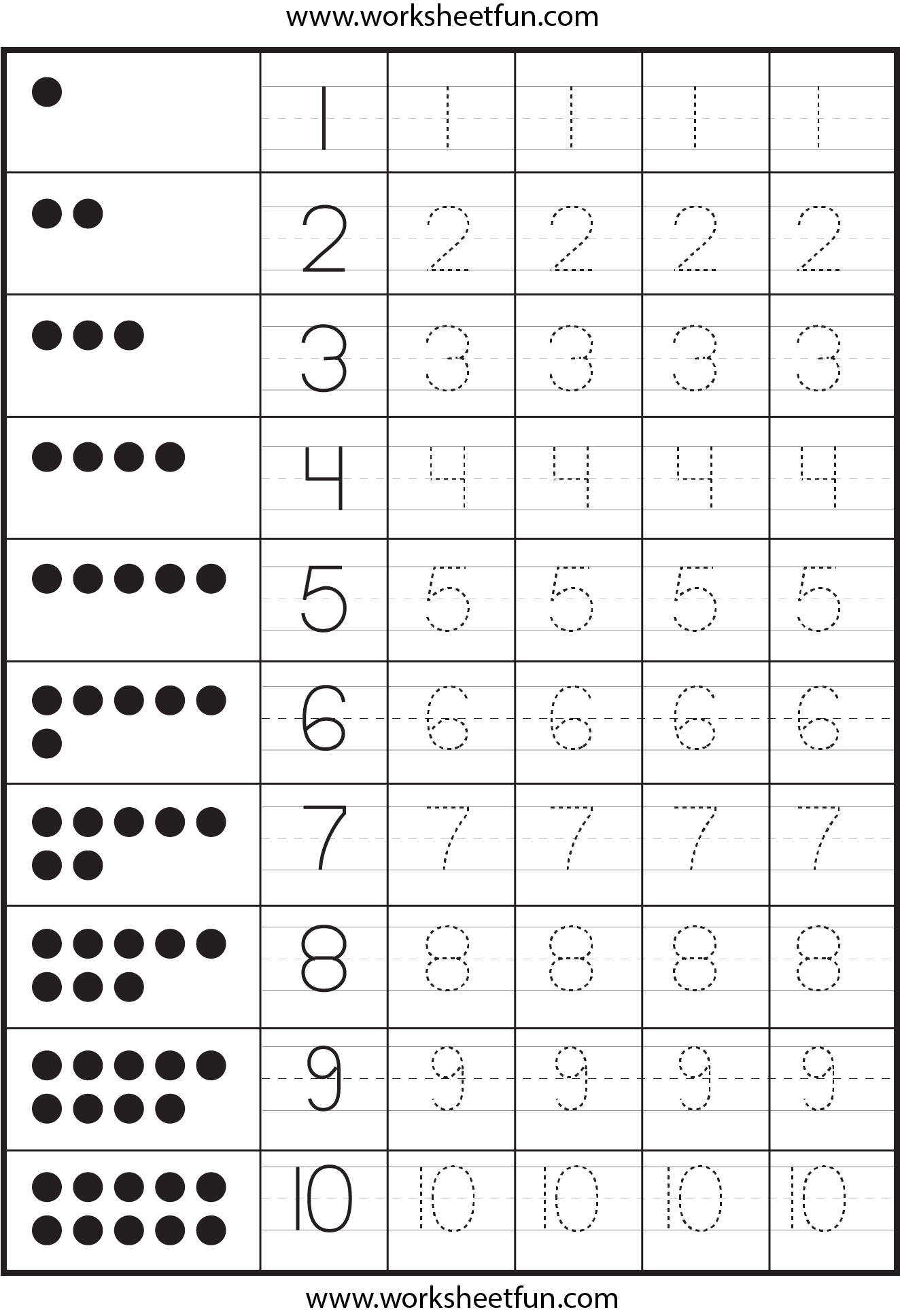
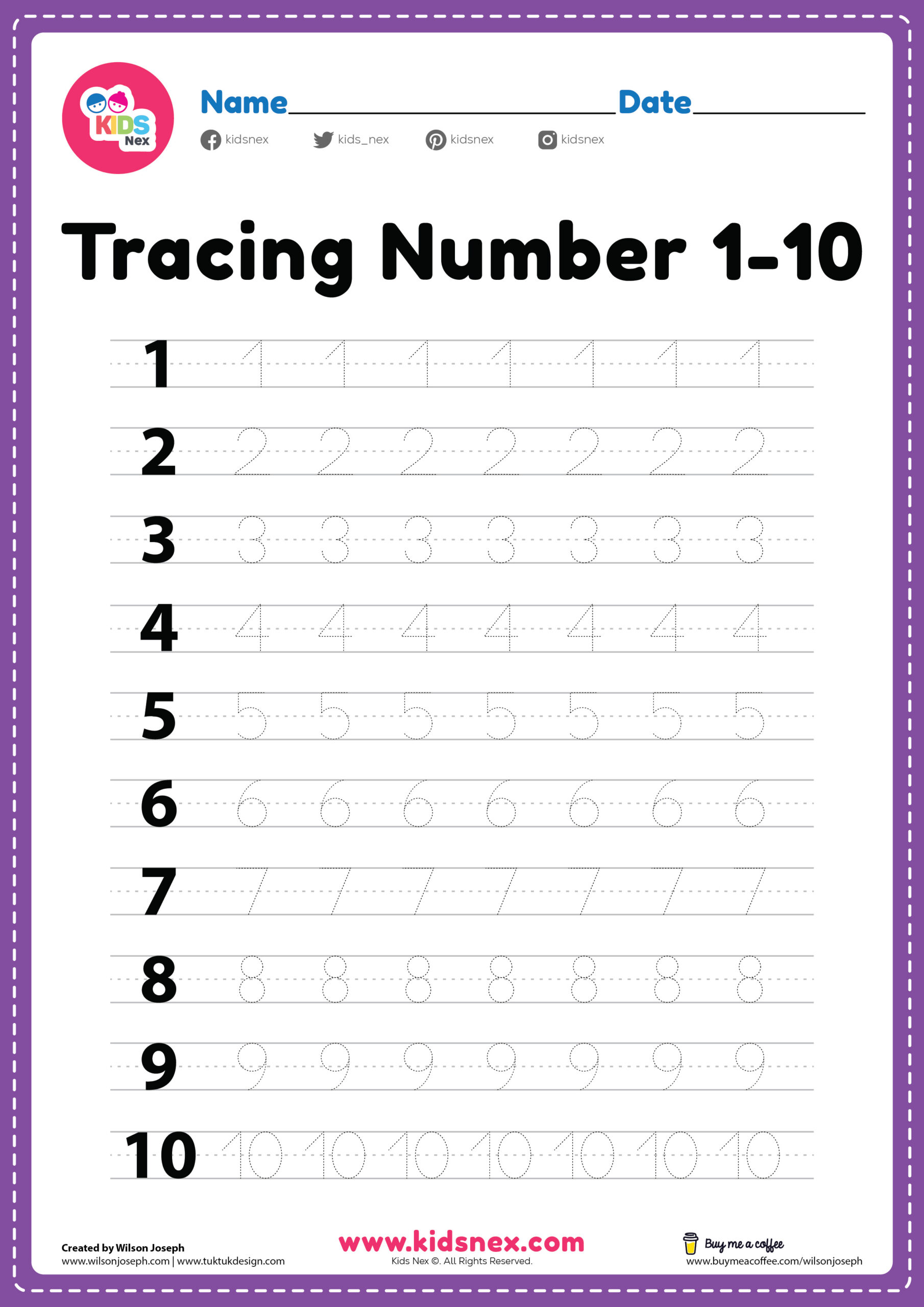
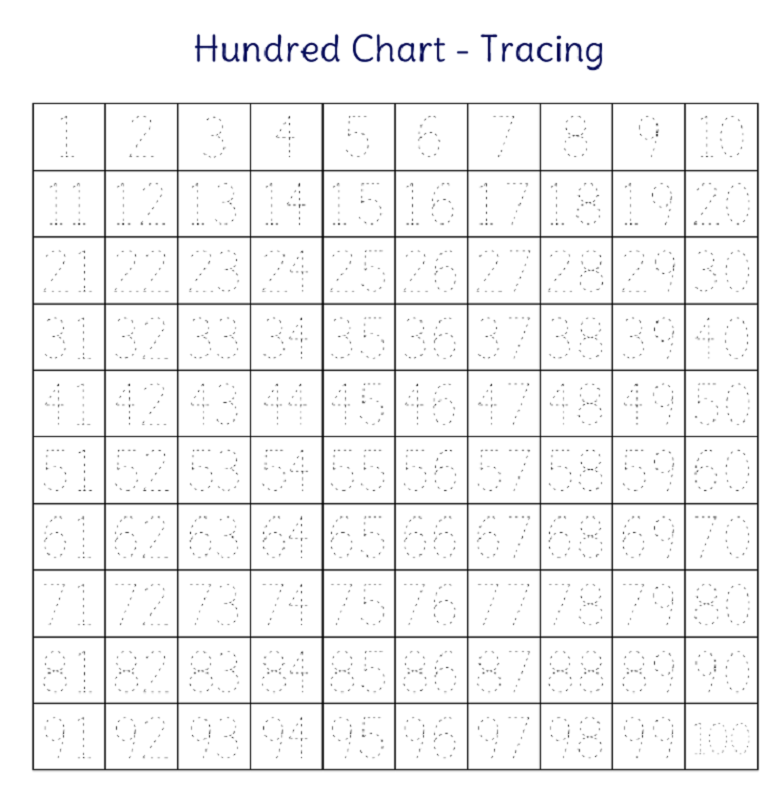
Mastering numerical digits requires more than just connecting dots from top to bottom. This specific resource focuses on numeral formation, correct stroke sequencing, and spatial awareness within a structured grid. Every digit features clear starting points and directional arrows to guide tiny hands along the correct path. Alongside the digits, contextual picture elements reinforce one-to-one correspondence, ensuring children understand that the symbol ‘3’ actually represents three distinct objects in the drawing. According to the American Occupational Therapy Association, foundational visual-motor integration skills directly predict future academic success in writing and mathematics. Through purposeful repetition, children learn where curves begin, where straight lines end, and how to maintain steady pressure from the wrist and fingers. For more related activities, check out our Tracing Missing Numbers Worksheet.
Key Learning Outcomes
Engaging with this printable nurtures several foundational developmental milestones simultaneously. First, children refine pencil control by practicing continuous lines, gentle curves, and sharp angles required for distinct digits like 2, 5, and 8. Second, the picture-based context supports early mathematical thinking, cementing the link between the written symbol and real-world quantities. Third, structured stroke directionality promotes muscle memory, reducing spatial reversals common in early childhood writing. Finally, completing the visual puzzle boosts confidence, transforming a traditionally frustrating writing drill into an enjoyable creative exercise.
How to Use This Worksheet
Success with early writing tools depends heavily on the physical setup and adult guidance provided during the session. Begin by ensuring the child sits with feet flat on the floor and hips at a ninety-degree angle to provide stable core support for the shoulder and arm. Introduce the page by pointing to the picture first, counting the objects aloud together before touching a writing utensil to the paper. Encourage finger tracing over the dotted lines before introducing crayons, markers, or pencils to give the tactile system a preview of the physical path. It sounds simple, but this multi-sensory preview drastically reduces hesitation and accidental line slips.
Practical Tips for Parents and Teachers
Observation reveals that children often grip pencils too tightly, squeezing the shaft like a weapon when trying to control unfamiliar curves. Model a relaxed tripod grasp, and utilize broken crayons or short golf pencils to naturally encourage proper finger positioning instead of a heavy fist wrap. Scaffold the experience by completing the first row together, then stepping back to let independence take over for the remaining rows. If hand fatigue sets in, pause for some wall pushes or finger shakes to restore circulation before finishing the page. Celebrate the effort poured into every curve rather than demanding perfection on the first try, keeping motivation high and anxiety low.
Age-Appropriate Recommendations
Different developmental stages require tailored approaches to pencil-and-paper tasks. For toddlers and preschoolers ages two through four, aligning with the Centers for Disease Control and Prevention developmental milestones, focus primarily on thick crayons, chunky markers, and large-format finger tracing to build baseline hand strength. At this stage, perfection matters far less than joyful exploration and gross motor engagement. For children ages five through eight, expectations shift toward precise pencil control, proper line orientation, and accurate stroke sequences. During these early elementary years, this printable serves as an ideal warm-up activity for math stations, quiet morning work, or targeted occupational therapy interventions.
Foundational visual-motor integration skills directly predict future academic success in writing and mathematics — American Occupational Therapy Association
Frequently Asked Questions
Addressing common questions helps adults maximize the benefits of these early learning tools while keeping the process stress-free and enjoyable for everyone involved.
Explore More Free Printable Tracing Worksheets
Supporting a young learner through developmental milestones is an exciting journey that benefits from a wide variety of engaging practice materials. Beyond numbers and counting, children thrive when given diverse opportunities to build hand strength, pencil control, and spatial awareness across different themes. Exploring options like Tracing Number pages or expanding into Shape and Line Tracing keeps practice fresh and motivating. For older preschoolers ready for letters, diving into Dotted Letters For Tracing provides a seamless transition toward literacy. Caregivers and educators can browse the entire collection of free resources anytime by visiting KidTraces.com to find activities tailored to every unique developmental stage.
Developmental Milestone & Activity Table
| Development Stage | Recommended Daily Duration | Primary Learning Objective |
|---|---|---|
| Preschool & Pre-K | 10 – 15 Minutes | Pencil grip development & basic pre-stroke lines |
| Kindergarten | 15 – 20 Minutes | Letter/number formation & spatial line awareness |
| Early Elementary (Grade 1–2) | 20 – 30 Minutes | Fluency, sentence construction & neatness |
Images References