Introduction
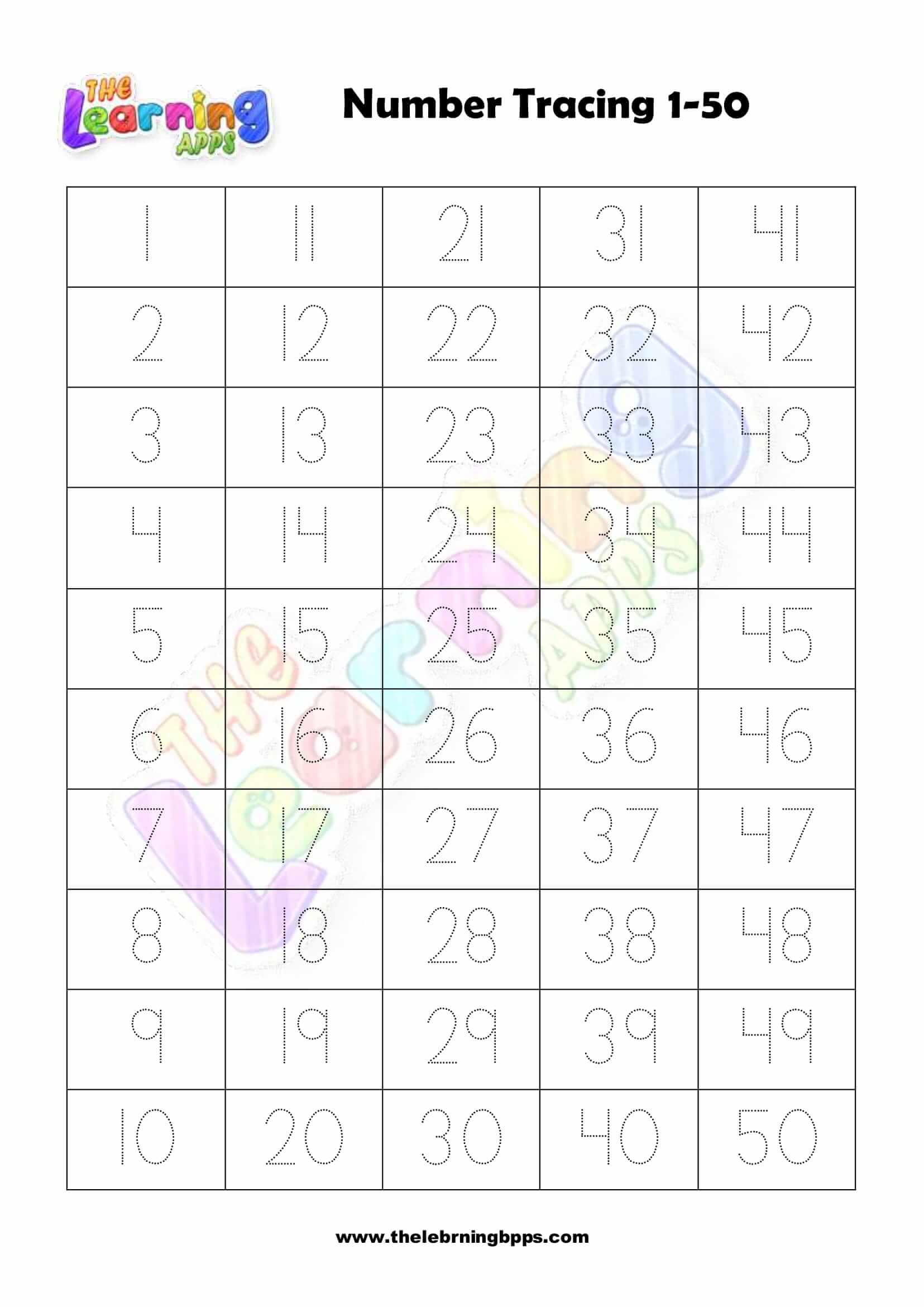
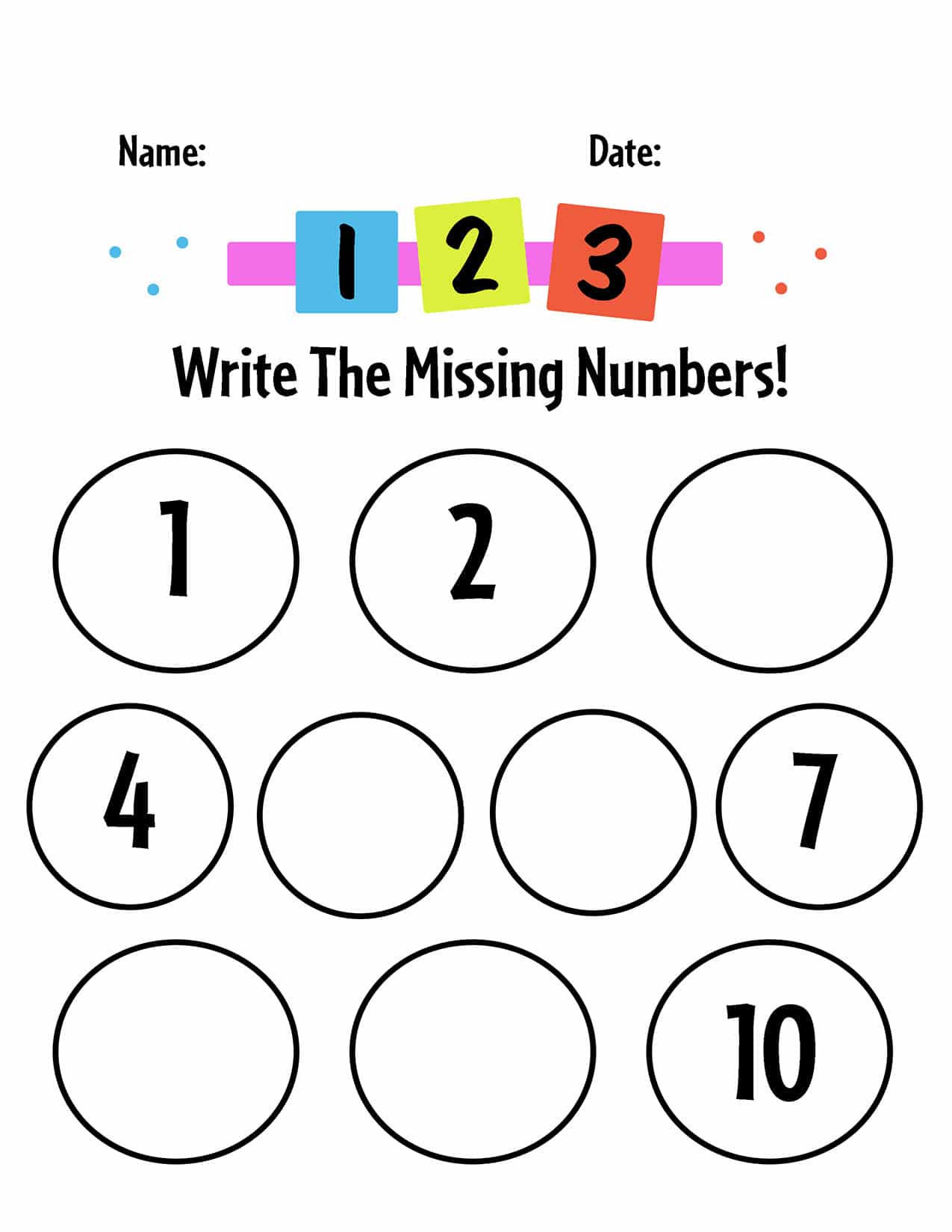
Many children recognize numerals long before their fine motor control allows them to form those same digits on paper. According to the American Occupational Therapy Association, foundational hand strength and pencil control must develop concurrently with cognitive mathematical concepts to ensure fluid writing mechanics. Bridging this gap requires targeted pencil practice that engages both logical sequencing and physical muscle memory. The tracing missing numbers worksheet offers a structured bridge, blending mathematical pattern recognition with essential numeral formation. It sounds simple, and that is precisely the point. By focusing attention on what is absent rather than copying a full page of repetitive digits, learners engage deeply with correct stroke order and directional habits. Explore more in our Tracing Number collection.
💡 Educational Key Takeaways:
- Core Skill: Structured Tracing Missing Numbers Worksheet focused on developing pencil grip, stroke control, and early literacy/math confidence.
- Target Scope: Suited for homeschoolers, preschool, kindergarten, and elementary learners.
- Best Recommendation: Practice 10–15 minutes daily with ergonomic writing tools to reinforce muscle memory without hand fatigue.
What This Worksheet Covers
This resource addresses a crucial intersection where early math and physical writing skills meet. Instead of passive copying, children must first analyze a numerical sequence to identify the gap, activate working memory, and then execute the physical formation of the missing digit. This targeted approach prevents hand fatigue while maximizing cognitive engagement. Practitioners often notice that children rush through standard counting sheets, but missing-number exercises force a deliberate pause. That momentary hesitation creates space for proper motor planning, helping young writers establish correct starting points and directional strokes for each numeral. For more related activities, check out our Dotted Number Patterns For 3 Year Olds.
Key Learning Outcomes
Working through these sequenced exercises builds numeral recognition alongside visual-motor integration. Learners strengthen sequential logic by determining which number comes next or falls in between established anchors. At the same time, guided tracing paths reinforce proper stroke order, teaching hands to move from top to bottom and left to right with confidence. Fine motor control improves incrementally as fingers stabilize pencils or crayons to stay within the dotted guides. Furthermore, spatial awareness blossoms as children learn to space their digits evenly across the writing line, laying the groundwork for clean, legible math notation in later elementary grades.
How to Use This Worksheet
Successful implementation relies on keeping the experience low-stress and physically supportive. Begin by having the child verbalize the full sequence aloud, pointing to each number with a finger before picking up a writing utensil. This auditory and visual rehearsal primes the brain for the motor task ahead. Next, encourage a functional tripod or modified grasp, ensuring fingers remain flexible rather than locked in a tight fist. If a child struggles to maintain control, try placing the paper on a slight slant or a vertical surface to naturally promote optimal wrist extension. Keep sessions short, celebrating steady focus and correct stroke direction over absolute perfection.
Practical Tips for Parents and Teachers
Scaffolding makes all the difference when introducing new writing challenges to young learners. Start by modeling the formation of the missing number on a separate whiteboard, exaggerating the starting point with a green dot and the ending point with a red dot. When a child makes an error in directionality, avoid erasing the entire effort; instead, gently guide the hand through the correct motion once before letting them try independently. To extend the activity for older children, challenge them to write the missing numbers completely freehand below the dotted lines. Varying writing tools, from chunky crayons to skinny colored pencils, also keeps hand muscles engaged without causing excessive strain.
Age-Appropriate Recommendations
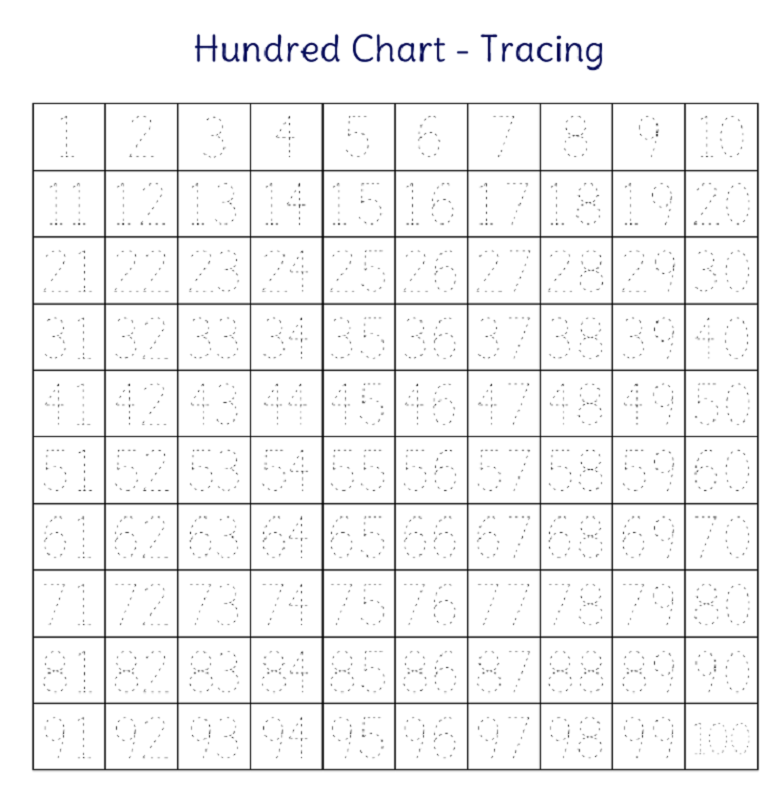
For younger children aged two to four, number sequencing focuses primarily on visual identification and simple 1-to-5 or 1-to-10 progressions, aligning closely with CDC developmental milestones for early cognitive and motor play. At this stage, thicker writing utensils and larger tracing paths accommodate developing hand muscles. For older children aged five to eight, the expectations shift toward automaticity, clean pencil grip, and longer sequences reaching twenty or one hundred, supporting formal classroom standards such as Common Core math requirements for counting and cardinality. Tailoring the length of the number line ensures that children remain challenged without experiencing hand cramping or frustration.
Fine motor competence and visual-perceptual skills are strong predictors of early academic success in both mathematics and written expression — American Occupational Therapy Association
Frequently Asked Questions
Answers to common questions regarding implementation and developmental readiness can clarify how to best support young learners using these materials.
According to the National Association for the Education of Young Children, young children learn best through active, hands-on experiences that connect physical movement with cognitive concepts.
Explore More Free Printable Tracing Worksheets
Expanding a child’s practice routine with diverse activities keeps engagement high and targeted skills sharp. Beyond numerical sequences, children benefit from exploring complementary concepts that target different facets of pencil control and early literacy. Educators and parents can discover a comprehensive library of supportive printables by visiting the main collection at KidTraces.com. Whether focusing on foundational pencil control through Shape and Line Tracing, building early literacy via Dotted Letters For Tracing, or exploring thematic activities found in Seasonal and Fun Themes, every resource is designed to make learning joyful. To dive deeper into specific developmental areas, check out additional focused galleries covering Alphabet And Numbers Tracing and targeted Tracing Worksheets to support every stage of growth.
Developmental Milestone & Activity Table
| Development Stage | Recommended Daily Duration | Primary Learning Objective |
|---|---|---|
| Preschool & Pre-K | 10 – 15 Minutes | Pencil grip development & basic pre-stroke lines |
| Kindergarten | 15 – 20 Minutes | Letter/number formation & spatial line awareness |
| Early Elementary (Grade 1–2) | 20 – 30 Minutes | Fluency, sentence construction & neatness |
Images References