Introduction
Many children recognize numerals long before their small hand muscles possess the endurance or dexterity to form them on paper. According to the American Occupational Therapy Association, foundational fine motor control and visual-motor integration are critical prerequisites for functional handwriting success in early childhood. This developmental gap often frustrates eager learners who know the concepts of numbers like three or five but struggle to make their pencils obey those mental blueprints. Structured intervention materials bridge that exact divide by translating cognitive recognition into physical muscle memory. Purposeful tracing sheets offer the guided repetition necessary to coordinate hand movements with visual cues. Utilizing tools like Tracing Number resources gives children a supportive framework to practice proper stroke formation without the cognitive overload of a blank page. Here’s what makes this worksheet different: it focuses heavily on starting points and directional arrows, ensuring that children build efficient motor habits rather than drawing numbers like pictures.
💡 Educational Key Takeaways:
- Core Skill: Structured Tracing Numbers Asd focused on developing pencil grip, stroke control, and early literacy/math confidence.
- Target Scope: Suited for homeschoolers, preschool, kindergarten, and elementary learners.
- Best Recommendation: Practice 10–15 minutes daily with ergonomic writing tools to reinforce muscle memory without hand fatigue.
What This Worksheet Covers
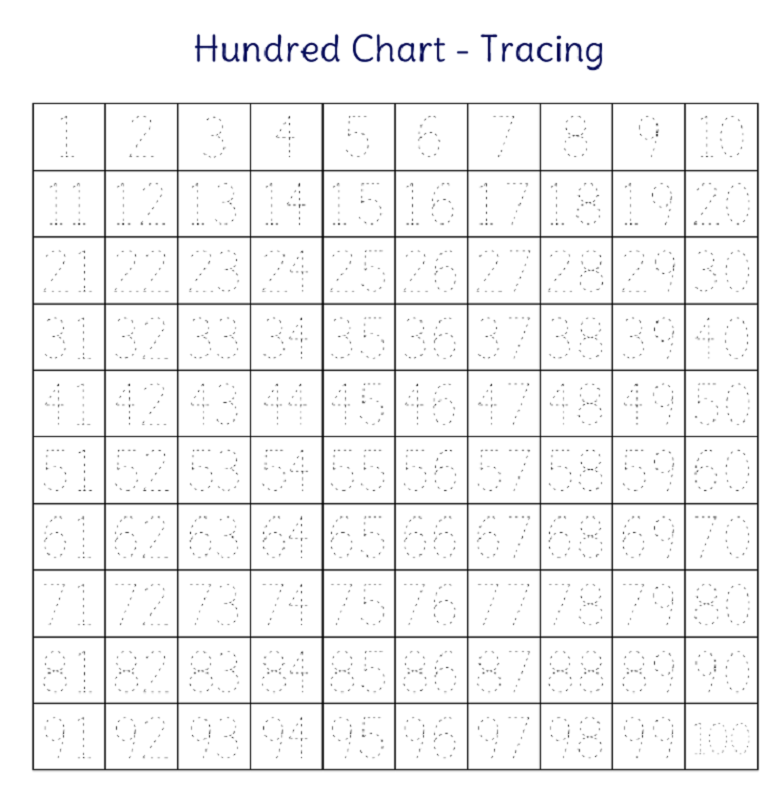
The primary focus centers on numeral formation, correct stroke order, and spatial awareness within defined boundaries. Every single digit from zero through nine receives dedicated, step-by-step attention across the layout. Directional arrows dictate the exact path of the pencil, teaching learners to begin at the top rather than developing the detrimental habit of starting strokes at the bottom. Dotted lines gradually transition into lighter visual cues, gently fading out to encourage independent formation by the end of each row. Large tracing boxes provide ample workspace for tiny hands that might still struggle with fine motor precision. Furthermore, counting elements accompany the numerals, reinforcing the foundational link between symbol, quantity, and physical execution. It sounds simple, and that’s the point: stripping away distractions allows absolute focus on pencil control and spatial placement.
Key Learning Outcomes
Learners progress through several distinct developmental milestones while engaging with these specialized printables. Consistent exposure strengthens the intrinsic hand muscles required for a functional tripod grasp, reducing hand fatigue during longer writing tasks. Spatial orientation improves significantly as children navigate the boundary lines and maintain consistent sizing for each numeral. Directional consistency becomes second nature through repetitive practice of starting points and stroke sequences, which prevents letter and number reversals later in elementary school. Hand-eye coordination also sharpens steadily, because the eyes must constantly guide the hand along the dotted paths while anticipating the next curve or straight line. Ultimately, children build genuine confidence in their writing abilities, transforming an intimidating academic requirement into an enjoyable, achievable daily routine.
How to Use This Worksheet
Successful integration into a daily routine relies on short, focused bursts of practice rather than marathon writing sessions. Adults should introduce the page when energy levels remain high, keeping sessions to roughly five or ten minutes to prevent hand cramping and frustration. Providing thick pencils, short crayons, or golf pencils naturally encourages an efficient grasp by preventing children from wrapping their fists around overly long writing utensils. Placing the paper on a slight vertical slant using a slanted board can also improve wrist positioning and visibility. Adults must observe closely to ensure learners follow the indicated directional arrows rather than scribbling back and forth across the dots. Pairing the physical tracing with counting physical objects, such as counting out blocks before writing the corresponding digit, anchors the abstract numeral in concrete reality.
Practical Tips for Parents and Teachers
Adults play an essential coaching role by modeling correct pencil grip and verbalizing the stroke directions aloud during practice. Describing strokes with engaging verbal cues, such as a gentle “top to bottom, then a big round belly” for the number five, adds an auditory layer that strengthens memory retention. Scaffolding the activity is vital for younger children, meaning adults can initially hand-over-hand guide the pencil for the first stroke before letting the child finish independently. Extending the learning doesn’t require more worksheets; instead, children can trace large numerals in trays filled with salt, sand, or shaving cream to reinforce muscle memory through tactile exploration. Providing enthusiastic, specific praise focused on effort and proper starting points rather than perfection keeps motivation exceptionally high. Complementing these numeral sheets with broader foundational exercises found in Fine Motor and Pre-Writing Skills ensures children develop the all-around dexterity necessary for lifelong writing fluency.
Age-According Recommendations
Aligning expectations with developmental frameworks prevents undue pressure on young learners. According to the National Association for the Education of Young Children Developmentally Appropriate Practice guidelines, two-to-four-year-olds benefit most from large-scale pre-writing lines, sensory tracing, and broad motor movements rather than rigid, small-scale numeral drills. Children in this younger bracket should focus primarily on grasp exploration and gross motor control. By ages five through eight, children enter the formal instruction phase outlined in Handwriting Without Tears and early elementary educational standards, where mastery of standard numeral formation, proper alignment, and consistent sizing becomes a realistic expectation. At this older stage, targeted tracing sheets help refine pencil pressure and increase writing stamina across the curriculum. For even more ways to support early childhood writing development, explore the full library at KidTraces.com to find supplemental practice sheets.
Foundational fine motor control and visual-motor integration are critical prerequisites for functional handwriting success in early childhood. — American Occupational Therapy Association
Frequently Asked Questions
Answers to common inquiries regarding implementation, printing, and developmental benefits provide clarity for parents, teachers, and caregivers embarking on tracing practice.
According to the National Center for Learning Disabilities, explicit instruction in pencil control and stroke directionality significantly reduces visual-motor difficulties in young writers. — National Center for Learning Disabilities
Explore More Free Printable Tracing Worksheets
Supporting a well-rounded pre-writing curriculum involves rotating through various styles of practice sheets to maintain high engagement and target different muscle groups. Children thrive when given a diverse selection of printables that blend foundational strokes with fun, motivating themes. Browsing through categories like Shape and Line Tracing provides wonderful variety for warming up hands before tackling numbers or letters. Adults can also check out Alphabet And Numbers Tracing collections to seamlessly combine math and literacy practice in a single sitting. Every resource is designed to be easily accessible, free to print, and thoughtfully crafted to support children every step of the way on their early education journey.
Developmental Milestone & Activity Table
| Development Stage | Recommended Daily Duration | Primary Learning Objective |
|---|---|---|
| Preschool & Pre-K | 10 – 15 Minutes | Pencil grip development & basic pre-stroke lines |
| Kindergarten | 15 – 20 Minutes | Letter/number formation & spatial line awareness |
| Early Elementary (Grade 1–2) | 20 – 30 Minutes | Fluency, sentence construction & neatness |
Images References