Introduction
Many children recognize geometric shapes and symbols long before their fine motor control and hand strength allow them to cleanly form those lines with a traditional pencil. According to the National Association for the Education of Young Children, developmentally appropriate practice requires engaging young learners through multi-sensory experiences that match their physical maturity before demanding rigid pencil-and-paper mastery. It sounds simple, and that is the exact point. Tracing shapes in sand bridges the crucial gap between gross motor movement and precise pre-writing control. This tactile approach reduces the frustration often associated with early worksheets by letting little fingers explore lines, curves, and angles in a forgiving, low-stakes medium. Grounded in occupational therapy principles, tactile tracing activates tactile and proprioceptive feedback systems in the brain, building deep muscle memory for foundational shapes.
💡 Educational Key Takeaways:
- Core Skill: Structured Tracing Shapes In Sand focused on developing pencil grip, stroke control, and early literacy/math confidence.
- Target Scope: Suited for homeschoolers, preschool, kindergarten, and elementary learners.
- Best Recommendation: Practice 10–15 minutes daily with ergonomic writing tools to reinforce muscle memory without hand fatigue.
What This Worksheet Covers
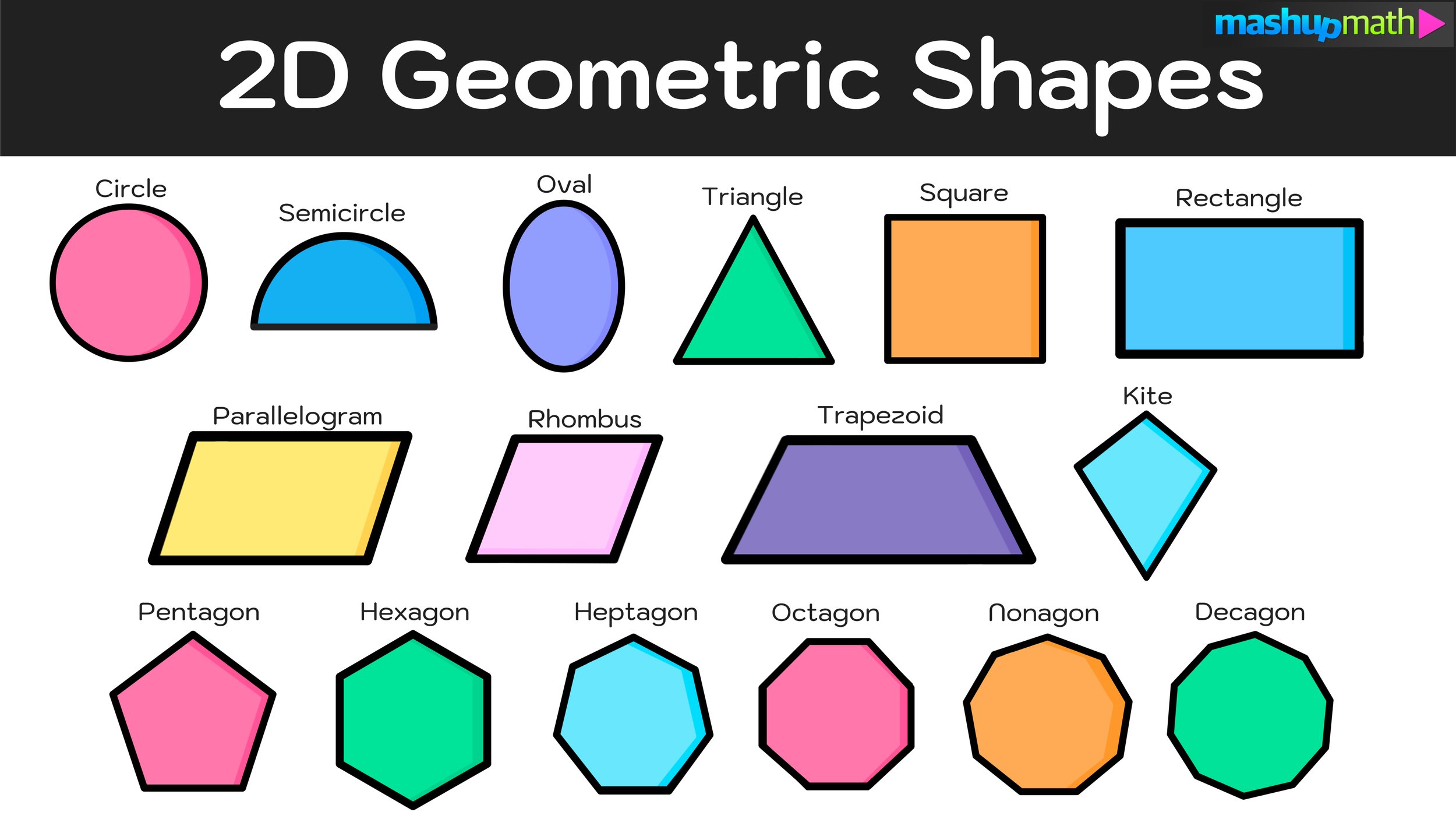
This printable resource provides a structured visual guide for exploring fundamental pre-writing shapes, including vertical lines, horizontal lines, circles, squares, triangles, and intersecting strokes. Each designated shape card directs the learner to observe a visual starting point and replicate the motion through tactile exploration. Instead of focusing solely on the end product, the exercise centers on the continuous flow of the movement, encouraging children to feel the resistance and texture of sand as their index fingers carve out loops, corners, and straight paths. By shifting the practice from paper to a tactile tray, learners internalize the spatial awareness required for future letter and numeral formation without the restrictive barrier of a standard pencil grip.
Key Learning Outcomes
Engaging with this sensory tracing activity strengthens bilateral coordination as one hand stabilizes the tray while the active hand traces the path. According to the American Occupational Therapy Association, tactile exploration of lines and shapes significantly improves finger discrimination, spatial perception, and motor planning in young children. Learners develop crucial visual-motor integration skills by translating a visual cue on the page into a physical movement in the sand. Additionally, repeated sand tracing builds intrinsic hand strength and endurance across the small muscles of the palm and fingers, laying a robust foundation for more advanced Fine Motor and Pre-Writing Skills as children grow.
How to Use This Worksheet
Preparation involves placing the printed shape guide near a shallow tray filled with fine-grained sand, salt, or cornmeal. Adults can set the stage by inviting the learner to inspect the printed shape before attempting to replicate it in the tactile medium. Children examine the directional arrows on the printable, locate the starting dot, and use an index finger to draw the shape in the sand. When a shape is complete, a gentle shake of the tray resets the canvas for a brand new attempt. This instant erase feature fosters resilience, encouraging learners to experiment freely, make mistakes, and try again without the physical permanence of ink on paper.
Practical Tips for Parents and Teachers
Adults should model the correct tracing direction by slowly dragging an index finger across the sand while verbalizing the motion, such as “top to bottom” or “around and around.” Scaffolding the experience involves starting with basic vertical and horizontal lines before progressing to closed geometric shapes like triangles and diamonds. For learners who show aversion to certain textures, a soft paintbrush can serve as an interim tracing tool to bridge the gap before using bare fingers. Extending the activity is simple; encourage children to close their eyes and guess the shape drawn by a partner, which deeply reinforces cognitive shape recognition alongside tactile processing.
Age-Appropriate Recommendations
For toddlers and preschoolers aged two to four, the focus centers on sensory exploration, vertical and horizontal lines, and simple circles, aligning directly with foundational developmental milestones outlined by the Centers for Disease Control and Prevention. Children in this developmental bracket benefit from large, sweeping hand movements that engage the shoulder and elbow joints. For older children in kindergarten through age eight, the printable serves as a remedial or warm-up tool to refine precision, corner control, and line fluidity. As children master these foundational strokes, educators can transition them toward more structured practice available across various Shape and Line Tracing resources.
Multi-sensory tactile tracing enhances visual-motor integration and shape retention by engaging both the somatosensory and visual cortices simultaneously. — American Occupational Therapy Association
Frequently Asked Questions
Clear answers to common questions help parents and educators maximize the benefits of this engaging sensory tracing activity.
Explore More Free Printable Tracing Worksheets
Supporting a child’s early literacy and motor development journey requires a rich variety of engaging, accessible materials. Beyond tactile sand tracing, children thrive when given diverse opportunities to practice stroke control, letter formation, and line precision. The complete library at KidTraces.com offers countless free resources designed by educators and therapists to make learning joyful. Whether looking for targeted alphabet practice or fun seasonal activities, parents and teachers can easily find comprehensive tools to support every stage of growth within collections like Tracing Worksheets and Seasonal and Fun Themes.
Developmental Milestone & Activity Table
| Development Stage | Recommended Daily Duration | Primary Learning Objective |
|---|---|---|
| Preschool & Pre-K | 10 – 15 Minutes | Pencil grip development & basic pre-stroke lines |
| Kindergarten | 15 – 20 Minutes | Letter/number formation & spatial line awareness |
| Early Elementary (Grade 1–2) | 20 – 30 Minutes | Fluency, sentence construction & neatness |
Images References